Blend Modification
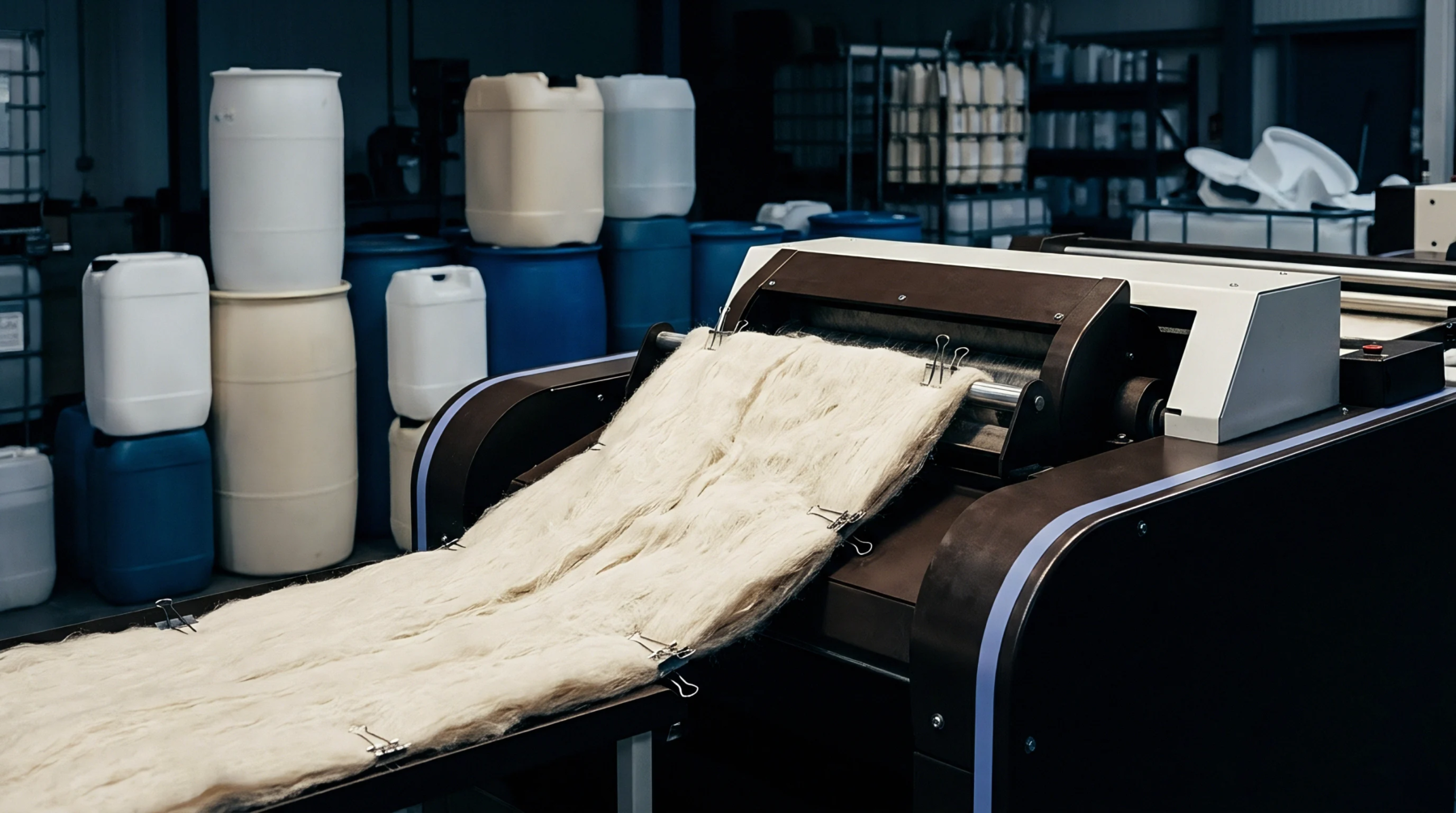
Material replacement designates the intentional or unauthorized exchange of one raw textile variety for another within manufacturing formulations. In flax spinning, fiber substitution involves blending lower-cost carded tow, ramie, cotton or polyester into long-line flax batches without contractual disclosure. The practice alters yarn linear density, mechanical drafting behavior and fabric hand feel.
Purity covenants govern raw material intake before blending processes begin.
Economic Incentive
Discrepancies in raw commodity pricing create financial incentives to dilute expensive wet-spun long flax with cheaper cellulosic or synthetic alternatives. Mills occasionally divert short combing noils or unrefined domestic tow into imported European flax lots during early gill box operations. Deliberate fiber substitution also occurs when polyester staple enters preparatory drawing heads to bolster mechanical running efficiency on high-speed ring frames.
Synthetic filaments slide easily through wet drafting nips and reduce yarn break frequencies during spinning shifts. However, synthetic components repel water during wet finishing and disrupt reactive dye uptake across fabric pieces. Finished cloth displays mottled dye patterns when uneven fiber distributions react unpredictably to caustic mercerization baths.
Thermal tests expose illicit synthetics when ironing temperatures induce polymer melting on tentering frames. Fabric density measurements reveal irregular bulk factors that deviate from pure linen technical parameters.
Composition Audit
Quantification of constituent elements relies on microscopic cross-sectional view examinations and chemical dissolution protocols defined under standard ISO 1833. Certified commercial laboratories record fiber substitution findings on formal test reports that accompany export verification files. Customs inspectors review these laboratory sheets against shipping declarations to confirm tariff classifications and verify trade compliance.
Inconsistencies between physical samples and customs entries prompt consignment seizures at clearance terminals.