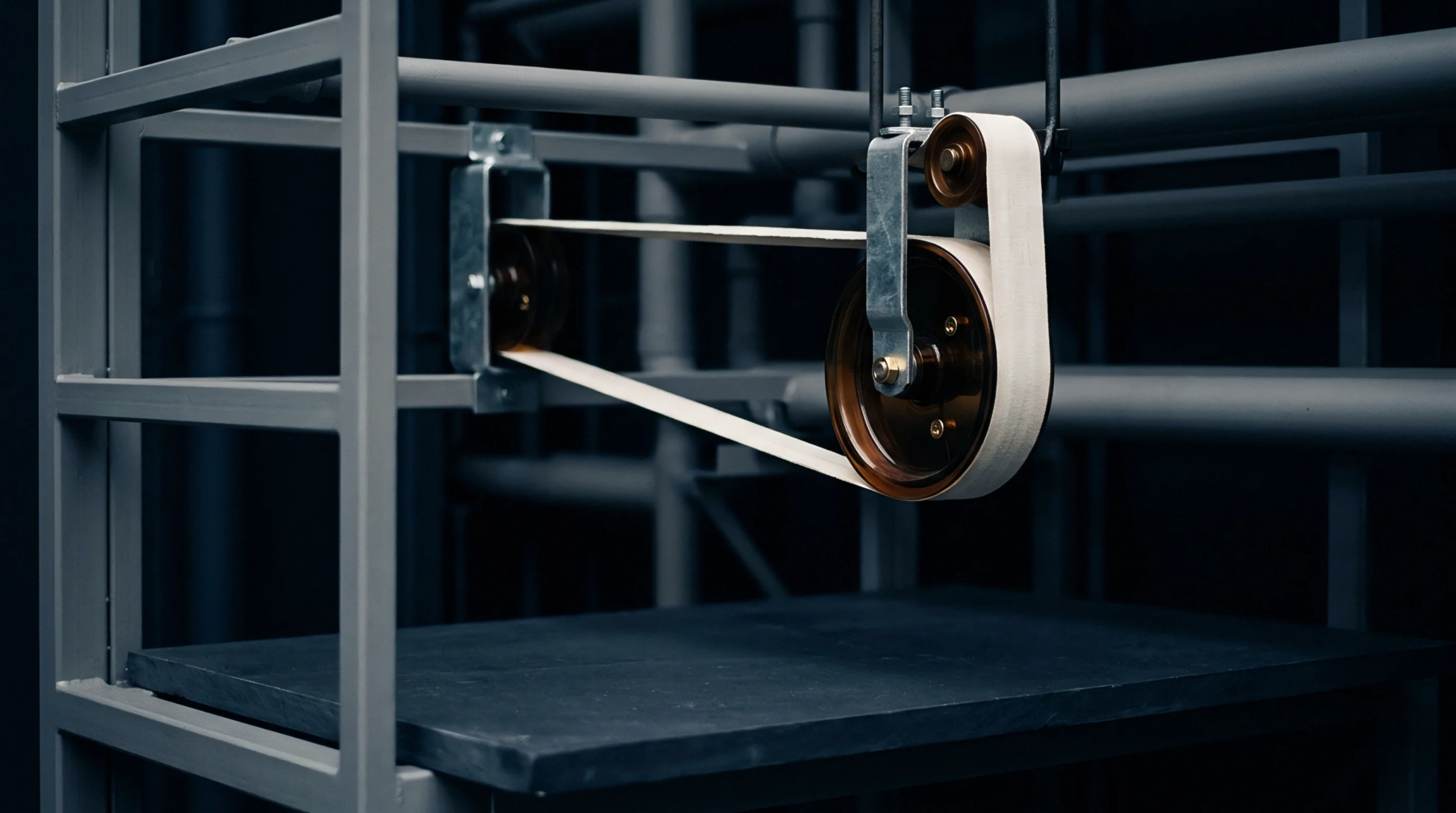
Pneumatic Energy Consumption versus Mechanical Stoppage Rate Tradeoffs in Industrial Linen Air Jet Weaving
Throttling air jet pressure below 0.54 MPa on linen weft cuts compressor load but spikes stoppage rates, raising net weaving cost per metre.
Throttling air jet pressure below 0.54 MPa on linen weft cuts compressor load but spikes stoppage rates, raising net weaving cost per metre.

Optimizing profile reed depth and relay nozzle timing reduces air-jet pressure drops and drag stops when weaving high hairiness bast fiber warps.
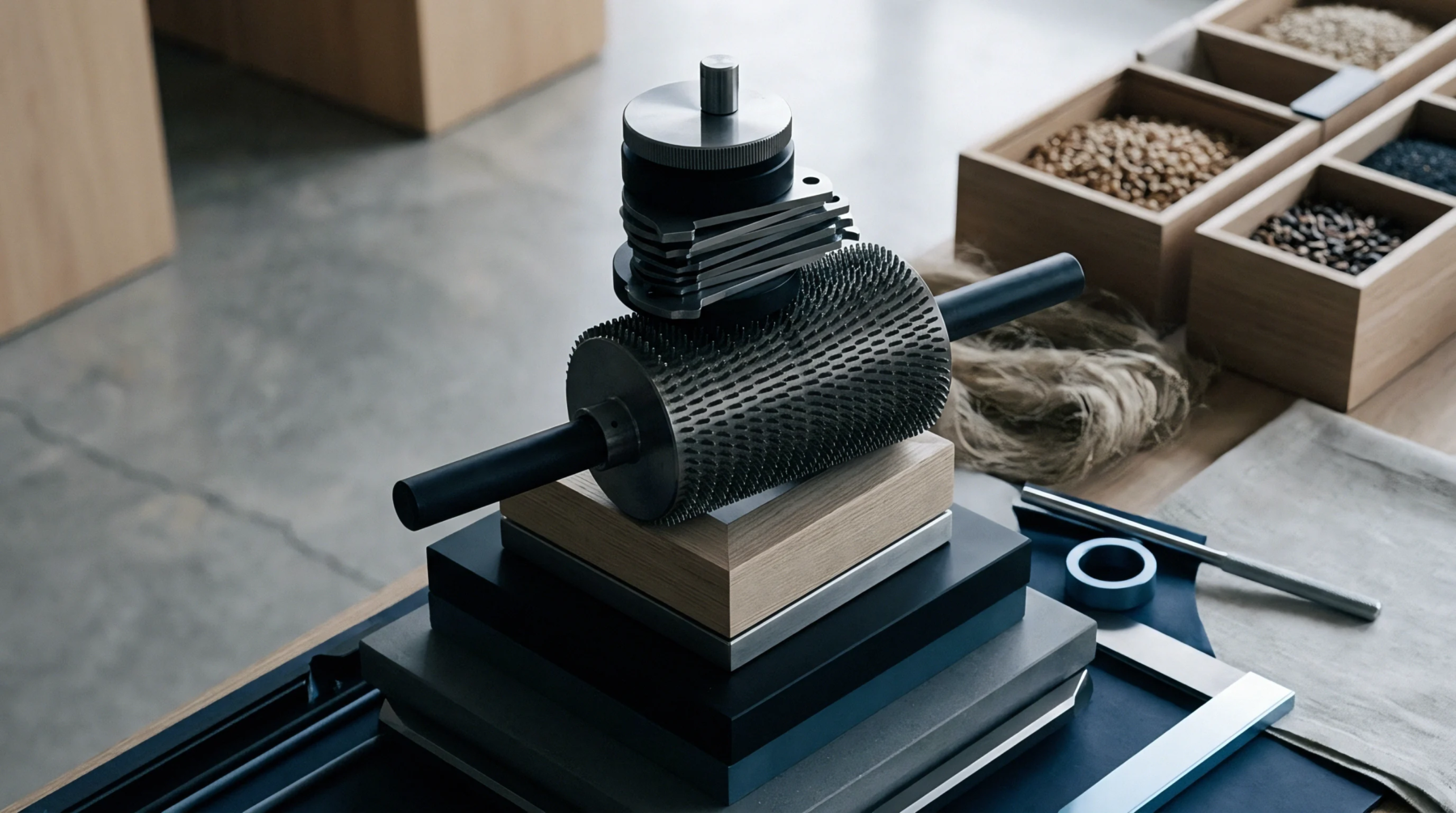
Controlled pectin extraction and asymmetric shed tuning enable stable air-jet linen weaving at 700 picks per minute while reducing landed fabric cost.

Optimizing air jet linen shedding requires asymmetric harness levelling at 26 millimetres to balance relay nozzle clearance with tension limits.
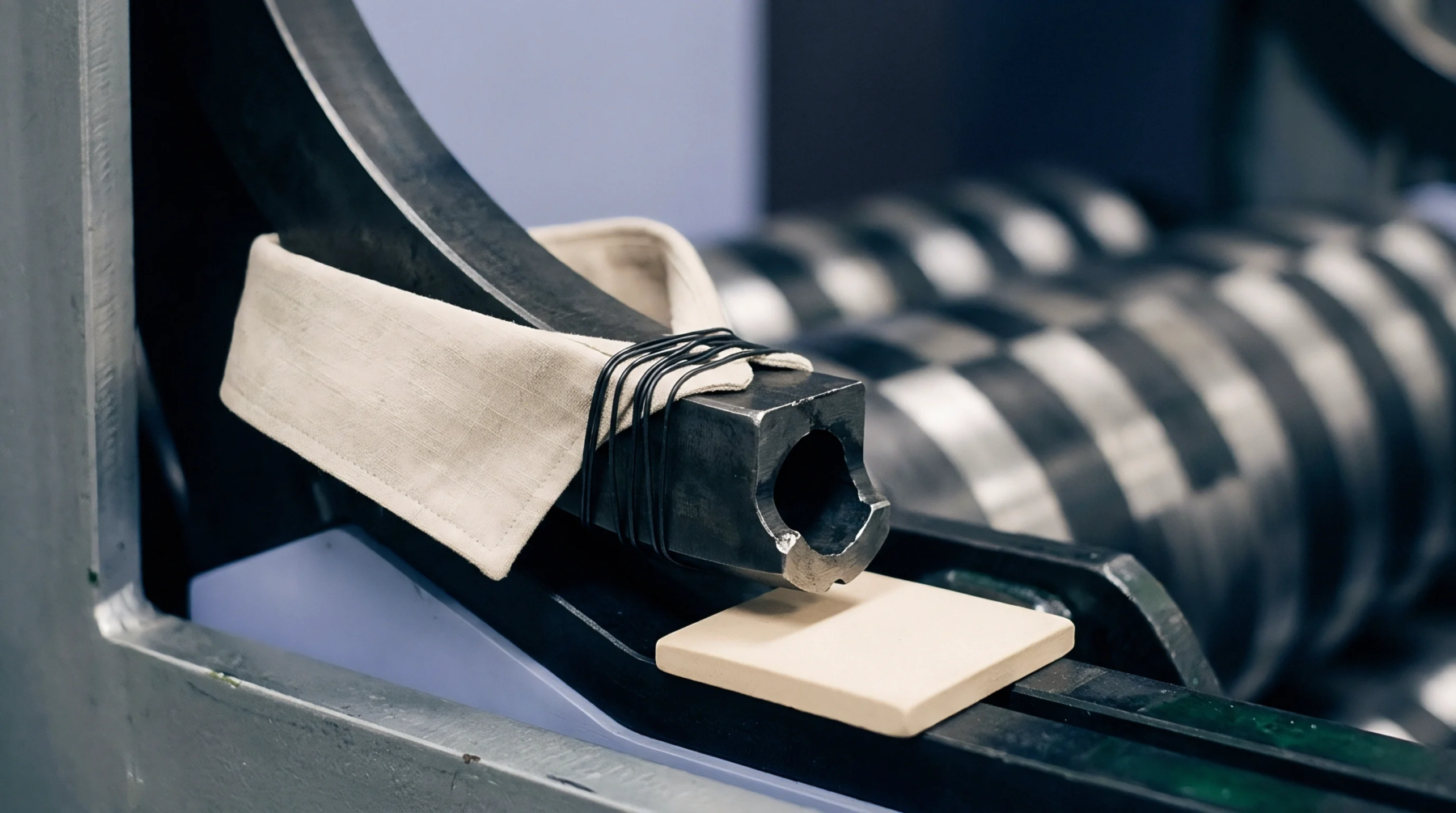
Air jet weaving of fine linen requires active back rest dampening and controlled sizing to hold dynamic tension peaks below yarn elastic limits.
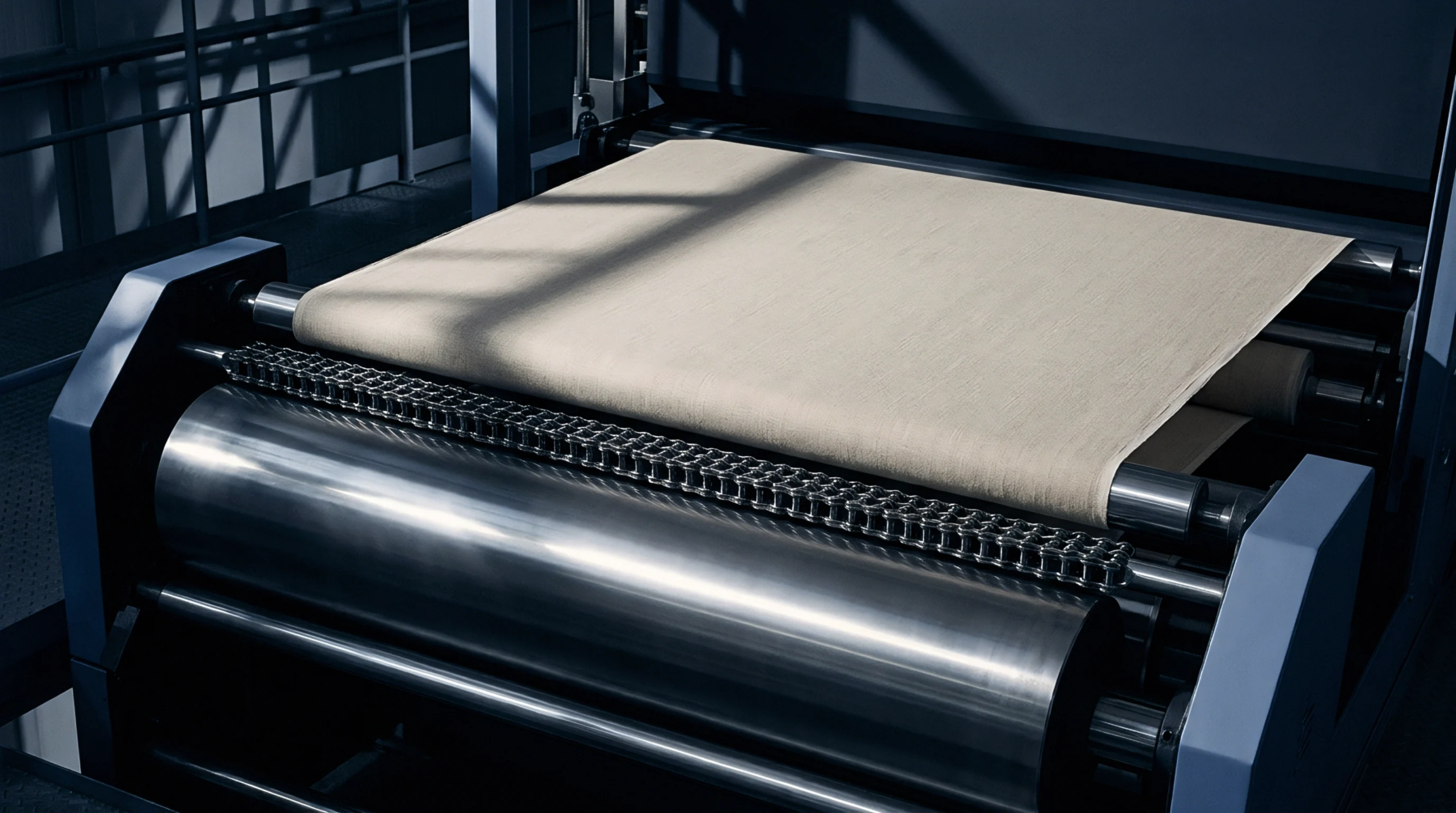
Wide air-jet linen weaving requires synchronized relay nozzle pressures and precise temple pin geometry to stop edge tension drift and edge damage.

Optimizing fine bast warp sizing with PVA acrylic blends and gentle rapier kinematics lowers loom stoppages below 1.5 breaks per 100,000 picks.
Expertise is a utility, not a secret. sentiention™ publishes its working knowledge as open reference: intelligence layer covering the materials it sources, the markets it enters, and the reference that serves both.