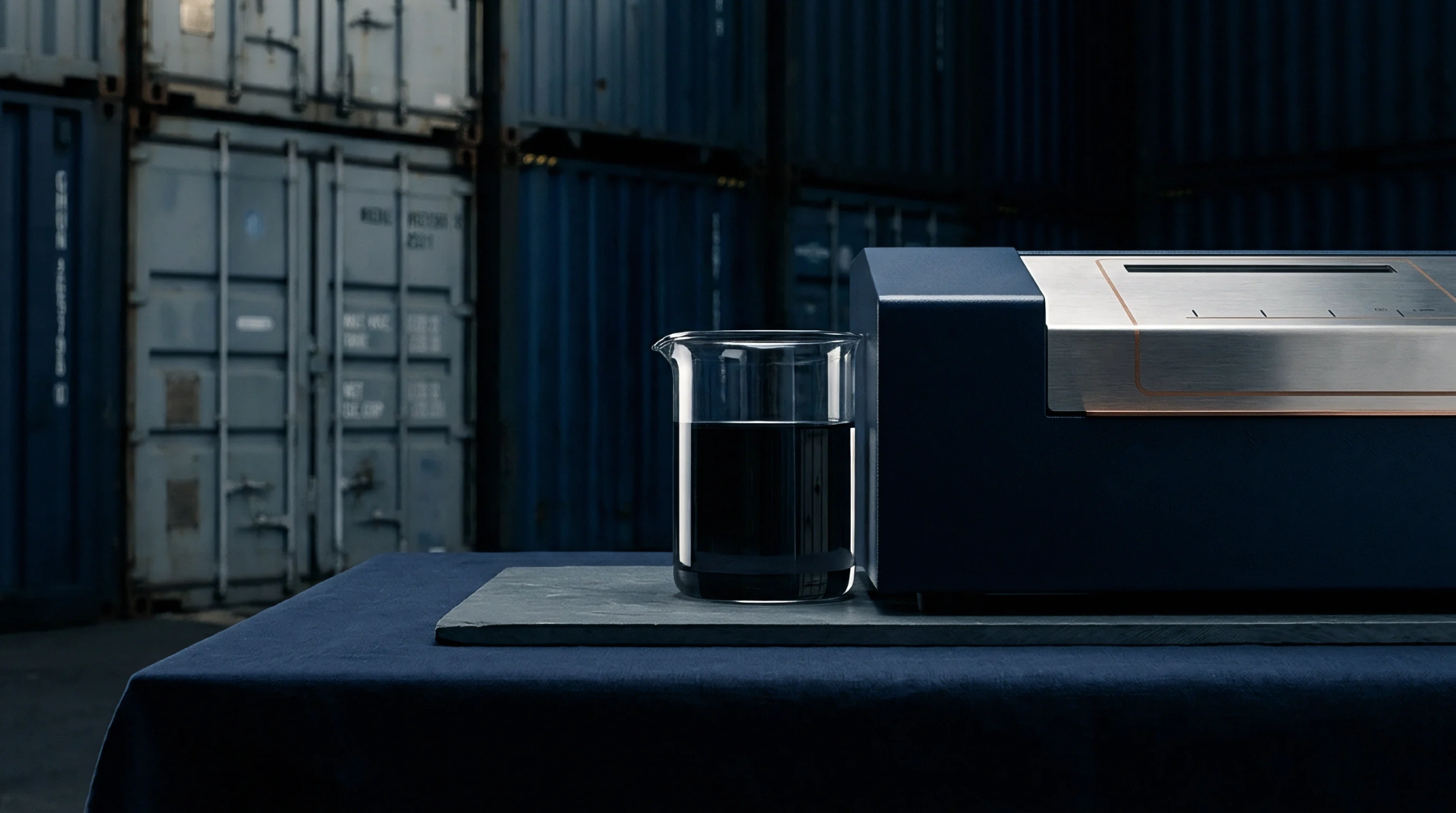
Fiber Dissolution
Laboratory isolation of the structural polymer from flax stems provides the baseline material required for isotopic and chemical testing. This procedure, termed cellulose extraction, removes non-cellulosic components including lignin, hemicellulose and pectin from the fiber bundle. The resulting purified material enables accurate characterization of the plant’s growth environment.
Standardized extraction ensures that the subsequent analytical measurements reflect only the structural core of the linen.
Laboratory Method
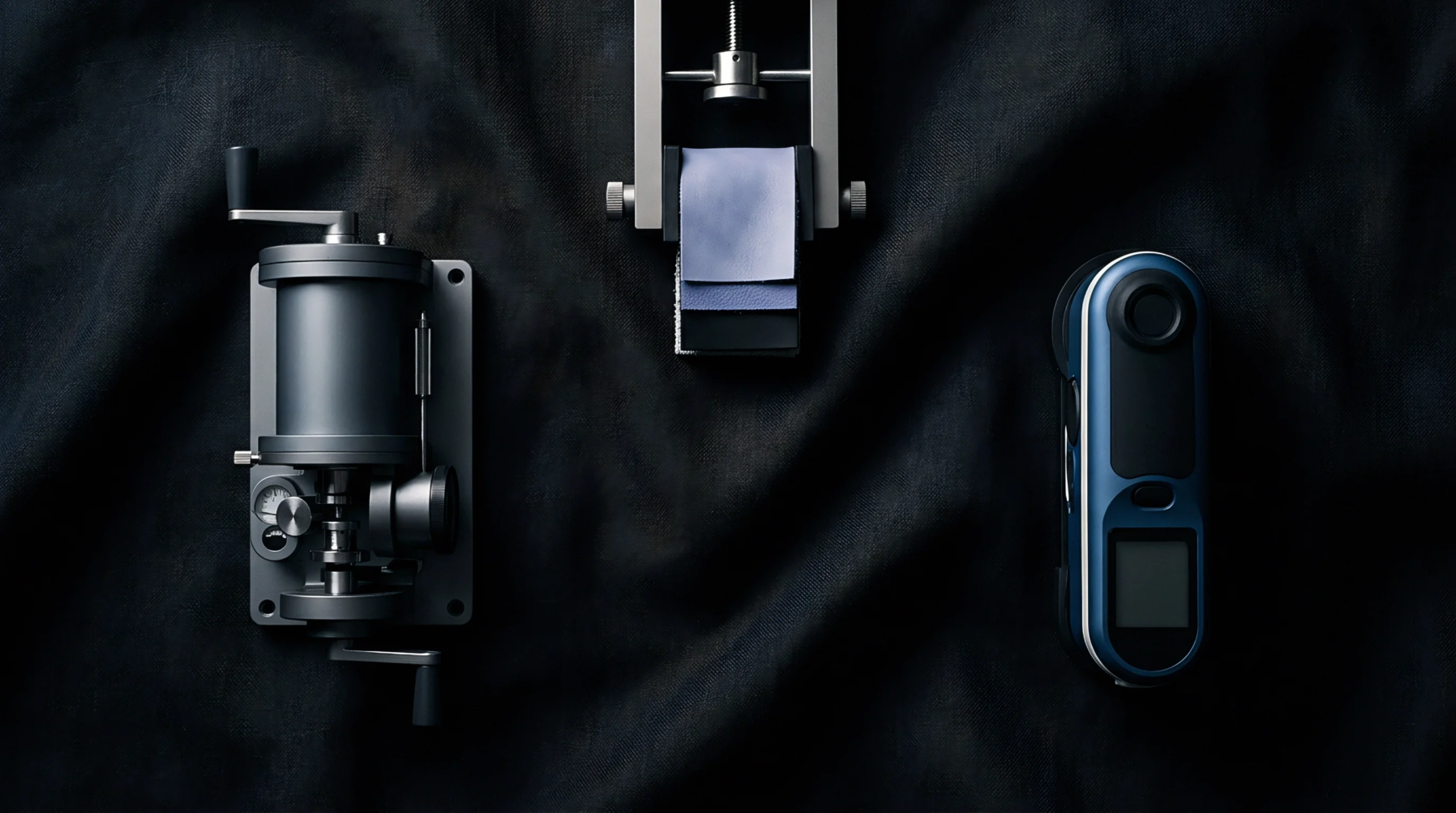
Processing begins with the boiling of raw flax fibers in an alkaline solution to strip away the protective waxes and pectins. This initial treatment is followed by a sodium chlorite bath under acidic conditions to dissolve the lignin matrix. Researchers then rinse the residue with distilled water and dry it to a constant weight.
In spinning mills, this laboratory method allows technicians to isolate pure cellulose from yarn batches to verify that the fiber has not been adulterated with synthetic polymers or lower-grade bast fibers during the carding stage. The isolated polymer is then ready for stable isotope ratio mass spectrometry, which determines the geographical origin of the flax based on the carbon and oxygen isotope ratios locked within the glucose rings. This step is essential for verifying organic certifications.
Purity Metric
Gravimetric analysis of the remaining dry mass determines the efficiency of the isolation process. This quantitative yield provides a measure of the structural integrity of the flax batch under examination. Higher recovery rates indicate that the source flax has undergone proper retting without suffering from microbial over-degradation in the field.
When extraction yields fall below standard baselines, the fiber often exhibits poor tensile strength during the subsequent spinning process.