Fibre Classification
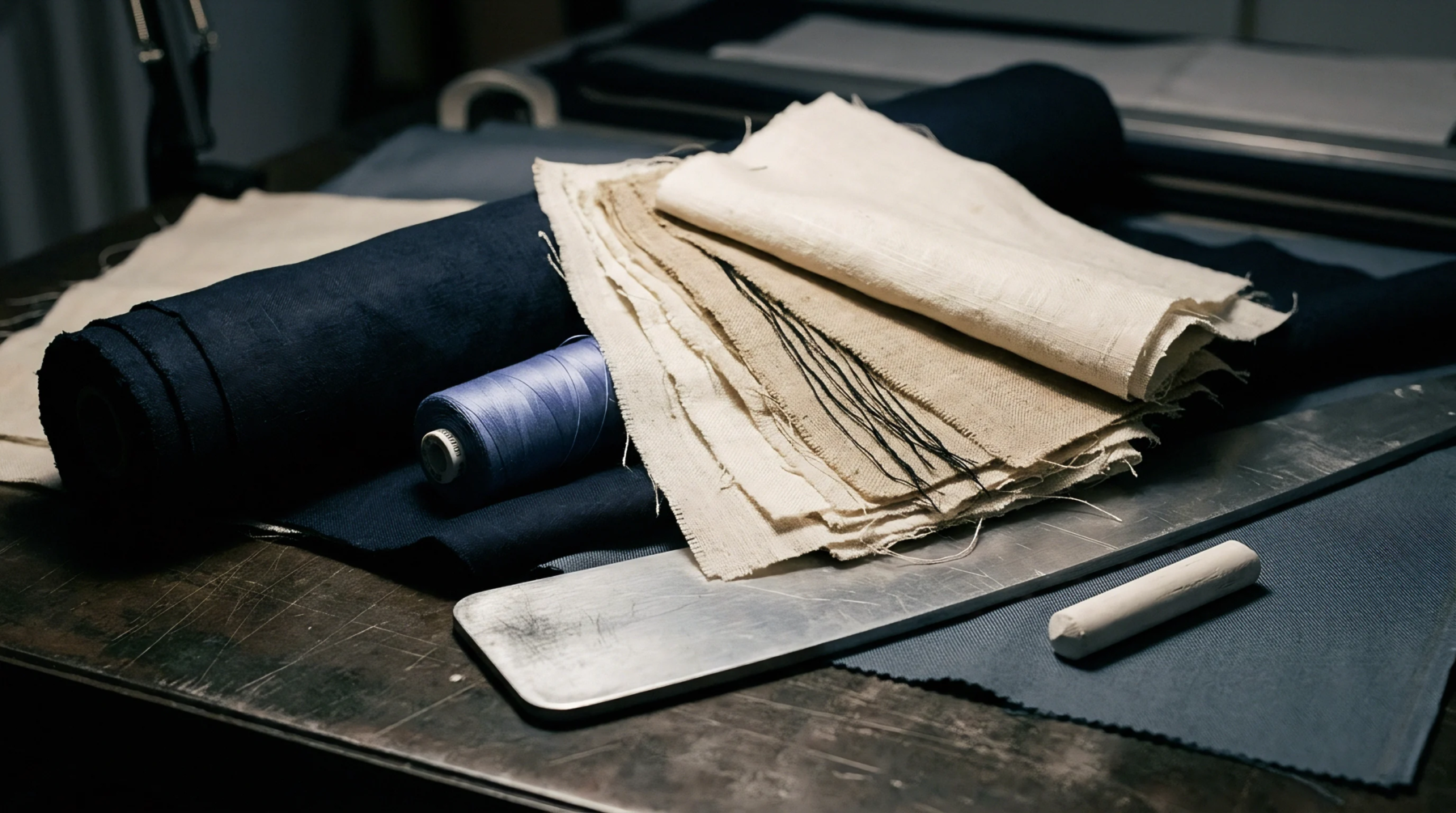
Physical evaluation protocols determine the quality of flax stalks processed into long fibre strands. Line flax grading categorizes these batches based on length, fineness, and colour consistency to ensure uniformity in spinning operations. Mill operators inspect raw bundles at the arrival stage before mechanical hackling begins to remove short fibres.
Precise separation allows producers to group consistent material, which prevents uneven drafting during the production of high-count linen yarns.
Quality Threshold
Contractual agreements define specific parameters that differentiate acceptable raw material from rejected lots. Buyers maintain internal standards that distinguish fibre grade from the subsequent fabric grade measured after weaving. Acceptance criteria focus on impurity content and tensile strength, while final cloth assessment evaluates finish and weave density.
Mills apply strict thresholds to minimize waste during the spinning phase, as variance in the base fibre directly impacts the durability of finished textiles.
Acceptance Mechanism
Technical staff perform manual sorting to verify that the harvested stalks meet the stated output requirements for industrial textile machinery. Experienced graders identify variations in the maturity of the plant by feeling the texture and observing the lustre of the stem bundles. These inspectors document the findings in a production record that travels with the batch throughout the plant.
Standardized assessment minimizes the risk of machine downtime by confirming the raw material matches the performance needs of the specific yarn count. Accurate physical classification reduces the frequency of breaks in the high-speed spinning frames.