Weaving Element Aperture
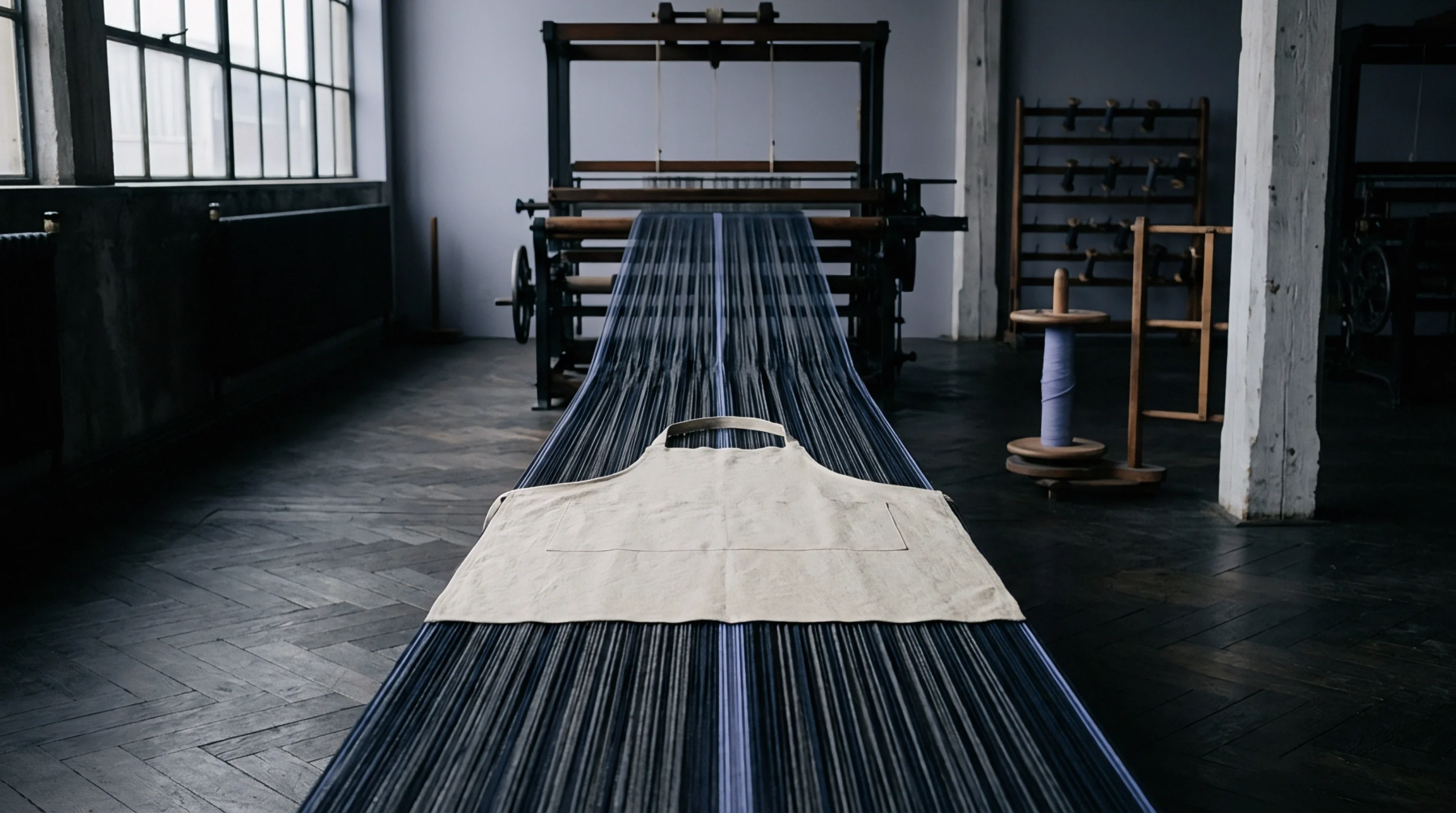
Spatial openings formed between adjacent flat steel wires on a loom reed guide parallel warp ends into the weaving shed. The reed dent controls the lateral distribution of the warp sheet while establishing the primary physical warp density across the cloth fell. During the weaving cycle, the reed moves forward to beat each newly inserted filling yarn into the woven cloth line, and the individual dent keeps the threads evenly spaced to prevent friction, entanglements and cluster breakage.
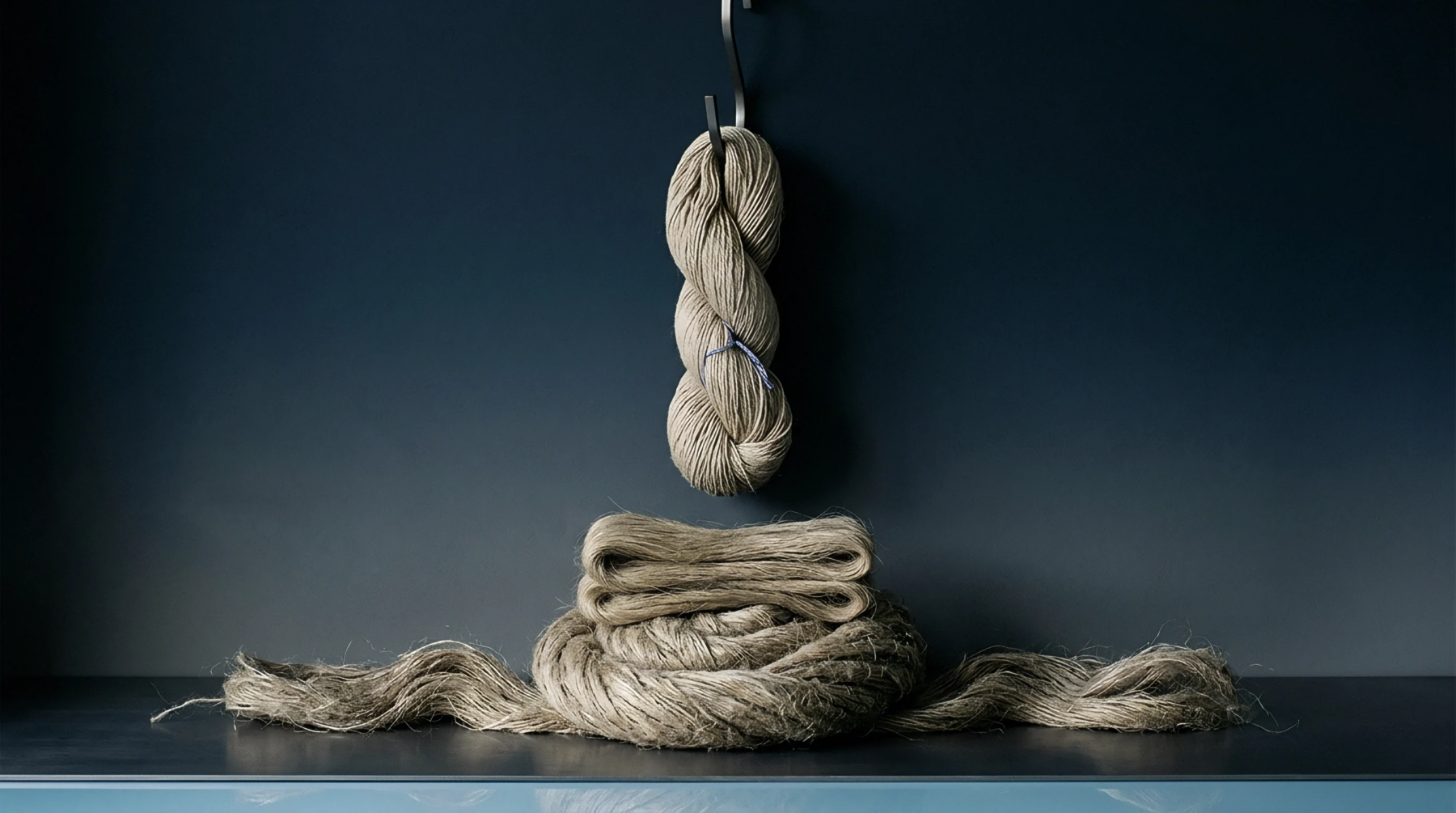
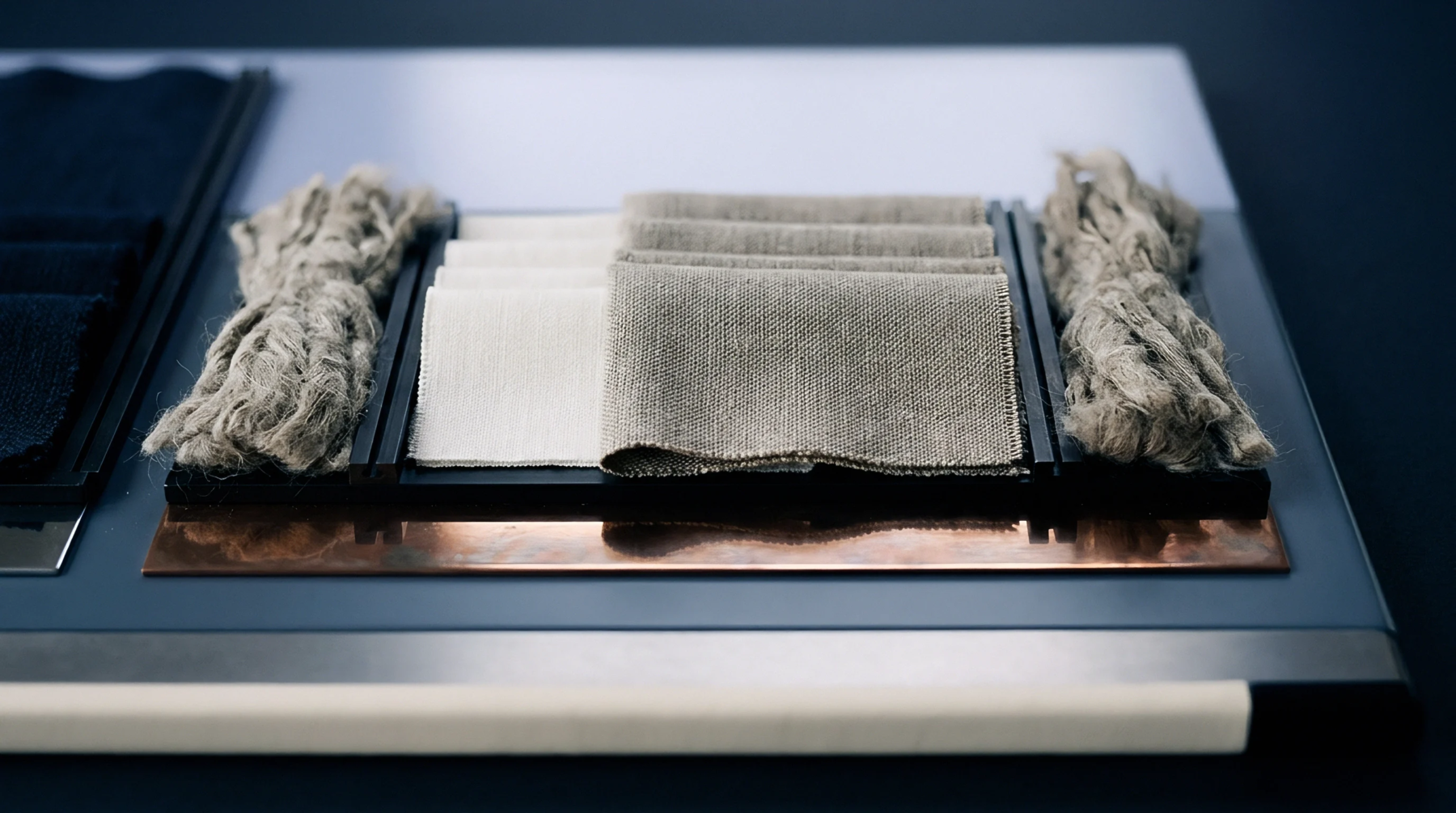
In linen manufacturing, the dimensional tolerance of each dent proves critical because coarse, irregular bast yarns with frequent slubs require adequate clearance to pass without abrading adjacent filaments. Dent count classifications determine the number of spaces available per inch or per centimetre across the active width. The term covers only the physical clear aperture between two parallel metal blades, ending where the wire meets the protective top and bottom structural balks.
Yarn Clearance Dynamics
Warp ends thread through each dent as singles, pairs or triples depending on the target warp density and weave structure of the fabric design. Linen singles require carefully polished stainless steel dent wires to avoid abrading external fibrils, which otherwise generate hairiness and shedding behind the reed. Sizing agents applied to the flax warp increase yarn stiffness, demanding that the dent opening width exceed the nominal yarn diameter by a defined safety margin to prevent snagging during high-speed shedding.
If slubs or yarn knots enter an undersized dent, the abrupt mechanical restriction fractures the brittle bast fibres, causing loom stops and warp breaks.
Loom Setup Specification
Machine setup cards explicitly declare the selected reed number alongside the threading draw plan per dent. Weaving technicians verify dent alignment with optical gauges prior to tying in new beams, checking for bent, nicked or burred wires that could cause linear reed marks in finished textiles. Quality documentation logs reed specifications to ensure repeatable pick densities across consecutive manufacturing lots.
Uneven dent spacing directly degrades fabric appearance, producing vertical tracking lines that remain visible even after extensive piece dyeing and wet finishing. Reed dent selection determines the mechanical clearance envelope for running yarns across the active weaving shed.