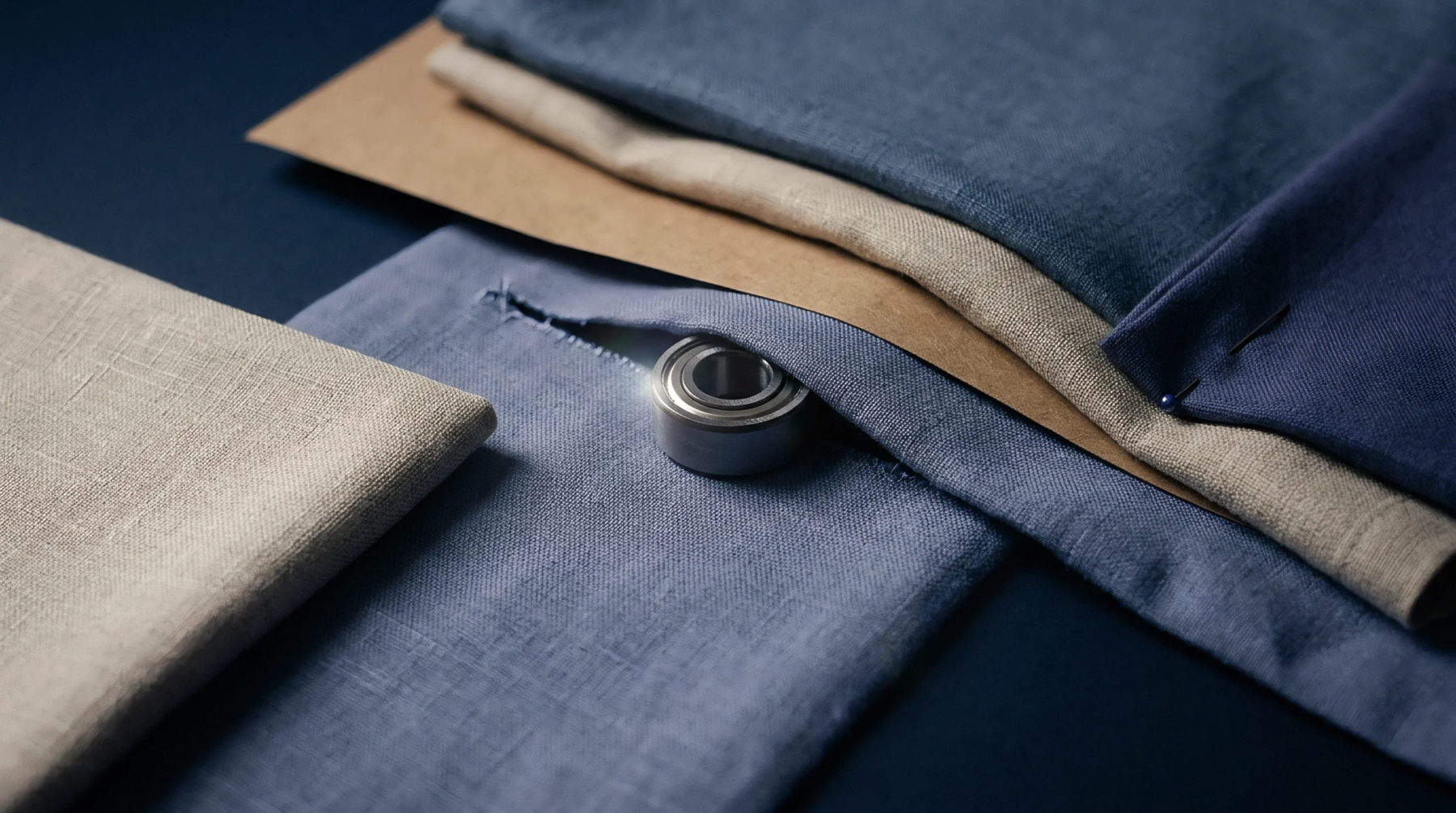
Inter-Yarn Friction Modulation and Crimp Balance Tuning in High-Density Weaving
Tuning inter-yarn friction via boundary size lubricants and adjusting backrest elevation shifts crimp to the weft, enabling maximum pick density without loom stops.
Tuning inter-yarn friction via boundary size lubricants and adjusting backrest elevation shifts crimp to the weft, enabling maximum pick density without loom stops.
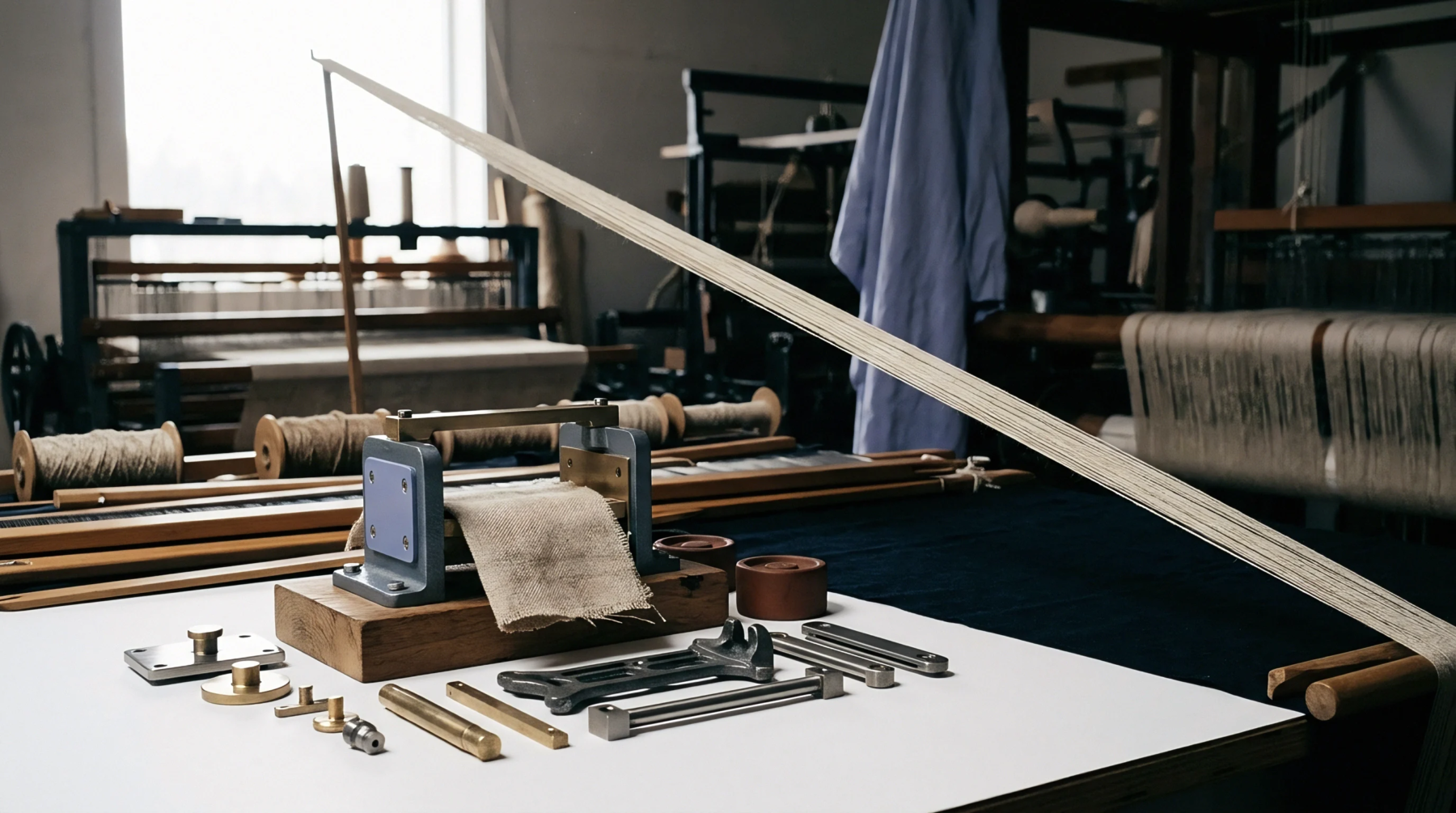
High-density flax weaving requires precise active warp tension control, asymmetric shedding, and 10 percent size add-on to prevent peak load breaks.

Optimizing air jet linen shedding requires asymmetric harness levelling at 26 millimetres to balance relay nozzle clearance with tension limits.
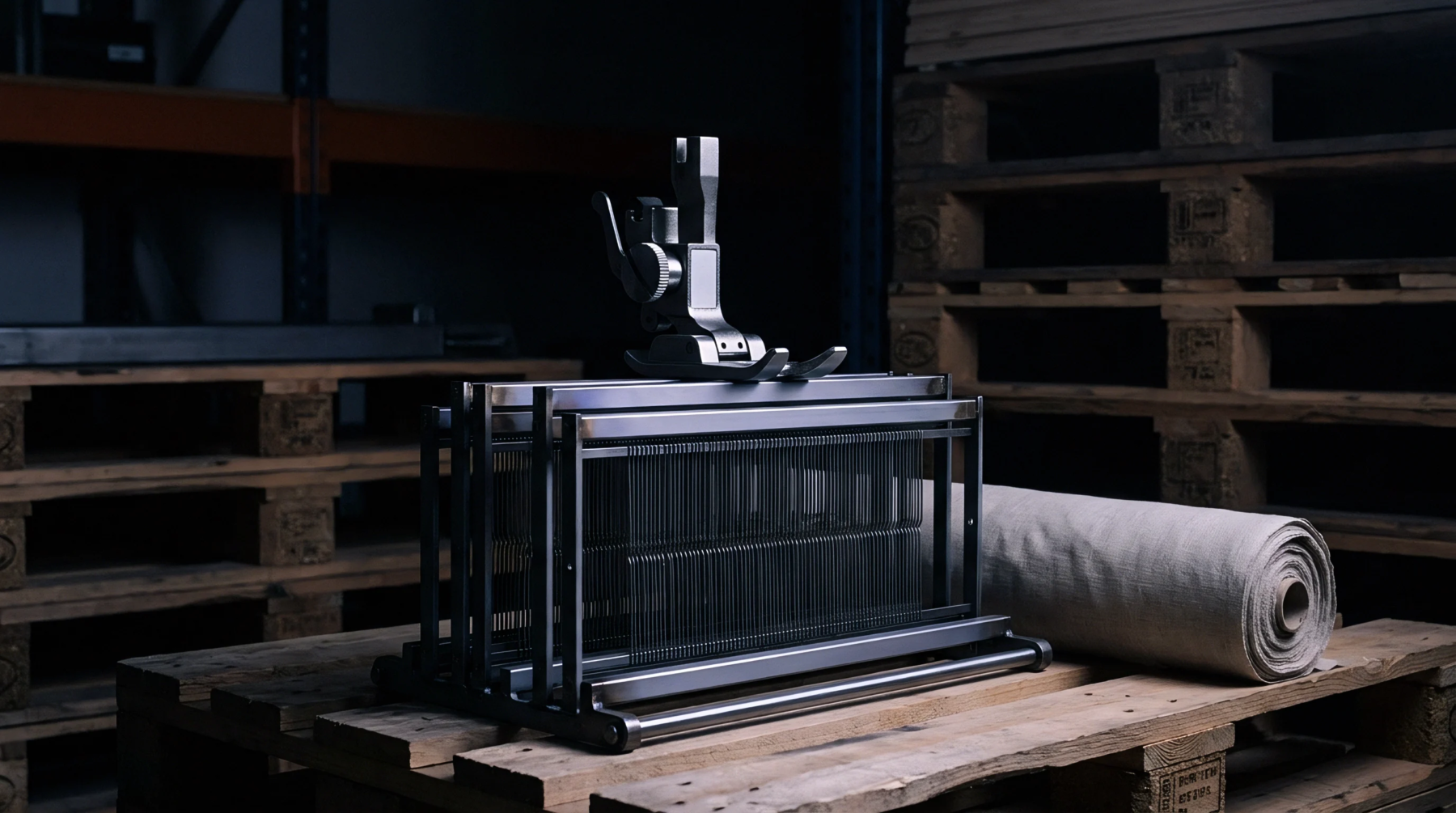
Optimize high density linen weaving by expanding harness leaves to minimize heald crowding and selecting reed counts that preserve open air space above forty percent.

Calibrating warp end density within cover factor limits and aligning loom shed geometry prevents thread chafing, maintains loom efficiency, and controls metre cost.

Asymmetric high-tension shedding accelerates viscoelastic creep and microfibrillar fatigue in linen warp yarns, demanding precise dwell and stagger tuning to control breakage rates and fabric crimp imbalance.
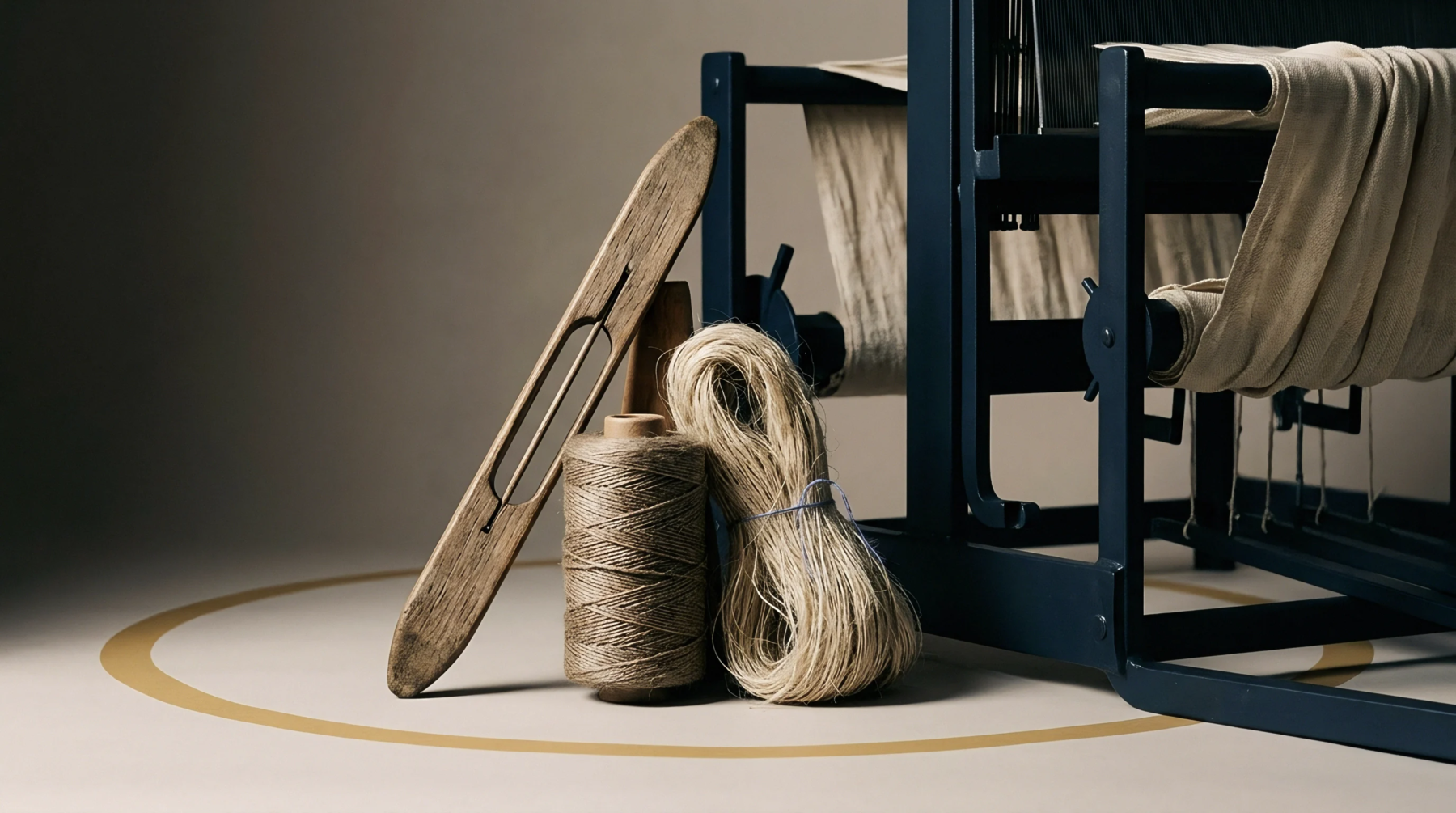
Optimizing modified starch PVA acrylic sizing formulations combined with staggered early shedding suppresses friction spikes and stabilizes fine wet spun linen warps.
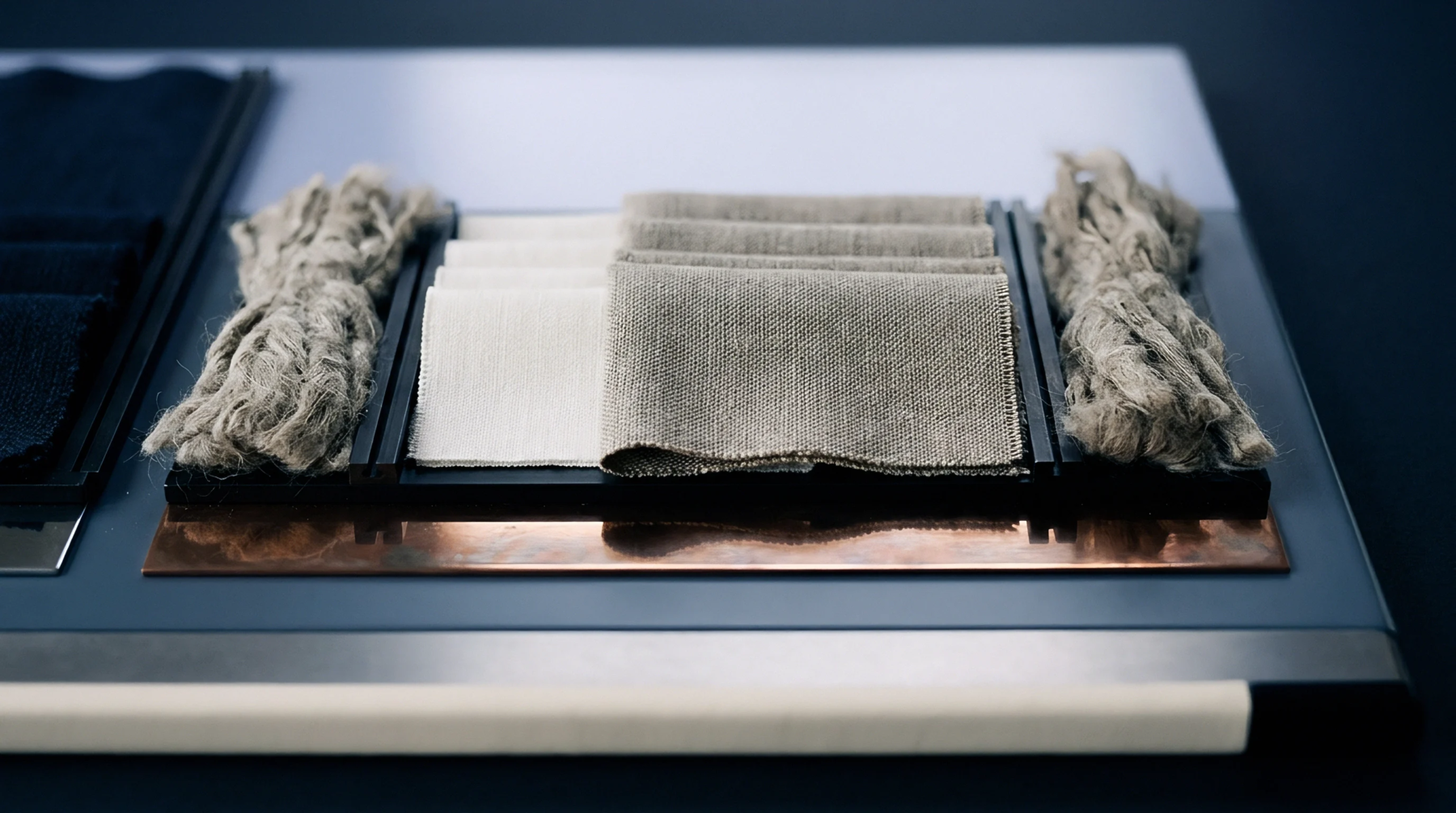
Cyclic shedding strain in high-density ultrafine linen warps causes inter-fiber shear micro-fibrillation, controlled by optimized PVA sizing and low shed angle.
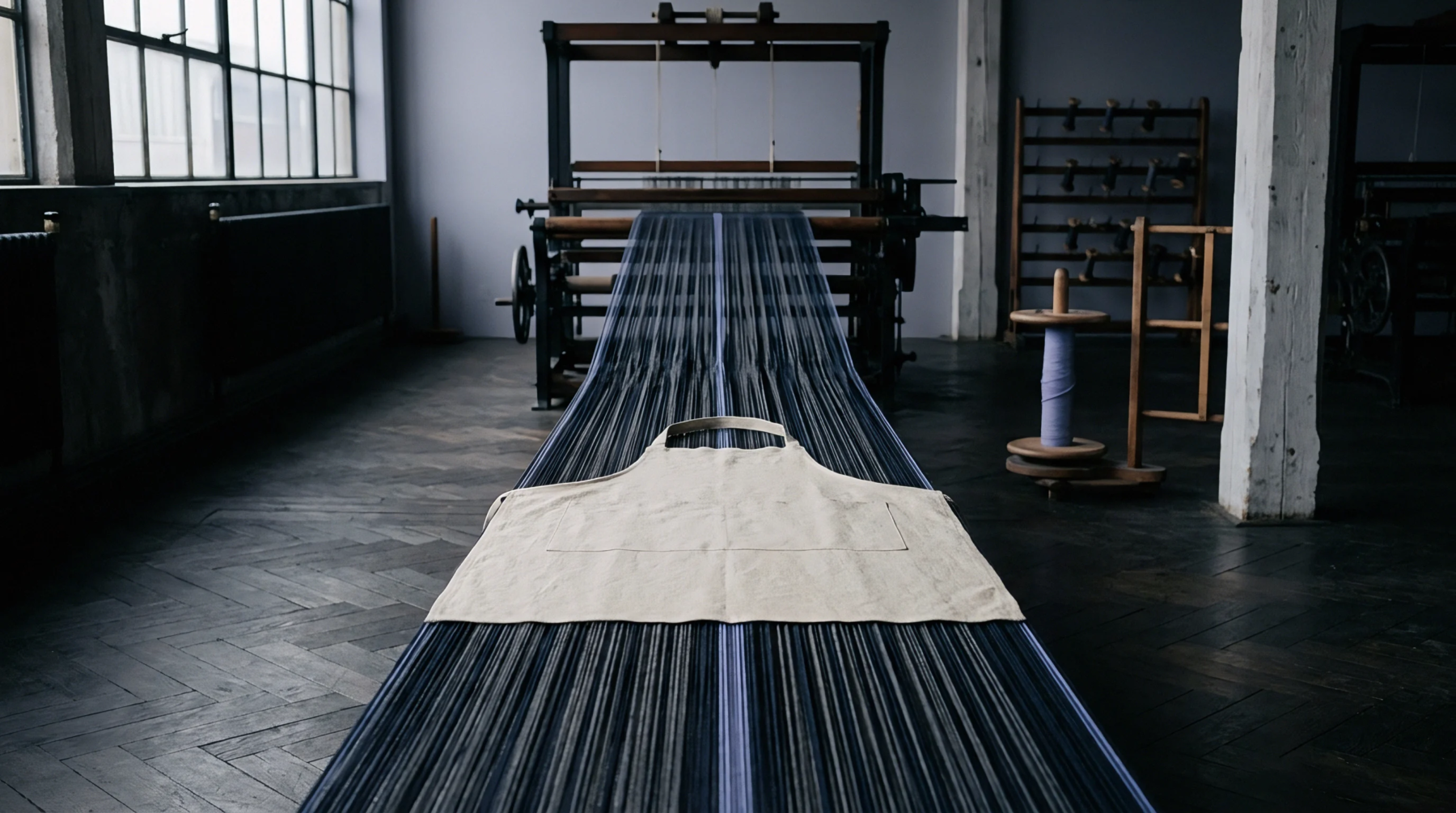
Adjusting rear shed depth and backrest symmetry flattens peak shedding tension spikes below yarn failure limits, drastically improving high-density linen loom efficiency.
Expertise is a utility, not a secret. sentiention™ publishes its working knowledge as open reference: intelligence layer covering the materials it sources, the markets it enters, and the reference that serves both.