
Flax Yarn Hygroscopic Radial Swelling in High Density Warps
High density flax warps require controlled shed relative humidity below seventy percent to limit yarn swelling and prevent mechanical beat-up stops.
High density flax warps require controlled shed relative humidity below seventy percent to limit yarn swelling and prevent mechanical beat-up stops.
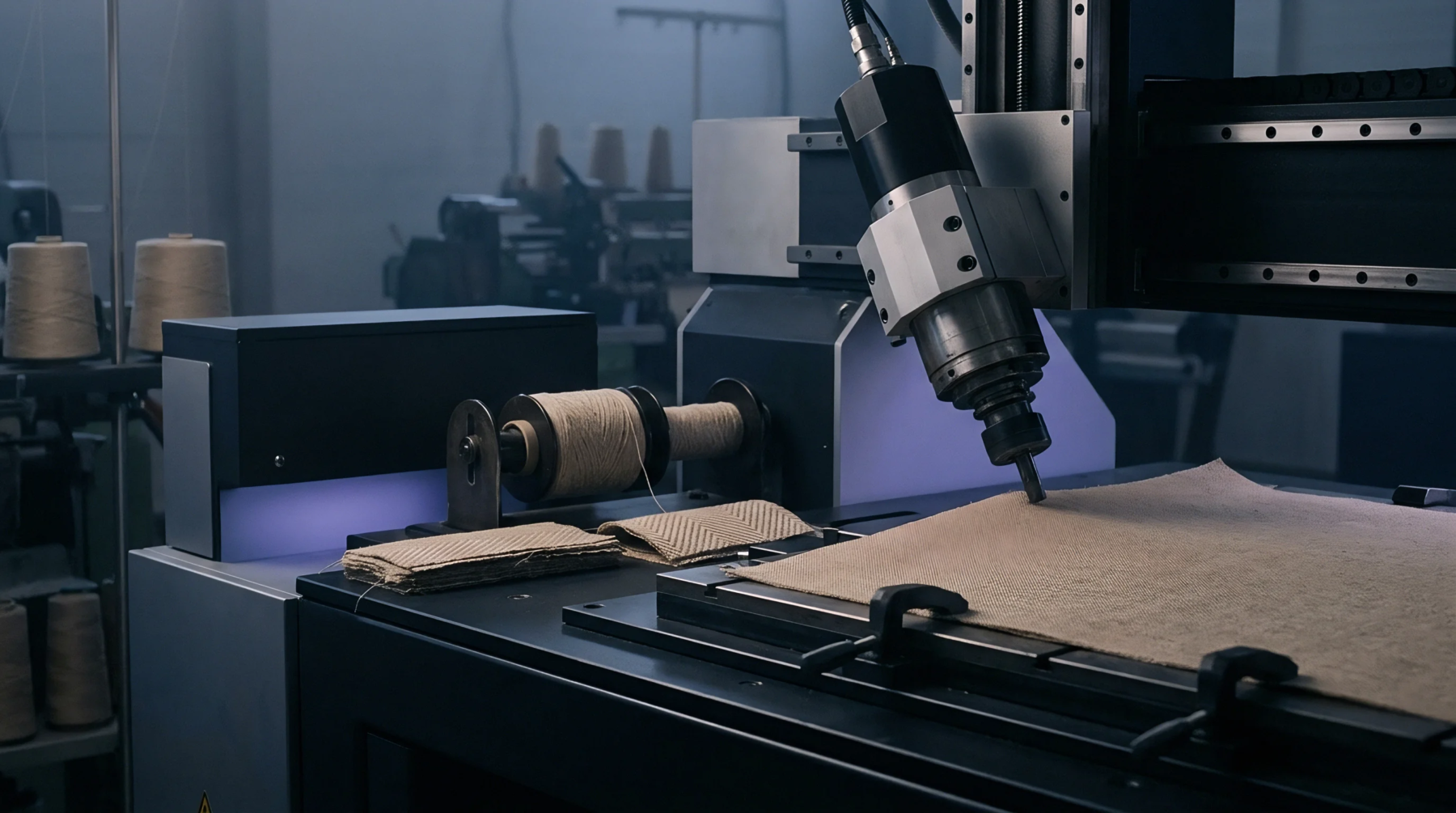
Dynamic acoustic wave velocity metrics predict high-speed weft break frequencies in wet-spun flax by identifying localized stress wave superposition points.
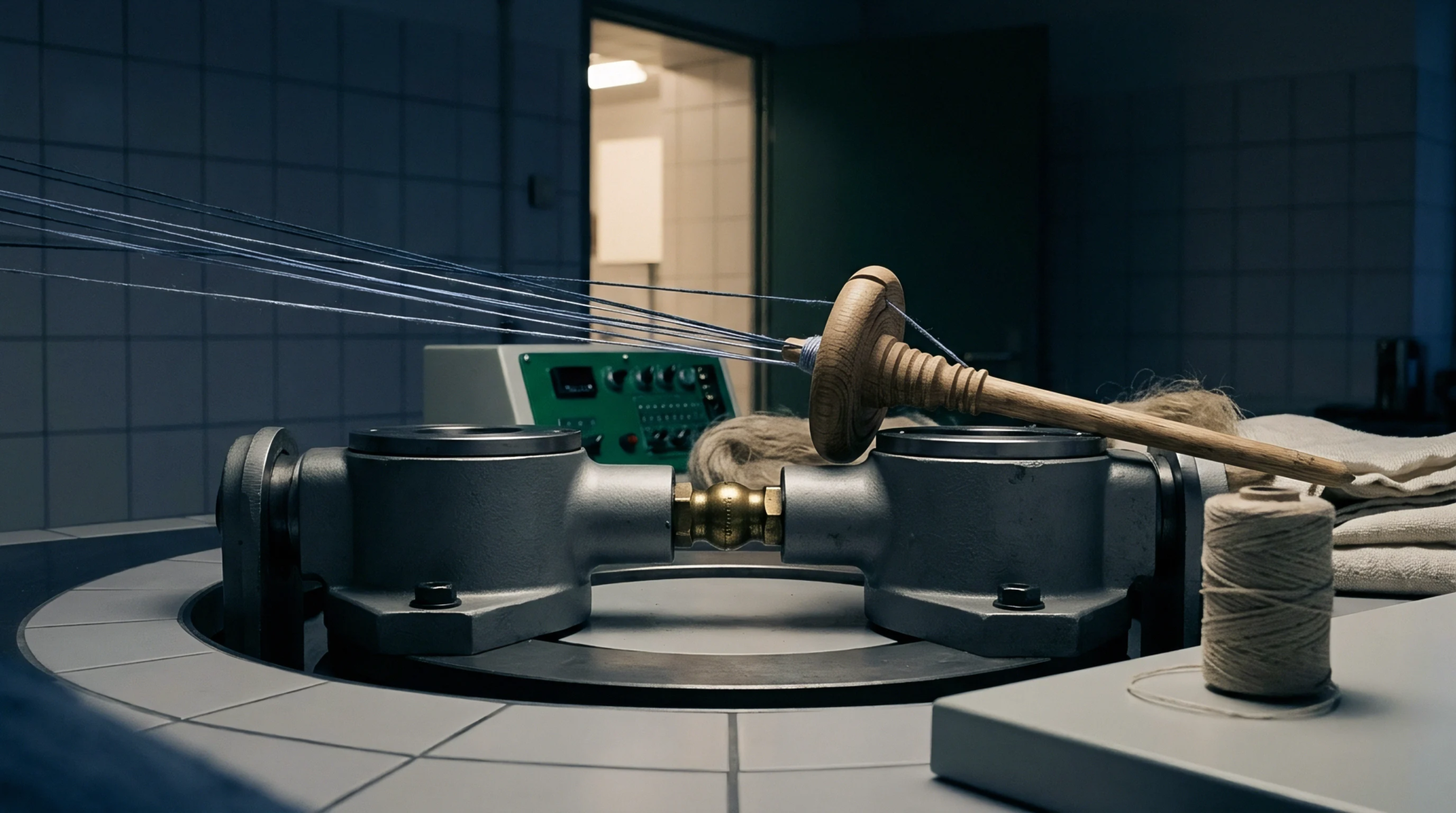
Dynamic tension control and precise advance relay nozzle blowing prevent shed cling and insertion failures in dense linen air-jet weaving.

Adjusting backrest height and shed crossover timing reduces peak tension spikes, directly lowering warp end break rates on high-speed looms.

Grounding linen warp stop baselines requires linking wet-spun sizing encapsulation and asymmetric shed geometry to hold stops between 2.0 and 4.0 per 100k picks.
Coupled thermal expansion and viscoelastic creep in jacquard suspension lines drop heddle eyes up to 5 millimeters, requiring cold-rigging elevation offsets.
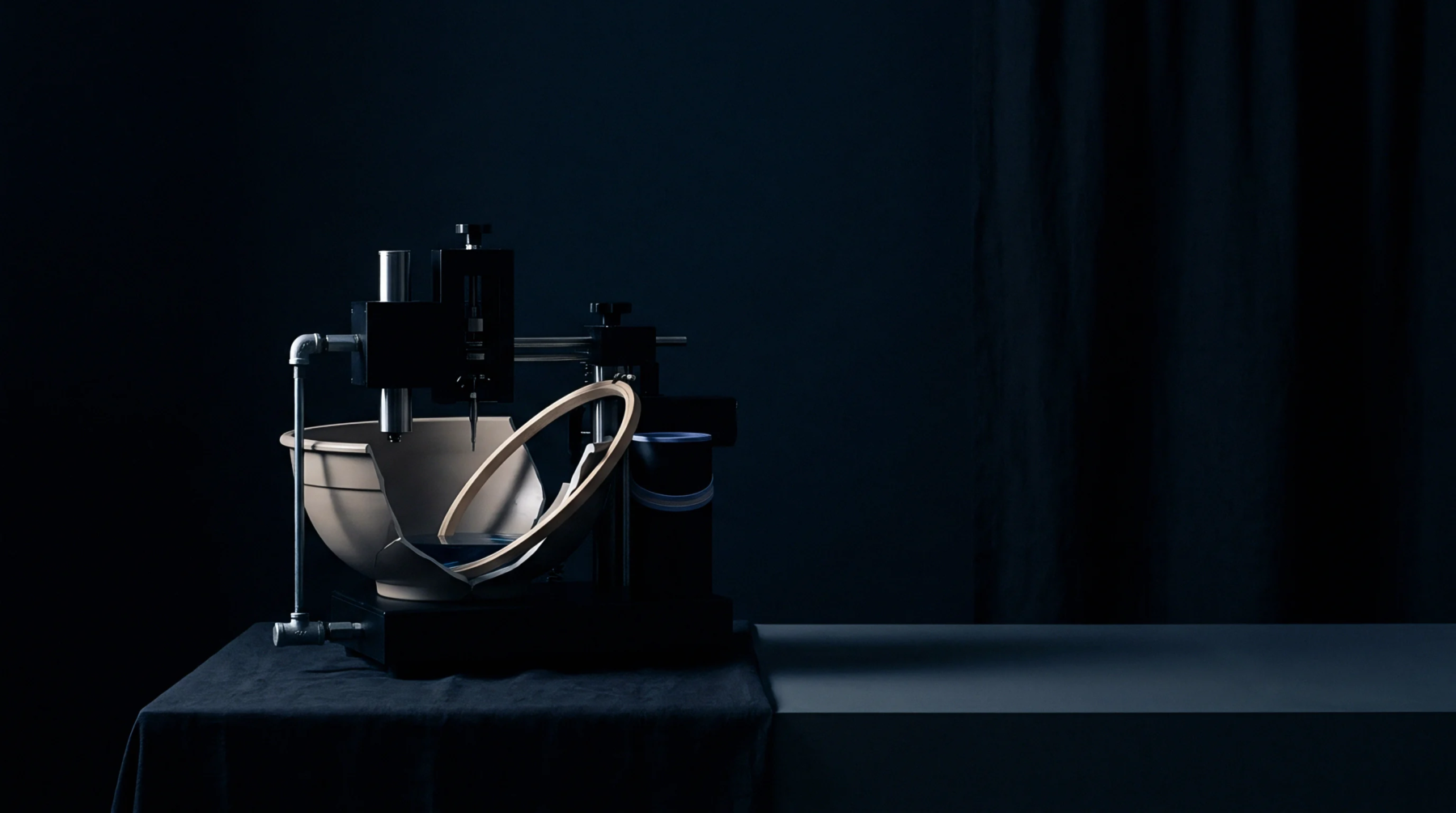
Optimal greige cloth inspection requires a 45-60 degree bed tilt, 1500-2100 lux illumination, and closed-loop tension to enforce ASTM D5430 grading standards.

Cross-sectional microtomy with differential chemical staining measures sizing penetration depth, balancing core cohesion against surface film thickness to prevent high-speed loom stops.
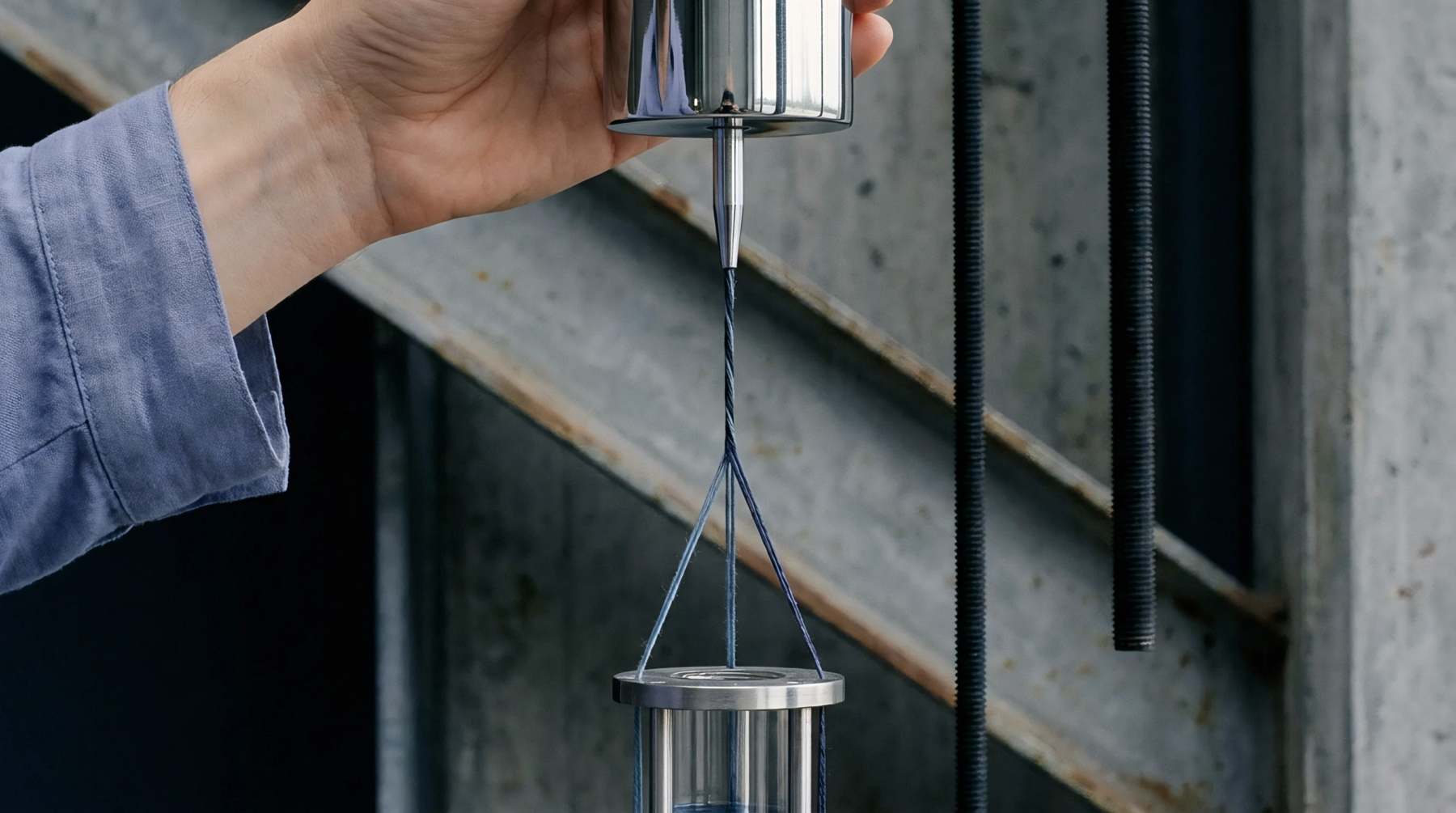
Viscoelastic size film failure under high frequency air jet shedding stems from dynamic glass transition shift and energy dissipation limits.
Expertise is a utility, not a secret. sentiention™ publishes its working knowledge as open reference: intelligence layer covering the materials it sources, the markets it enters, and the reference that serves both.