Mechanism Tuning
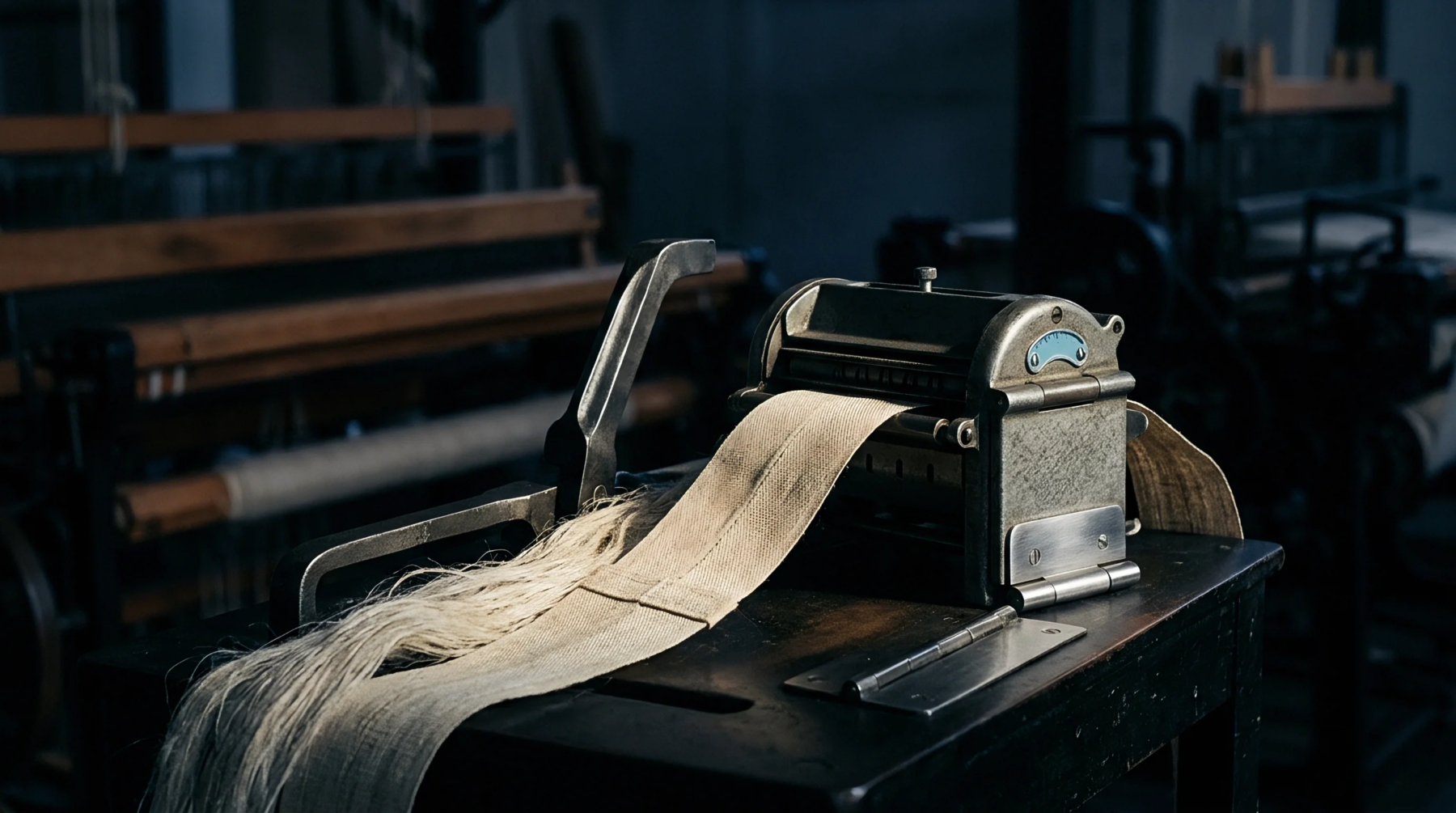
The precise calibration of rapier loom mechanics dictates the velocity and timing of the flexible steel tapes that transfer flax yarn across the shed during industrial cloth formation. Mechanical synchronization governs the dwell angle of the insertion head and the rotational speed of the main crankshaft. Timing deviations exceeding one degree cause yarn breakages on high-density linen warp lines.
Modern textile factories test this synchronization daily against the production log issued by the central weaving hall supervisor. Mill standards demand tighter dimensional tolerances than standard export purchase orders require for gray fabric acceptance.
Tension Control
Dynamic forces inside rapier loom mechanics fluctuate constantly as the insertion tape extends and retracts through the guide channels. Brake assemblies counteract these inertial spikes to prevent warp tension from surging past the breaking point of wet-spun linen yarn. Operators measure this mechanical resistance using strain gauges mounted directly on the whip roll frame.
Mill calibration protocols supersede buyer purchasing tolerances whenever internal machinery wear threatens yarn integrity.
Defect Analysis
Mechanical faults within rapier loom mechanics generate distinct visual flaws across the finished linen surface during the final inspection stage. Worn gripper heads leave intermittent warp streaks that technicians record in the plant quality control ledger before export packaging begins. Independent buyers apply stricter grading thresholds for surface regularity than the internal mill standard permits for standard commercial transactions.