
Scutcher Mechanical Losses and Intrinsic Tenacity Retention in Flax Processing
Calibrating scutching turbine speed and moisture regain maximizes long flax yield and preserves intrinsic bundle tenacity for traceable origin auditing.
Calibrating scutching turbine speed and moisture regain maximizes long flax yield and preserves intrinsic bundle tenacity for traceable origin auditing.
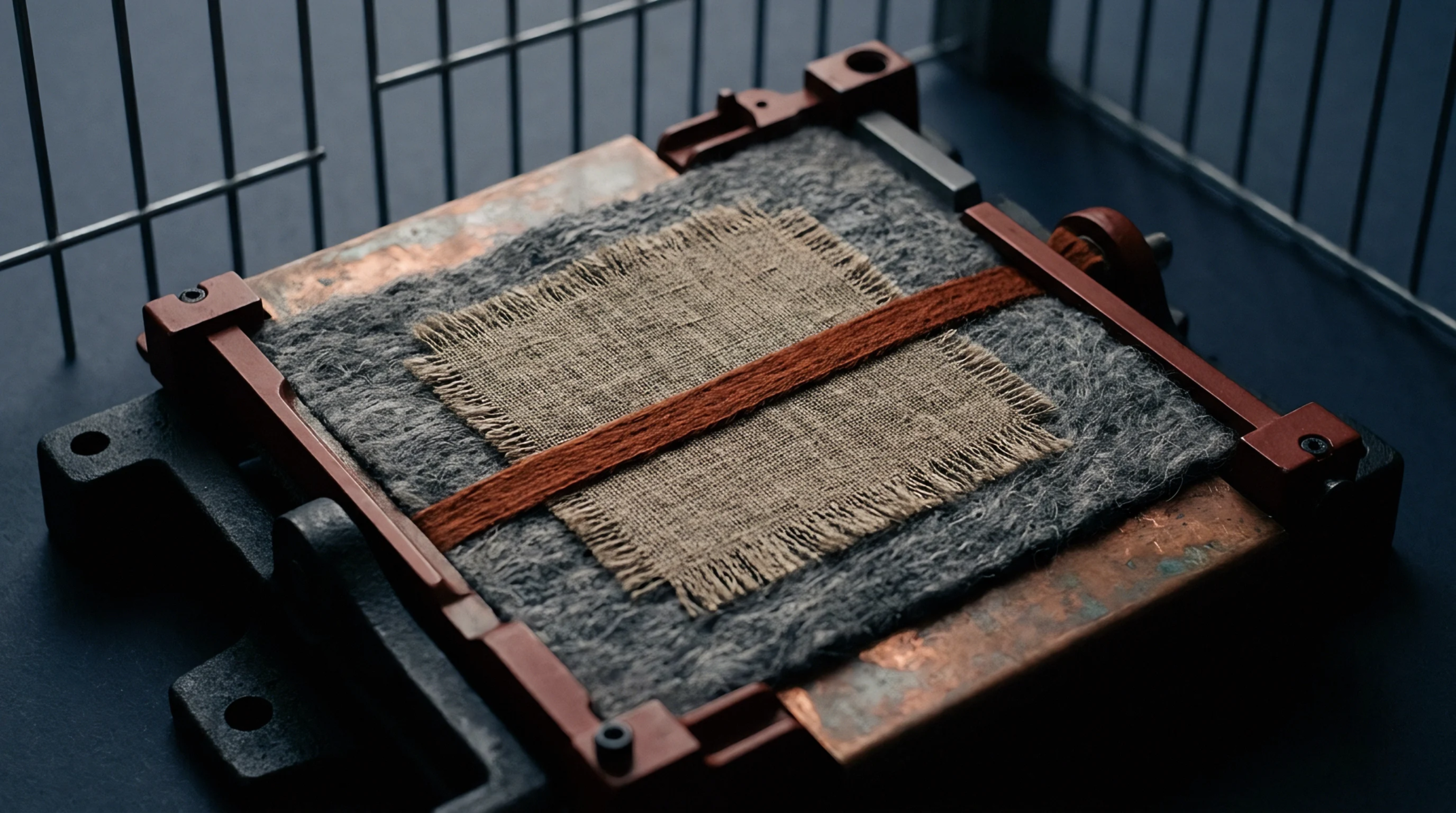
Stelometer bundle testing at 3.2 millimeter gauge length with gravimetric tex verification establishes accurate tensile tenacity limits for long staple flax purchasing.
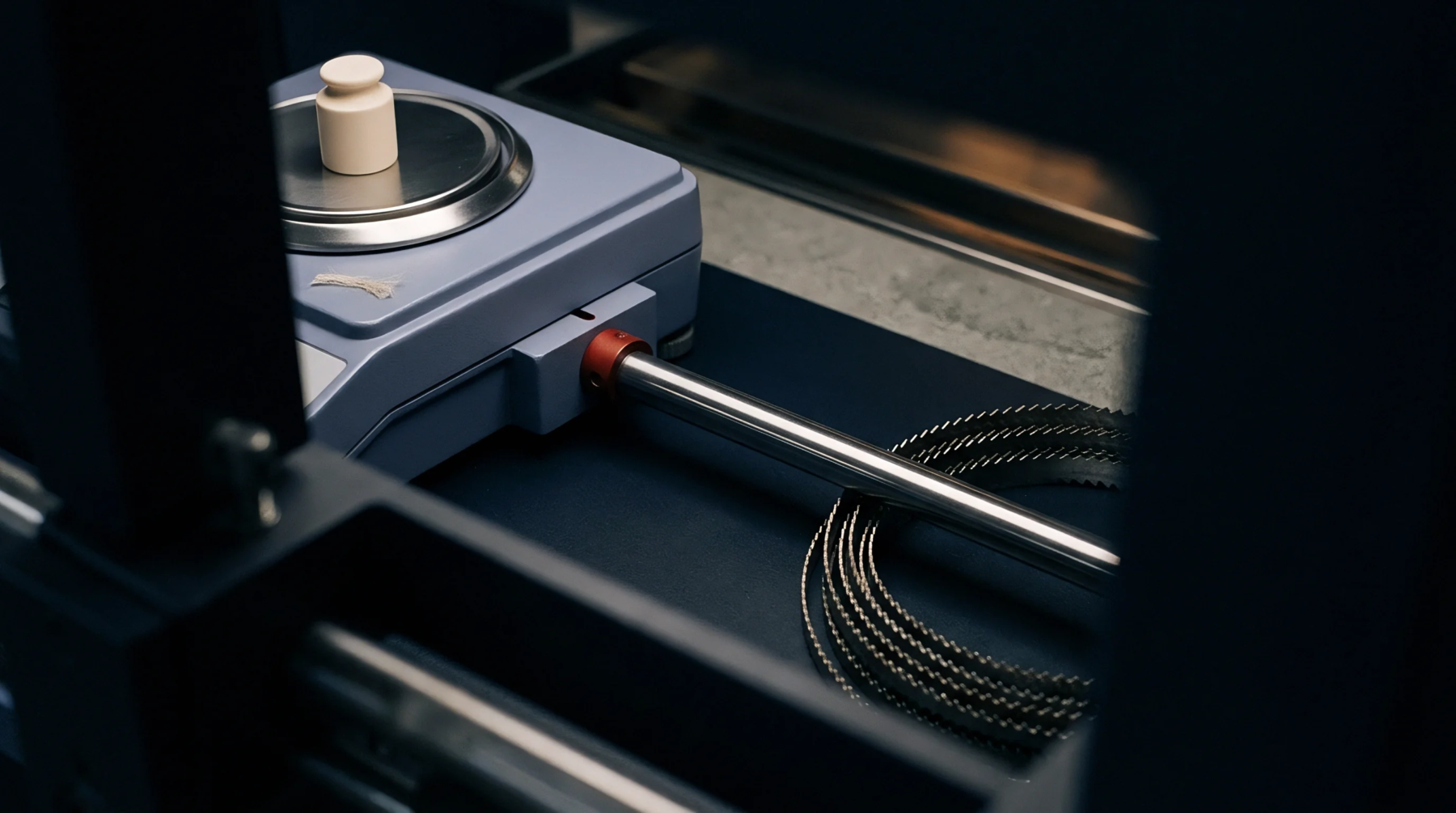
Mass balance weight verification between European scutchers and Asian mills requires normalizing scale weights to absolute dry mass plus twelve percent regain.

Analytical testing sets baseline proof, but mass balance reconciliation at the mill proves physical chain of custody for linen mixtures.
Linen yarn buyers eliminate moisture invoice inflation by calculating landed payments on laboratory oven-dry mass plus official 12 percent regain.

Auditing flax transformation ledgers requires mass-reconciliation across combing, spinning, and weaving nodes to verify customs origin declarations.

Customs country of origin depends on transformation laws like spinning and weaving, making fibre certificates invalid as sole statutory proof.

Cross-border flax provenance requires batch-level transaction certificates, physical bale segregation, and strict mass-balance waste reconciliation.

Verify raw flax origin by matching field cadastral logs to weighbridge moisture tickets, scope certificates, and scutching mass balance yield ratios.
Optimize flax wet spinning by maintaining attenuation troughs at 68-72°C with soft water to dissolve pectins without degrading elementary fiber tensile strength.

Physical chain of custody locks raw fiber origin to individual yarn bolts, while mass balance credit swapping balances paper accounts without physical tracing.

European Flax fibre spun in China retains certified raw material status under valid Transaction Certificates, but confers Chinese country of origin and forfeits Masters of Linen eligibility.

Reconciling spinning mill mass balance ledgers requires verifying raw intake certificates against physical machine yields, waste rates, and packaged yarn sales.

Verifying substantial transformation in linen fabric requires machine-level loom allocation logs, doff records, and mass-balance yarn reconciliations.

Resolving transshipment liability requires batch-level mass balance auditing, continuous transaction certificates across all nodes, and explicit contractual origin indemnities.

Foreign provenance indemnities in China are legally limited by PRC Civil Code penalty caps and evidentiary notarization rules, requiring pre-agreed liquidated damage schedules.

Scope certificates validate facility processing capacity, while transaction certificates prove specific consignment volume provenance across linen orders.

Mass balance certificates balance inventory on paper but offer zero proof of physical European flax containment in individual fabric bolts.

Reconcile bast fibre customs ledger discrepancies by converting scale weights to invariant oven-dry mass using core testing before applying commercial regain rates.

Raw flax field dockets match scutching intake when weighbridge tares, moisture regain corrections, and lot dockets reconcile under standard ISO dry mass limits.

Commercial moisture adjustments convert raw flax scale weight to invoice weight using dry mass and the contractual twelve percent regain baseline.

Auditing European Flax scutched fiber receiving records reconciles dry fiber mass, certificate codes, and scutching lot numbers to defend chain of custody.

Reconciling third-country linen origin mass balances requires normalizing moisture regain to dry matter mass and accounting for specific hackling and scouring waste factors.

Dew-retted European flax exhibits low surface sludge deposits below 3.5 mg/g, providing physical verification to validate origin claims against fraud.
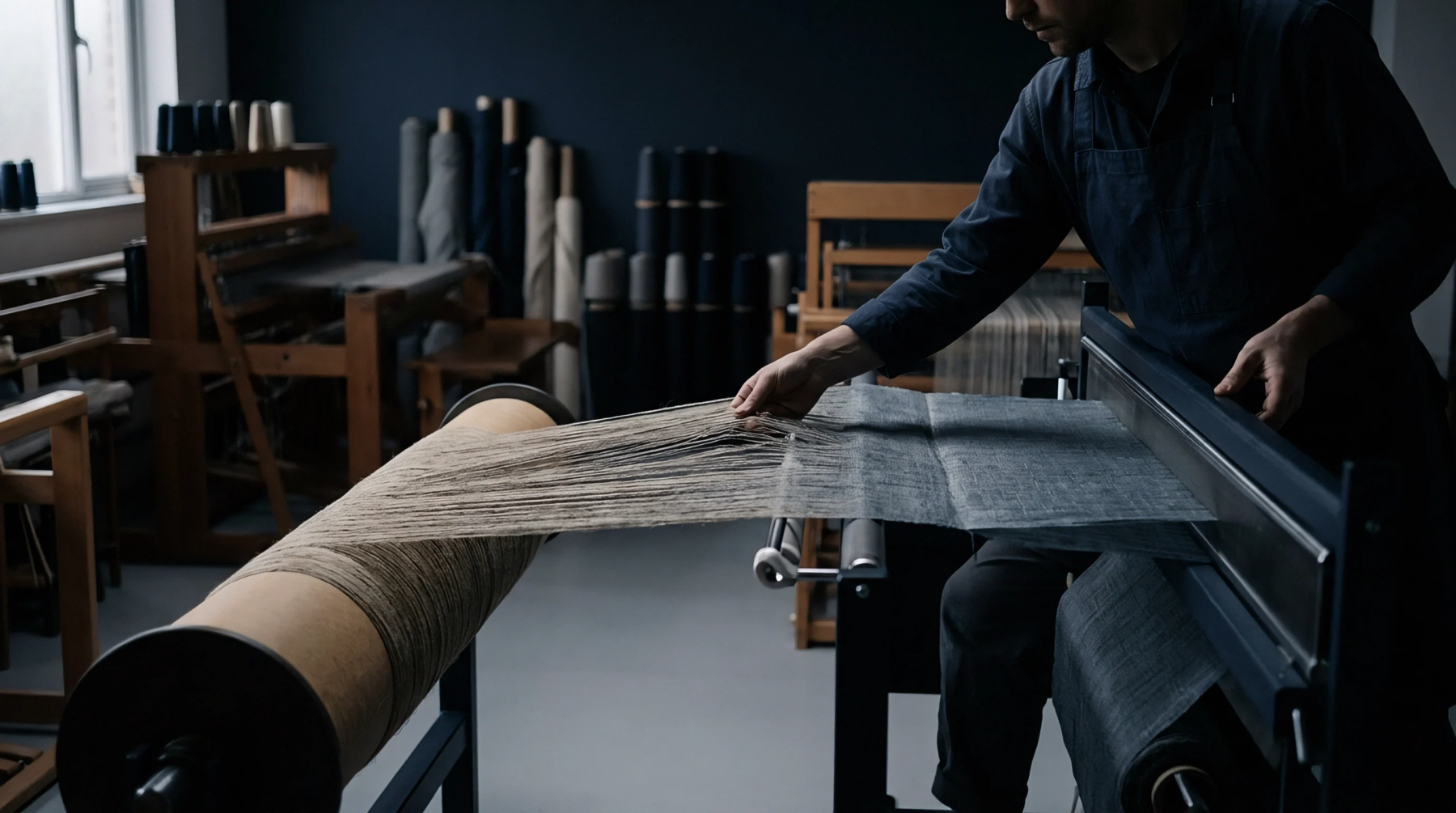
Controlling high-pressure alkaline roving boiling maintains intrinsic viscosity above 820 mL/g, balancing pectin extraction against hydrolytic cellulose damage.

Calibrating wet spinning trough temperature and water turnover reconciles organic flax pectin dissolution losses against certified mass balance yields.
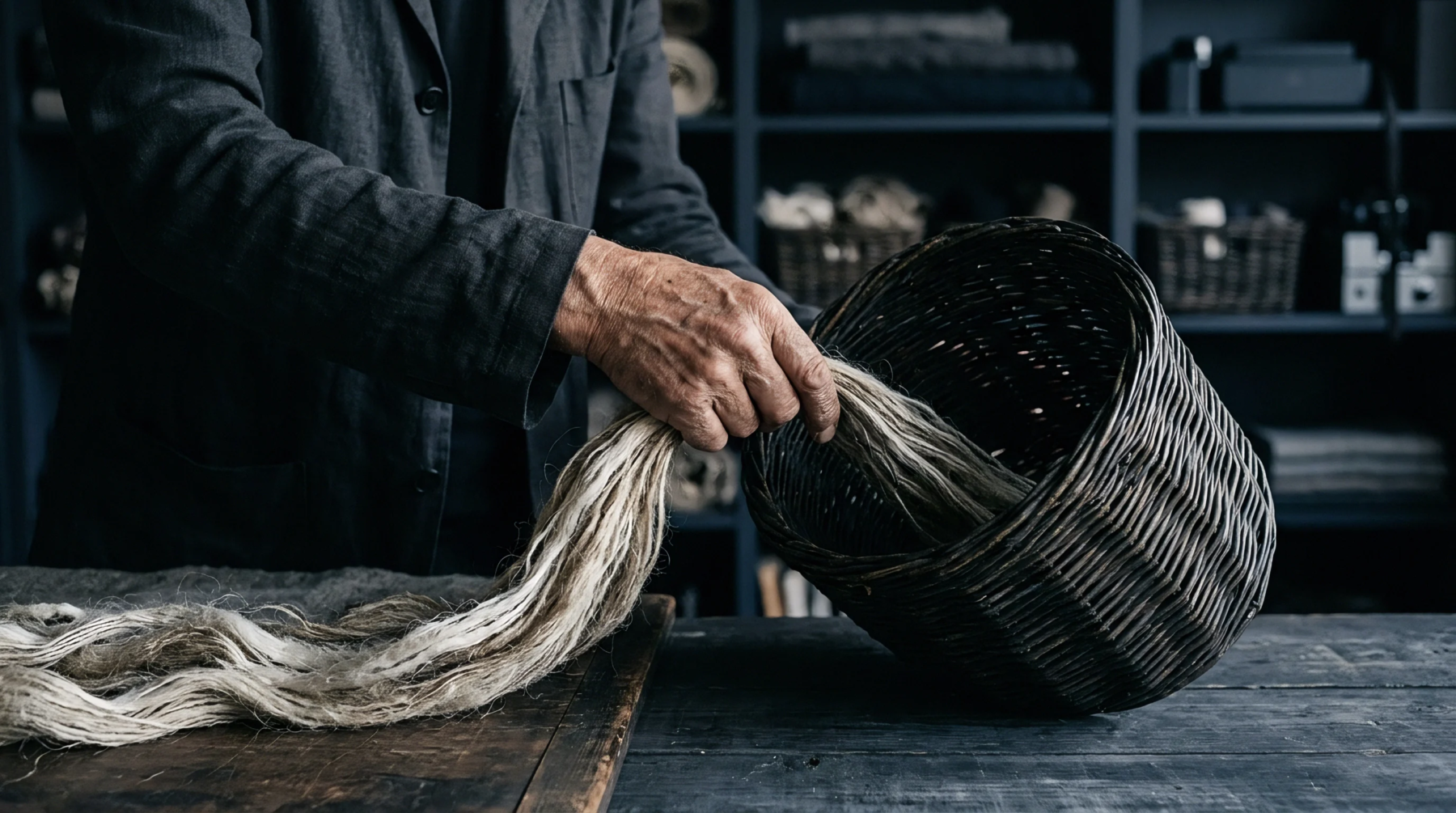
Establishing isotopic soil baselines for European flax requires measuring bioavailable strontium and oxygen ratios to verify fiber origin against document claims.

Fine count wet spun linen mass balance requires deducting 2.5 to 4.5 percent pectin dissolution loss and count-adjusted mechanical scrap from dry input mass.

European flax verification requires matching batch Transaction Certificates against mill weighbridge receipts and verifying Scope boundaries across all transformation tiers.

European Flax verification for Asian spinning mills demands matching annual facility scope certificates with lot transaction certificates and dry mass balance ledgers.
Expertise is a utility, not a secret. sentiention™ publishes its working knowledge as open reference: intelligence layer covering the materials it sources, the markets it enters, and the reference that serves both.