
Assessing Stable Isotope Ratios in Raw Flax Sourcing
Multi-element isotope analysis separates Western European flax from diluted blends when verified against mill mass balances and pure cellulose baselines.
Multi-element isotope analysis separates Western European flax from diluted blends when verified against mill mass balances and pure cellulose baselines.

Scouring removes 11 to 13 percent dry flax mass, creating yield deficits that Chinese mills mask through uncertified fiber blending or commercial moisture inflation.

Auditing linen spinning sheds requires thermal desiccation testing at 105 degrees Celsius to reconcile commercial regain and eliminate invoice water inflation.

Commercial mass calculations for flax yarn convert scale weight to oven-dry mass before applying the twelve percent standard regain across container billings.

Reconciling European flax certificates with Asian mill mass records requires correcting for moisture regain, hackling waste, and chemical sizing additions.

Reconciling multi country yarn spinning ledgers requires adjusting raw weights to standard twelve percent moisture regain and retiring comber noil credits.

Field origin documentation requires cadastral straw intake manifests reconciled against scutching yields and verified transaction certificates per bale lot.

Non-preferential origin under 19 CFR 102.21 hinges on where yarn is spun or cloth is woven, rendering post-weaving finishing ineffective for shifting customs origin.

Reconciling linen provenance requires separating statutory origin by loom transformation from fibre biomass claims verified through audited mass balance ledgers.

Verify European Flax transaction certificates by reconciling intake bale tag numbers and certified net weights against spinning yields and hackling waste tallies.

Linen tariff origin follows loom formation rather than fiber harvest, leaving buyers liable for punitive duties unless contracts mandate mill-level batch audits.

Reconciling mass balance and segregation requires matching physical lot traveler cards to scutching transaction certificates and factoring spinning loss.
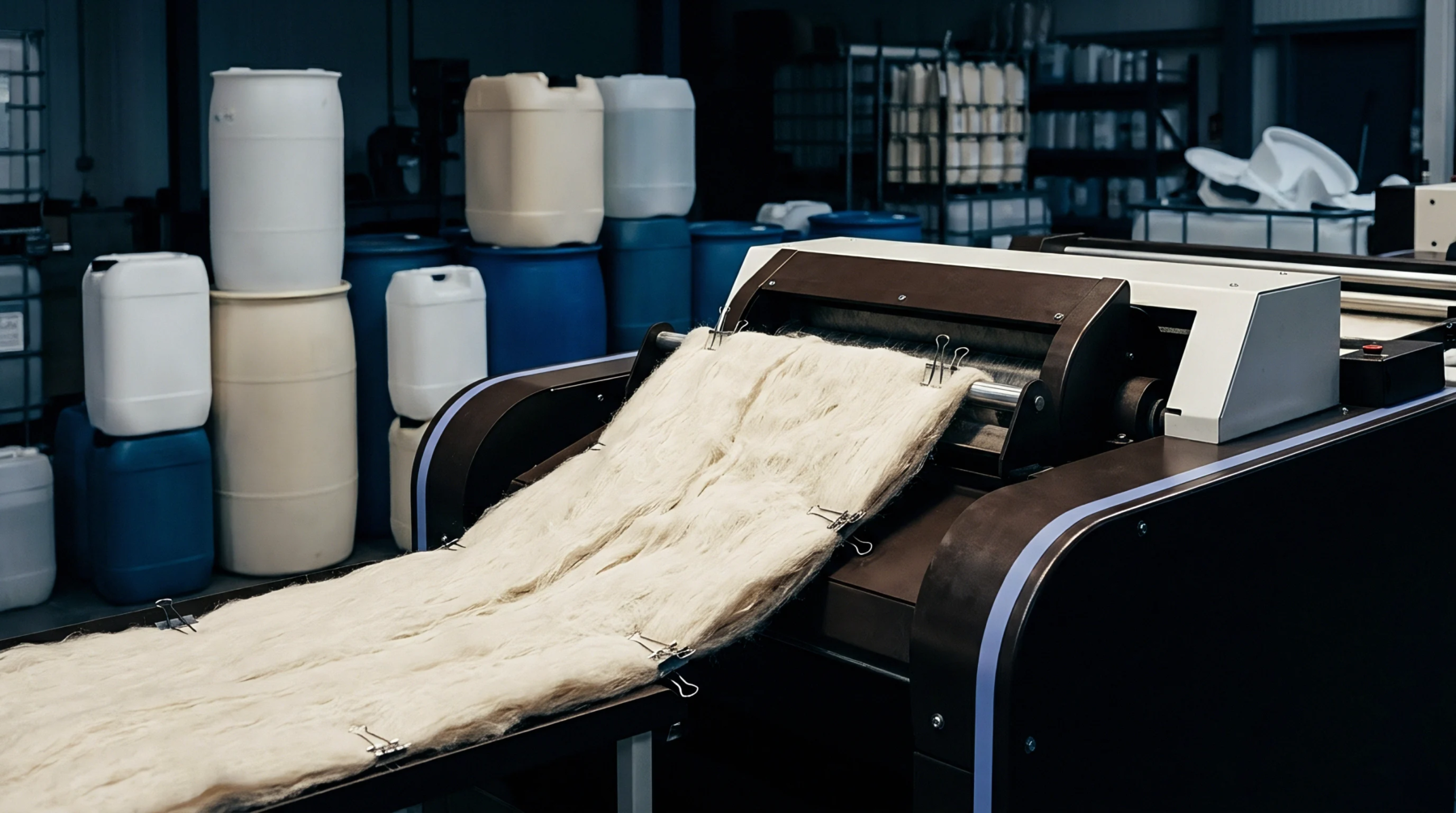
Cross-border flax fiber traceability relies on matching scope certificates, transaction dockets, and mill mass balance logs to pass origin audits.

Cross-border flax contracts fail when paperwork substitutes for physical segregation; buyers manage exposure by mandating batch transaction certificates.

Auditing scutching plants requires reconciling wet straw weighbridge tickets against dried long fibre yields, scutching tow tags, and portal transaction records.

Verifying farm-level lot segregation during dew retting links cadastral parcel boundaries to mechanically steered swaths, physical buffers, and baler telemetry.

Balancing wet drafting bath alkalinity against biological retting variation stabilizes pectin cleavage to prevent tensile drop during high-speed spinning.

Kinetic control of trough pectin dissolution enables defect-free high-count wet linen spinning while enforcing rigorous lot-level provenance verification.

Maintain attenuation bath liquor between 58°C and 64°C with indirect heat exchange to plasticize flax pectins uniformly and prevent fiber bundle breakdown.

Isotopic testing of bast fibers provides strong origin verification but requires chemical purification to eliminate retting and finishing noise.

Linen yarn mass balance requires bone dry calculations that account for three to six percent pectin extraction and fourteen percent moisture regain variance.

Physical segregation requires verified transaction certificates, moisture-adjusted mass reconciliation, secure cordons, and core sampling before warehouse release.

Spinning European flax fibre into yarn in Asian facilities constitutes substantial transformation, assigning non-preferential customs origin to the spinning country.

Validate transaction certificates by reconciling net yarn weights, moisture regain, and issuing body databases against Chinese mill customs import records.

European Flax chain of custody requires physical lot segregation and batch-level transaction certificates from scutching to finished fabric.
Mitigate Transaction Certificate latency by tying 15 percent of contract value to certifier registry release and establishing pre-cleared mass balance yields.

Verifying wet spinning yields requires reconciling dry roving inputs against yarn outputs by measuring trough pectin dissolution and physical waste fractions.

Reconciling raw flax intake requires adjusting scale weights to 12% moisture regain, deducting tare, and matching bale tags to transaction certificates.

Assessing unaudited toll loomers demands mass-balance checks and machine power audits to prevent uncertified yarn substitution from voiding origin claims.

Reconciling loom capacity with linen greige yield metrics requires cross-referencing digital pick counts, power draws, and mass loss against yarn intake.
Expertise is a utility, not a secret. sentiention™ publishes its working knowledge as open reference: intelligence layer covering the materials it sources, the markets it enters, and the reference that serves both.