
Flax Roving Mass Loss Calculation in Wet Spinning Troughs
Wet spinning trough mass loss averages 4% to 8% dry weight via pectic dissolution; auditing requires oven-dry mass balance checks to verify certification compliance.
Wet spinning trough mass loss averages 4% to 8% dry weight via pectic dissolution; auditing requires oven-dry mass balance checks to verify certification compliance.

Dynamic tensile stress accelerates microstructural cell wall dislocation propagation in single flax fibres, mandating strict mechanical and audit qualification.

High processing speeds generate microstructural kink bands that drop flax tenacity by thirty percent, requiring strict mechanical speed limits in supply contracts.

Graduating hackling pins from coarse opening needles to fine finishing combs preserves long bast bundle length while generating maximum linear sliver tenacity.

Mechanical extraction forms destructive cellulose dislocations in flax cell walls, requiring polarimetric verification to prevent spinning failures.
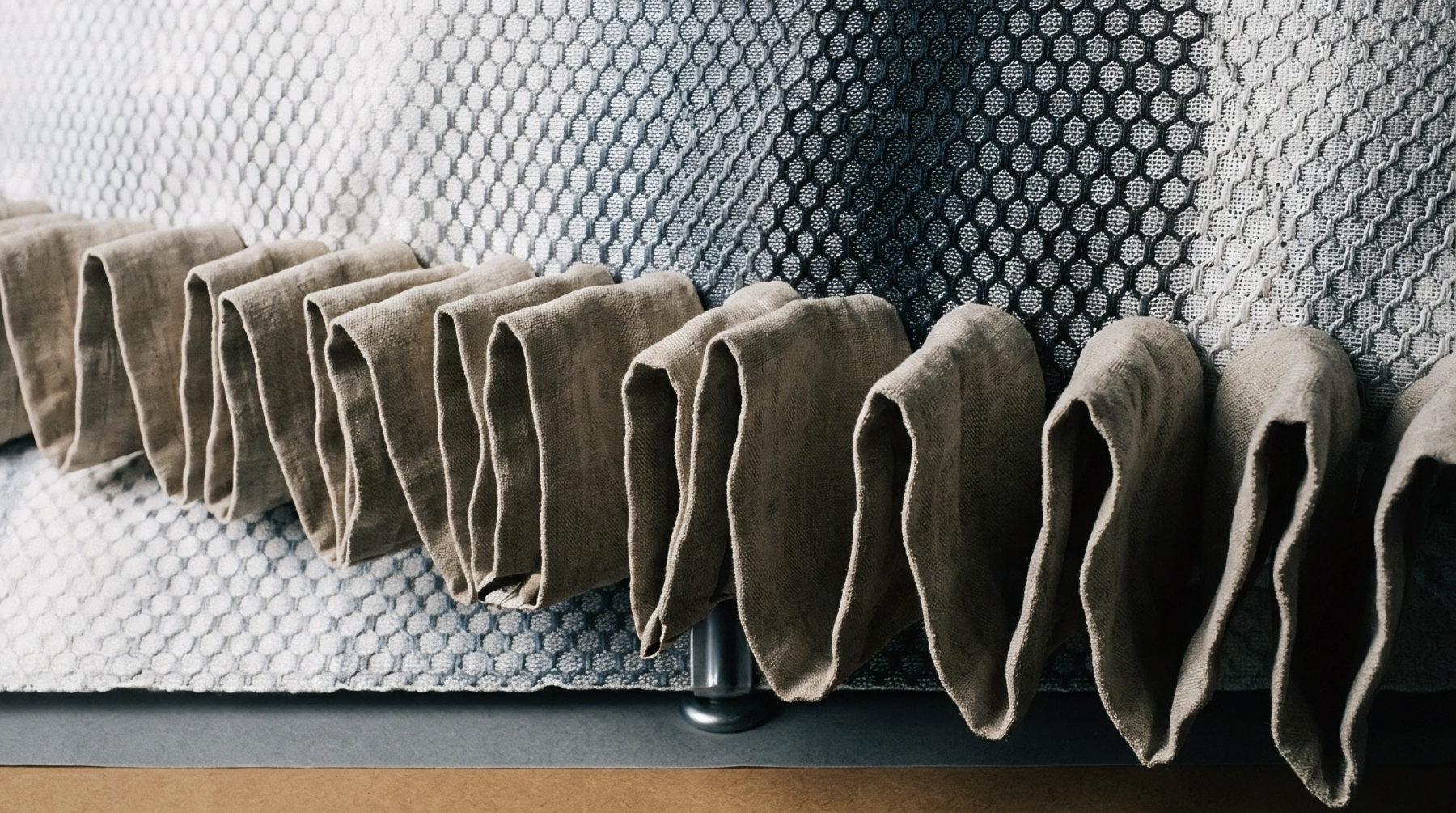
Combing pin shear stress maintained between seven and eleven megapascals separates technical fiber bundles along pectin interfaces without breaking ultimate cells.
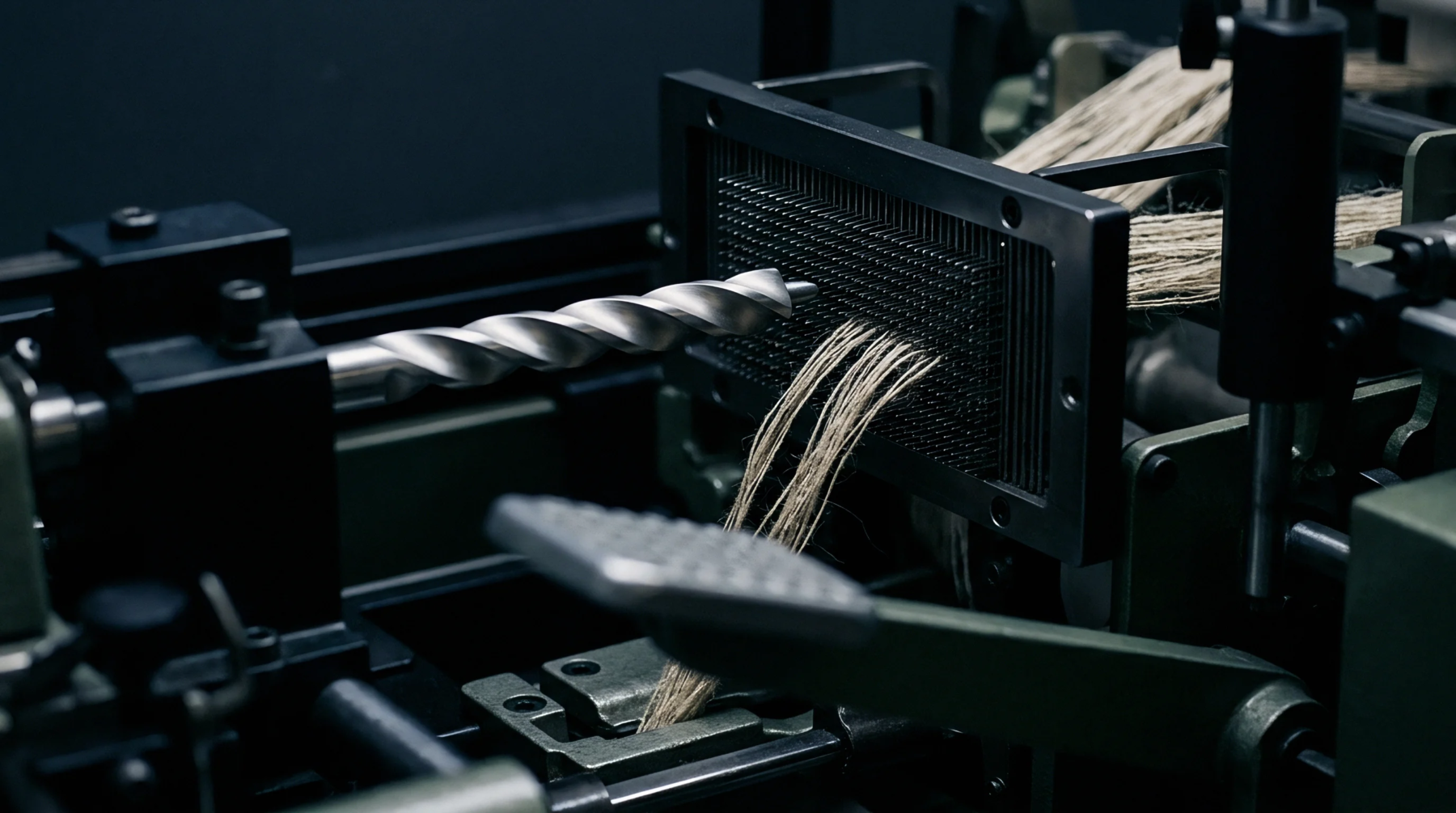
Scutched flax hackling requires progressive pin densities up to 20 pins/cm to maximize sliver tenacity without increasing tow loss or cutting fiber length.

Standardizing isotopic baselines across cross-border linen trade requires harvest-calibrated alpha-cellulose reference data to defeat customs detentions.

Reconciling trade entry fiber origin claims requires verifying batch-level scutching manifests, bale serial tags, and physical spinning mass balances against customs filings.

Customs clearance mandates unbroken mass-balance dossiers linking finished flax yardage through spinning and scutching to specific agricultural parcel coordinates.
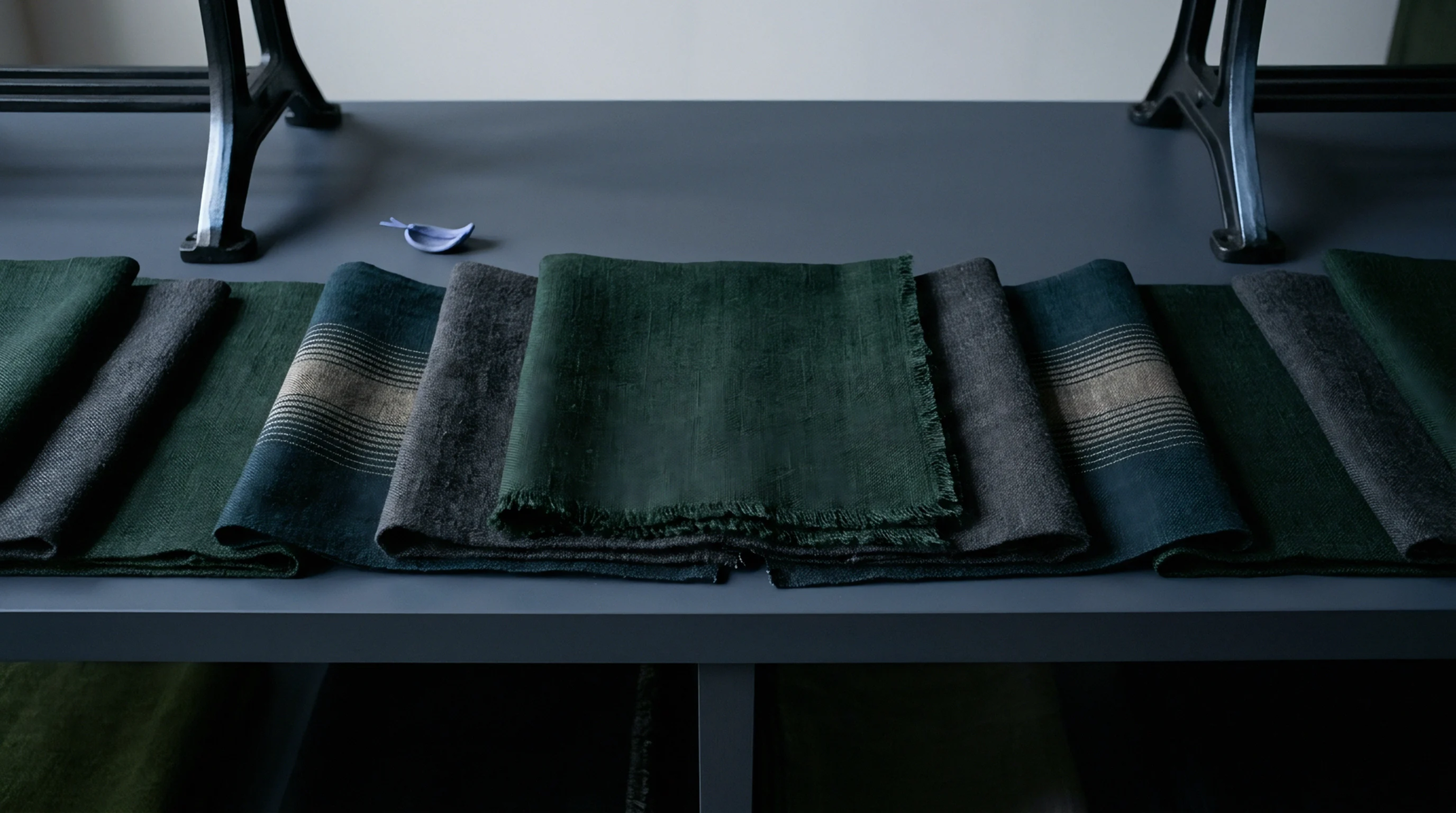
Reconciling offshore linen weaving discrepancies requires oven-dry mass balance models that strip volatile sizing and ambient moisture from physical scrap ledgers.

Mass balance accounting in offshore linen spinning succeeds only when spinners isolate comber noil and verify dry weight loss at each draw frame stage.

European Flax origin claims require batch-level transaction certificates matching mill mass-balance yields across line hackling and wet spinning stages.

Bayesian isotopic unmixing reliably detects regional bast fibre adulteration above twenty percent, but baseline variance creates blind spots in minor blends.

Bulk isotope testing detects Asian bast substitutions exceeding fifteen percent by tracking oxygen-18 depletion and radiogenic strontium ratios in yarn.

Authentic Western European long staple flax exhibits delta 18O values between 20.5 and 23.2 per mil alongside strontium 87Sr/86Sr ratios from 0.7082 to 0.7096.

Caustic scouring shifts bast fiber delta 13 C positive by up to 1.8 per mil while process water exchange alters delta 18 O by up to 1.4 per mil.

Scouring shifts linen isotopic ratios through mass loss and water exchange, requiring isolated cellulose testing and process offset vectors for origin audit.

Alkaline scouring strips wax and pectin, enriching delta 13C and shifting delta 18O; origin assays require alpha-cellulose extraction to prevent false rejections.

Cross-border linen yarn audits fail when wet spinning process water shifts cellulosic oxygen baselines away from declared European scutching field data.

Verify non-European flax fiber mass balance by checking moisture-adjusted intake weights, physical scutcher yields, and unbroken inland transfer records.
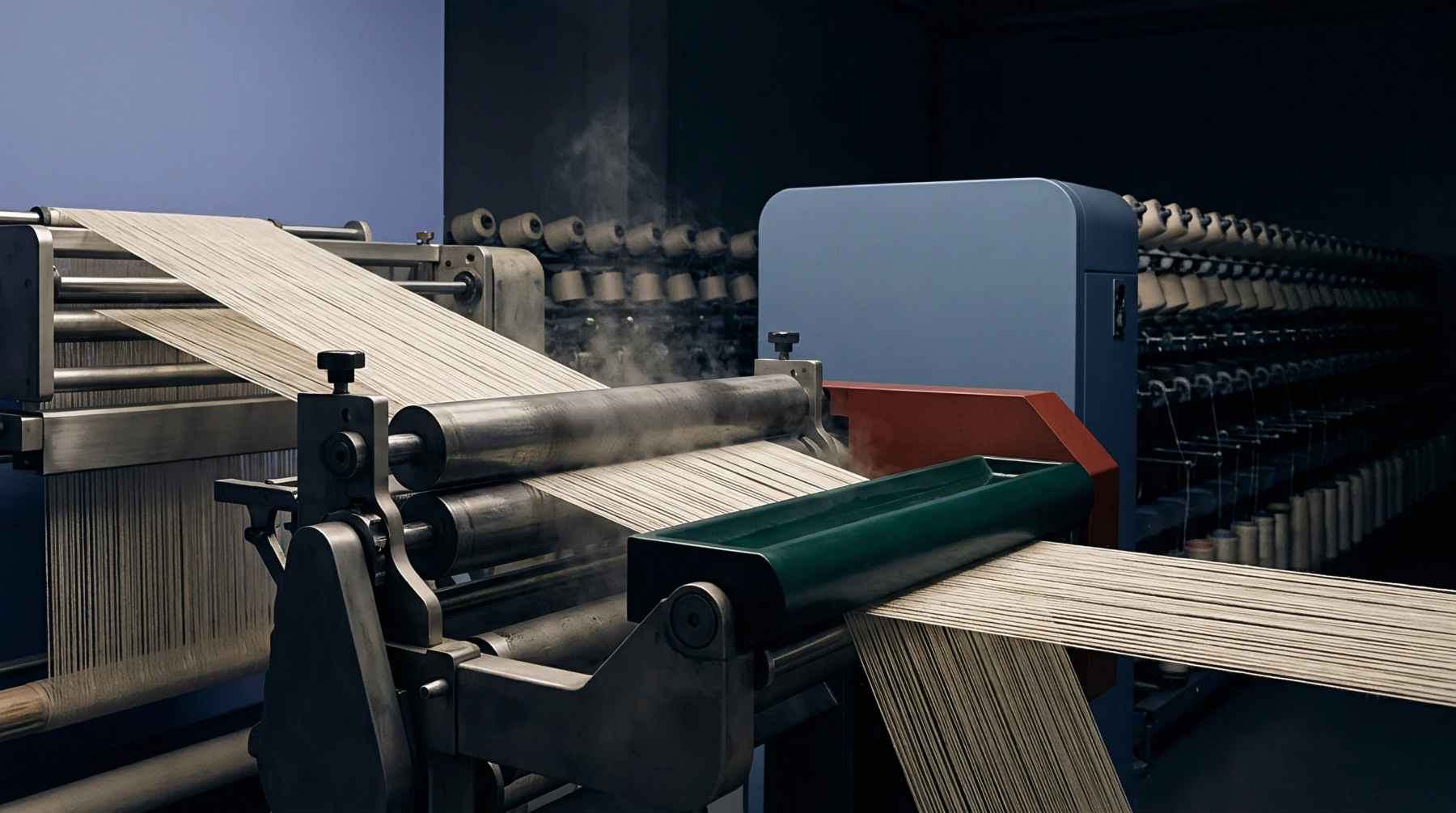
Origin thresholds in mixed linen yarns depend on dry mass accounting after standard moisture regain adjustments and verified scutcher transaction certificates.

High-temperature alkaline finishing shifts bulk linen isotope values; buyers must mandate alpha-cellulose isolation over bulk testing to confirm European provenance.
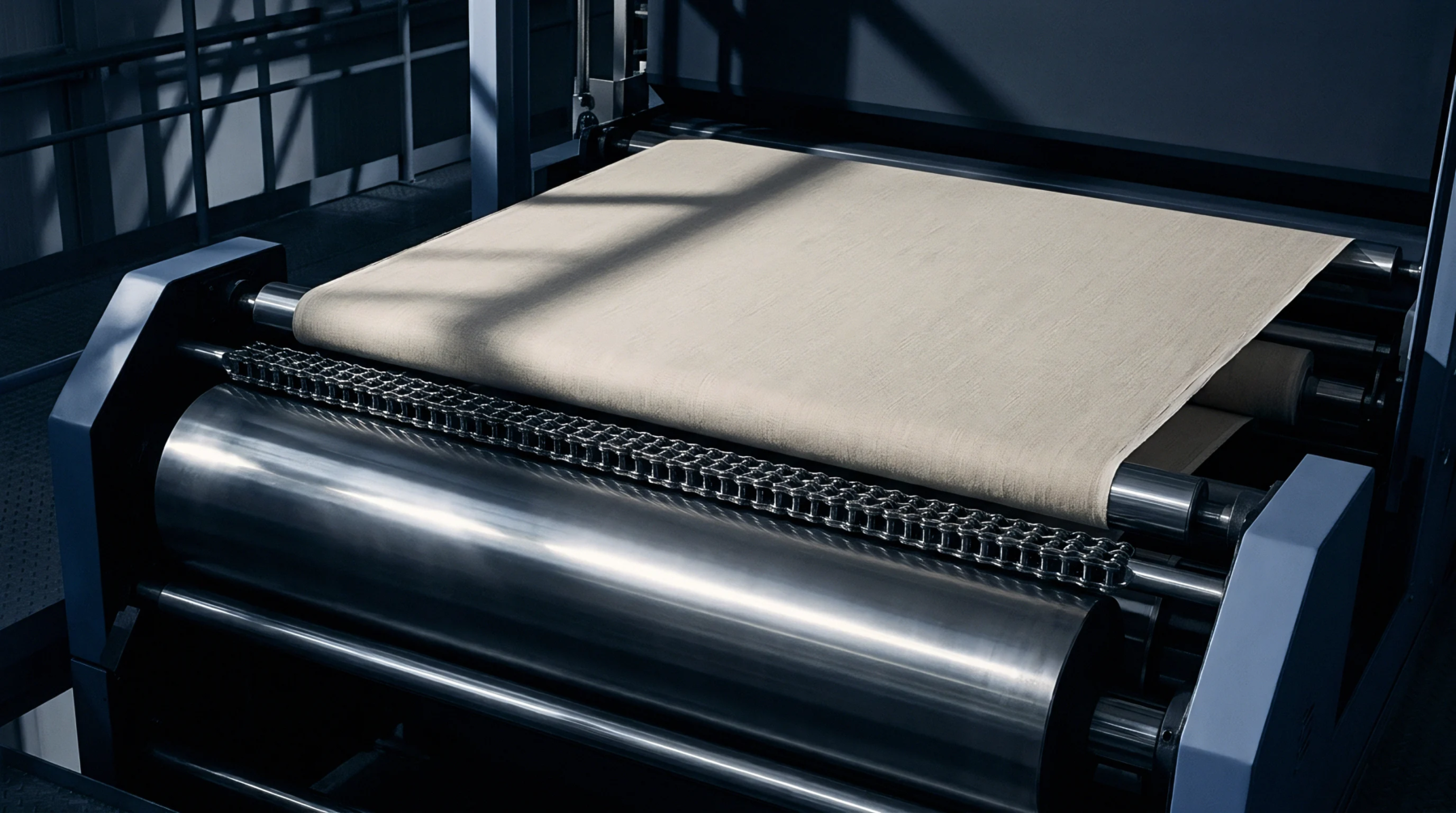
Multi-element isotope analysis confirms scutched flax origin by measuring cellulose oxygen, hydrogen, carbon, and strontium ratios against regional databases.

Empirical isotope profiling via EA-IRMS and MC-ICP-MS exposes flax origin fraud and fiber blending that administrative transaction certificates routinely conceal.

Reconciling wet spun linen mass deficits demands matching oven dry rove weights against yarn output plus measured bath dissolution and extraction losses.
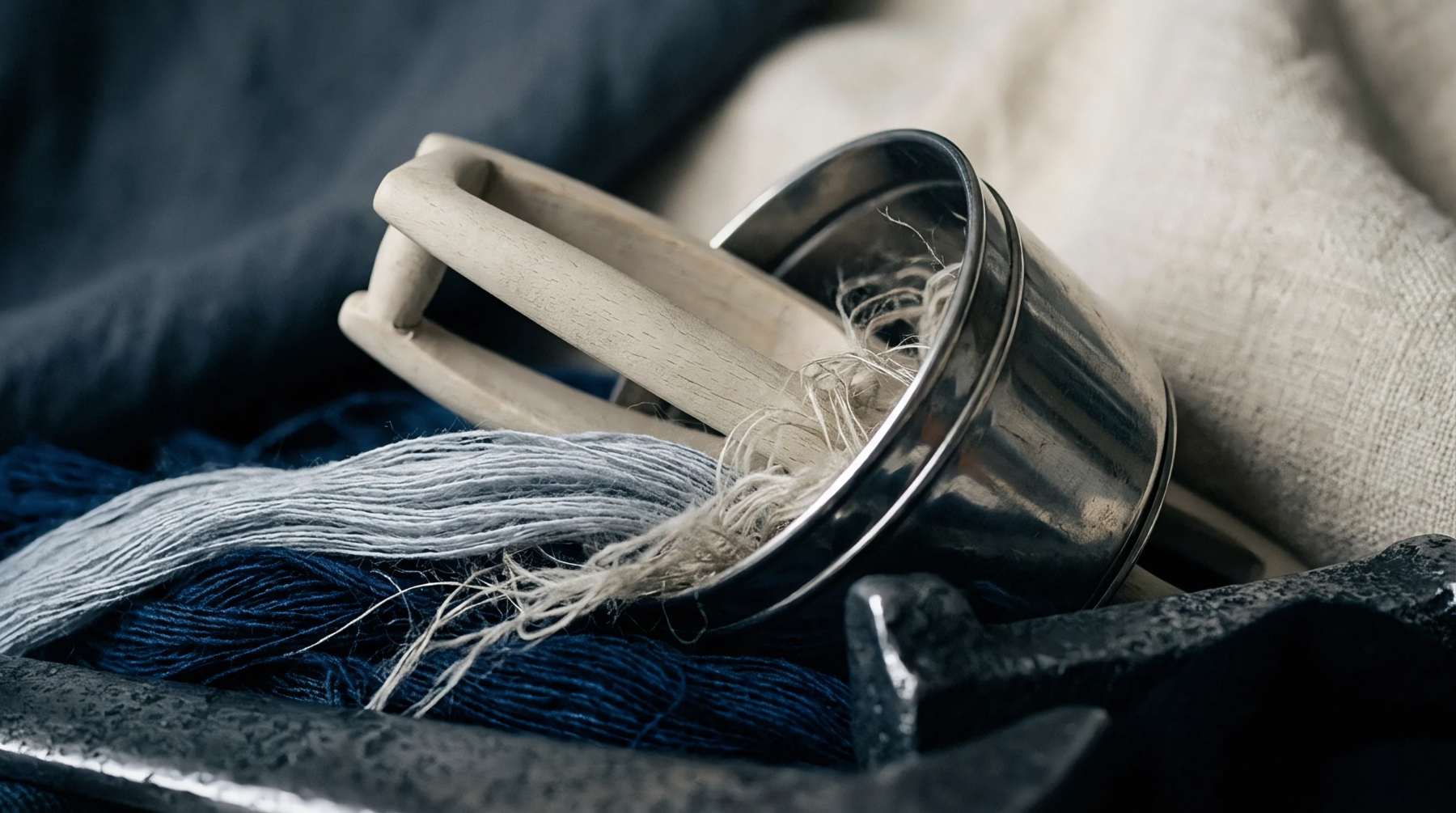
Yield discrepancies in wet spun flax shift assist values, demanding formal customs reconciliation of actual mass balance, tow salvage credits, and duty deltas.

Commercial linen audits reconcile physical scale weights to official 12% moisture regain standards using oven desiccation to eliminate uncertified phantom mass.

Reconciling flax yarn ledgers requires converting physical weights to standard commercial dry mass to strip out moisture shifts and process waste loss.

ISO 22095 mass balance in linen spinning reconciles fiber intake against yarn yield administratively, permitting co-mingling while requiring paper mass balance.
Expertise is a utility, not a secret. sentiention™ publishes its working knowledge as open reference: intelligence layer covering the materials it sources, the markets it enters, and the reference that serves both.