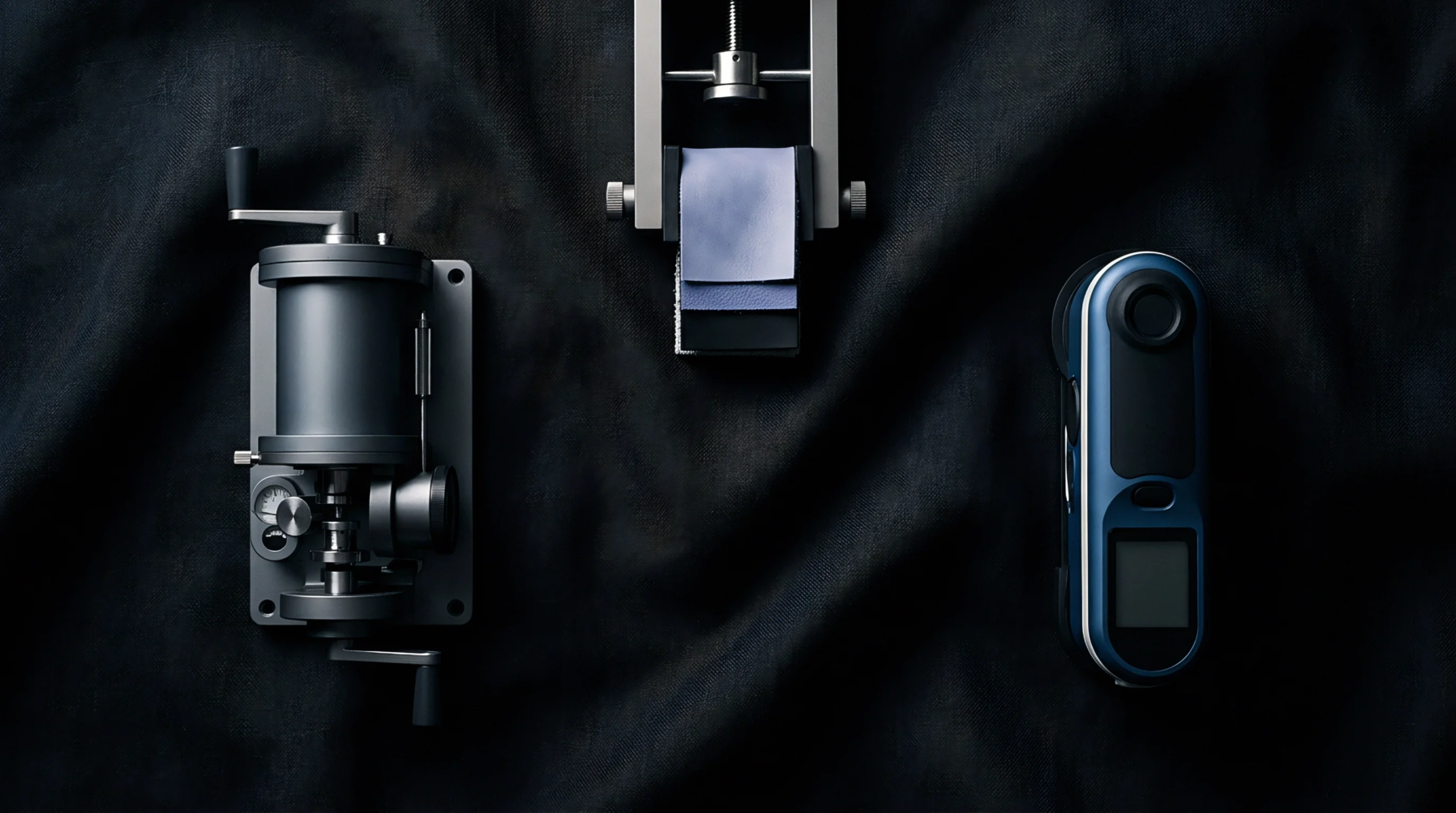
Resolving Discrepancies between Laboratory Fiber Analysis and Customs Duty Subheading Declarations
Importers resolve customs fiber discrepancies by adjusting laboratory solvent dissolution dry mass with standard commercial moisture regain factors.
Importers resolve customs fiber discrepancies by adjusting laboratory solvent dissolution dry mass with standard commercial moisture regain factors.

Verify European Flax Transaction Certificates by validating certifier portal codes, cross-checking bill-of-lading weights, and auditing mill mass balance loss.

Commercial indemnity liabilities for flax transit moisture regain require ISO 6741-1 core audit sampling to enforce dry-mass standard weight adjustments.

Synthesizing mass balance credits with non-preferential customs origin claims creates severe duty evasion liability under customs transformation rules.

Dock intake reconciliation converts landed gross weight to bone-dry mass via core oven desiccation before adding official twelve percent commercial regain.

Cross-border linen contracts allocate chain of custody discrepancy risks through lot specific warranties, mandatory mass balance audits, and immediate seller indemnity.
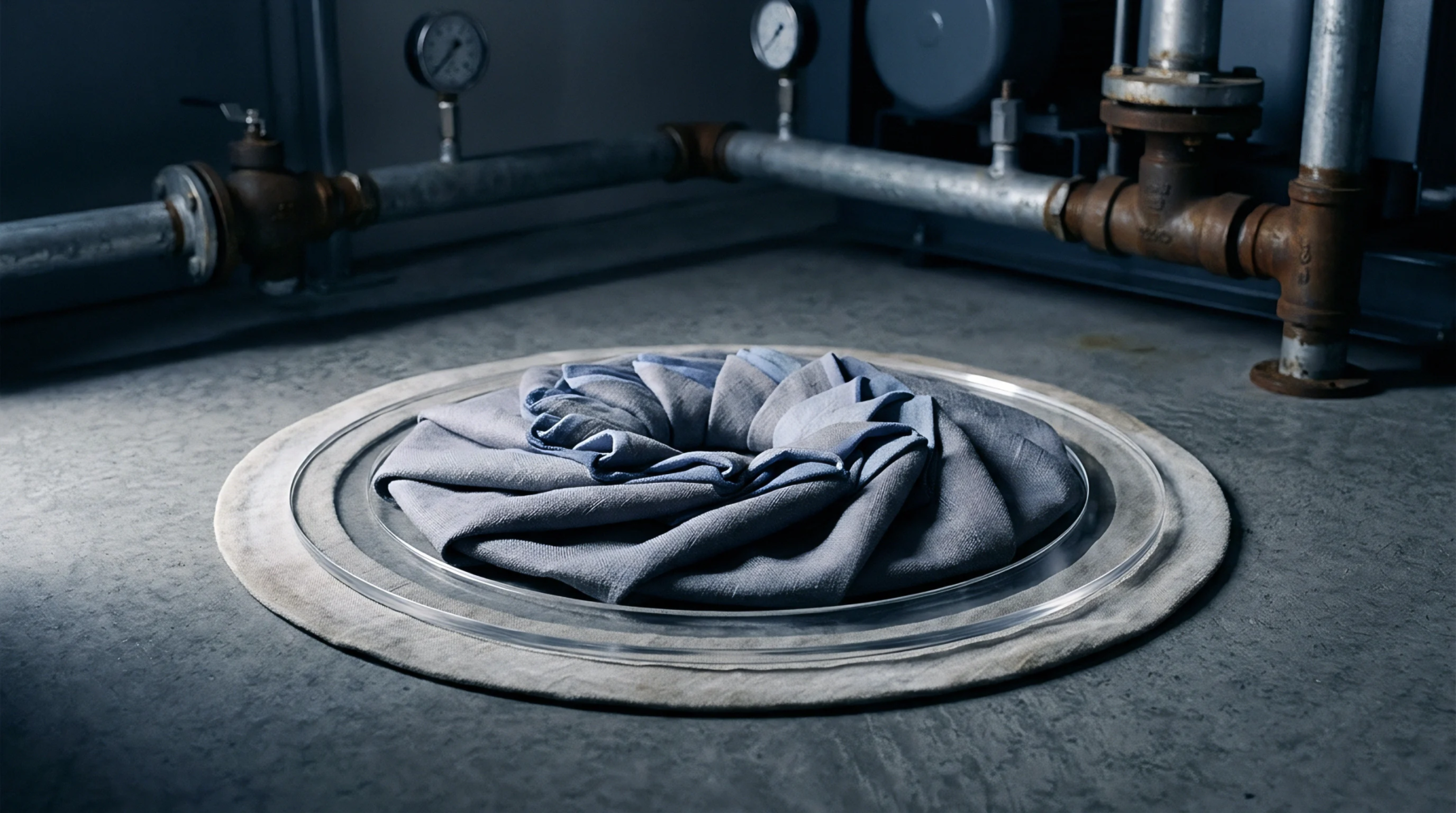
Auditing wet-spun linen mass balance requires subtracting a 3.5% to 7.0% dry leaching loss factor for trough pectin dissolution before calculating yield fraud.
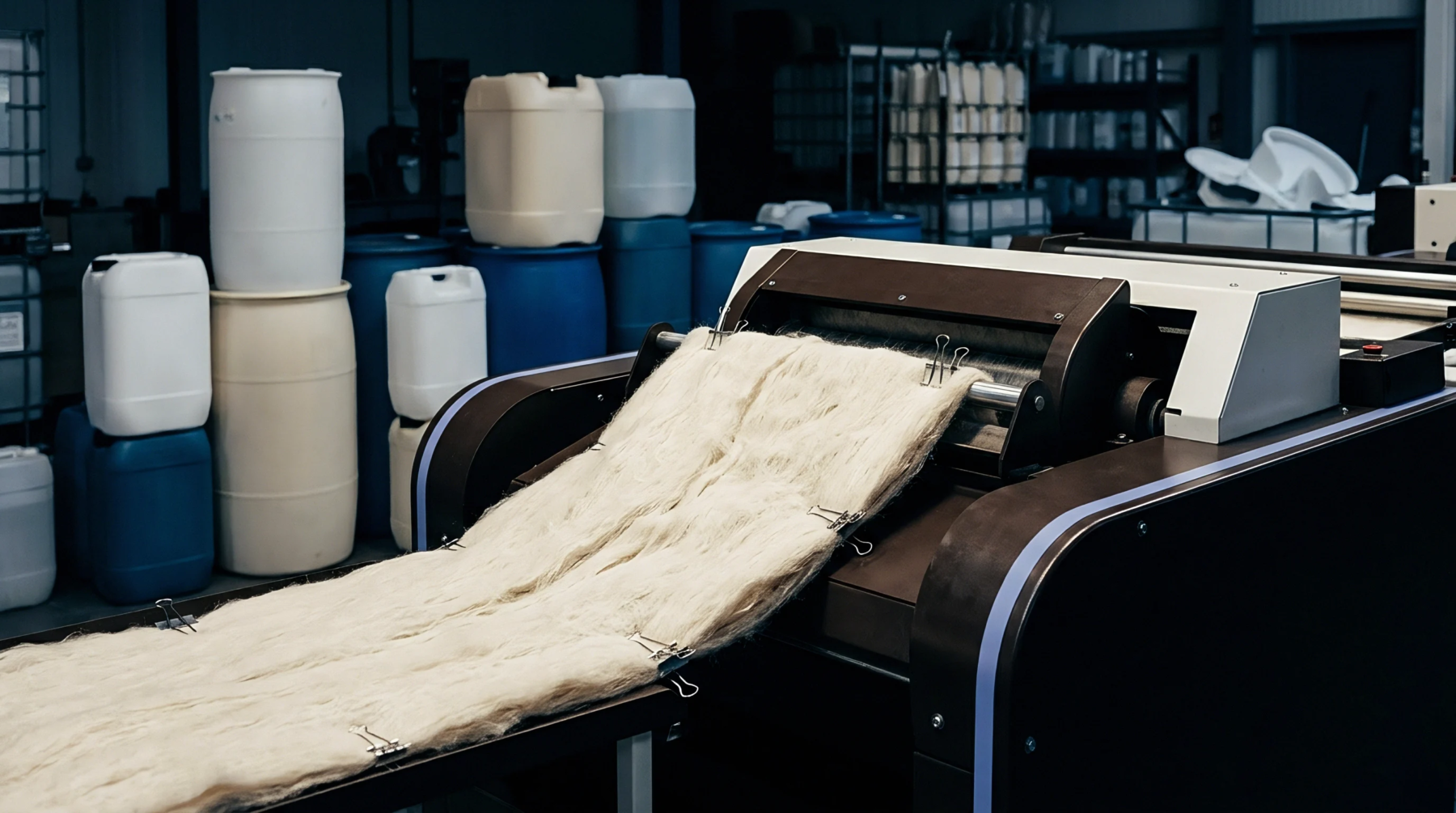
Verifying European Flax certificates in Chinese mills requires matching TC batch weights against raw bale intake logs and wet-spinning combed sliver yields.

European Flax certificates verify raw fibre origin, but US Customs non-preferential classification derives strictly from the country where yarn spinning or fabric weaving occurs.

Linen non preferential origin follows exact HS tariff shifts where spinning yarn confers 5306 origin and weaving cloth confers 5309 origin under customs law.

Forensic microscopic and spectroscopic testing quantifies chemical degumming residuals, exposing invalid provenance claims on non-European linen yarn entries.
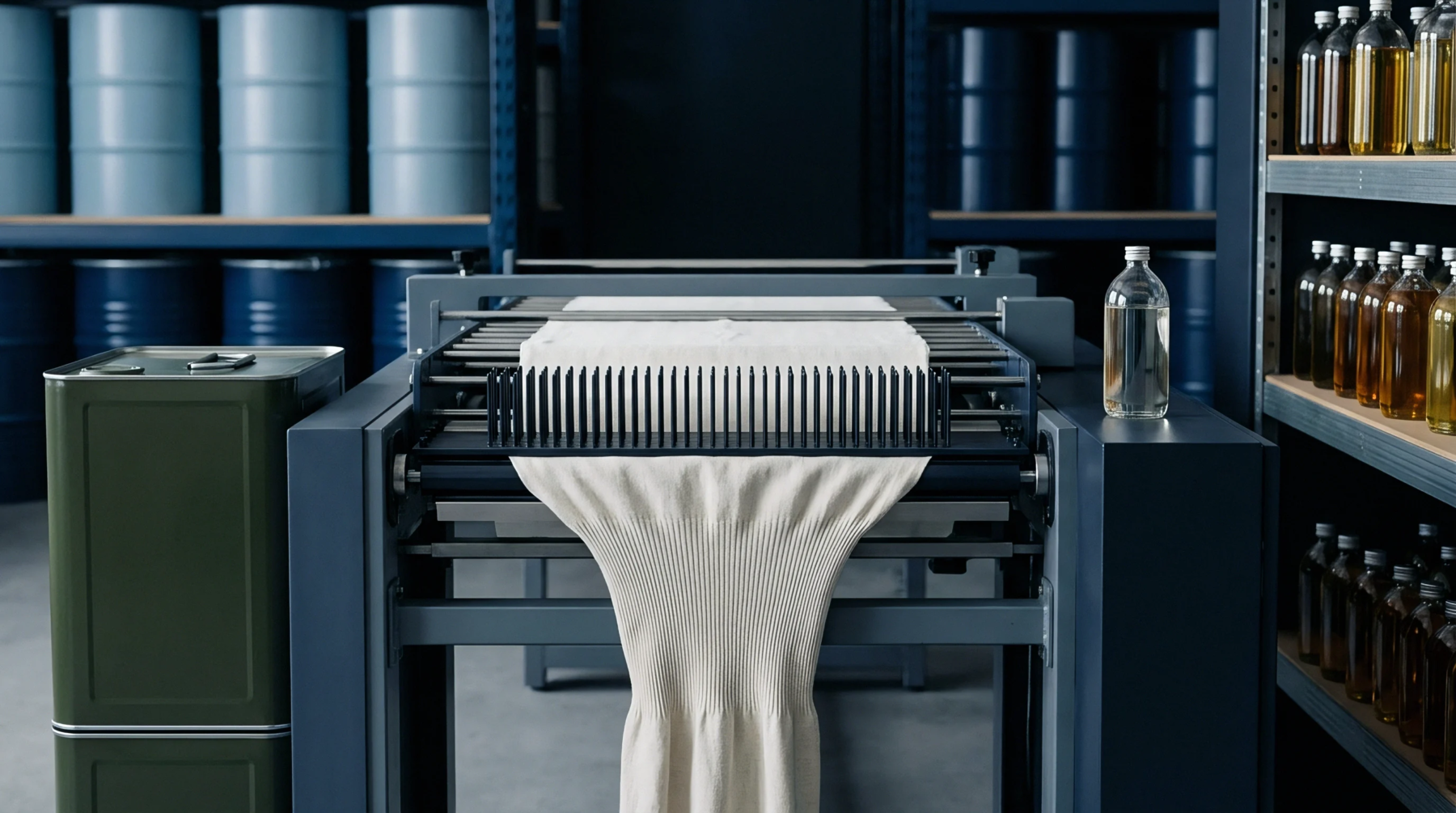
Harmonized System bast fiber classification relies on physical shive percentage, pectin degradation depth, and mechanical hackling status.

Reconciling wet spinning transaction weights requires adjusting bone-dry mass for 1.8 to 4.2 percent solubilized pectin loss measured via ISO 1833-22 extraction.

Mechanical scutching defect quantification relies on precise gravimetric or optical mass-balance analysis to measure residual shive and control long fiber yield.

Base moisture regain calculations adjust raw flax bale mass to standard commercial allowances, preventing buyers from paying fibre prices for ambient water.

Harmonized System Chapter 53 classification of flax fabrics relies on an 85 percent mass threshold verified through dry-weight chemical analysis.
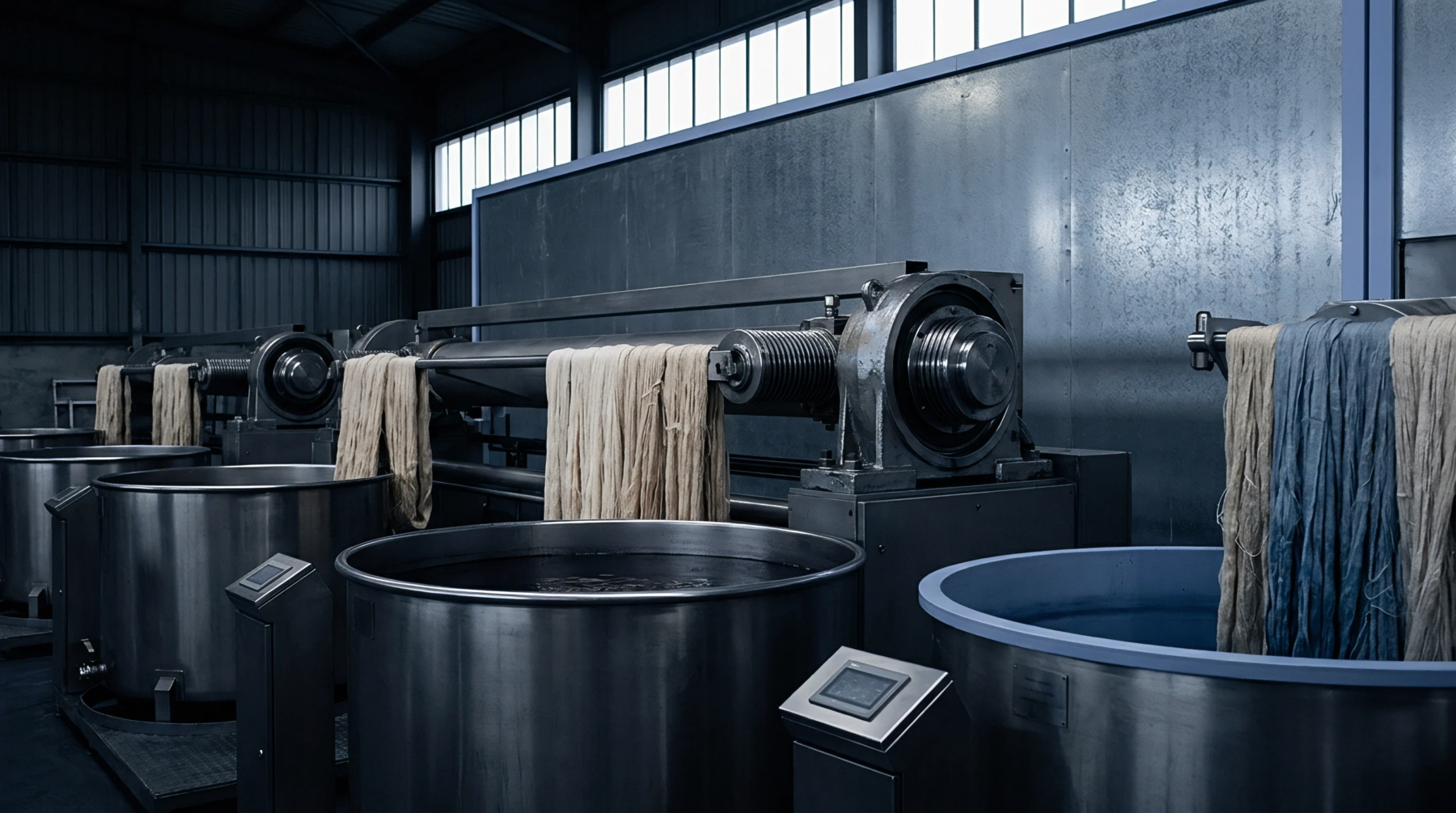
Reconciling wet spinning yield loss requires adjusting raw fiber weights for 12% regain, deducting 3.2-5.8% pectin extraction loss, and verifying comber tow sales.

Intake weighbridge cross checking reconciles gross straw mass, core moisture regain, and soil tare against scutching manifests to verify net fibre yields.

Statutory non-preferential origin for hemmed linen bed and table linens remains attached to the weaving location under 19 CFR 102.21 and UCC Annex 22-01.

Applying Section XI Note 7 requires auditing mill edge finishes, drawn threads, and cutting geometry to prevent high-duty Chapter 63 customs reclassifications.

Reconciling raw flax imports against spun linen output relies on oven-dry mass adjustment, hackling yield tracking, and lot-specific transaction certificates.

Auditing spinning mill mass balance requires reconciling net dry fiber intake against yarn output, waste logs, and moisture adjustments across fixed audit windows.

Reclassifying third country blended yarn under Union Customs Code requires audit files linking ISO 1833 dry mass testing to mill spinning logs.

High-draft wet spinning of fine flax roving solubilizes residual pectins into micro-cellulosic sludge, requiring strict origin pectin thresholds to prevent yarn defects.

Verify Chinese-spun European Flax by validating batch-specific Transaction Certificates against mill mass balances and scutcher intake tags before payment.

Non-preferential origin for woven linen textiles is conferred by the country of weaving rather than the country of agricultural flax fibre cultivation.

Dry cellulosic yield in wet flax roving requires gravimetric tare subtraction, moisture regain adjustments, and chemical boil-off loss corrections per lot.

Verify scutching yield metrics and fiber alignment parameters to defend Chapter 53 customs entry declarations and eliminate origin liability.
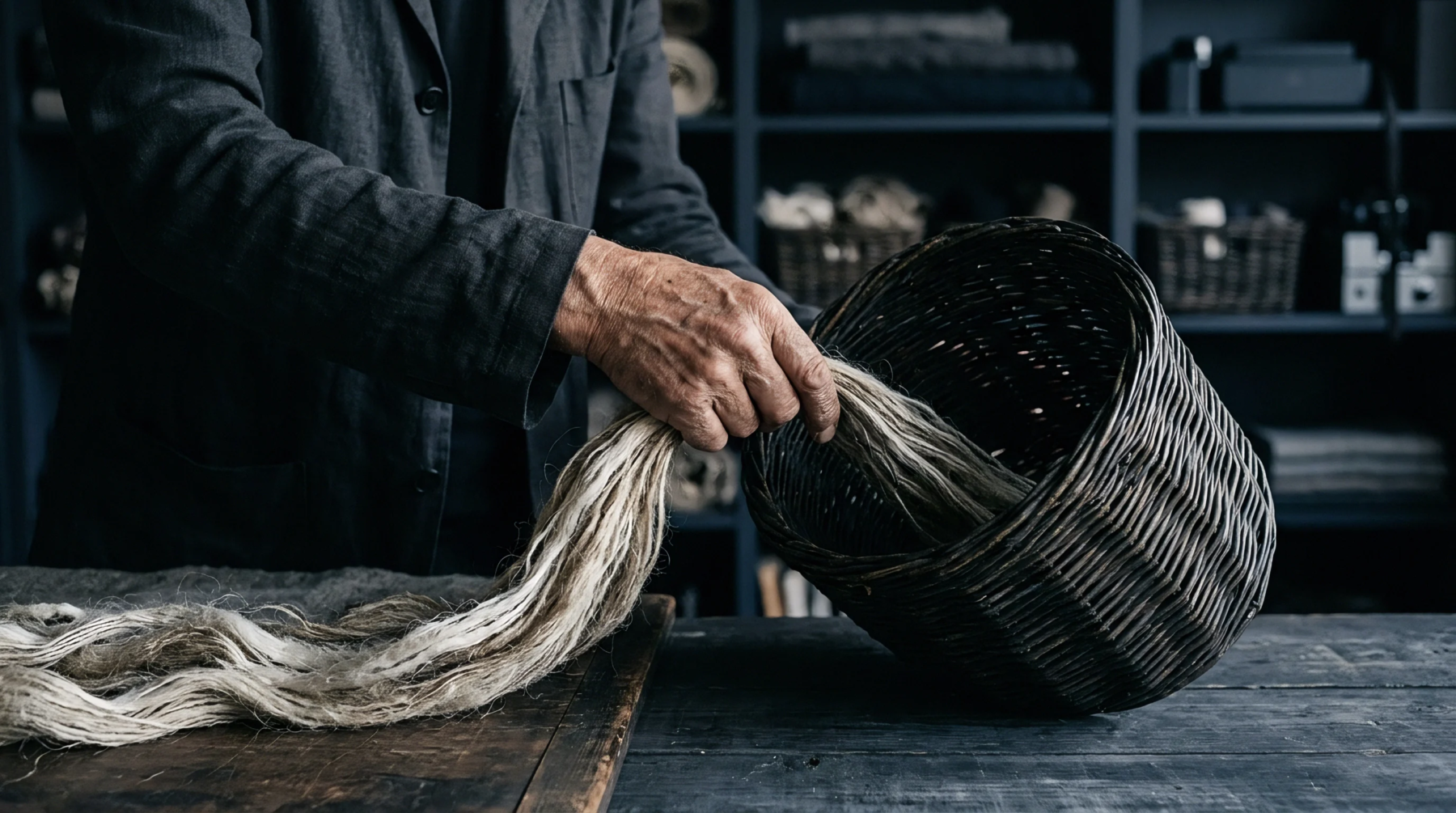
Determining dry mass regain in flax roving requires 105°C thermal drying coupled with solvent extraction corrections to separate water loss from spinning oils.

Accurate mass accounting in wet flax spinning requires deducting 3.5% solubilized pectin and micro-fiber sludge from dry input weights to verify yarn origin claims.
Expertise is a utility, not a secret. sentiention™ publishes its working knowledge as open reference: intelligence layer covering the materials it sources, the markets it enters, and the reference that serves both.