
Metric Fibre Number Claims and the Test Method behind Them
Metric fibre number claims require ISO 2370 gravimetric verification because airflow instruments skew up to fifteen percent across retting types and moisture regains.
Metric fibre number claims require ISO 2370 gravimetric verification because airflow instruments skew up to fifteen percent across retting types and moisture regains.

Verify flax linear density using ISO 1973 cut-and-weigh gravimetry at standard 12% regain to accurately forecast wet-spinning limits and enforce contract pricing.

Standardized air permeability methods convert differential pressure across compressed flax plugs into specific surface area to predict spinnable yarn counts.

Resolving multi-site credit discrepancies requires separating voluntary mass balance ledgers from statutory physical batch origin declarations.

Long staple flax tenacity and scutcher loss dictate yarn spinning limits and processing economics, requiring standardized ISO gauge length testing and mill-level mass balance verification.

ASTM D5430 four-point scoring normalises greige defects per 100 square yards, capping penalties at four points per yard to decide lot acceptance.
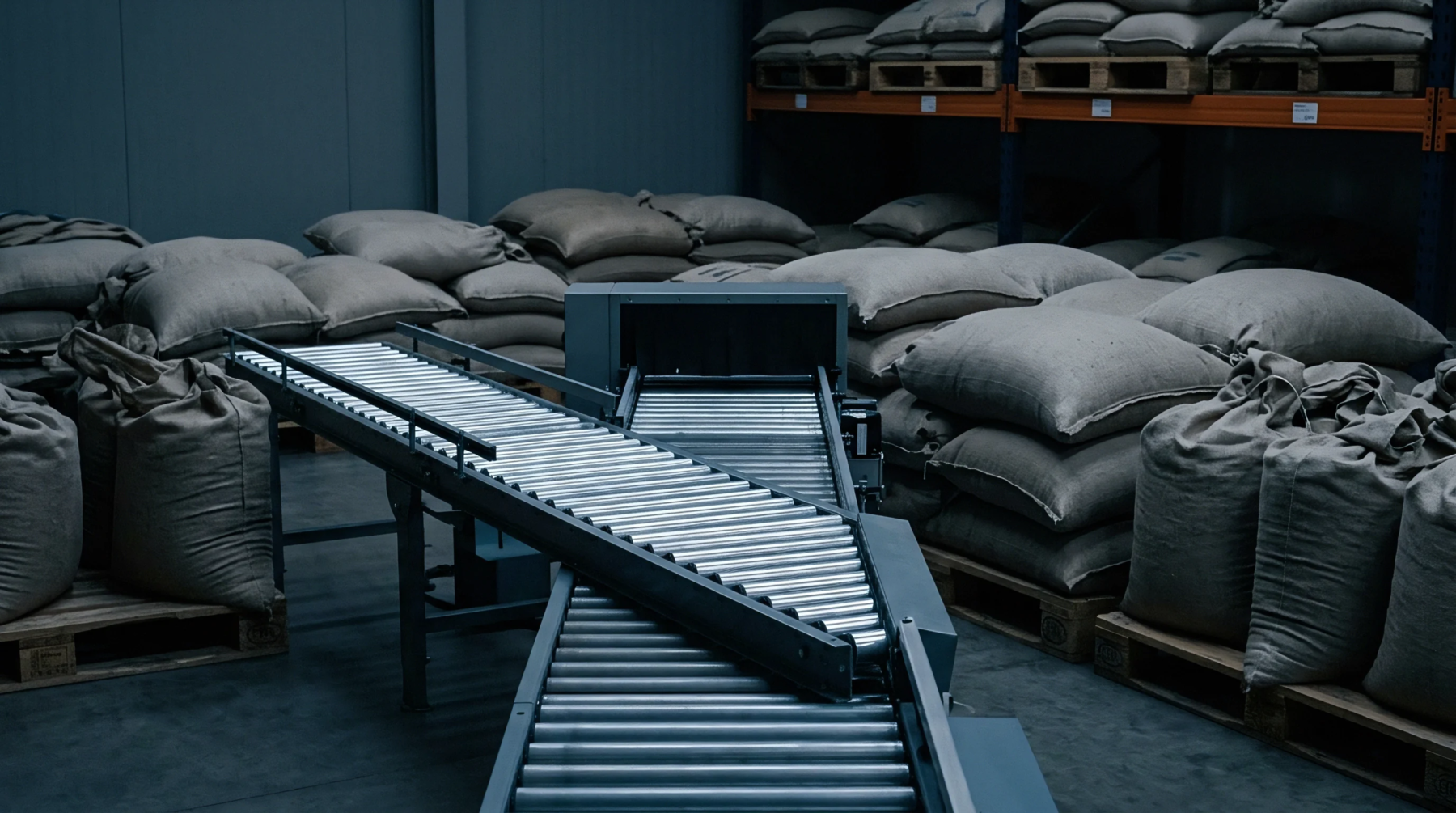
Linen yarn counts and cloth weight must be verified against dry fiber mass plus standard 12 percent moisture regain to eliminate costly moisture billing errors.

Verify flax linear density using ISO 2370 cut length gravimetry on conditioned 50 mm bundles to prevent spinning end breaks and landed metre yield loss.

Yarn friction defect liability caps at 200 percent of raw yarn value based on verified ASTM D3108 friction test failures and digital loom stop records.

Reconciling warp crimp and waste factors prevents yarn budget deficits by capturing cumulative process losses across landed fabric cost models.
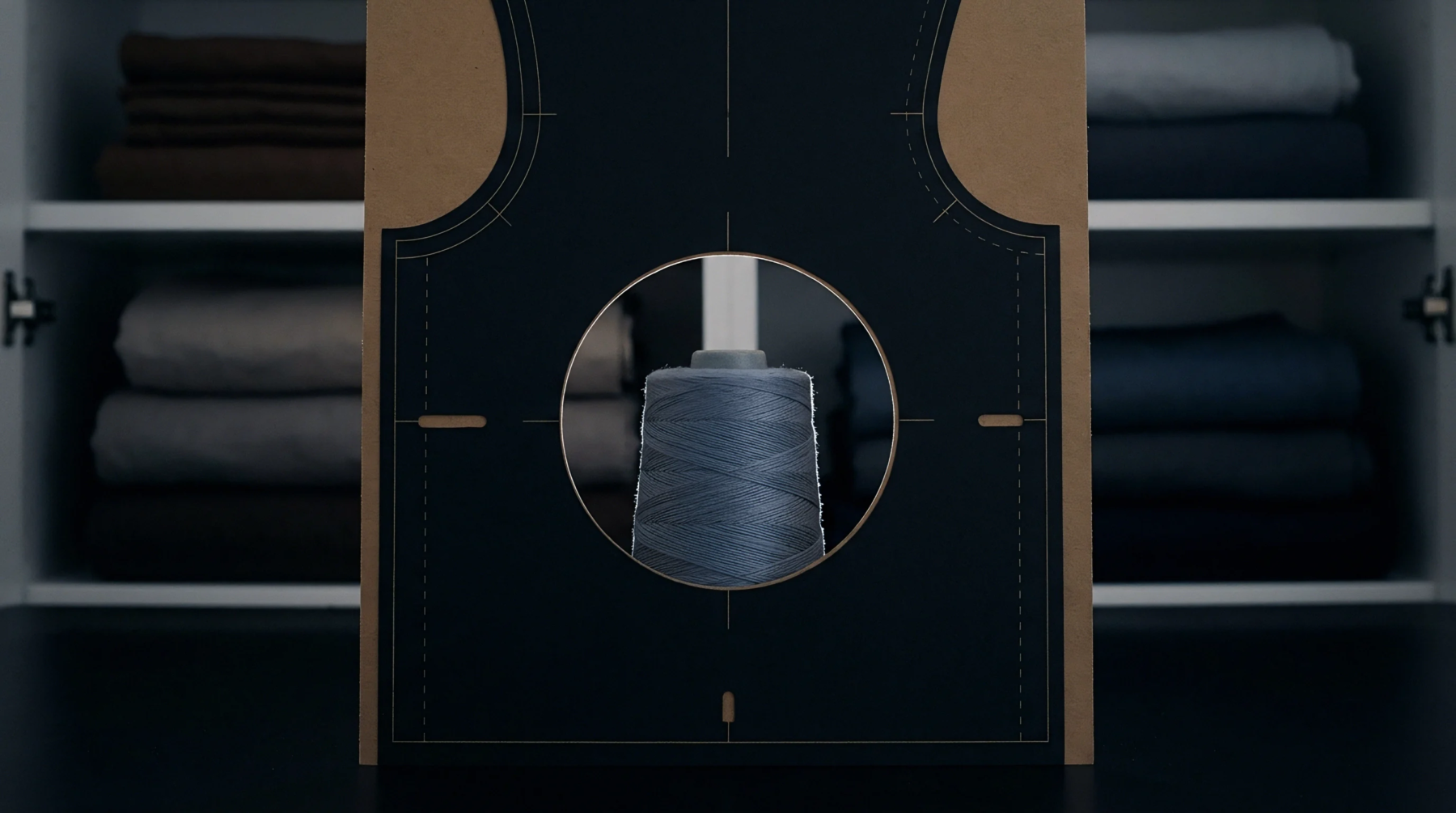
Wet spun flax linear density and mechanical properties depend on strict moisture regain control, hot water pectin drafting, and CRE tensile evaluation.

Verify wet spinning mass ledgers by adjusting raw inputs to standard moisture regain, deducting verified chemical bath extraction losses and weighed mechanical scrap.

Gravimetric flax fineness testing measures cut bundle mass to determine exact linear density in tex, fixing spinnable yarn count and trade valuation.

Linear density conversions for linen require applying official moisture regain factors to Lea and Tex counts to fix structural fabric weights accurately.

Optimizing modified starch PVA acrylic sizing formulations combined with staggered early shedding suppresses friction spikes and stabilizes fine wet spun linen warps.

Differentiating spinning and sizing root causes requires cross-sectional microscopy and high-speed tensile testing to map size encapsulation against yarn mass variation.
Dry cellulosic yield in wet flax roving requires gravimetric tare subtraction, moisture regain adjustments, and chemical boil-off loss corrections per lot.

Standardized testing of flexural hysteresis and crimp balance isolates structural yarn friction, securing dimensional stability and reducing garment scrap.
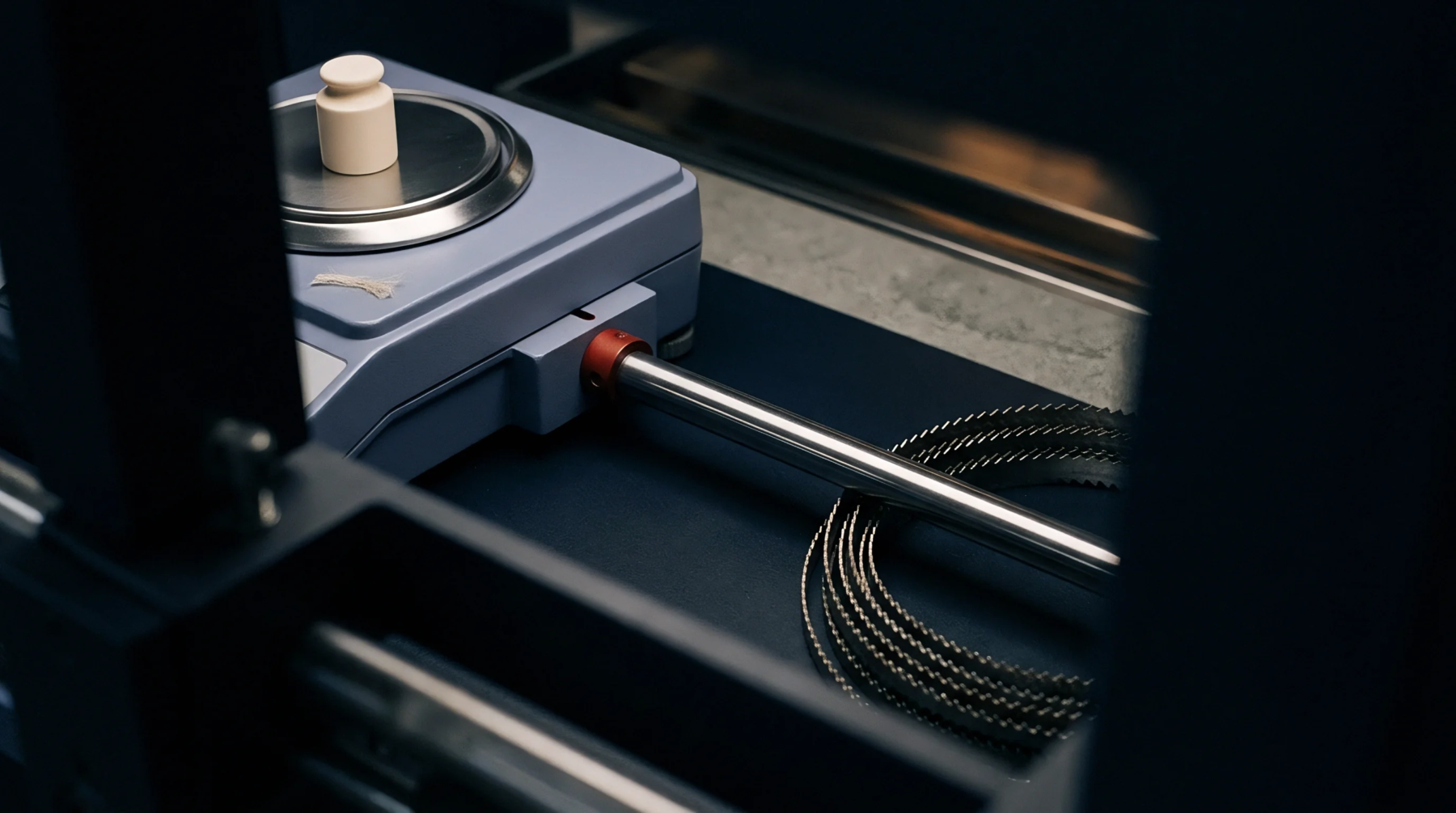
Accurate gravimetric testing of line flax linear density demands dry mass weighing and standard twelve percent regain adjustment per ISO 6741.

Auditing spinning mill mass balance requires reconciling net dry fiber intake against yarn output, waste logs, and moisture adjustments across fixed audit windows.

Intake weighbridge cross checking reconciles gross straw mass, core moisture regain, and soil tare against scutching manifests to verify net fibre yields.

Base moisture regain calculations adjust raw flax bale mass to standard commercial allowances, preventing buyers from paying fibre prices for ambient water.

Reconciling linen weight requires balancing chemical extraction losses against warp crimp contraction to hit target finished areal mass and dimensional stability.
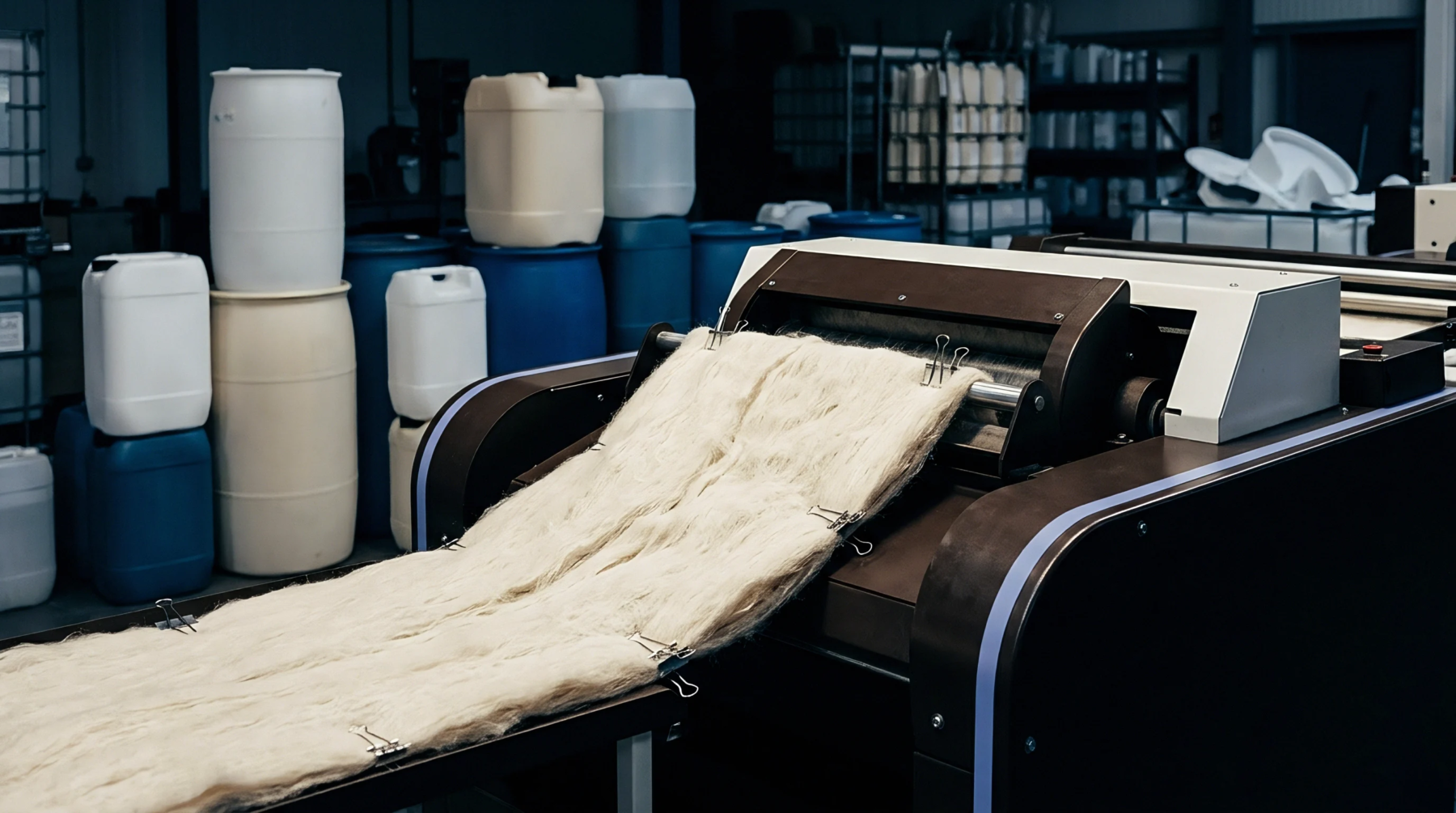
Verifying European Flax certificates in Chinese mills requires matching TC batch weights against raw bale intake logs and wet-spinning combed sliver yields.

Standard flax yarn linear density determination mandates motorized skein reeling under 0.5 cN/tex tension combined with ISO 6741 oven-dry commercial mass correction.

Cross-border linen contracts allocate chain of custody discrepancy risks through lot specific warranties, mandatory mass balance audits, and immediate seller indemnity.

Lot-to-lot flax variance costed via hackling yield formulas protects mill margins by adjusting line sliver pricing before wet spinning.
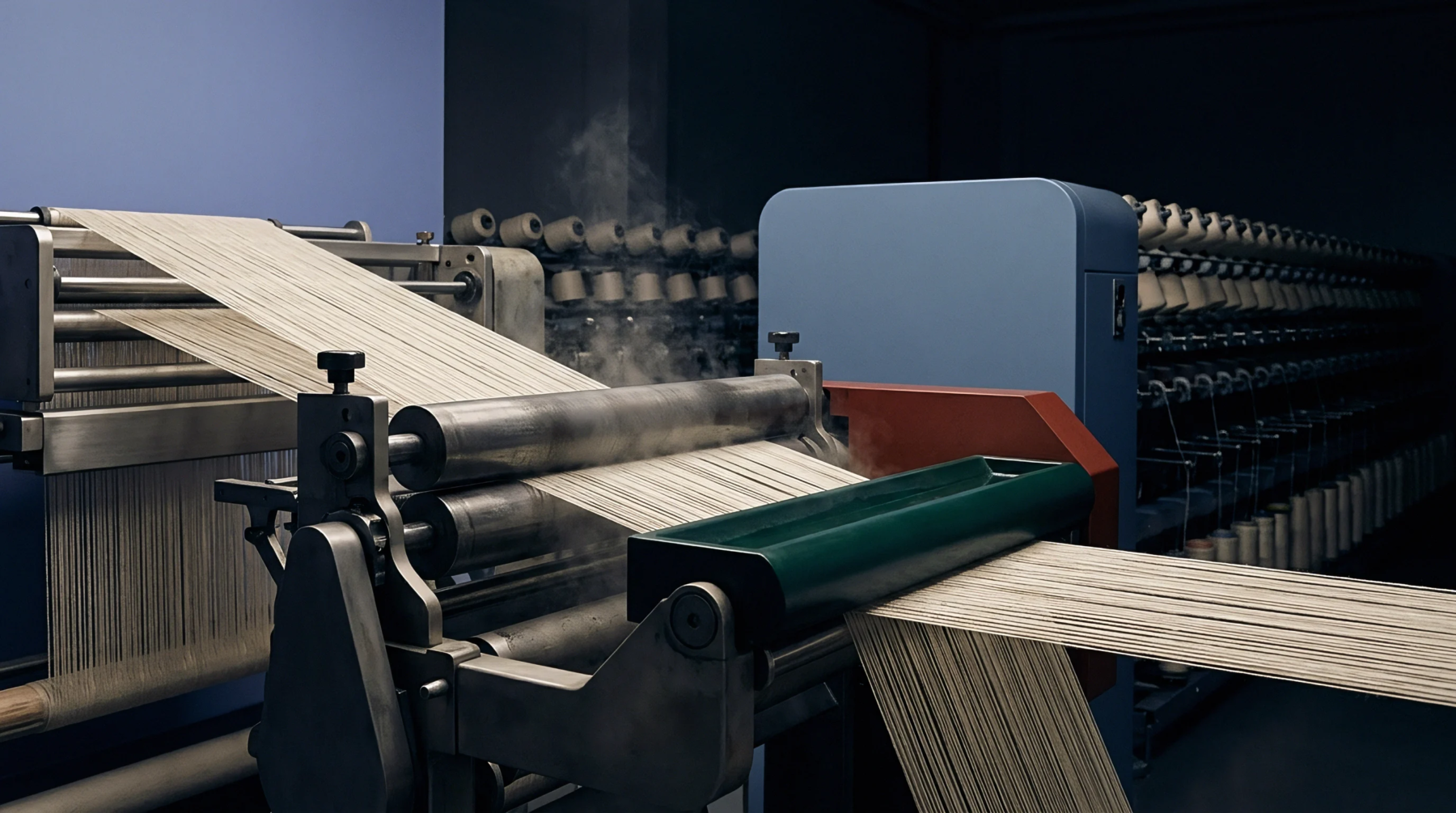
Commercial mass calculations based on ISO 6741 oven-drying protocols protect buyers from paying landed mass prices on sea-transit moisture uptake in flax.

Hackling yield calculations convert scutched line flax mass into spinnable sliver through precise moisture regain corrections and mechanical tow loss balancing.

Exact yarn mass calculation for plain weave greige linen requires converting Lea to Tex, factoring warp crimp, reed width, and 12% standard moisture regain.
Expertise is a utility, not a secret. sentiention™ publishes its working knowledge as open reference: intelligence layer covering the materials it sources, the markets it enters, and the reference that serves both.