Reconciling Moisture Regain Calculations in Customs Tariff Subheading Audits
Reconciling moisture regain requires adding statutory commercial regain percentages to oven-dry laboratory fiber masses to prevent blend ratio tariff reclassification.

Oven
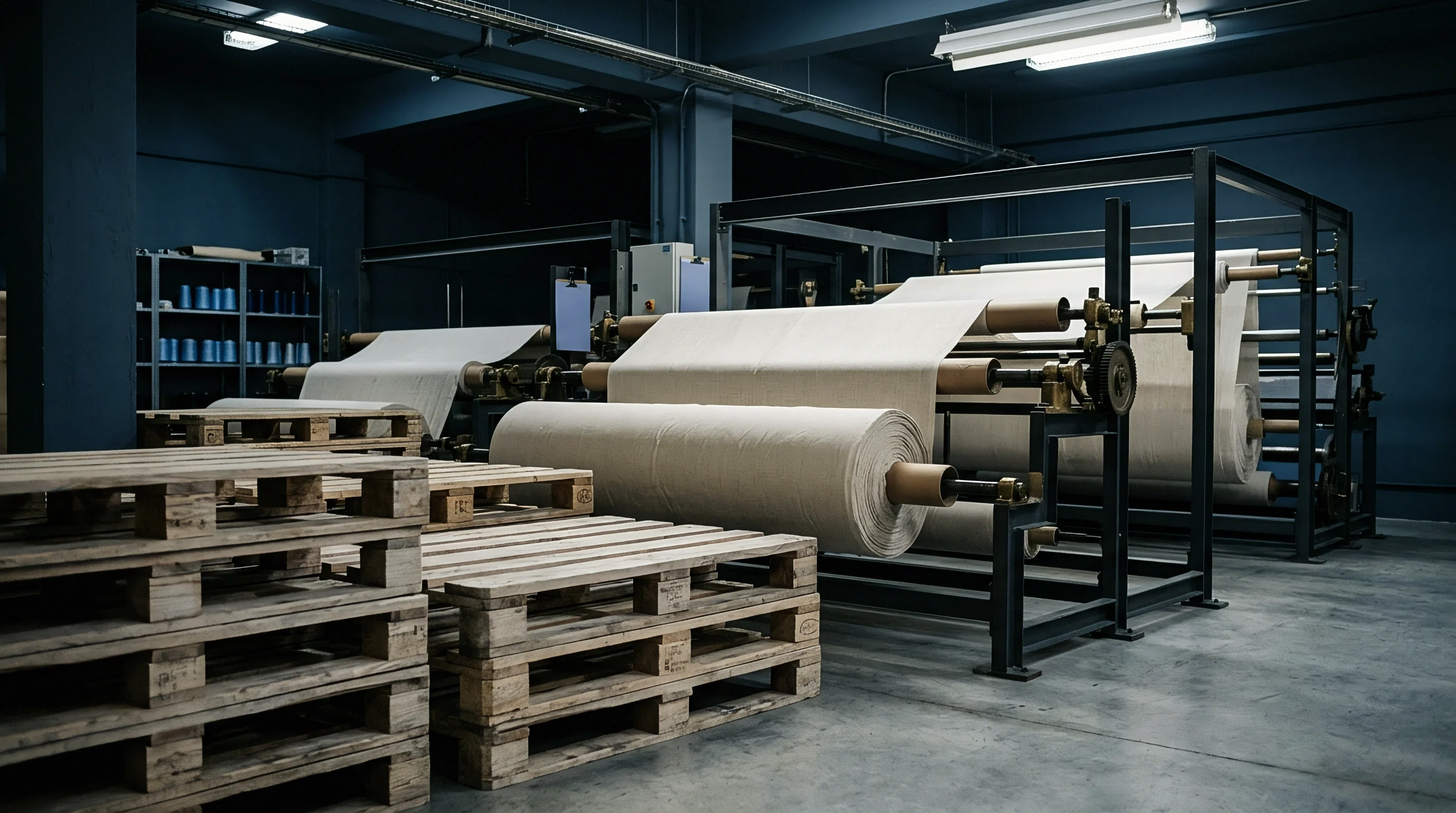
Thermal desiccation removes all unbonded water from textile specimens held at 105 degrees Celsius until consecutive weighings vary by no more than 0.05 percent. Heat drives out this volatile moisture. Technicians in customs laboratories place test skeins or swatches into ventilated conditioning chambers to isolate the anhydrous fiber skeleton.
Audits rely on this dry baseline because ambient moisture fluctuates across ports of entry, shipping containers, and seasonal weather ~ a bale cleared in humid summer air carries measurably more water than the same lot inspected in winter.
Natural bast fibers absorb substantial moisture because of their internal lumen and hydrophilic amorphous cellulose chains, directly altering landed mass. When inspectors draw samples from imported fabric declared under Chapter 53, they do not weigh the bolts directly to establish composition. Instead, the customs laboratory strips non-fibrous matter, size, and lubricants using petroleum ether and enzyme desizing routines specified in ISO 1833-1 or ASTM D629 before thermal drying.
The resulting mass represents the clean, oven-dry substance of the specimen.
Drying a blended textile to absolute desiccation always penalizes the fiber with the higher natural regain allowance.
Unadjusted moisture mass can lead directly to customs penalties. When an importer declares a blend based on raw invoice weight rather than desiccated mass adjusted by legal allowances, recorded percentages diverge from laboratory findings, leading to mandatory duty recalculations and commercial fraud inquiries.

Allowance
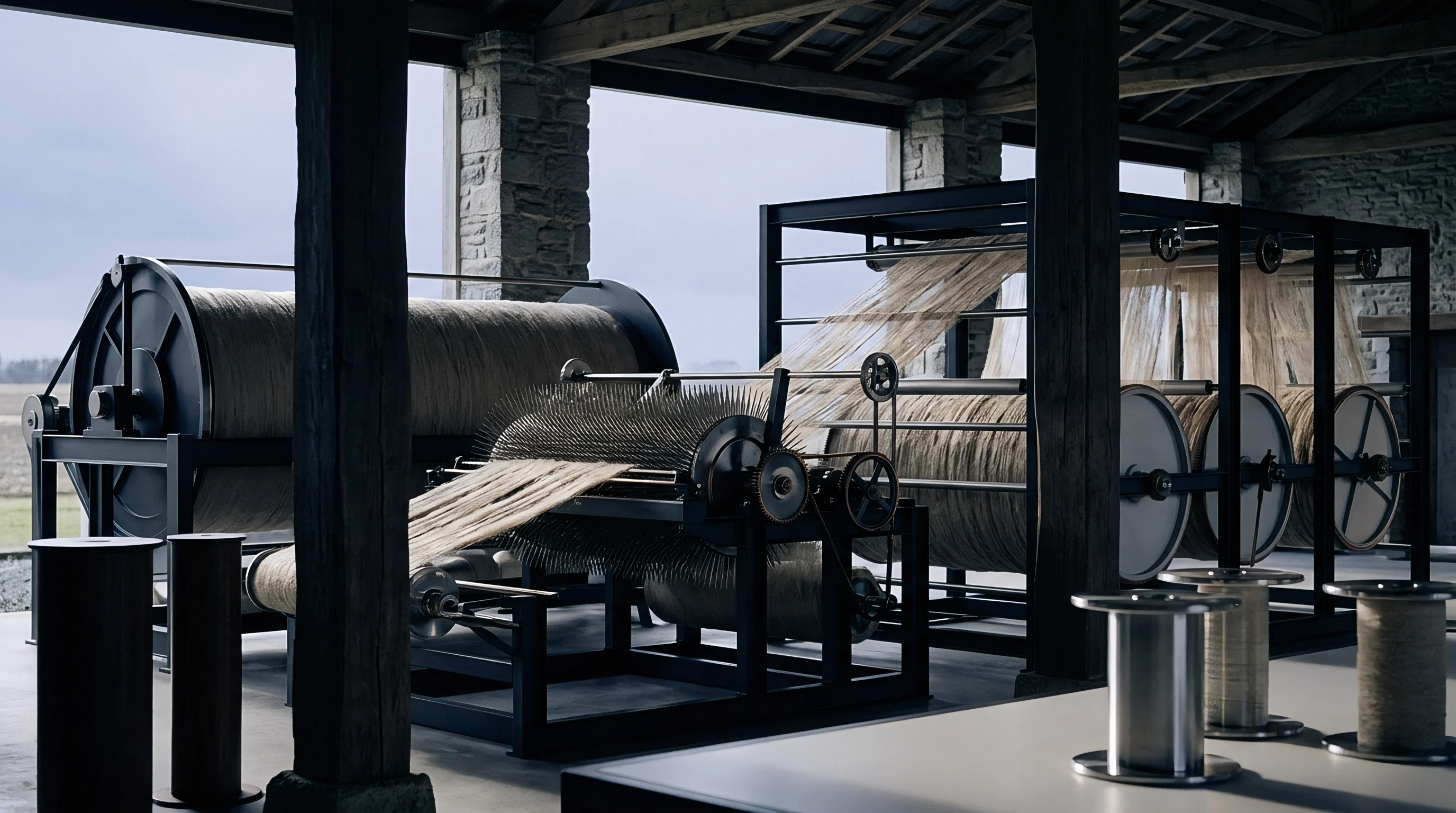
Statutory regain percentages restore nominal moisture mass to dry fiber skeletons so that customs classifications reflect standard commercial practice rather than laboratory dryness. Section XI of the Harmonized Tariff Schedule establishes fixed moisture additions for each textile category. Because cellulose readily binds ambient vapor, linen carries an official commercial moisture regain value of 12.00 percent for yarns and woven goods under European Union Regulation 1007/2011 and United States Customs and Border Protection laboratory directives.
Cotton carries an allowance of 8.50 percent, while polyester receives an allowance of 1.50 percent or 3.00 percent depending on filament structure.

Can Desiccation Testing Invert Predominant Fiber Weight?
Divergent regain rates directly alter the relative weight proportions of blended yarns. Anhydrous laboratory results understate the commercial mass of linen relative to synthetic fibers like polyester or acrylic. Customs examiners apply the statutory regain formula to oven-dry masses before determining chief weight:
Commercial Mass = Oven-Dry Mass × (1 + Commercial Moisture Regain / 100)
Tariff subheadings frequently turn on narrow fractions. If an auditor tests an intimate blend measuring 84.0 percent flax and 16.0 percent polyester by anhydrous mass, applying their respective regains of 12.0 percent and 1.5 percent raises the effective flax proportion above 85.0 percent. The shipment then moves into a different tariff subheading carrying distinct duty rates.
| Fiber Category | HTS Regain Rate (%) | EU 1007/2011 Rate (%) | ASTM D1909 Standard (%) | Governing Condition |
|---|---|---|---|---|
| Flax (Scutched / Raw) | 12.00 | 12.00 | 12.00 | Standard atmosphere |
| Flax (Yarn / Woven) | 12.00 | 12.00 | 12.00 | Dry-spun or wet-spun |
| Cotton (Raw / Greige) | 8.50 | 8.50 | 8.50 | Cleaned natural state |
| Viscose (Rayon) | 13.00 | 13.00 | 11.00 | Regenerated cellulose |
| Polyester (PET) | 1.50 | 1.50 | 1.50 | Dispersed crystalline |
| Polyamide (Nylon 6,6) | 5.75 | 6.25 | 4.50 | High-tenacity filament |
Discrepancies between international regain conventions create points of friction during customs audits. Importers buying from overseas mills encounter varying statutory schedules depending on the jurisdiction of entry.
- Unadjusted dry weight calculation occurs when the certifying laboratory divides oven-dry bast mass directly by total oven-dry sample mass without adding statutory regain percentages.
- Commercial regain mismatch happens when testing bodies apply ASTM D1909 standards to goods entering jurisdictions governed by Annex IX of Regulation 1007/2011.
- Inconsistent non-fibrous extraction arises when laboratories fail to remove water-soluble spinning binders, leading the auditor to register excess mass as raw cellulosic substance.
- Differential blend sorption develops when intimate fiber mixtures condition unevenly during rapid bench handling prior to airtight desiccation weighing.
Linen yarns dry-spun at twenty-two degrees Celsius carry a statutory moisture allowance of twelve percent under customs laboratory guidelines.
Higher natural absorption in bast components guarantees that added regain pushes the final calculated blend proportion toward the plant fiber.

Variance
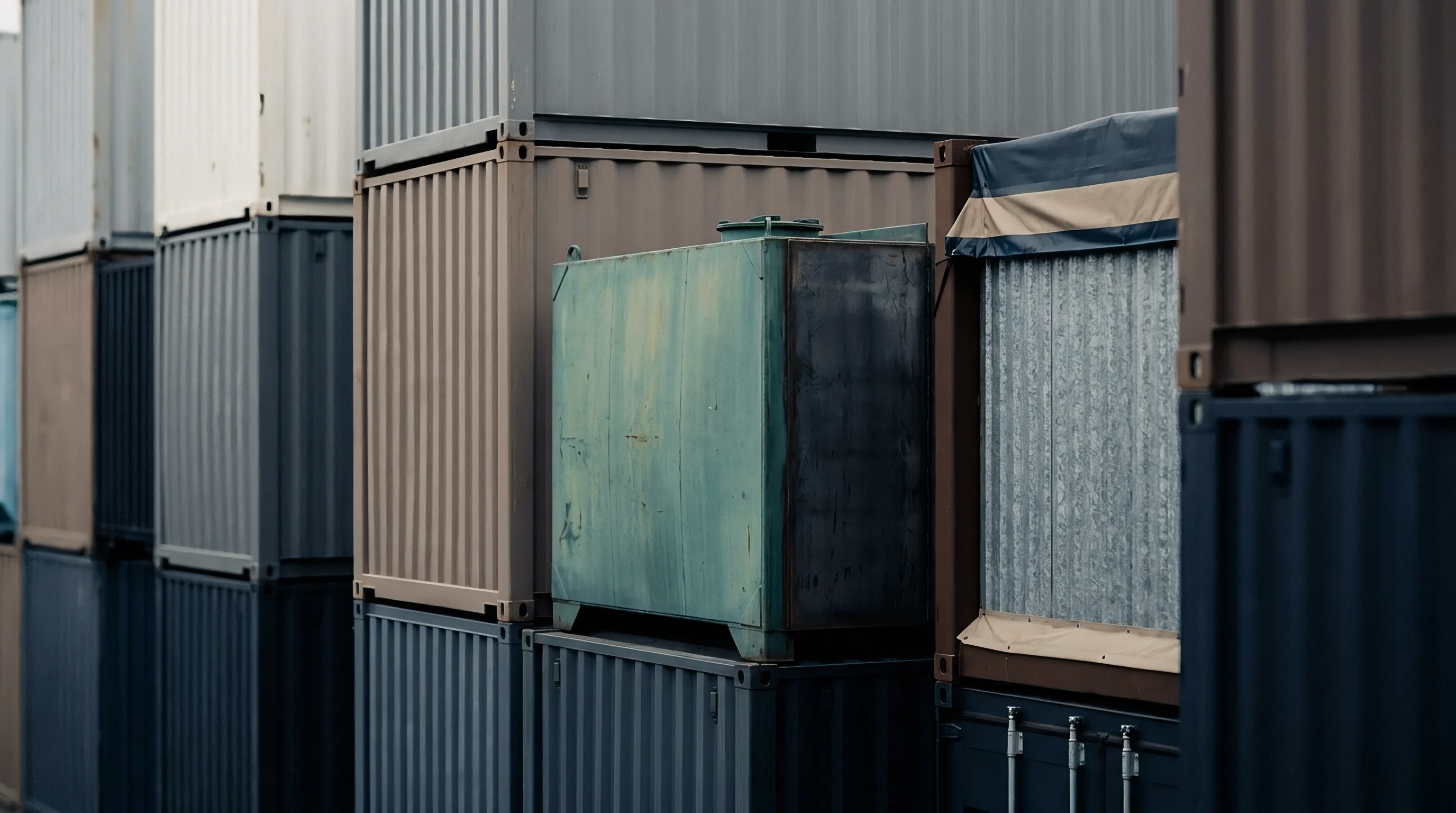
Discrepancies between shipping manifests and border audit analyses arise from atmospheric exchange during maritime transit. Ocean transit through equatorial corridors saturates containerized linen bolts beyond their documented invoice weights. A 40-foot container departing Ningbo or Antwerp absorbs environmental humidity during passage through equatorial lanes, increasing container tare and roll weight without altering the underlying clean yarn count.
Customs chemists disregard transit humidity entirely, relying strictly on thermal desiccation ovens or standardized conditioning chambers operated at 20 degrees Celsius and 65 percent relative humidity.
Consider a documented audit calculation involving a 10,000-kilogram consignment of declared 85/15 flax and cotton blend greige fabric entering customs territory. The customs auditor samples the consignment and subjects the specimens to analytical extraction and desiccation per ISO 1833-1:
- The laboratory extracts a composite test specimen with an initial gross sample weight of 100.00 grams as drawn from the import crate.
- Solvent extraction removes 2.50 grams of wax, sizing, and spinning oil, yielding a clean sample of 97.50 grams.
- Oven drying to constant mass at 105 degrees Celsius yields an anhydrous total mass of 88.00 grams, demonstrating 9.50 grams of ambient water.
- Chemical separation of the fibers via zinc chloride or cupriethylenediamine dissolution isolates the clean anhydrous components: 74.00 grams of pure flax and 14.00 grams of pure cotton.
- The technician applies the statutory regain equations: 74.00 grams × 1.12 equals 82.88 grams of commercial flax; 14.00 grams × 1.085 equals 15.19 grams of commercial cotton.
Section XI Additional Note 2 directs customs examiners to determine fiber composition after adjusting anhydrous dry weights by conventional moisture factors.
Summing the adjusted commercial masses gives 98.07 grams. Calculating the final customs composition yields 84.51 percent flax (82.88 / 98.07) and 15.49 percent cotton (15.19 / 98.07). The consignment falls short of the declared 85.00 percent flax threshold by 0.49 percentage points.
| Fiber Component | Oven-Dry Mass (g) | Anhydrous Ratio (%) | Regain Rate (%) | Adjusted Mass (g) | Customs Ratio (%) |
|---|---|---|---|---|---|
| Flax (Bast) | 74.00 | 84.09 | 12.00 | 82.88 | 84.51 |
| Cotton (Seed) | 14.00 | 15.91 | 8.50 | 15.19 | 15.49 |
| Total Composite | 88.00 | 100.00 | — | 98.07 | 100.00 |
High summer rainfall in scutching sheds swells raw straw before mechanical decortication, altering the resulting yarn balance across the spinning line.


Threshold
Tariff classification under Heading 5309 hinges on precise mathematical demarcations. Fabrics containing 85 percent or more by weight of flax enter under subheadings 5309.11 or 5309.19, which frequently enjoy reduced rates or duty exemptions under preferential trade agreements. Goods containing less than 85 percent fall into subheadings 5309.21 or 5309.29, where general duties apply and non-preferential origin verification tightens, leaving importers solely responsible for classification errors.

Does Statutory Regain Supplant Mill Conditioning Records?
Customs authorities dismiss internal factory lot records, internal mill moisture meters, and delivery tickets whenever official laboratory analysis produces a conflicting result. The auditor recalculates entry duty based on the statutory blend ratio obtained via thermal desiccation and statutory regain. When recalculation drops a fabric below the 85 percent line, the auditor reclassifies the goods, demands retroactive basic customs duty, and assesses additional trade remedy duties where applicable.
- Batch desiccation certificates detailing oven-dry weights, extractive percentages, and statutory regains signed by an ISO 17025 accredited laboratory prior to container sealing.
- Spinning lot mass balance sheets documenting incoming scutched tow or line flax weight against outgoing yarn counts with lot-specific moisture tickets.
- Yarn spec sheets establishing raw dry count versus conditioned commercial count per metric number (Nm) or English cotton count (Ne).
- Weighbridge calibration logs validating the departure tare and gross weight of the freight container at the mill gate against commercial invoice listings.
A standard contractual warranty specifying compliance with customs laboratory methods shifts financial responsibility to the spinning mill when an official audit desiccation fails to match the declared invoice blend.
Exposure
Reclassification of bast textile consignments triggers compounding liabilities that exceed the initial duty difference. Customs authorities review past entries within the statutory audit window, which spans three to five years depending on whether negligence or gross negligence is alleged. When an audit determines that a recurring fabric quality sits at 84.3 percent flax instead of the declared 85.5 percent, every historical shipment of that stock code is vulnerable to retroactive assessment.
Duty follows certified dry mass. In markets applying retaliatory tariffs or specific anti-dumping orders, the boundary between Chapter 53 (flax) and Chapter 55 (synthetic staple fibers) or Chapter 52 (cotton) carries substantial financial implications. The shift of a blend from a bast-predominant heading to a synthetic-predominant heading often introduces punitive tariff schedules.
| Audit Metric | Declared Status (5309.19) | Reclassified Status (5309.29) | Financial Variance |
|---|---|---|---|
| Flax Proportion (%) | 85.20 | 84.10 | -1.10% |
| Applicable MFN Duty Rate (%) | 3.00 | 8.40 | +5.40% |
| Landed Duty Payable (USD) | 12,600 | 35,280 | +22,680 |
| Trade Remedy / Punitive Duty (%) | 0.00 | 25.00 | +25.00% |
| Supplemental Tariff (USD) | 0 | 105,000 | +105,000 |
| Potential Penalty Assessment (USD) | 0 | 70,560 | +70,560 |
Civil penalties for negligent misclassification under statutes such as 19 U.S.C. 1592 reach up to two times the lawful duty loss or twenty percent of the entered value of the merchandise. Because disputes turn strictly on statutory arithmetic, importers operating on thin margins face rapid balance-sheet depletion when customs laboratories apply anhydrous drying and commercial regain formulas to historical entries.
Whether customs administrations will eventually adopt real-time near-infrared spectroscopic moisture analysis at the border to bypass lengthy laboratory desiccation disputes remains uncertain.