
Flax Fiber Grade Metrics and Raw Lot Quality Parameters
Raw flax grading requires correlating technical bundle fineness and retting pectin decay with hackling yields to establish wet spinning count limits.
Raw flax grading requires correlating technical bundle fineness and retting pectin decay with hackling yields to establish wet spinning count limits.
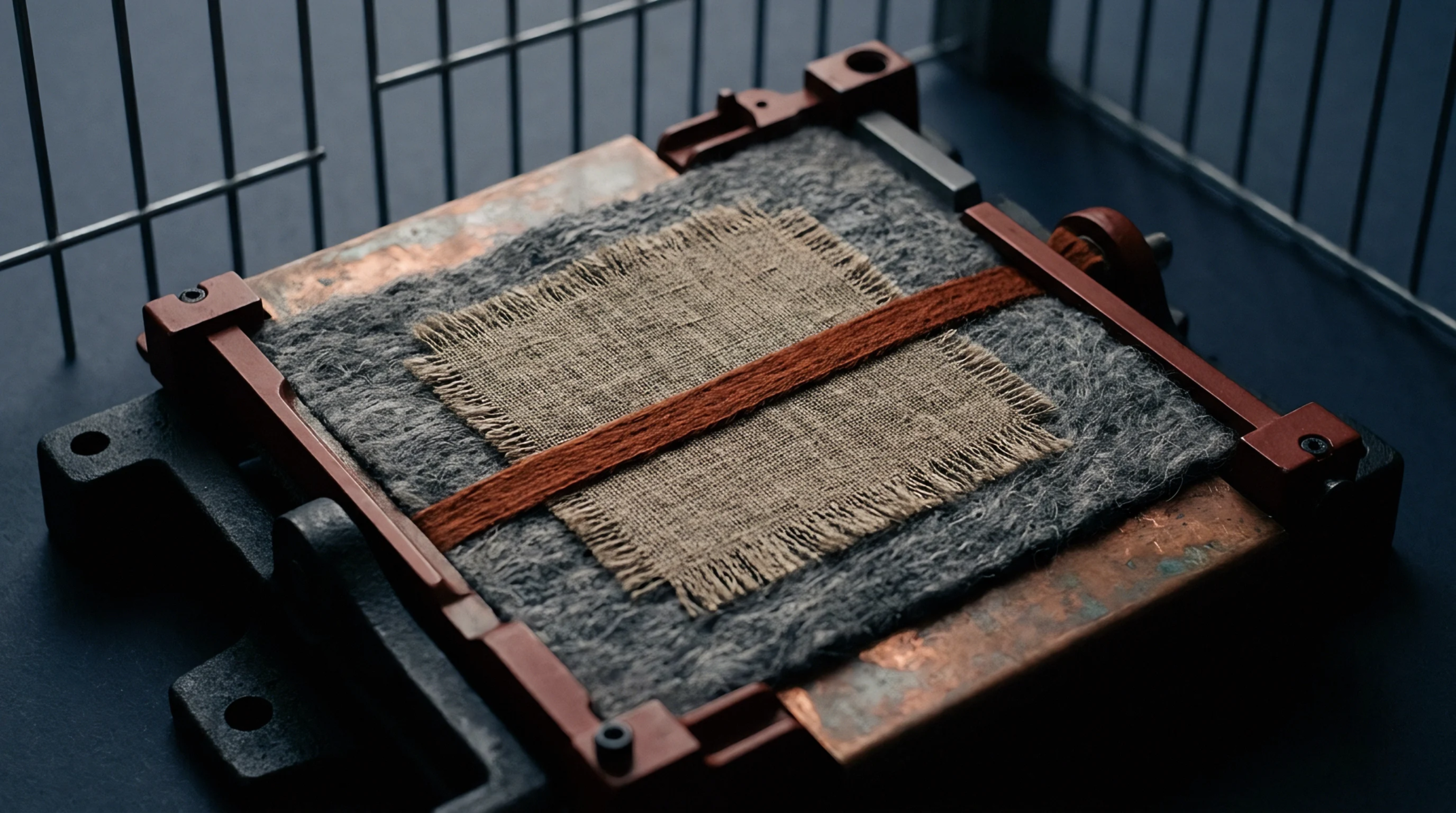
Differentiating line from tow flax in ambiguous quotes requires verifying staple length over 500 mm, shive below 3%, and hackling yields above 50% by contract.

Scutching confers non-preferential origin when mechanical decortication permanently transforms raw straw into clean fiber under verified mass balance audit dockets.

European Flax chain of custody requires batch-level Transaction Certificates for every transfer, separating raw fibre origin from customs manufacturing origin.

Flax fibre grading determines spinnable yarn count, where hackling yield and fibre fineness dictate wet-spinning efficiency and landed cost per metre.

Wet-spun flax yarn commands higher per-kilo pricing due to hackling loss, while dry-spun tow yarn offers cost efficiency for counts under twenty metric.

Landed flax contracts adjust invoice mass by converting quay scale weights to dry cell wall mass using ISO 6741 oven tests before applying 12% standard regain.

Gravimetric flax fineness testing requires correcting bone dry bundle mass to 12% standard regain to prevent count errors and landed cost distortions

Verify scutching yield metrics and fiber alignment parameters to defend Chapter 53 customs entry declarations and eliminate origin liability.

Customs tariff classification for flax requires precise verification of mechanical processing state, yarn twist insertion, and quantitative dry fiber mass composition.

Classification between Chapter 53 flax and Chapter 63 made-up linen depends strictly on Section XI Note 7 edge finishing, sewing, and structural shape criteria.

Metric fibre number claims require ISO 2370 gravimetric verification because airflow instruments skew up to fifteen percent across retting types and moisture regains.
Expertise is a utility, not a secret. sentiention™ publishes its working knowledge as open reference: intelligence layer covering the materials it sources, the markets it enters, and the reference that serves both.