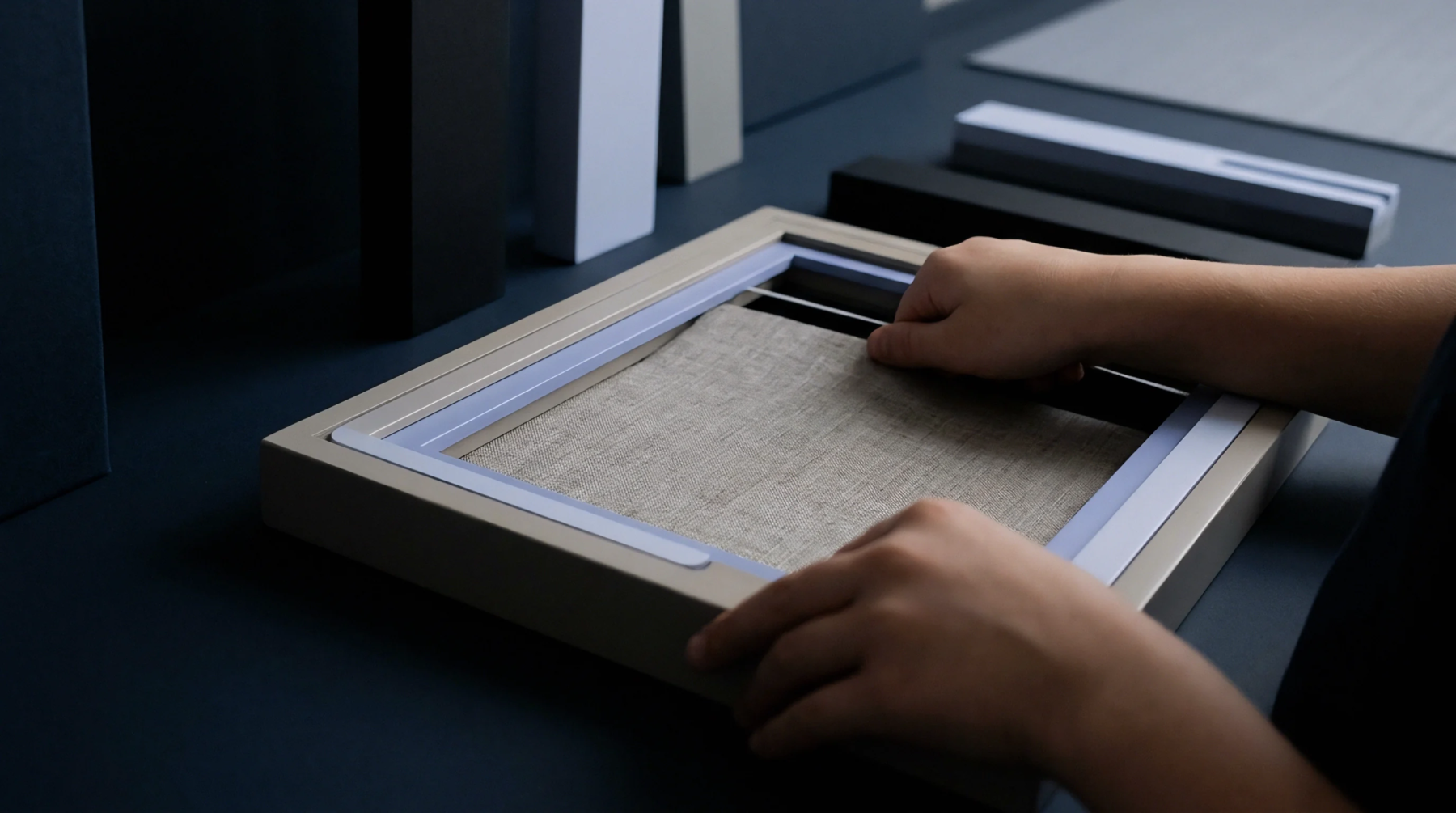
Aspiration Collection
Airborne byproduct extraction measures the volume of loose fibers, dust, and shives captured by vacuum systems at the drafting and spinning points of a textile frame. This material, categorized as pneumatic suction waste, represents fiber that failed to incorporate into the twisted yarn structure during the spinning process. High volumes of this waste indicate poor fiber cohesion or excessive dry-ness in the spinning room.
Recovery Method
Pneumatic systems use suction nozzles positioned close to the delivery rollers to immediately capture broken ends and loose debris. When a yarn breaks, the continuous feed of roving is redirected into the suction duct to prevent it from wrapping around the rollers or fouling adjacent spindles. This accumulated pneumatic suction waste is collected in a central filtration chamber, where it is weighed to determine the spinning room efficiency.
In linen mills processing wet-spun yarn, dry suction waste must be segregated from wet waste to prevent mold and to allow for proper fiber recycling.
Material Yield
Economic monitoring in linen spinning depends on minimizing the generation of these byproducts during each shift. Spinners measure this waste to calculate the conversion efficiency of roving to yarn. High waste percentages directly increase the unit cost of the finished linen yarn.