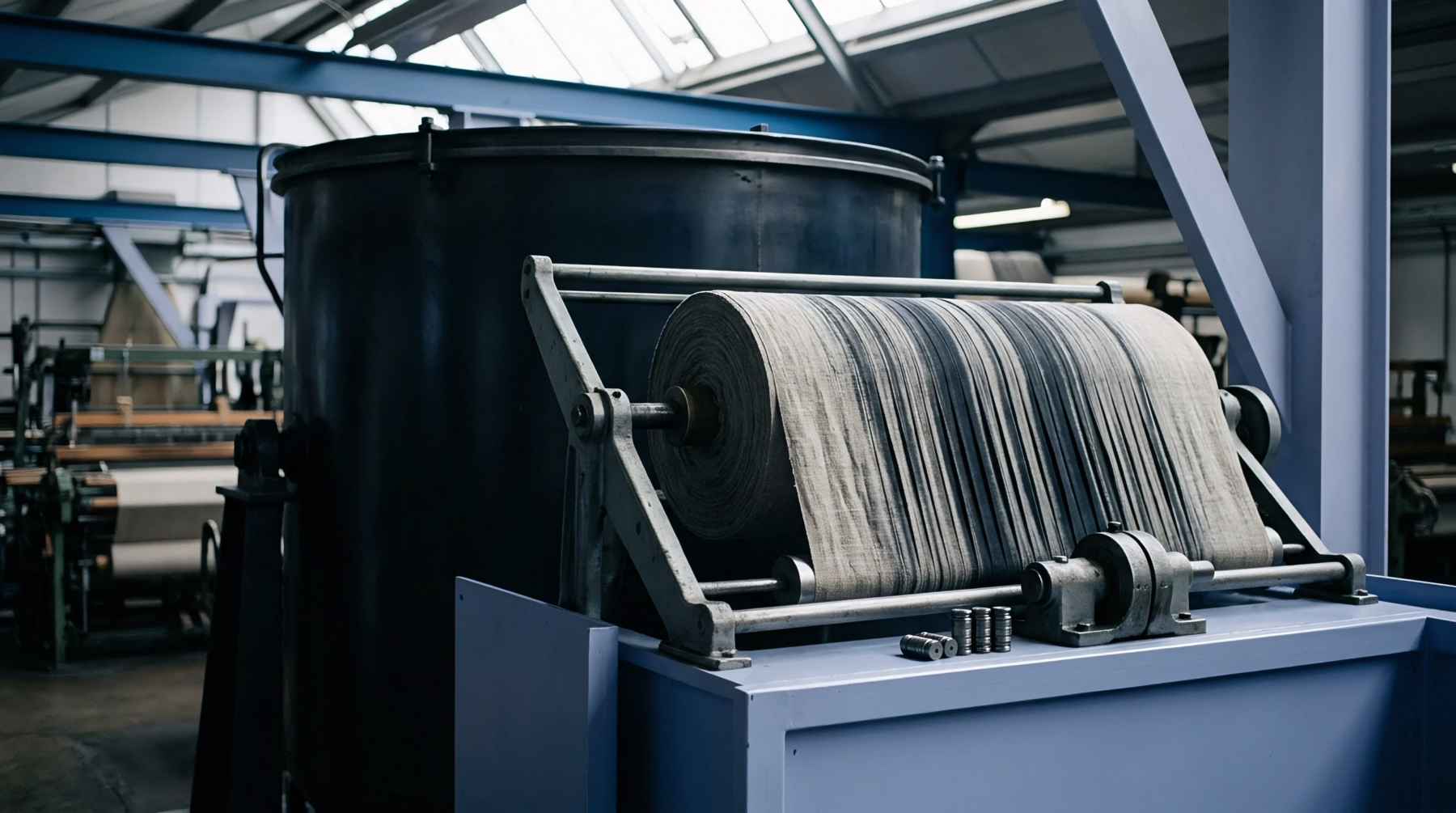
Fabric Inspection Standard
Standardized fabric inspection protocols establish the baseline for assessing woven textile quality prior to shipment. The astm d5430 four point grading system provides a systematic method for assigning penalty points to fabric defects detected during visual examination. This standard applies to both grey and finished woven fabrics, ensuring that buyer and seller use the same metrics for acceptance.
Defect Point Allocation
Penalty values are determined strictly by the length of the defect rather than its severity or type. Defects measuring up to three inches receive one point, those between three and six inches receive two points, and those between six and nine inches receive three points, while defects exceeding nine inches are assigned four points. No single yard of fabric can accumulate more than four points under this procedure, which simplifies the tallying process on the inspection floor.
Holes and other structural damages are also scored according to their size using this progressive scale.
Quality Threshold Determination
Mill shipments are accepted or rejected based on the total accumulated points per hundred square yards of inspected material. A maximum threshold is agreed between the buyer and the mill before production begins. For linen fabrics, this limit is often set higher due to the natural presence of slubs and irregular yarn thicknesses.