Atmospheric Regulation
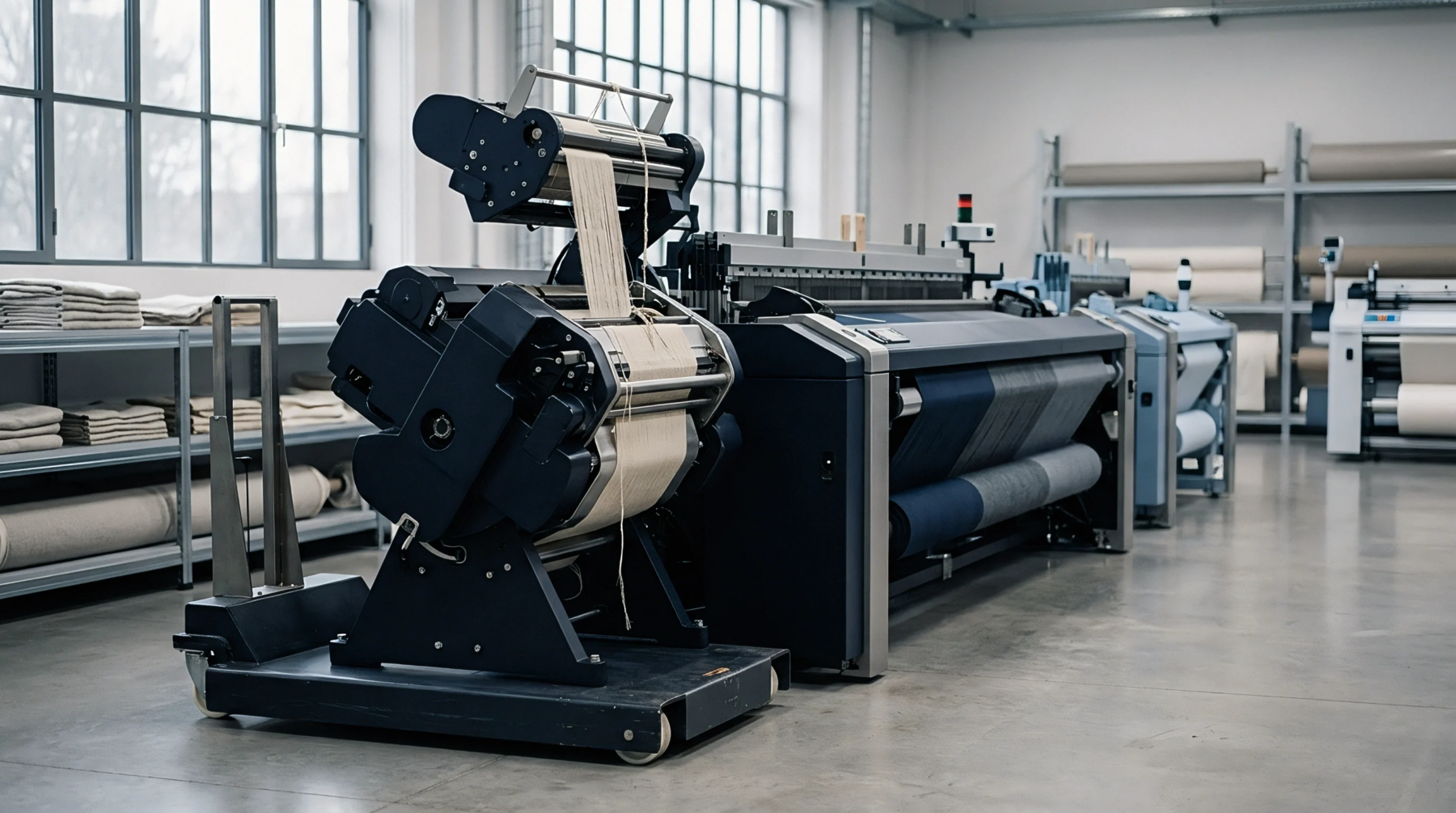
Moisture retention within the production hall governs the mechanical performance of flax yarn on high speed looms during conversion into finished linen cloth. Relative humidity weaving shed parameters dictate whether warp tension remains stable during repetitive shedding cycles. Modern production floors monitor ambient moisture continuously to prevent yarn breakage caused by excessive dryness or fiber softening induced by surplus water vapor.
Moisture Control
Air conditioning units inject fine water droplets through high pressure nozzles suspended above the machinery arrays to keep the hygroscopic flax fibers sufficiently pliable. Low vapor pressure causes the dry warp threads to snap against adjacent harness wires, whereas high saturation levels make the wet yarn sticky and prone to snagging on the reed. Supervisors record these atmospheric readings hourly in the production log to satisfy the quality assurance protocols demanded by European garment brands.
Fabric Quality
Cloth inspectors evaluate the finished material against buyer acceptance criteria that penalize uneven density resulting from fluctuating moisture conditions during the manufacturing phase. Fiber grades determine the raw material ceiling, but the ambient moisture state within the production hall ultimately dictates whether the woven batch achieves first quality status or gets relegated to secondary discount stock. Documented moisture logs form the permanent record accompanying each export lot to prove adherence to contractual specifications.