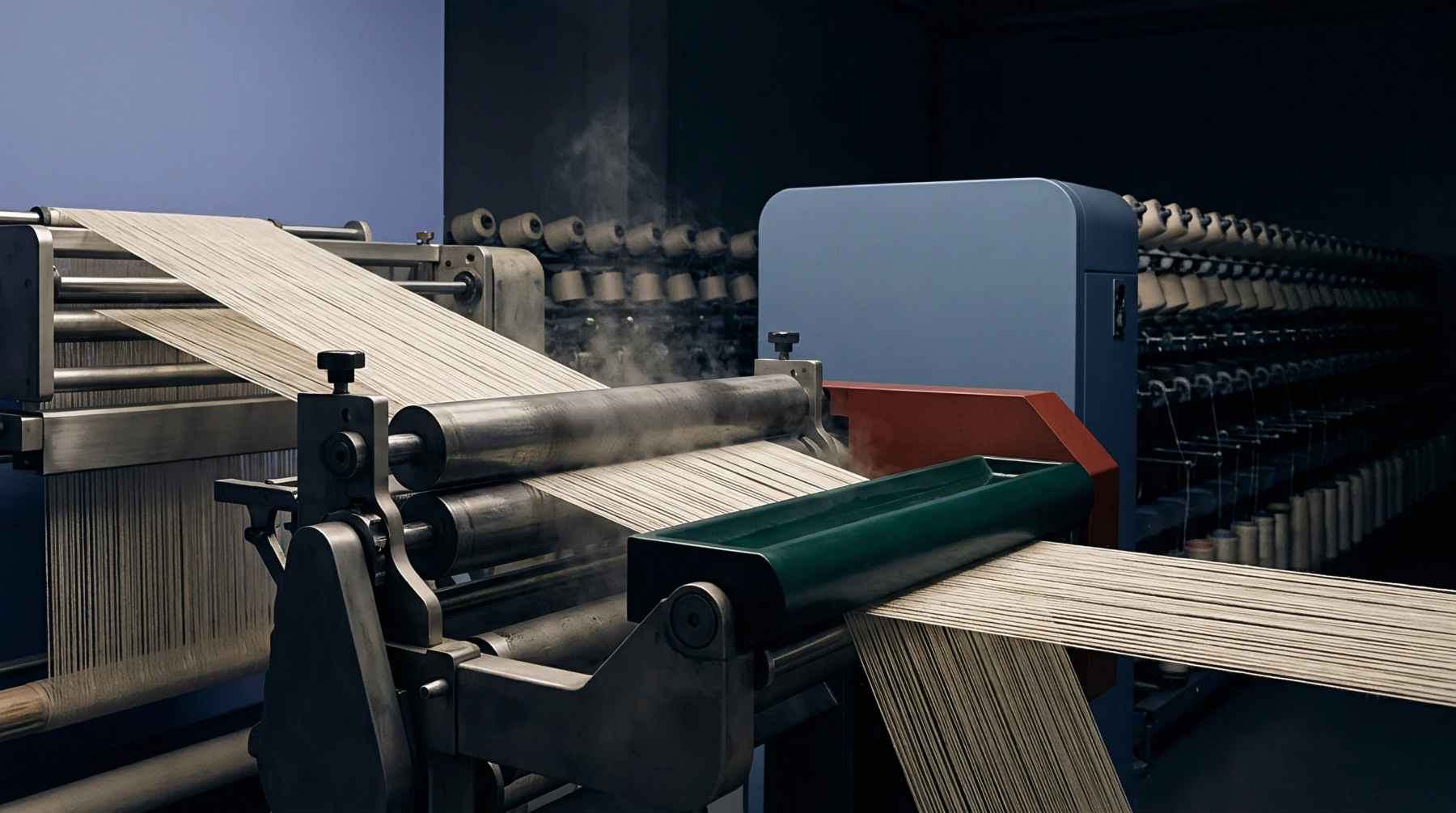
Yarn Surface Hairiness Mitigation and Sizing Film Cohesion for Wet Spun Linen Weft Insertion
Polymer single-end sizing binds wet-spun linen fibrils below 50 s3 hairs per 100m, elevating loom speed to 700 ppm and cutting total landed weaving costs.
Polymer single-end sizing binds wet-spun linen fibrils below 50 s3 hairs per 100m, elevating loom speed to 700 ppm and cutting total landed weaving costs.
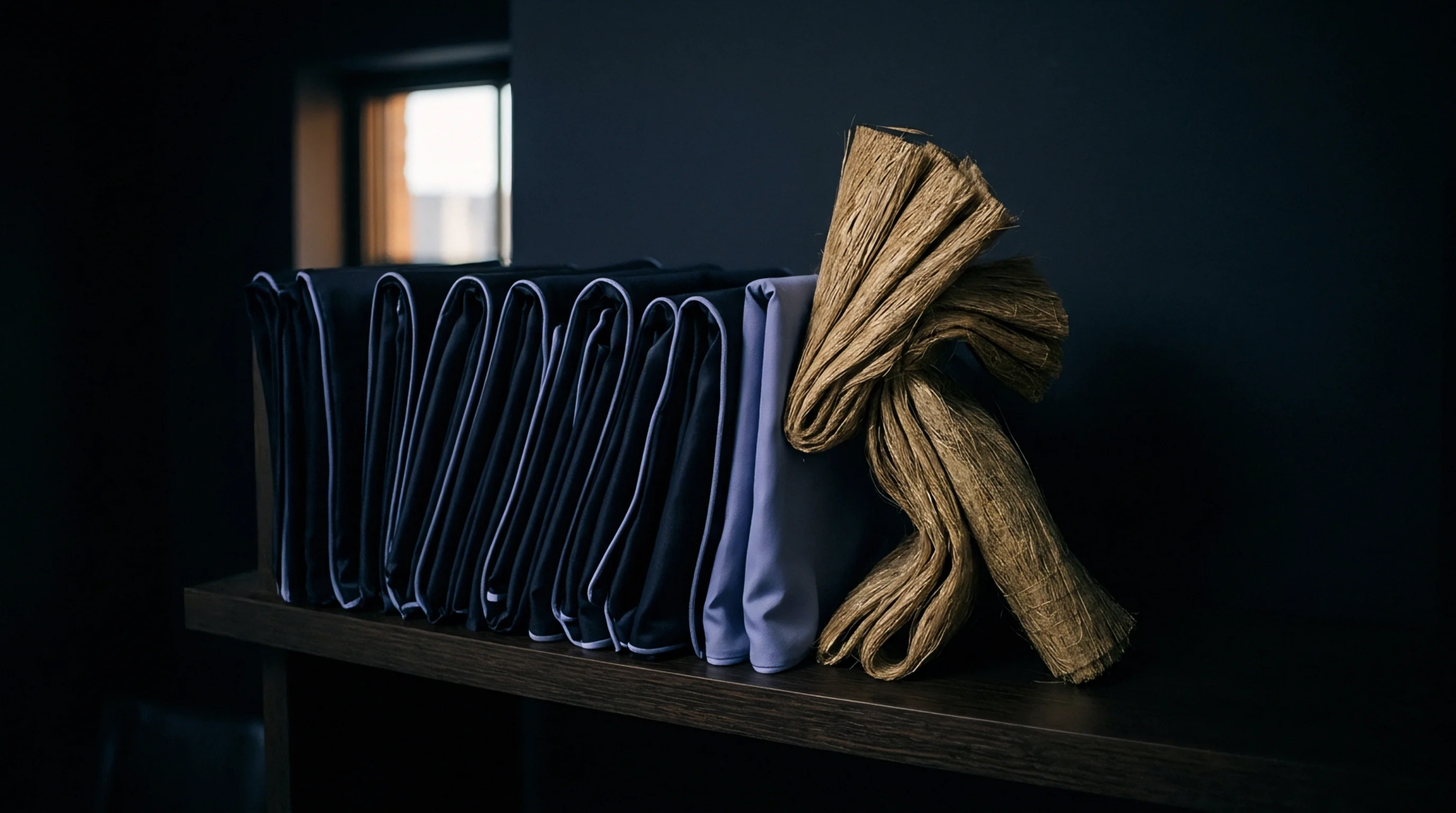
Controlled hot water soaking leaches middle lamella pectins so drafting roller shear divides technical bundles into elementary fibrils without fibre fracture.
Staple length distribution dictates wet spinning limits because unguided short fibers trigger attenuation waves that multiply end breaks and inflate cost per meter
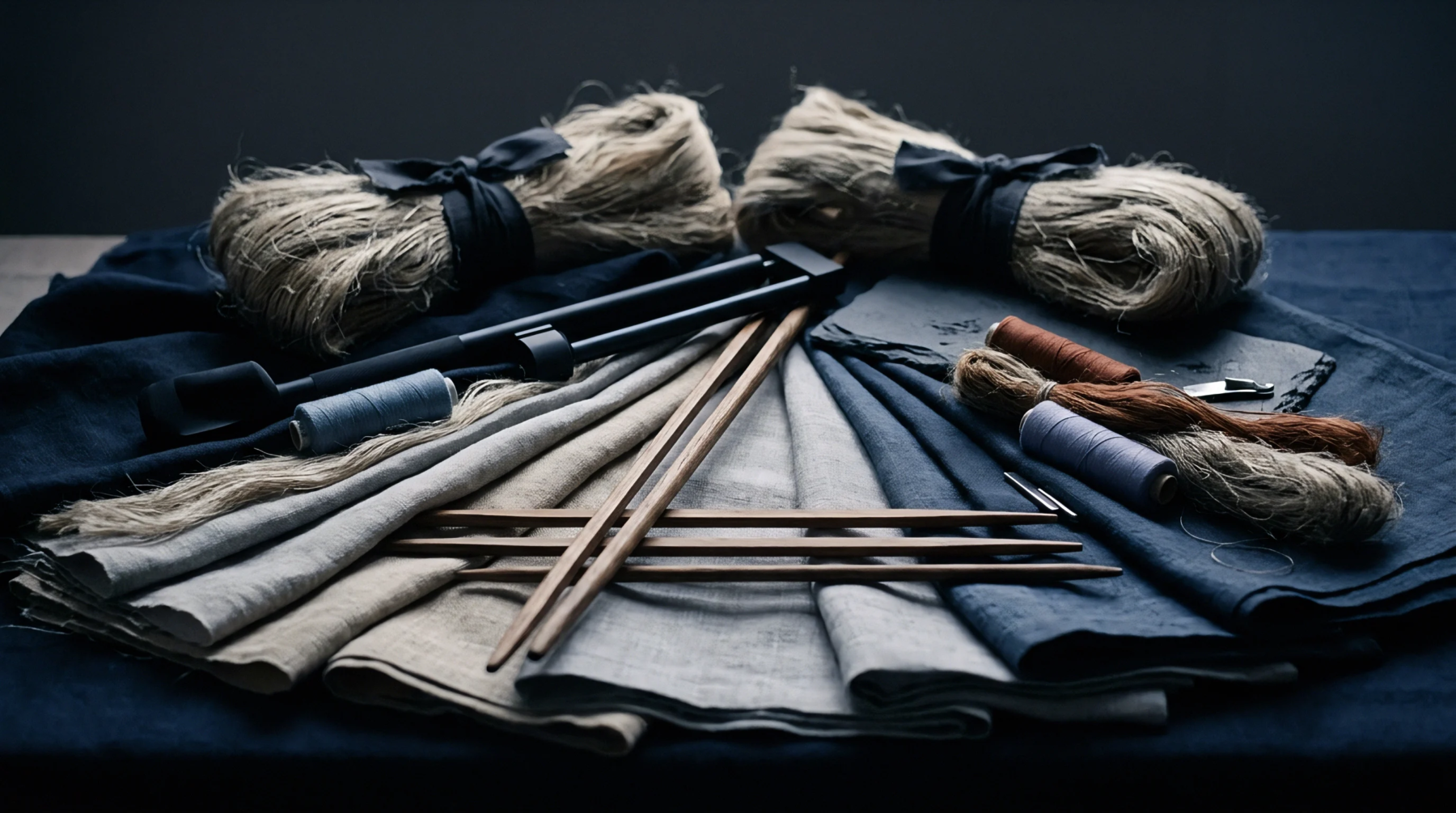
Wet spun flax tenacity peaks in medium counts where drafting trough pectin removal balances inter-fibre alignment with frictional twist cohesion.
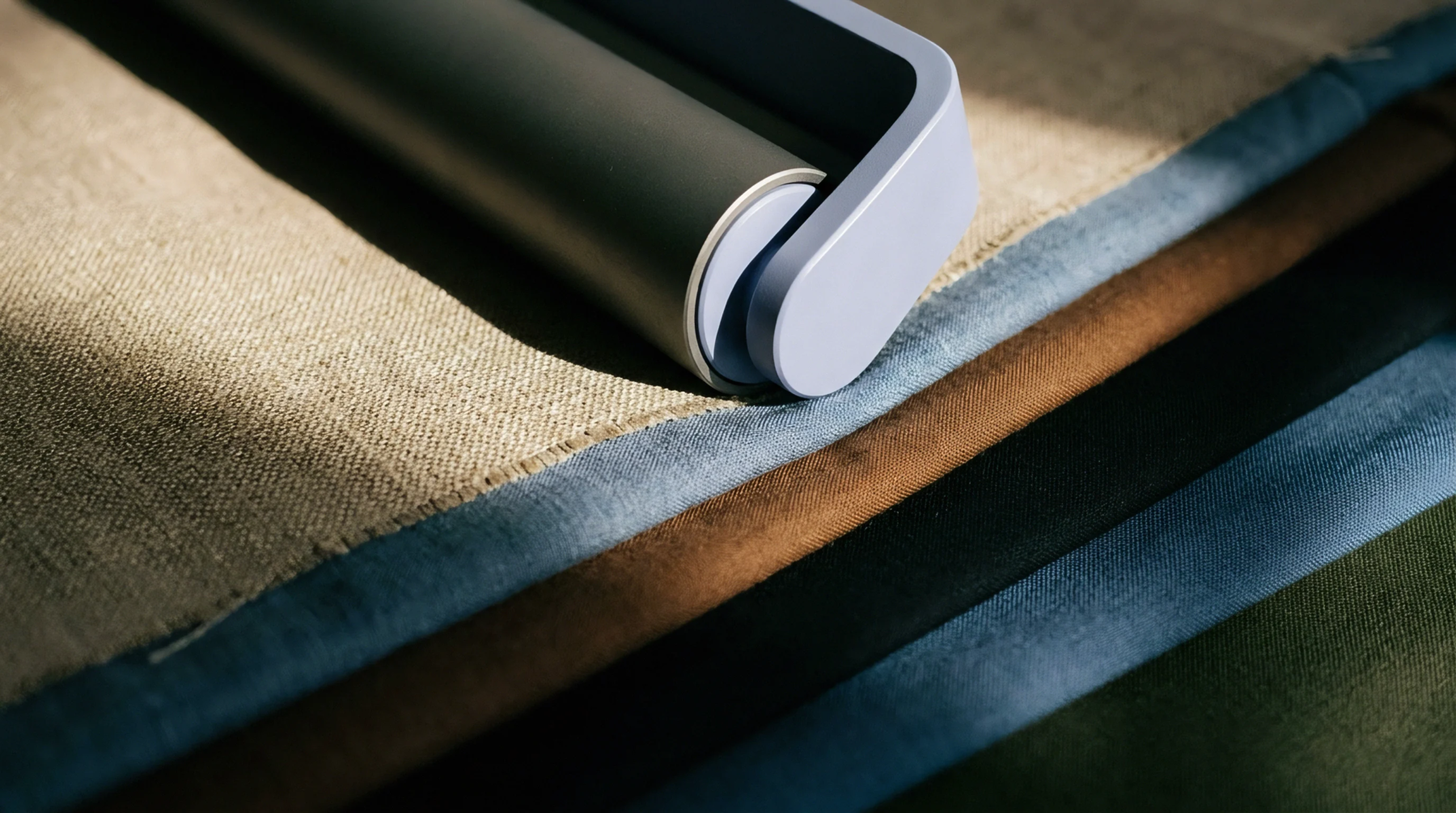
Selecting an 11.8-millimetre Pressley clamp gauge over zero gauge measures inter-filament pectin shear, yielding tenacity figures that predict flax spinning performance.

Airflow fineness measurement on hackled flax converts pneumatic resistance to metric count, requiring retting-specific calibration to avoid spinning failures.
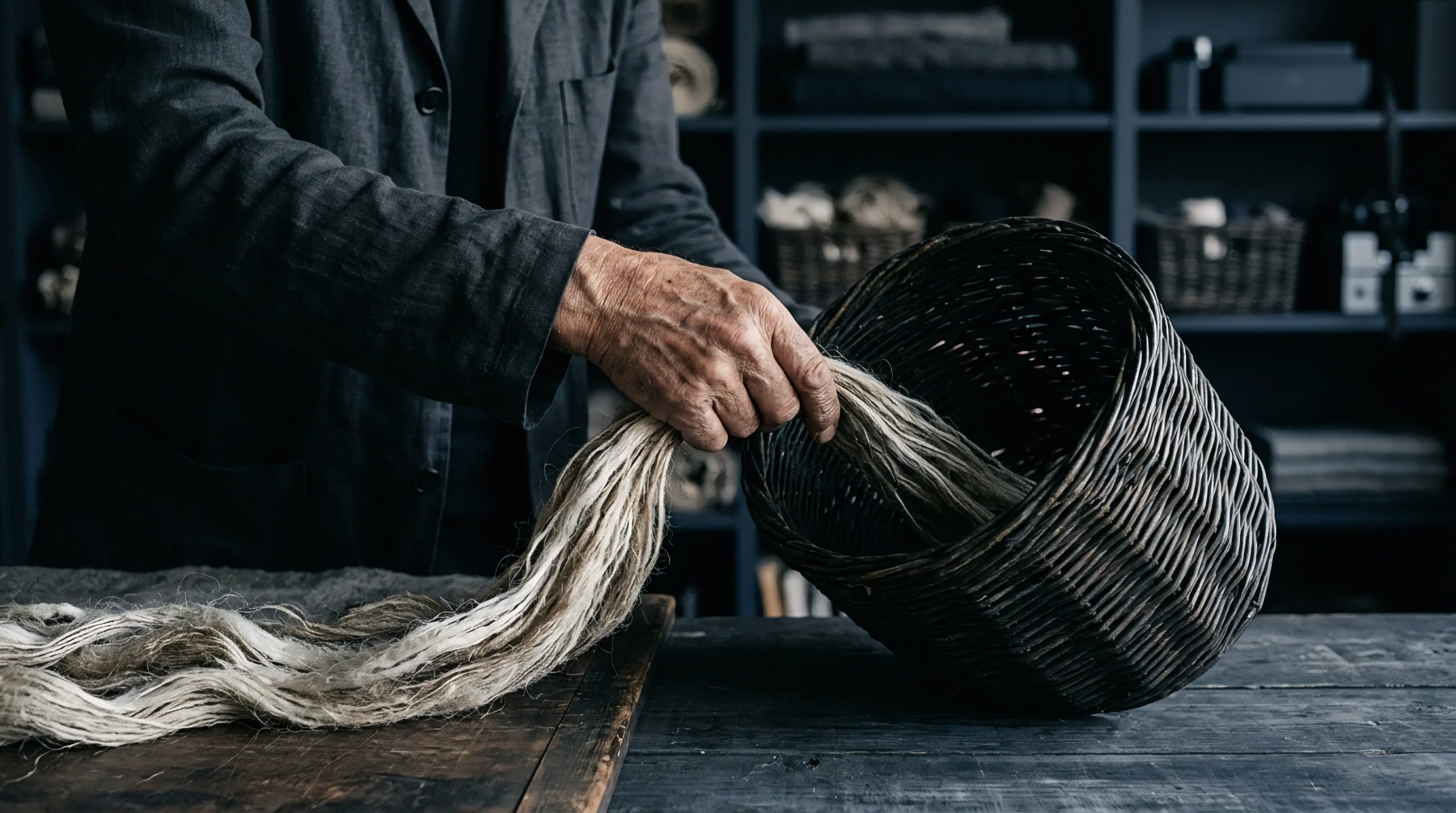
Air permeability through bast bundles under ISO 2370 dictates the maximum spinnable wet count by defining available elementary fibrils per drafting cross-section.
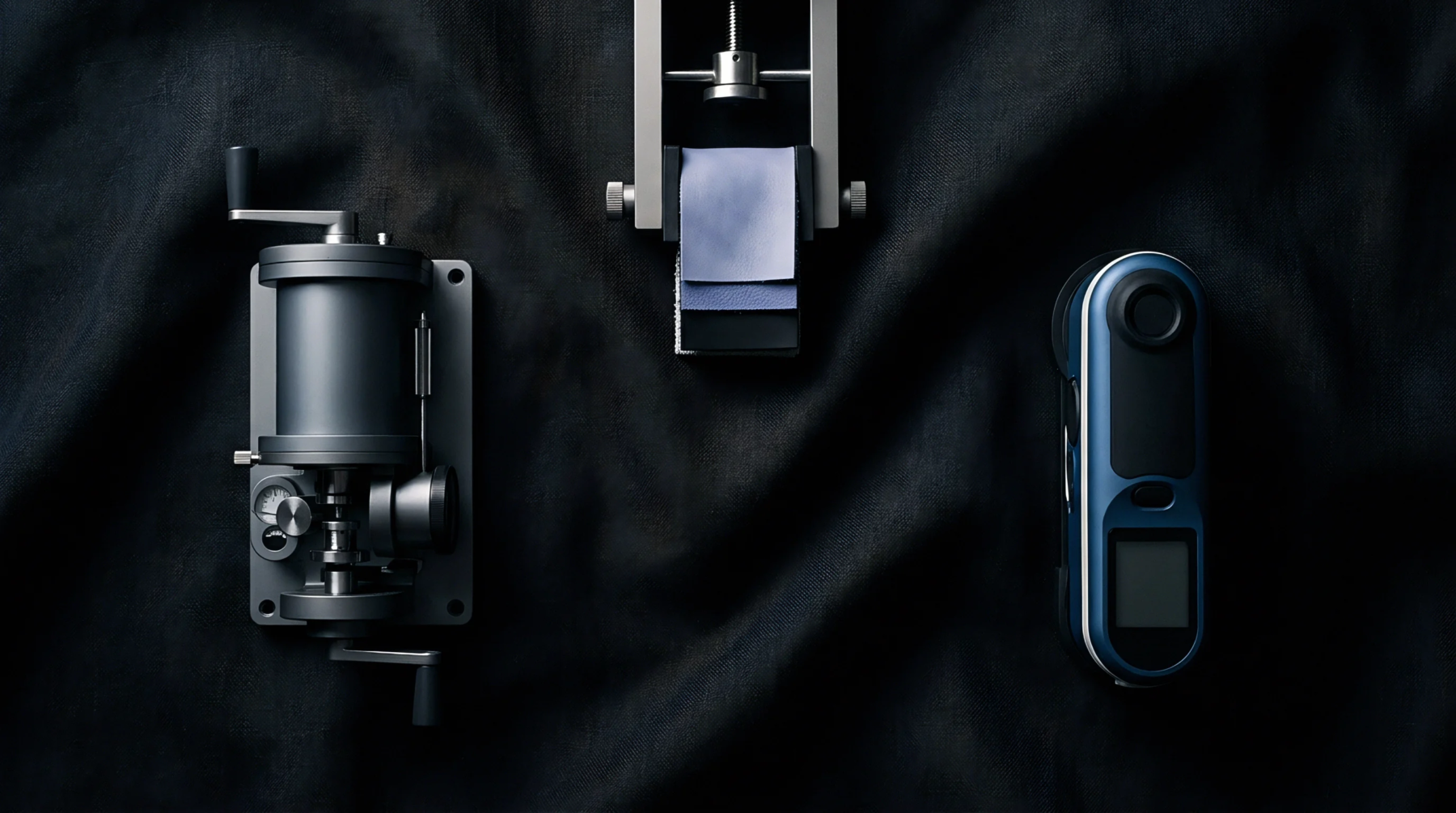
Airflow instruments measure specific surface area to rapidly determine flax bundle metric count, predicting spinning limits and hackling yield.

Controlled enzymatic pectin hydrolysis lifts long line hackling yield past fifty percent while preserving bundle tensile strength for high-count wet spinning.
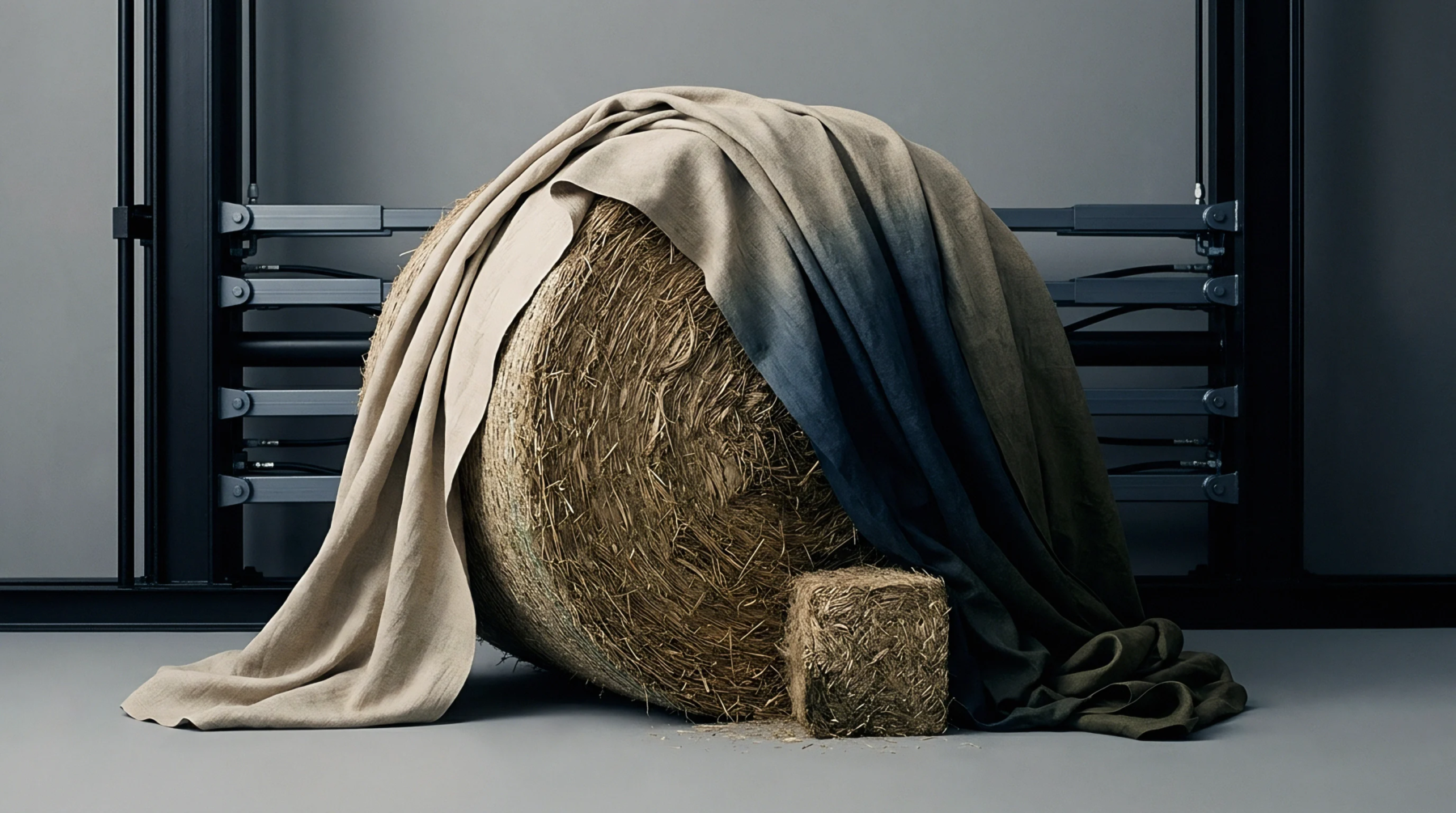
Wet spinning sacrifices 8-12% chemical bath mass for fine count drafting, whereas dry spinning retains intact bundles with 18-26% coarse mechanical drop.
Optimizing bast fiber warp regain between 11.5 and 12.5 percent through targeted shed psychrometrics maximizes yarn elasticity, cutting warp breaks and loom downtime.
Balancing wet drafting bath alkalinity against biological retting variation stabilizes pectin cleavage to prevent tensile drop during high-speed spinning.

Solvation of middle-lamella pectins in heated troughs governs technical bundle splitting, directly determining wet-spun flax count limits and drafting stability.
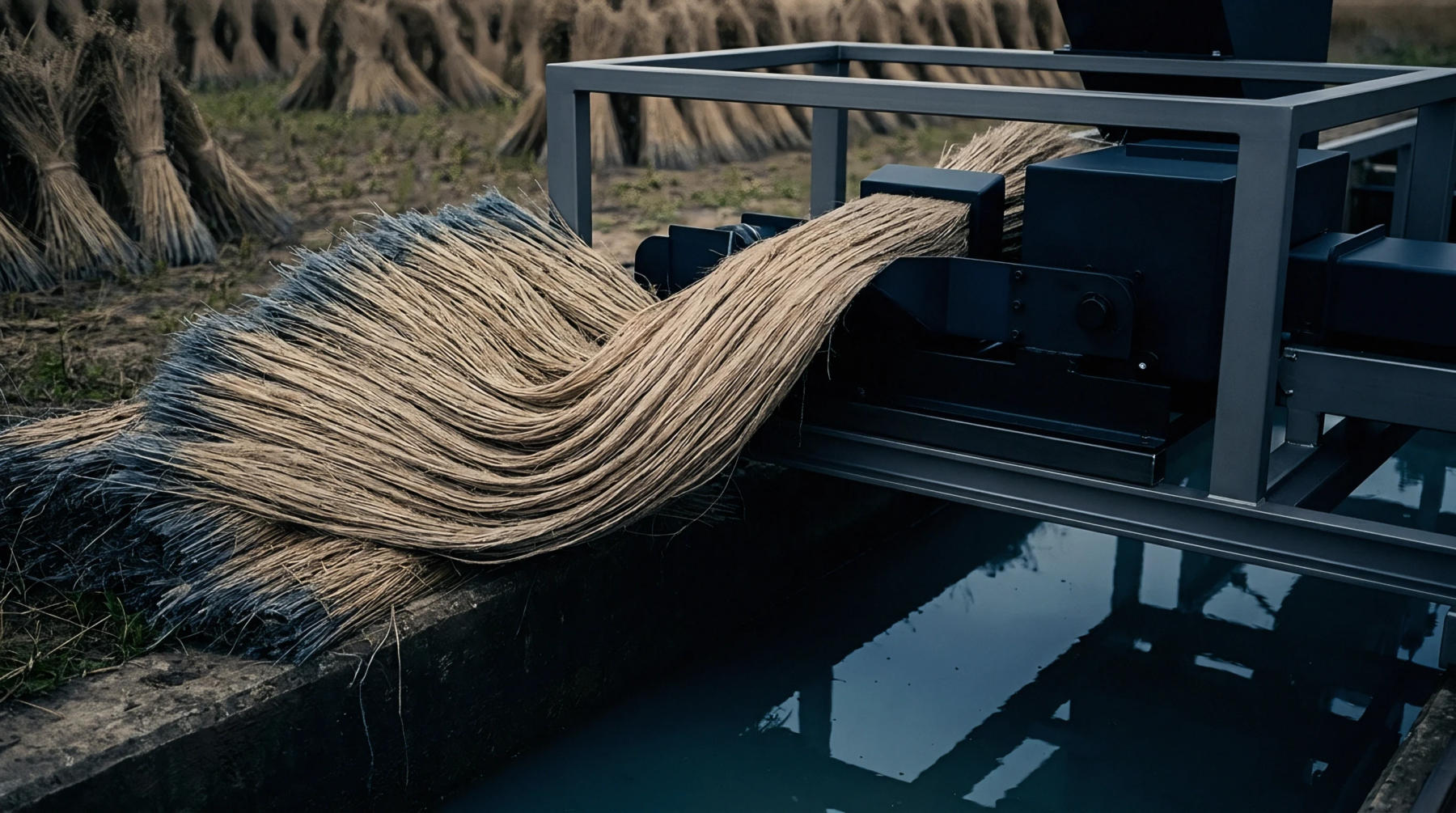
Kinetic control of trough pectin dissolution enables defect-free high-count wet linen spinning while enforcing rigorous lot-level provenance verification.

Maintain attenuation bath liquor between 58°C and 64°C with indirect heat exchange to plasticize flax pectins uniformly and prevent fiber bundle breakdown.
Residual pectin between 1.3 and 1.8 percent maximizes yarn tenacity by enabling technical bundles to divide for tight packing while preserving axial shear cohesion.

Polyuronide extraction kinetics dictate middle lamella shear failure, establishing draft speed ceilings to prevent yarn delamination and mass variation.
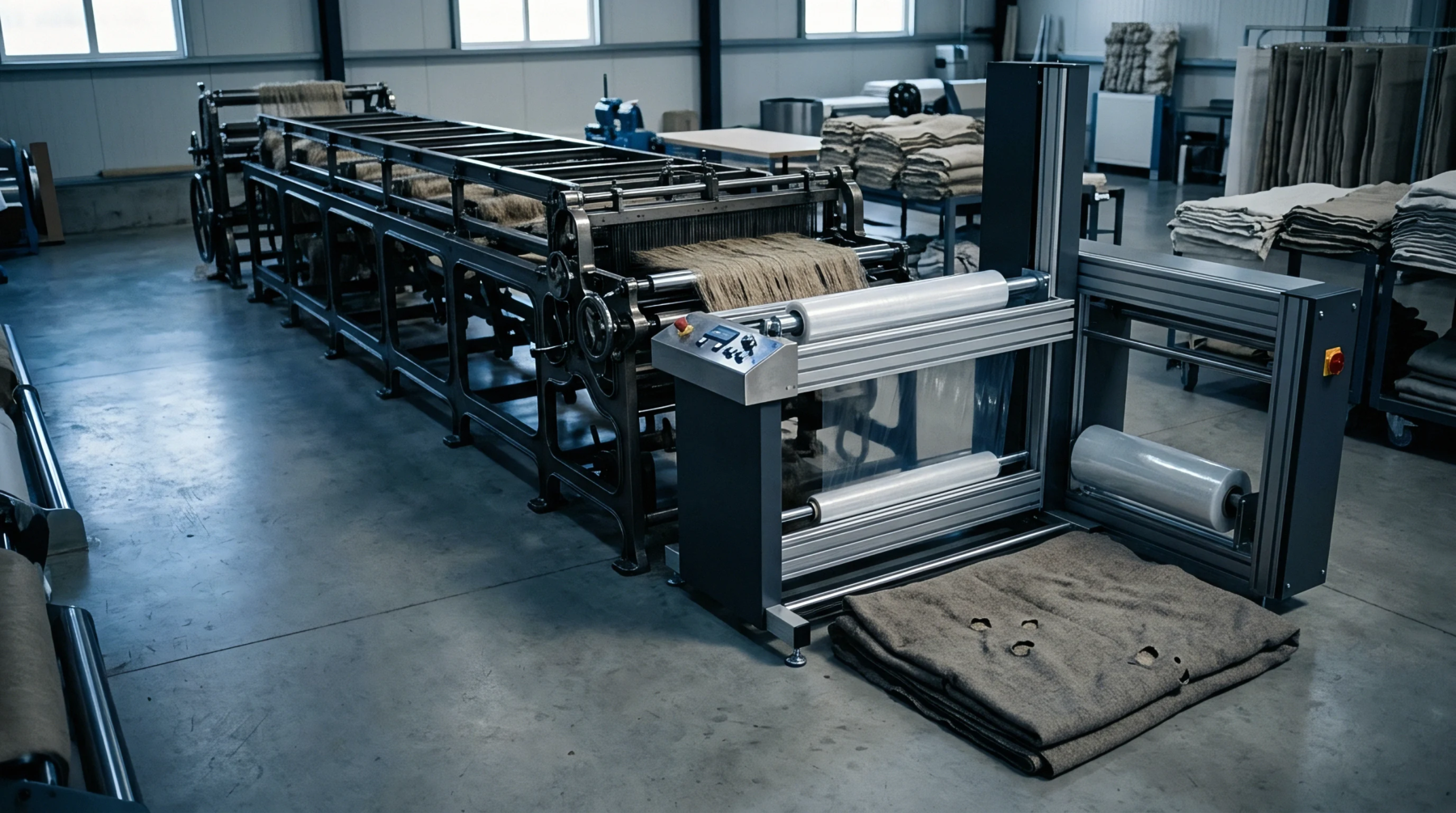
Controlled hydrothermal pectin dissolution in wet-spinning troughs unlocks elementary flax filaments, enabling drafting beyond 80 Lea counts.
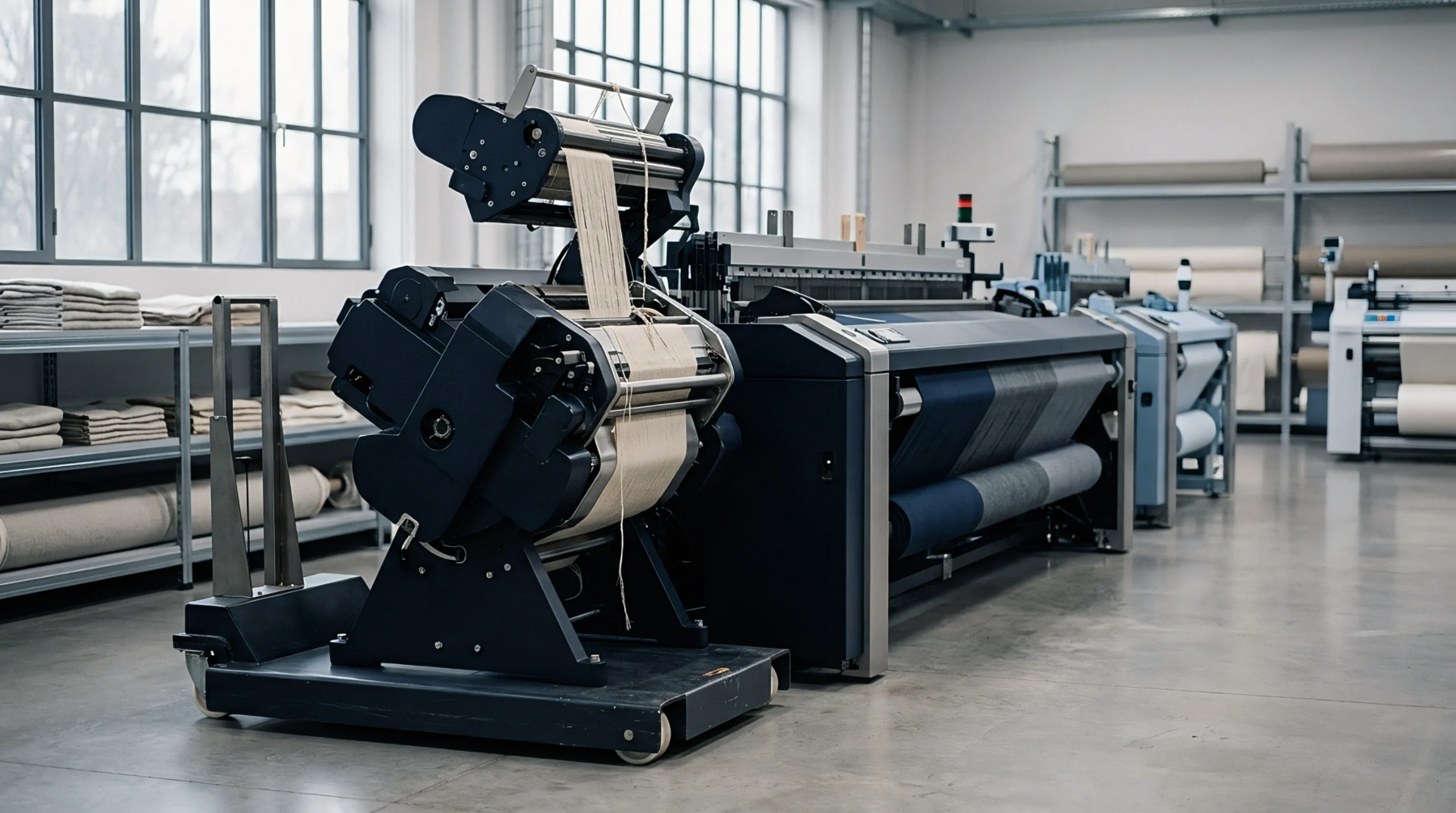
Dynamic viscoelastic hysteresis induces middle lamella shear slip, causing warp slack and fabric defects unless machine kinematics and sizing mitigate tension spikes.
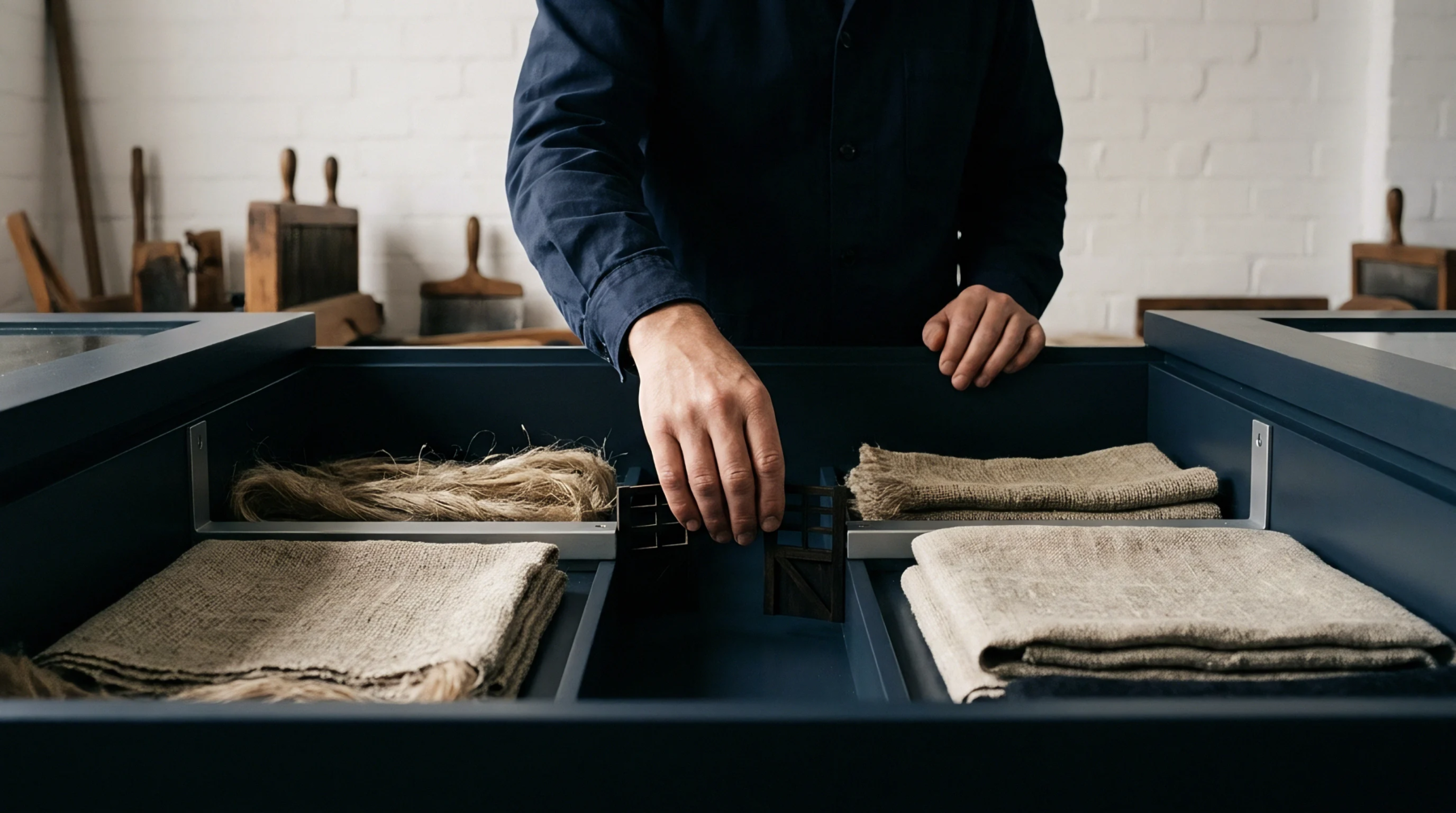
Controlled hot-water flume immersion softens pectin middle lamellae, enabling technical bundle splitting into fine elementary fibrils for high-count wet spinning.

Fine linen warp survival depends on pectin lamella shear limits; FE cohesive zone modeling and 65% RH control prevent inter-fiber slippage under beat-up stress.
Ultrafine linen requires sufficient inter-fiber shear cohesion to resist cyclic shed tension and prevent drafting slip during high-speed cloth production.
Excessive lamella degradation splits line flax prematurely, cutting yarn tenacity below 22 cN/tex and converting high-value line into low-margin hackling tow.

Enzymatic cleavage splits bast bundles into fine subunits, requiring narrower roller gauges and lower draft ratios to prevent drafting waves in wet spinning.

Targeting residual pectin between 1.8% and 2.6% dry mass optimizes fiber division for Nm 80-100 wet spinning while preventing drafting zone breaks.
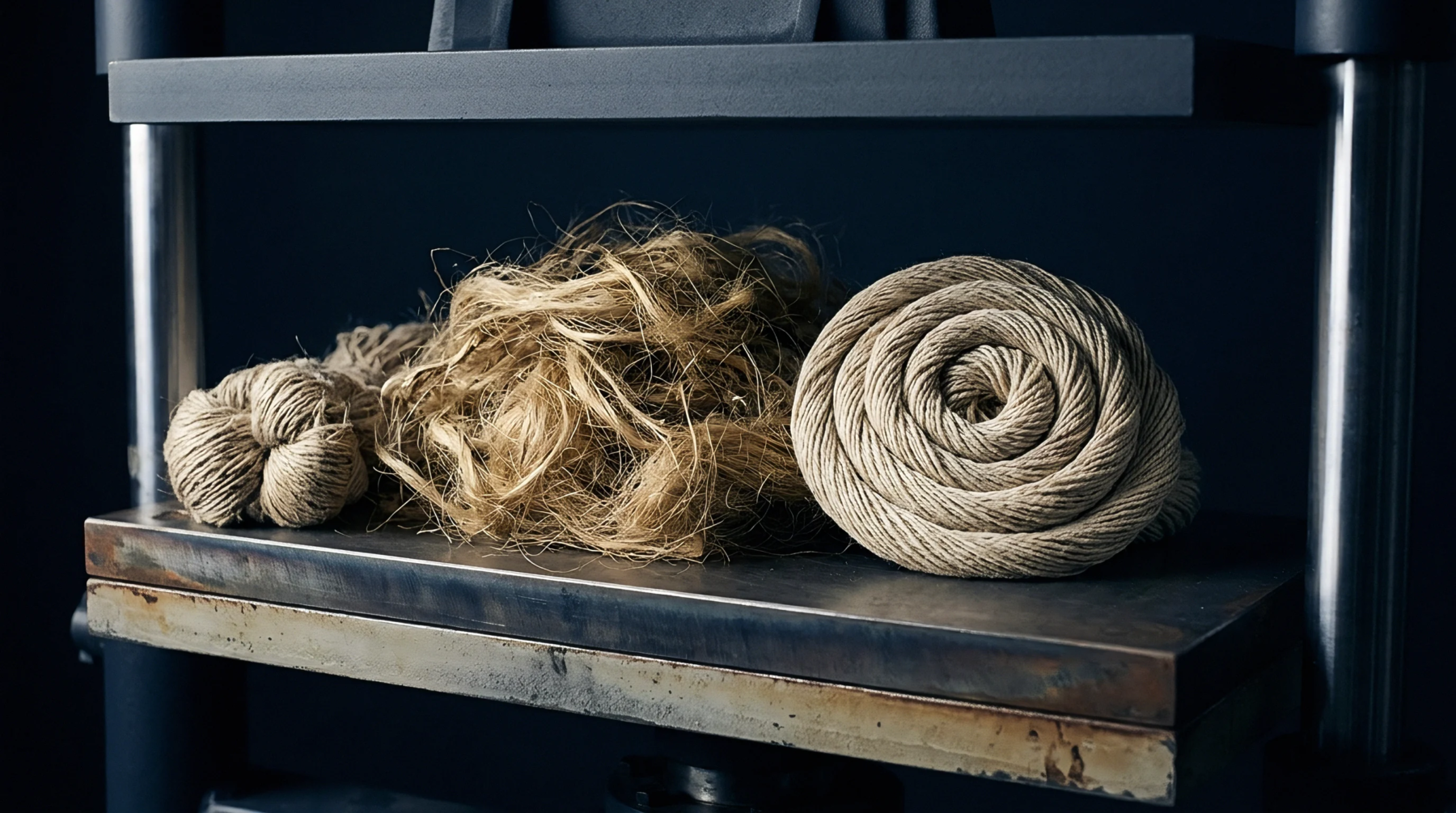
Relative humidity during hackling governs pectin plasticization, directly dictating whether gravimetric fineness translates to long line yield or tow waste.
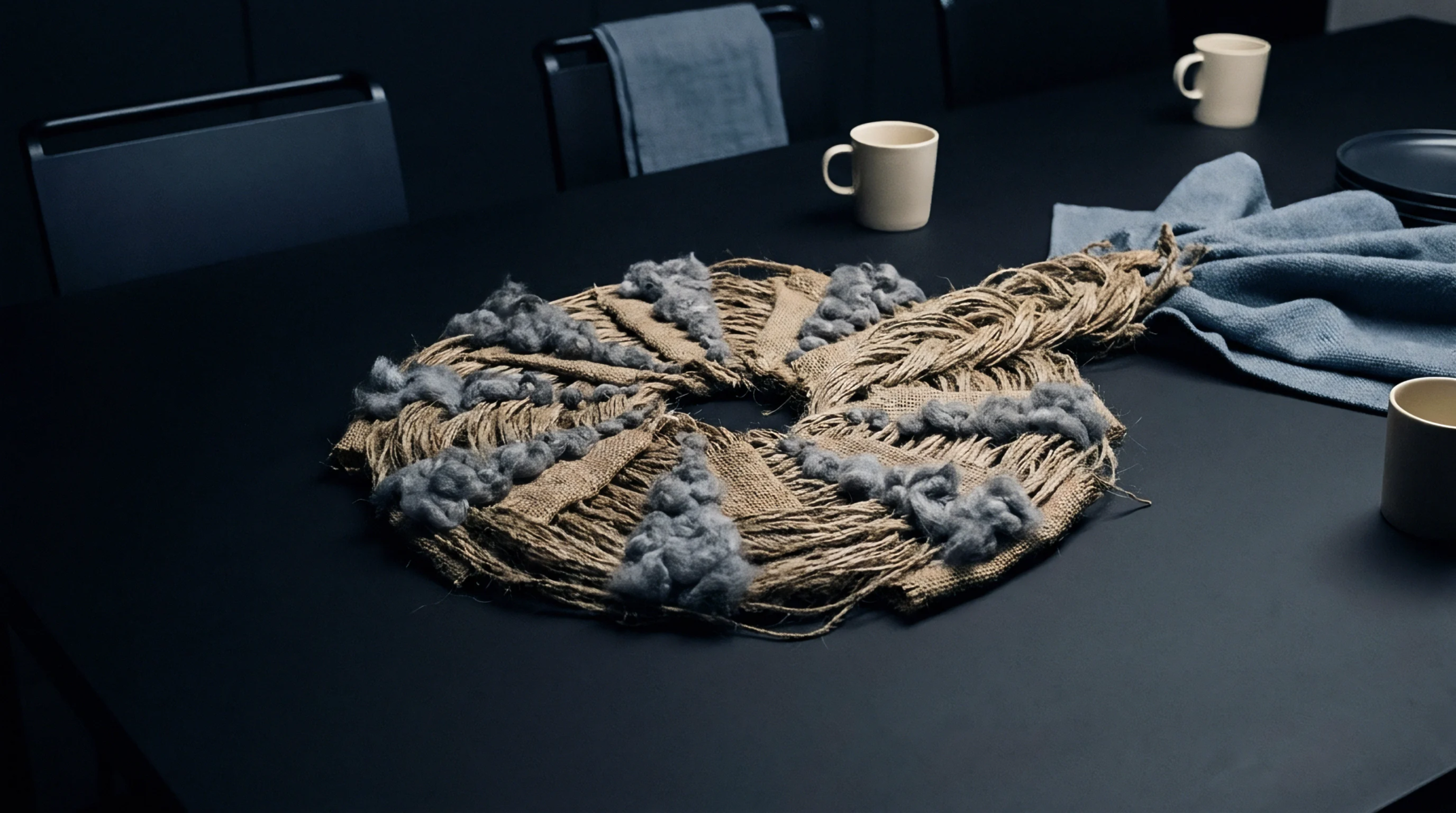
Dew retting pectin breakdown determines hackling yield by reducing middle lamella pin resistance to yield fine line flax while preventing cellulolytic tow waste.

Selecting scutched line flax for high-count wet spinning requires sub-2.2 tex bundle fineness, Pressley tenacity above 6.8, and 12% moisture regain verification.

Optimal pectin degradation (1.8-2.4%) balances middle lamella splitting and cell integrity, maximising hackling line yield and wet-spun yarn tenacity.

Optimizing wet trough temperature and pH solubilizes calcium pectate to lower drafting force, extend spinnable count, and cut ends down in dew-retted flax.
Expertise is a utility, not a secret. sentiention™ publishes its working knowledge as open reference: intelligence layer covering the materials it sources, the markets it enters, and the reference that serves both.