Fibre Recovery
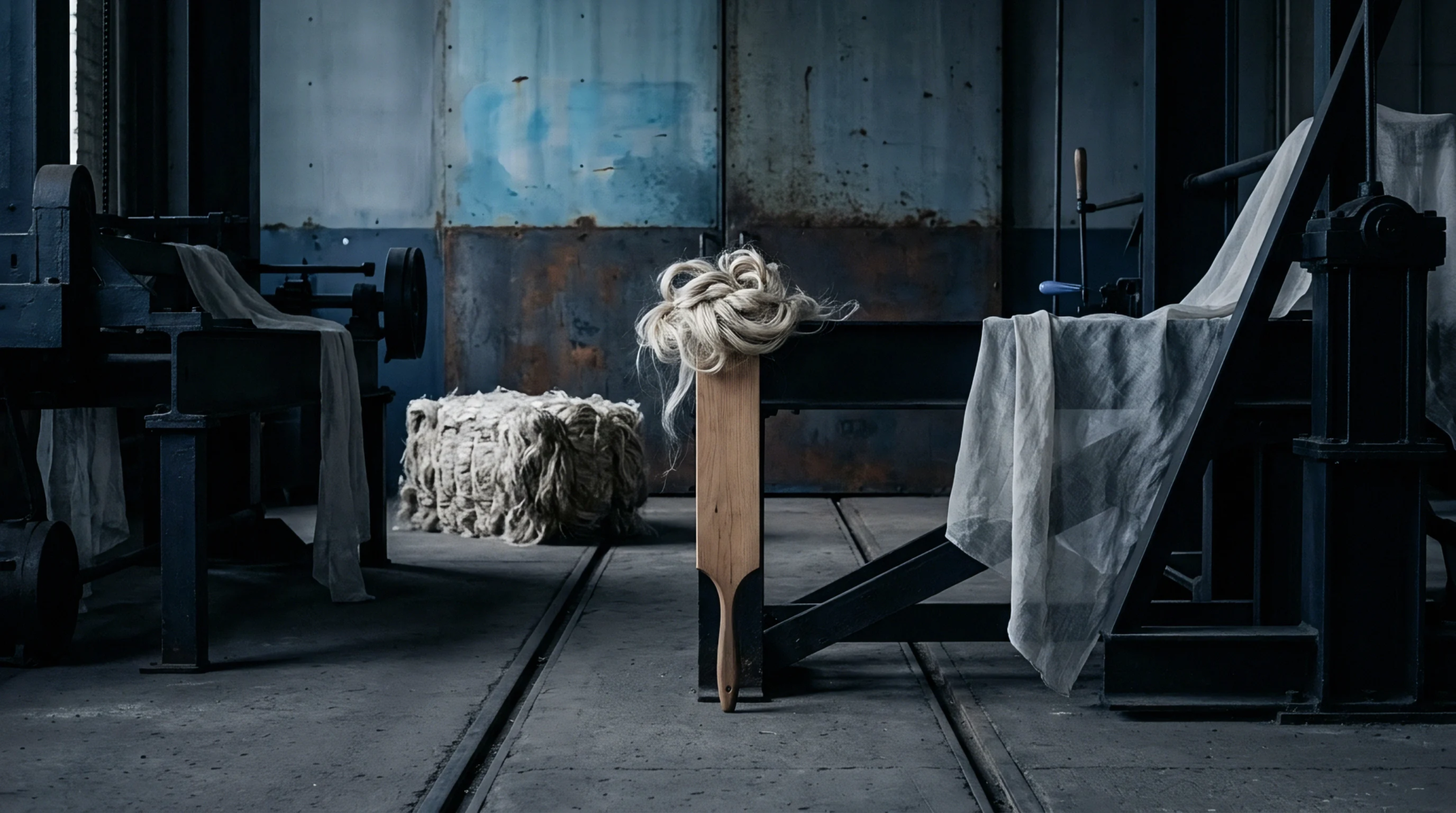
Residual flax material represents the portion of vegetable matter excluded from the final yarn during the drafting and twisting stages of production. Spinning waste consists of short, broken, or misaligned cellulose strands discarded as machines clear accumulated debris to maintain operational consistency. This classification appears in the weight reconciliation logs of Chinese textile plants to account for the difference between raw flax input and finished yarn output.
Efficiency Metric
Quality control managers track the proportion of spinning waste against total processed volume to monitor the effectiveness of the carding and drawing machinery. High percentages of this material indicate either substandard fibre preparation in the preceding stages or improper adjustment of the spinning frames. Plant supervisors document these volumes daily to calculate the actual yield per ton of raw material.
Reducing the quantity of unusable fibre extracted during the spinning cycle lowers production costs by maximizing the transformation of purchased inputs into sellable goods.
Inventory Classification
Procurement departments categorize such leftovers as secondary raw material rather than total loss, as regional markets purchase the output for industrial use in paper production or non-woven insulation pads. Factory audits record the movement of this material from the machine floor to secondary holding areas to ensure accurate traceability throughout the lifecycle of the linen supply chain. Strict separation of this byproduct from virgin fibre batches prevents contamination of high-grade textile stocks destined for export markets.
Clear identification of the material allows firms to recoup small margins on otherwise redundant production debris.