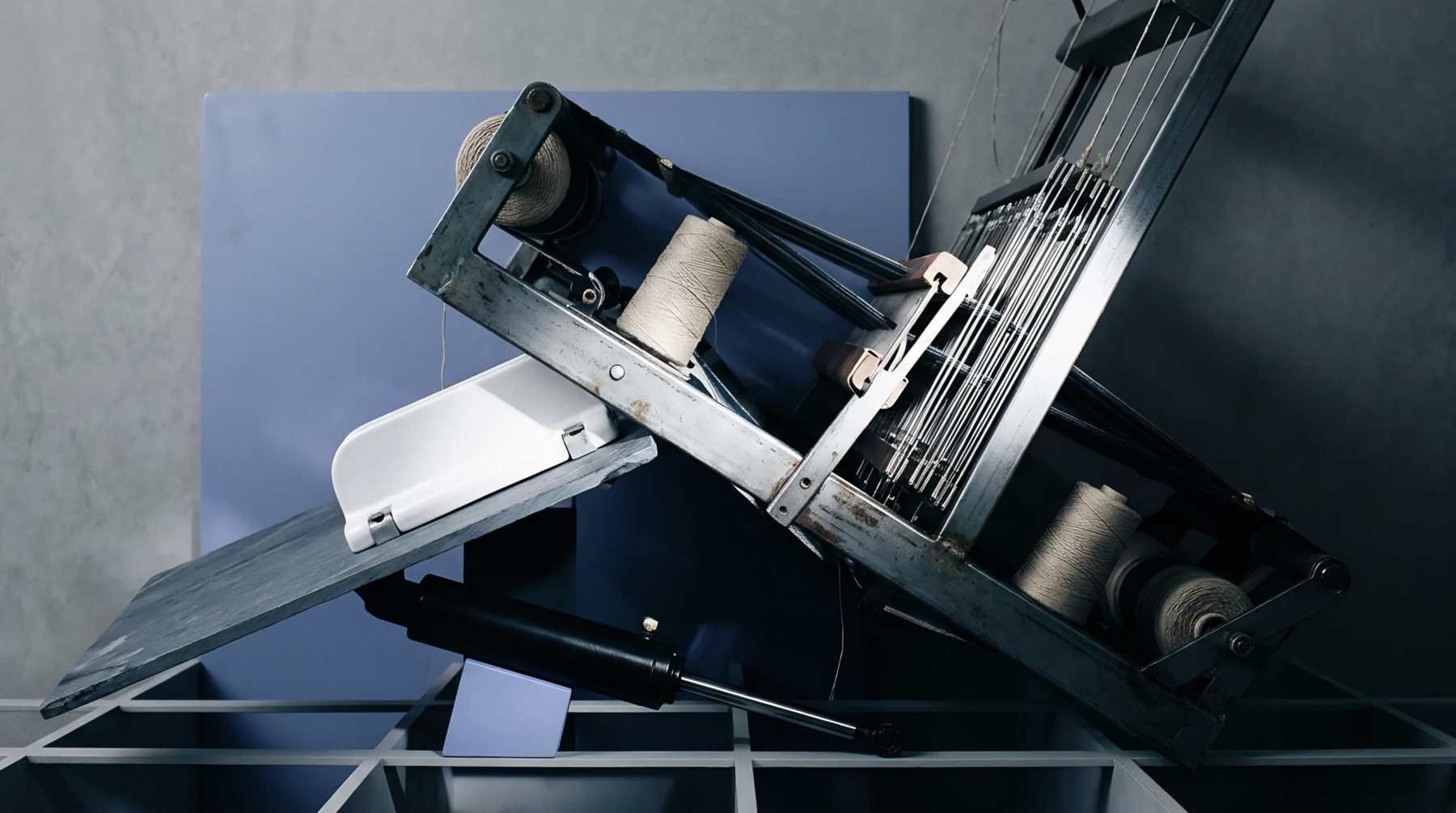
Atmospheric Monitoring
Thermodynamic management utilizes the relationship between dry bulb temperature and humidity to manage the air quality inside a textile mill. Effective psychrometric control allows the engineering department to maintain the exact moisture levels needed for processing flax without wasting energy. By measuring the dew point and the enthalpy of the air, the system determines when to add moisture or increase ventilation.
This balance is necessary for the stability of both the raw fibre and the mechanical equipment.
Humidity Management
Flax fibres are sensitive to the amount of water vapour in the air, which affects their elasticity and weight. Through psychrometric control, the mill ensures that the relative humidity stays within the optimal range for spinning or weaving. The system uses sensors to track the heat load from the machinery and the moisture added by the humidification units.
If the air becomes too saturated, the risk of condensation on the machines increases. Precise control prevents these issues while minimizing the use of water and electricity. The data collected by the control system is often used to troubleshoot variations in yarn quality.
Resource Optimization
Modern systems can automatically switch between different cooling and heating modes based on the external weather. This adaptability lowers the total carbon footprint of the linen production process.