
Measuring Hackled Flax Bundle Linear Density Using Microbalance Weighing
Microbalance weighing of cut hackled flax bundles establishes true technical fibre linear density to fix wet spinning limits and enforce raw lot contracts.
Microbalance weighing of cut hackled flax bundles establishes true technical fibre linear density to fix wet spinning limits and enforce raw lot contracts.

Thermodynamic moisture regain and internal porosity skew bast linear density; true tex demands oven-dry cut-and-weigh testing plus standard commercial allowance.
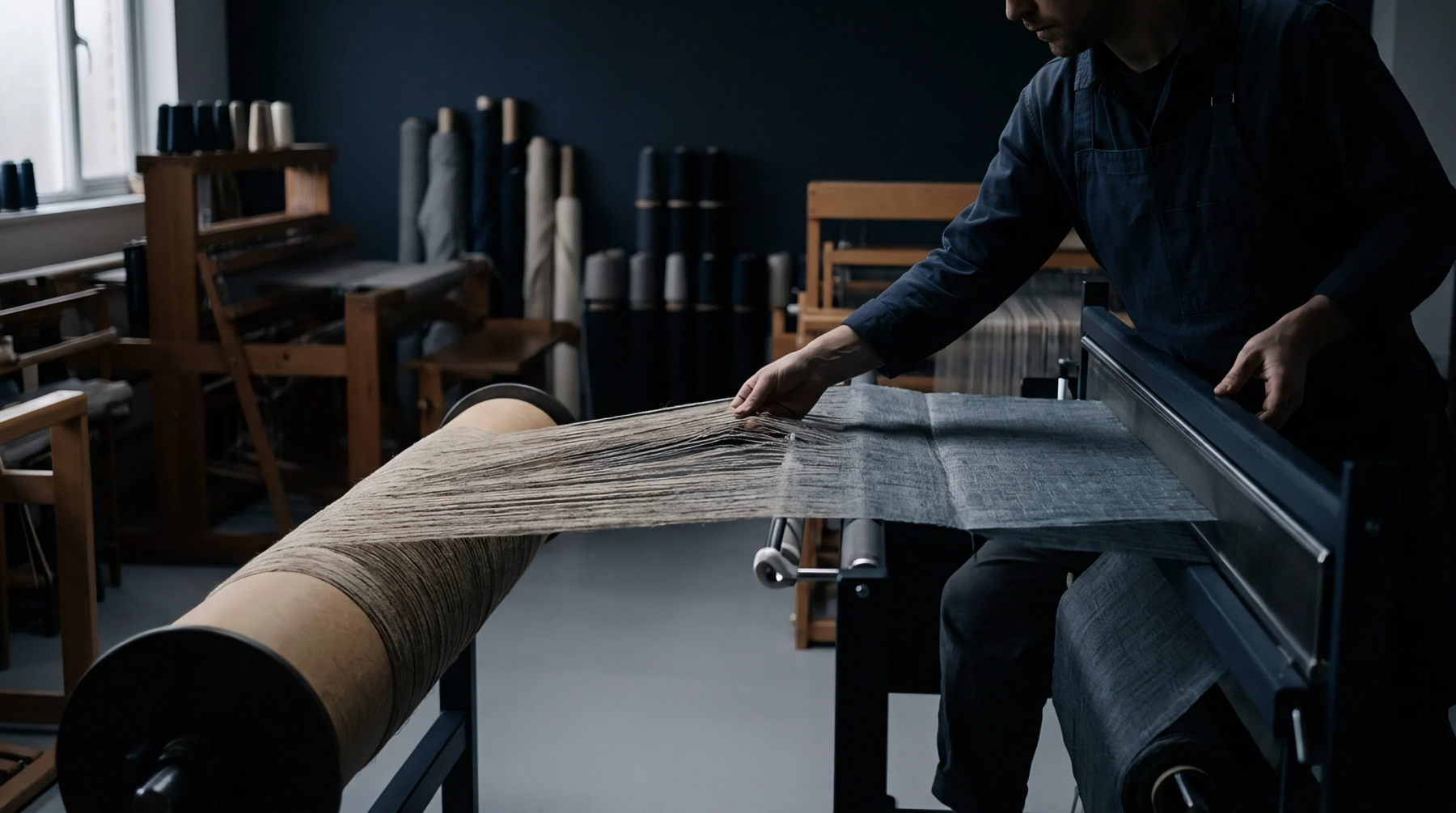
Reconciling offshore linen weaving discrepancies requires oven-dry mass balance models that strip volatile sizing and ambient moisture from physical scrap ledgers.
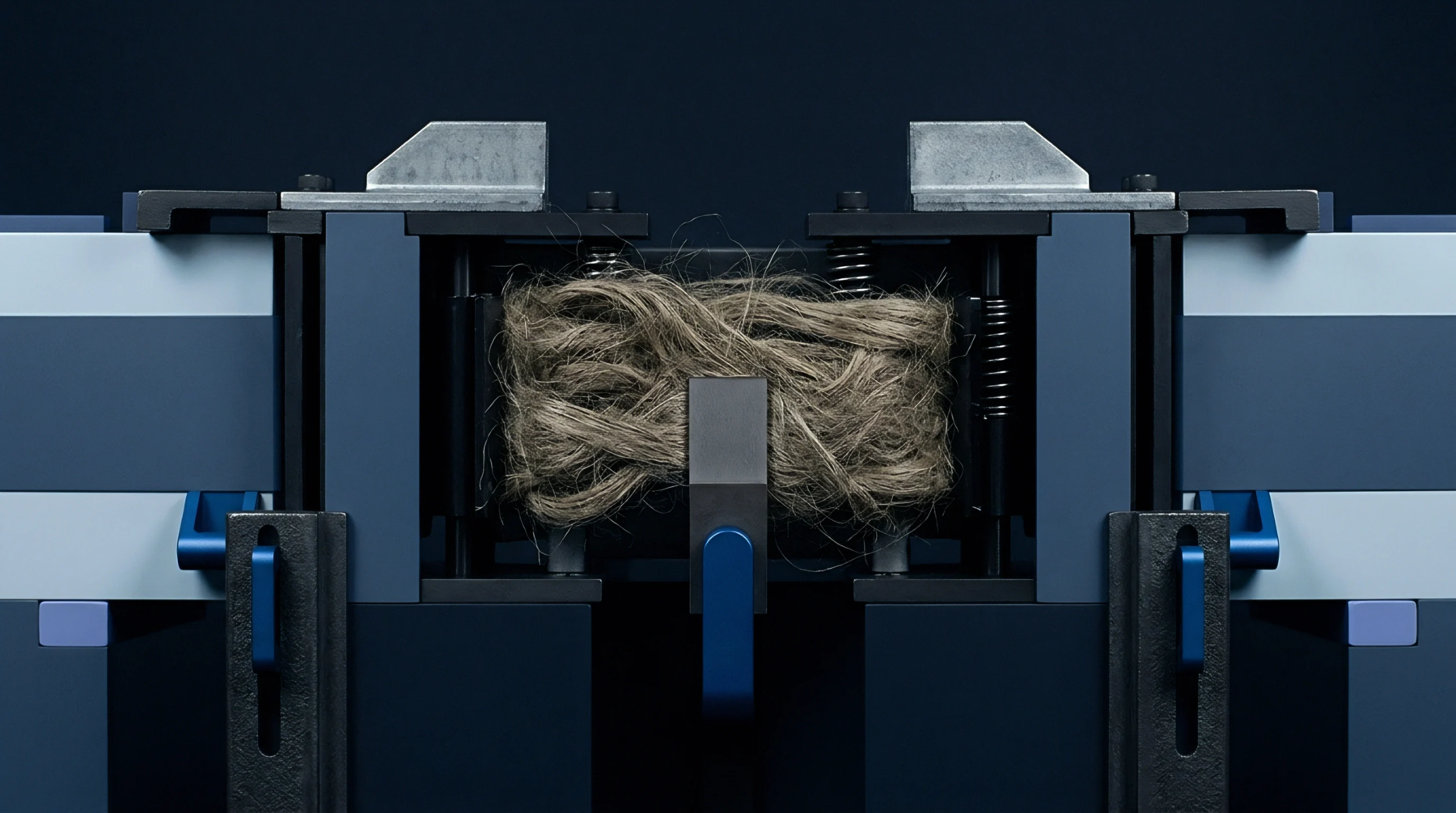
Cross-sectional bundle area distributions dictate wet drafting stress peaks and spinning triangle stability, directly predicting high-speed frame end breakage.

Verify raw flax sliver cross-sectional mass uniformity through conditioned one-metre gravimetric cuts to prevent severe drafting waves during wet spinning.

Reconciling wet spun linen mass deficits demands matching oven dry rove weights against yarn output plus measured bath dissolution and extraction losses.

Yield discrepancies in wet spun flax shift assist values, demanding formal customs reconciliation of actual mass balance, tow salvage credits, and duty deltas.

Commercial linen audits reconcile physical scale weights to official 12% moisture regain standards using oven desiccation to eliminate uncertified phantom mass.

Reconciling flax yarn ledgers requires converting physical weights to standard commercial dry mass to strip out moisture shifts and process waste loss.

Reconciling wet spun linen yarn shrinkage in provenance dossiers requires ISO 2060 oven-dry mass testing and linear contraction adjustments across mill logs.
Controlled pectate lyase hydrolysis splits coarse flax bundles to 25 micrometres, raising wet-spun limits to Nm 60 while keeping hackling waste below 18 percent.

Calibrating flax hackling requires balancing pin density against bundle retting depth, directly fixing spinnable line yield and finished metre costs.
Dynamic bundle dissociation kinetics and non-linear drafting force scaling require staged pin densities to prevent transverse fiber fracture and drafting waves.

Private fibre scope certificates confirm material lineage but do not satisfy legal customs standards for substantial transformation and tariff origin.

Differentiating roof drip stains from core dampness arbitrates transit sweat against inherent moisture, isolating carrier liability from mill fiber defects.

Cut-and-weigh gravimetric testing on conditioned bundles establishes the baseline tex that determines drafting limits, spinning counts, and invoice weights.
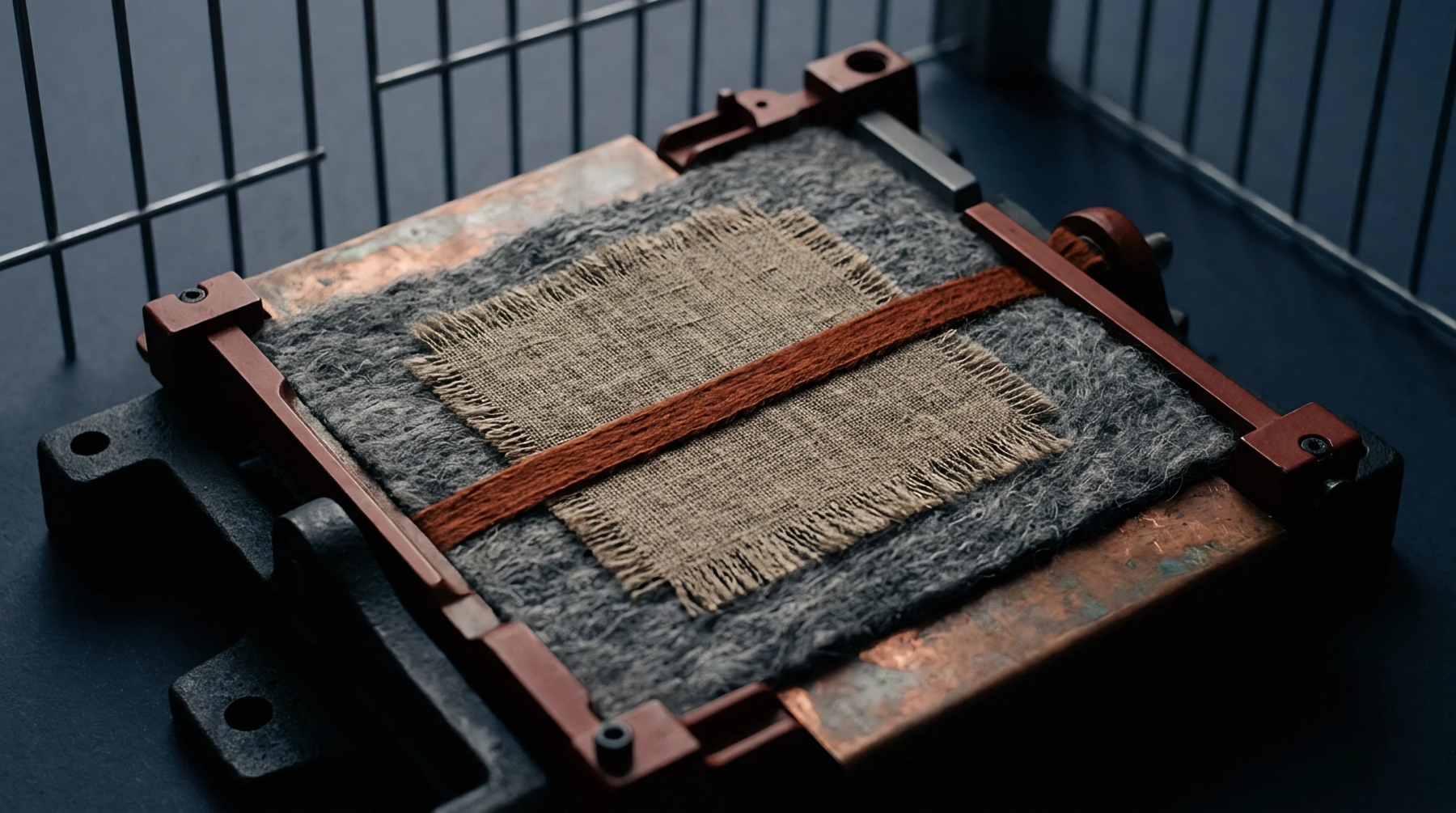
Gravimetric cut-length flax linear density testing converts as-tested bundle mass to official twelve percent commercial regain to prevent drafting and count errors.

Standardizing raw flax container intake moisture regain requires core boring oven drying to adjust physical weighbridge scale tonnage to invoice allowances.

Standard bundle cut gravimetry determines line flax linear density by sectioning combed parallel strands to fixed length and weighing conditioned mass per ISO 2370.

Critical wet spinning breakage thresholds occur when delivery speeds push dynamic balloon tension past wet bast cohesion, causing breaks above 40 ED1000.

Settle scutched flax invoices on oven-dry mass plus twelve percent legal regain to eliminate ocean transit desiccation deductions at receiving mills.
Scutcher weighbridge tickets determine raw transit mass, while ISO 6741 oven-dry tests apply 12.0% commercial regain to fix true invoiced linen fibre weight.

Scouring removes 11 to 13 percent dry flax mass, creating yield deficits that Chinese mills mask through uncertified fiber blending or commercial moisture inflation.
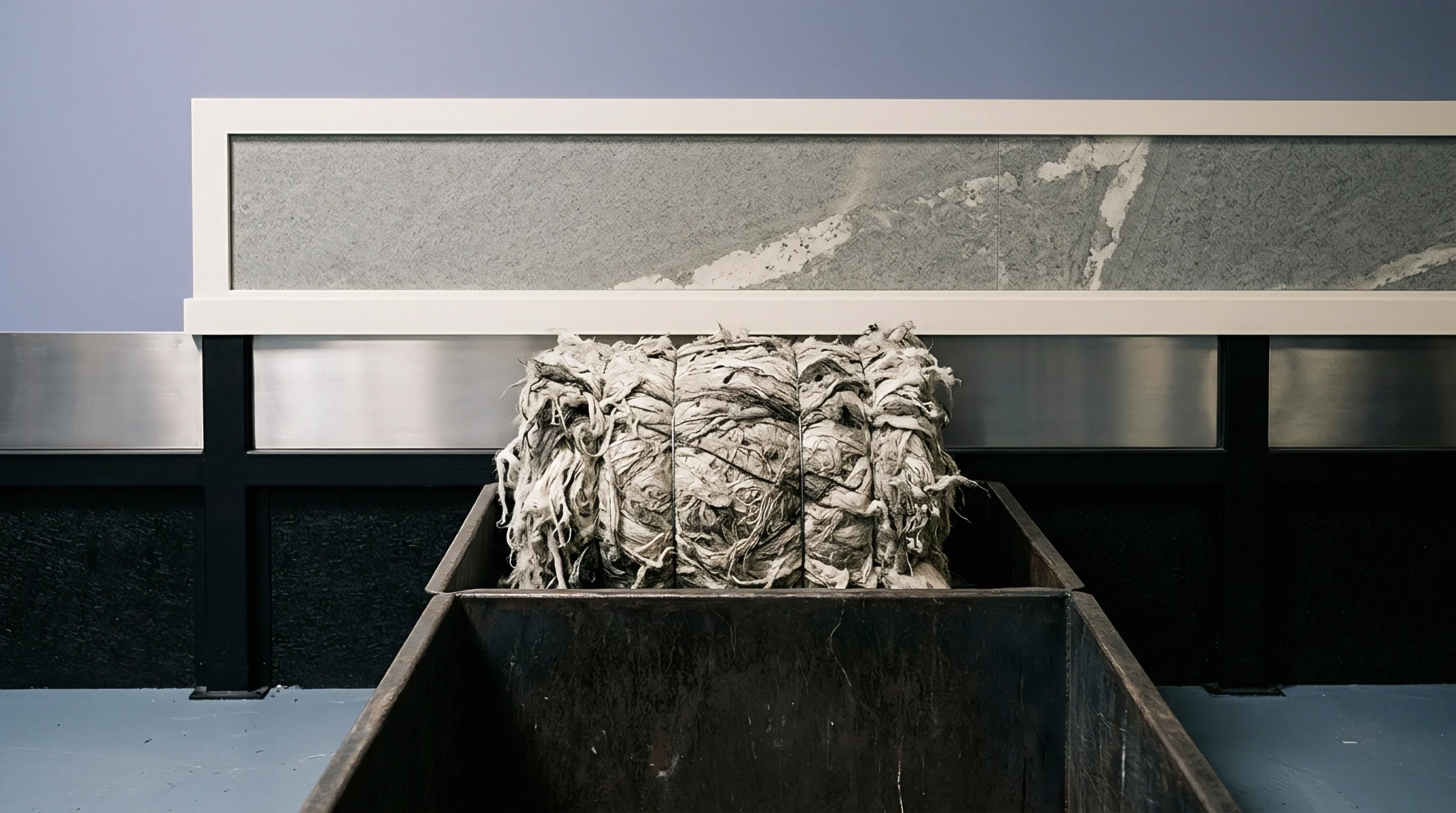
Auditing linen spinning sheds requires thermal desiccation testing at 105 degrees Celsius to reconcile commercial regain and eliminate invoice water inflation.

Capacitive testing isolates wet-spun linen mass variation and pinpoints spinning frame mechanical defects through precise signal wavelength analysis.

Commercial mass calculations for flax yarn convert scale weight to oven-dry mass before applying the twelve percent standard regain across container billings.

Reconciling multi country yarn spinning ledgers requires adjusting raw weights to standard twelve percent moisture regain and retiring comber noil credits.
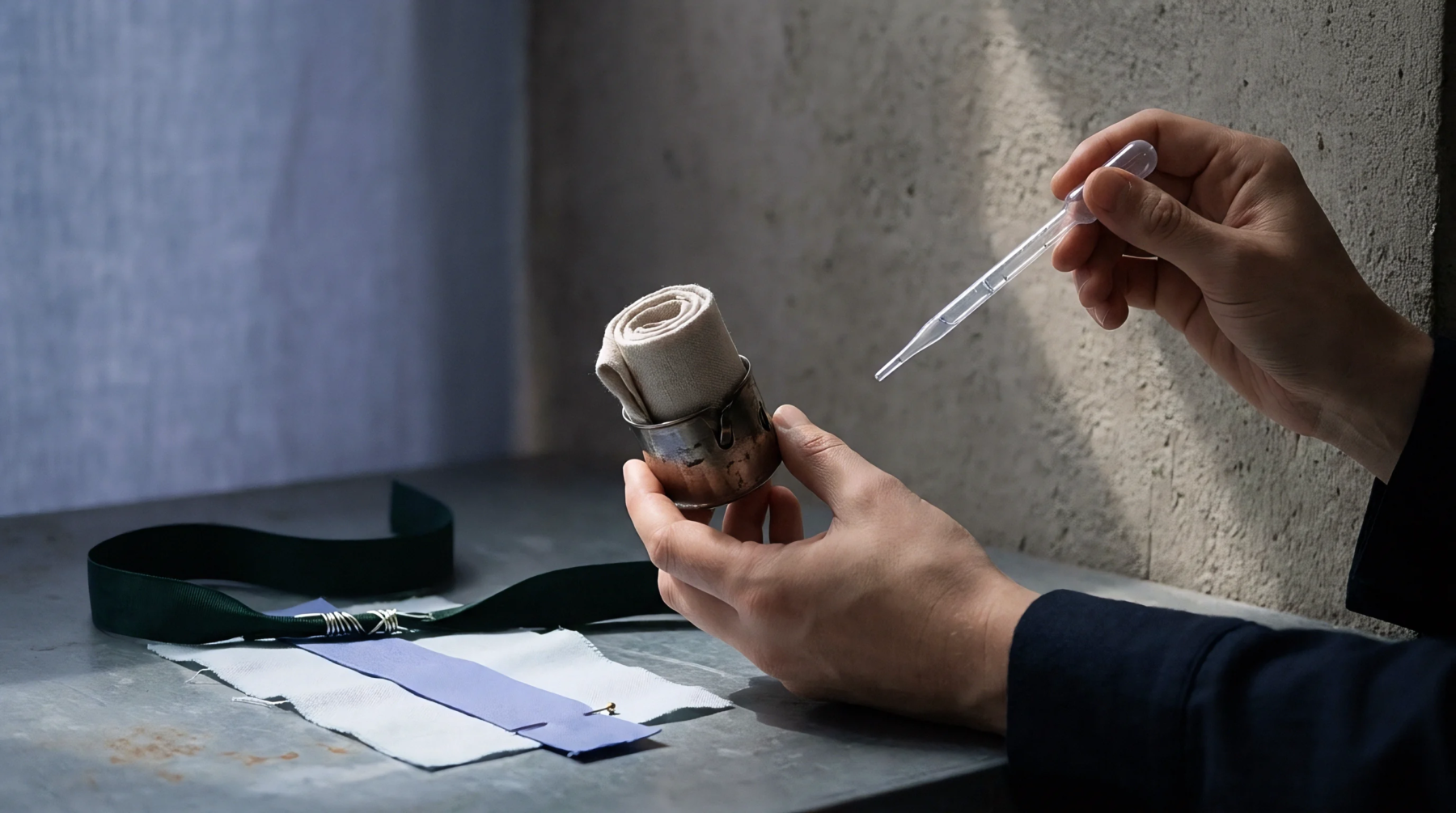
Inspect linen count by wrapping conditioned lea skeins on calibrated reels under controlled tension to measure linear density against commercial regain values.

Reconciling linen provenance requires separating statutory origin by loom transformation from fibre biomass claims verified through audited mass balance ledgers.

Wet spinning sacrifices 8-12% chemical bath mass for fine count drafting, whereas dry spinning retains intact bundles with 18-26% coarse mechanical drop.
Expertise is a utility, not a secret. sentiention™ publishes its working knowledge as open reference: intelligence layer covering the materials it sources, the markets it enters, and the reference that serves both.