
Reconciling Moisture Regain Deviations across International Linen Processing Facilities
Standardize linen invoice billing to bone-dry mass plus official commercial regain to eliminate weight claims caused by mill psychrometric variance.
Standardize linen invoice billing to bone-dry mass plus official commercial regain to eliminate weight claims caused by mill psychrometric variance.

Optimizing dry fine flax yarns requires capping pectin hydrolysis at 2.5% residual mass to preserve bundle tenacity while applying 0.3% boundary finish.

Targeted enzymatic pectin extraction lowers middle lamella pectin to 1.7 percent, boosting long line hackling yield to 66 percent and enabling wet spinning up to Nm 80.

Solvent volatilisation during roving desiccation falsifies flax dry mass baselines, skewing commercial weight regain formulas and certified origin balances.
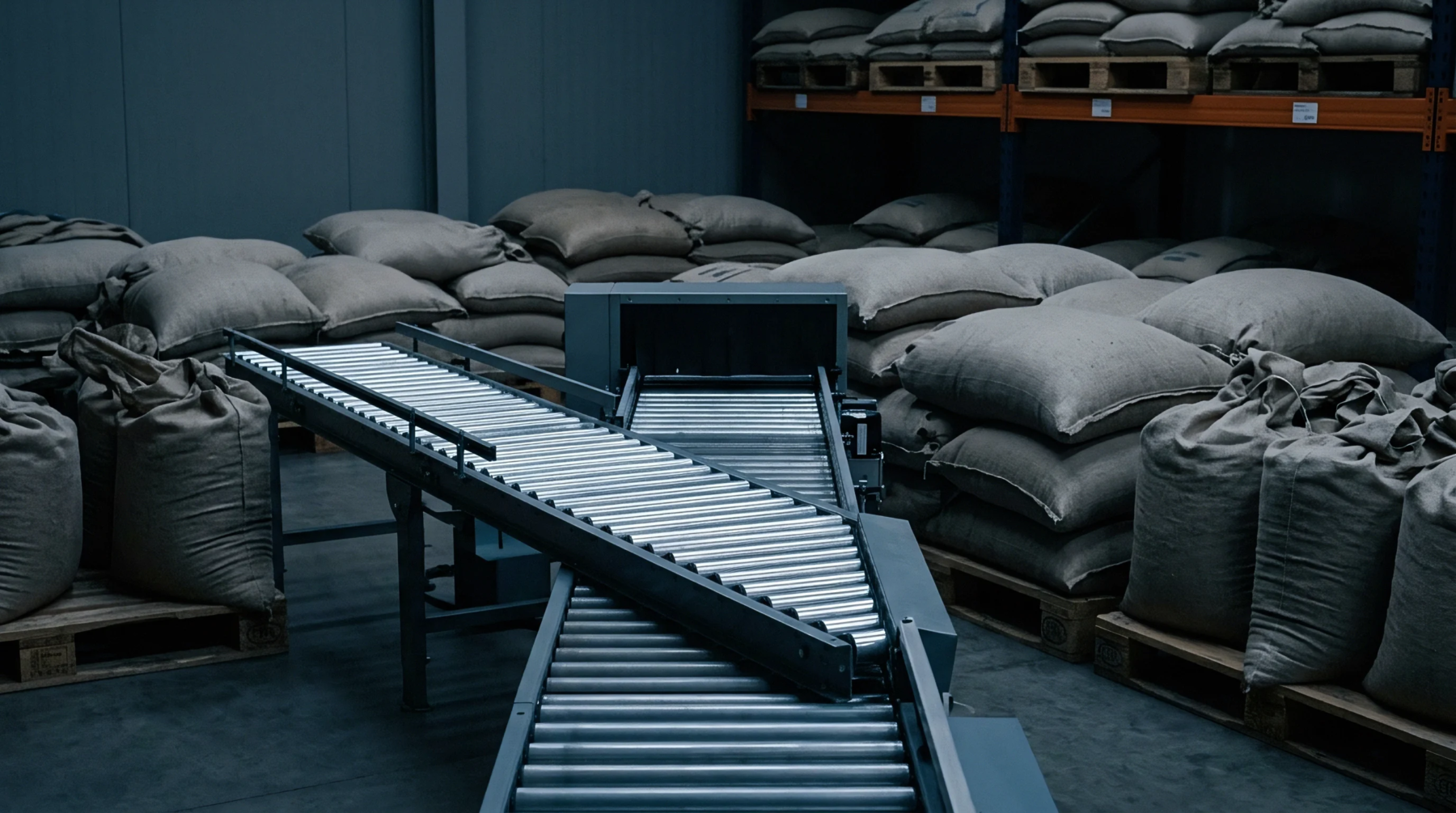
Isolating pyrolytic non-cellulosic volatilization in flax roving requires low-temperature vacuum drying below 60C and Karl Fischer titration to prevent mass loss.

Quantifying residual galacturonic acid between 1.7 and 2.4 percent optimizes wet drafting glide, cutting spindle breaks and waste while capping landed yarn costs.

True dry mass in flax roving requires oven drying at 105°C with calibrated tare baselines to deduct noncellulosic volatiles and apply BISFA regain allowances.

Controlled hydrodynamic shear and 65°C bath temperature strip boundary layers to saturate roving cores, slashing drafting drag and boosting spinnable counts.

Buoyancy corrections adjust scutched flax microbalance readings for shifting air density, preventing systematic tex errors and commercial lot mass discrepancies.
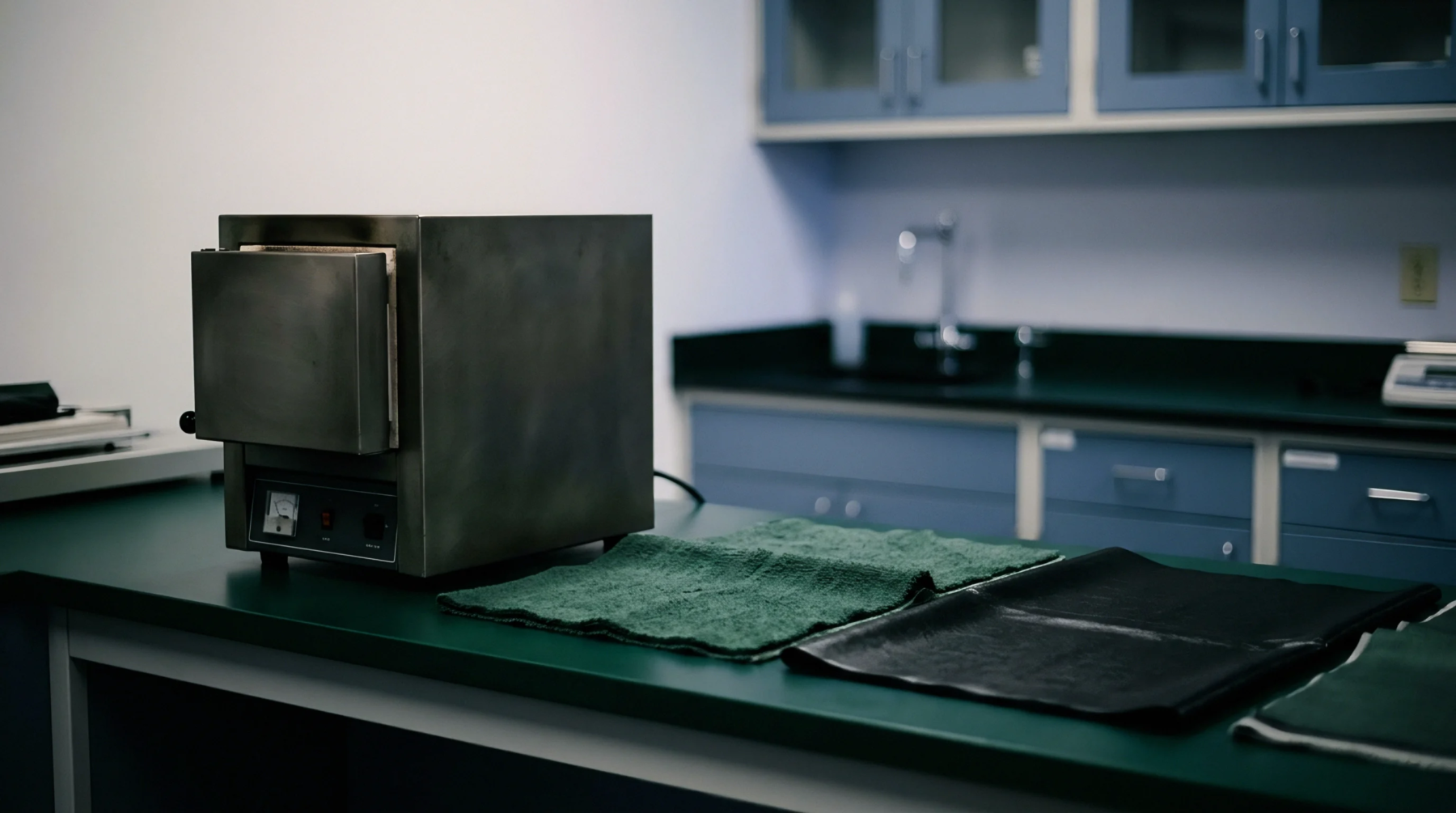
Enforce a 72-hour adsorption conditioning protocol with bone-dry mass normalization to eliminate pectin hysteresis drift in bast fibre linear density disputes.

Verify flax roving dry mass at 105 degrees Celsius to bill strictly on the official 12.00 percent commercial regain allowance rather than humid scale weight.

Standardize bast fiber mass by calculating invoice weights from oven-dry determinations at 105 degrees Celsius adjusted to statutory 12 percent regain allowances.

Targeting 1.2 to 1.5 percent residual pectin via controlled hydrolysis stabilizes wet drafting forces below 5 cN per tex, preventing breaks at Nm 80 and above.

Non-cellulosic pectin loss lowers flax monolayer moisture sorption capacity and narrows sorption hysteresis while enabling finer wet-spun yarn counts.

Correcting hackled line linear density equations for desorption hysteresis prevents unearned water weight from skewing yarn counts and commercial mass invoices.

Standard hackled flax linear density multiplies bone-dry sliver mass by 1.12 to enforce the twelve percent statutory moisture regain baseline per meter.

Commercial regain calculations correct long flax sliver invoice mass to a twelve percent standard moisture level using validated oven dry weight testing.

Reconciling runtime bills against mass yields converts raw pick totals to theoretical yarn mass before deducting desizing losses and finishing shrinkage.

Commercial mass adjustment isolates reversible hysteretic moisture desorption from true bast fiber shedding through certified oven-dry testing.

Reconcile cross-border fiber logistics ledgers by converting gross weighbridge scale mass to certified commercial weight using ISO 6741 oven-dry core test values.

Mass balance yarn accounting requires empirical conversion factors adjusting for moisture regain, mechanical tow extraction, and customs processing loss limits.

Linen spinning yield calculates net long line yarn mass against raw scutched fiber inputs, bounded by a 42 to 52 percent mechanical and chemical conversion limit.

Flax moisture disputes require oven-dry testing under ISO 6741, enforcing financial adjustments when measured regain exceeds contractual deadbands by over 0.50%.

Hackled flax sliver mass determination combines exact cut-length gravimetric sampling with oven-dry correction to verify linear density and commercial invoice mass.

Invoicing for international linen shipments adjusts scale weight to commercial mass using oven-dry testing and a standardized twelve percent moisture regain.

Reconciling cross-border agricultural fibre metrics requires oven-dry mass testing under ISO 6741 and stage-by-stage mass balance audits to counter yield loss fraud.

Oven-drying reports adjust invoice totals by establishing true dry mass and applying standard 12 percent regain, preventing payment for absorbed transport water.

Commercial regain standards fix raw scutched flax at 12.00 percent, converting certified oven-dry mass into legally binding invoice settlement weights.

Controlled thermal and solvent extraction reduces flax bundle fineness below 9 dtex, raising the wet spinning limit to Nm 42 while avoiding fibre degradation.
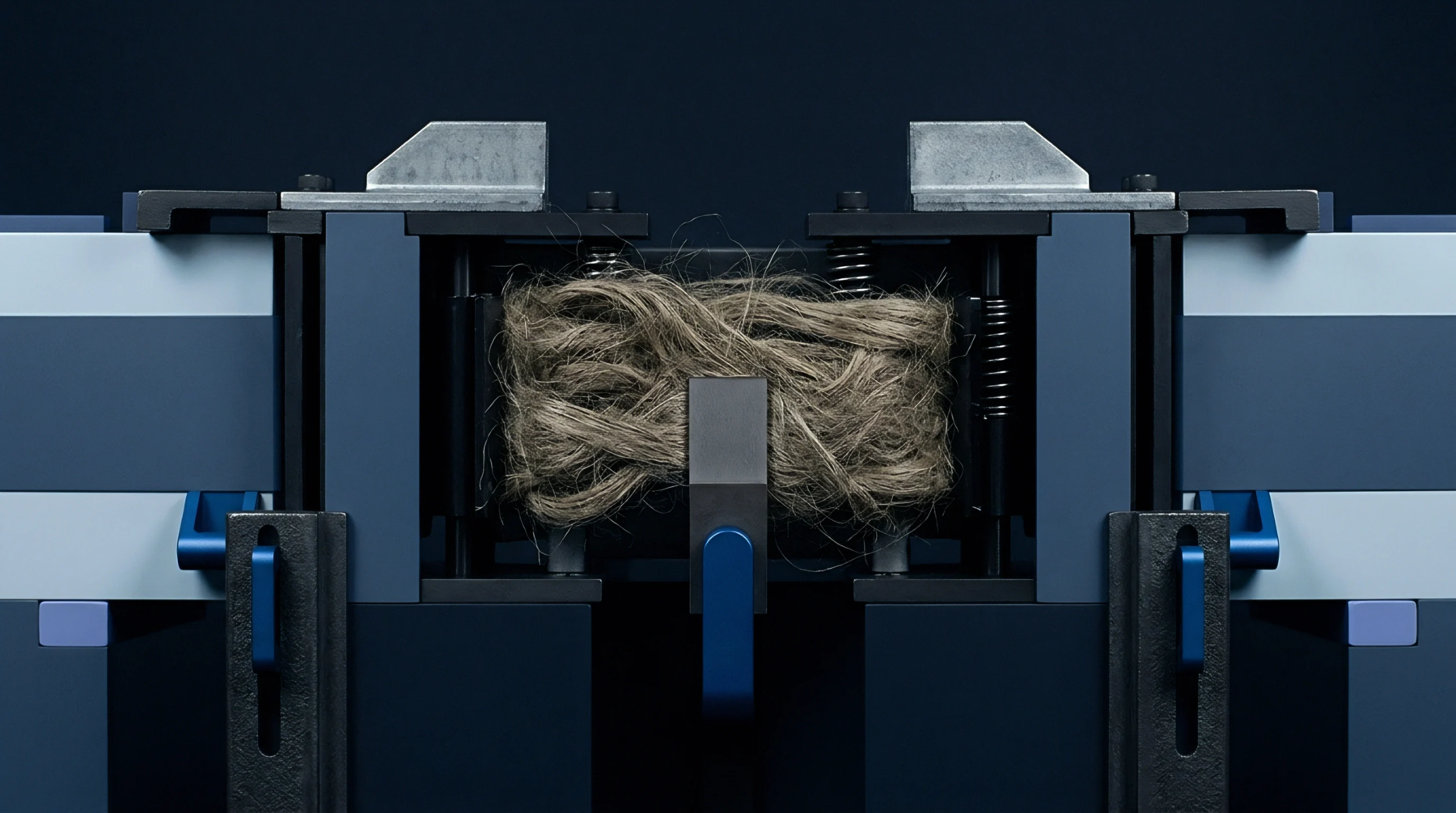
Gravimetric determination measures flax metric fibre number by weighing cut bundle segments to establish length per mass for accurate wet spinning yield calculation.
Expertise is a utility, not a secret. sentiention™ publishes its working knowledge as open reference: intelligence layer covering the materials it sources, the markets it enters, and the reference that serves both.