Fibre Grading
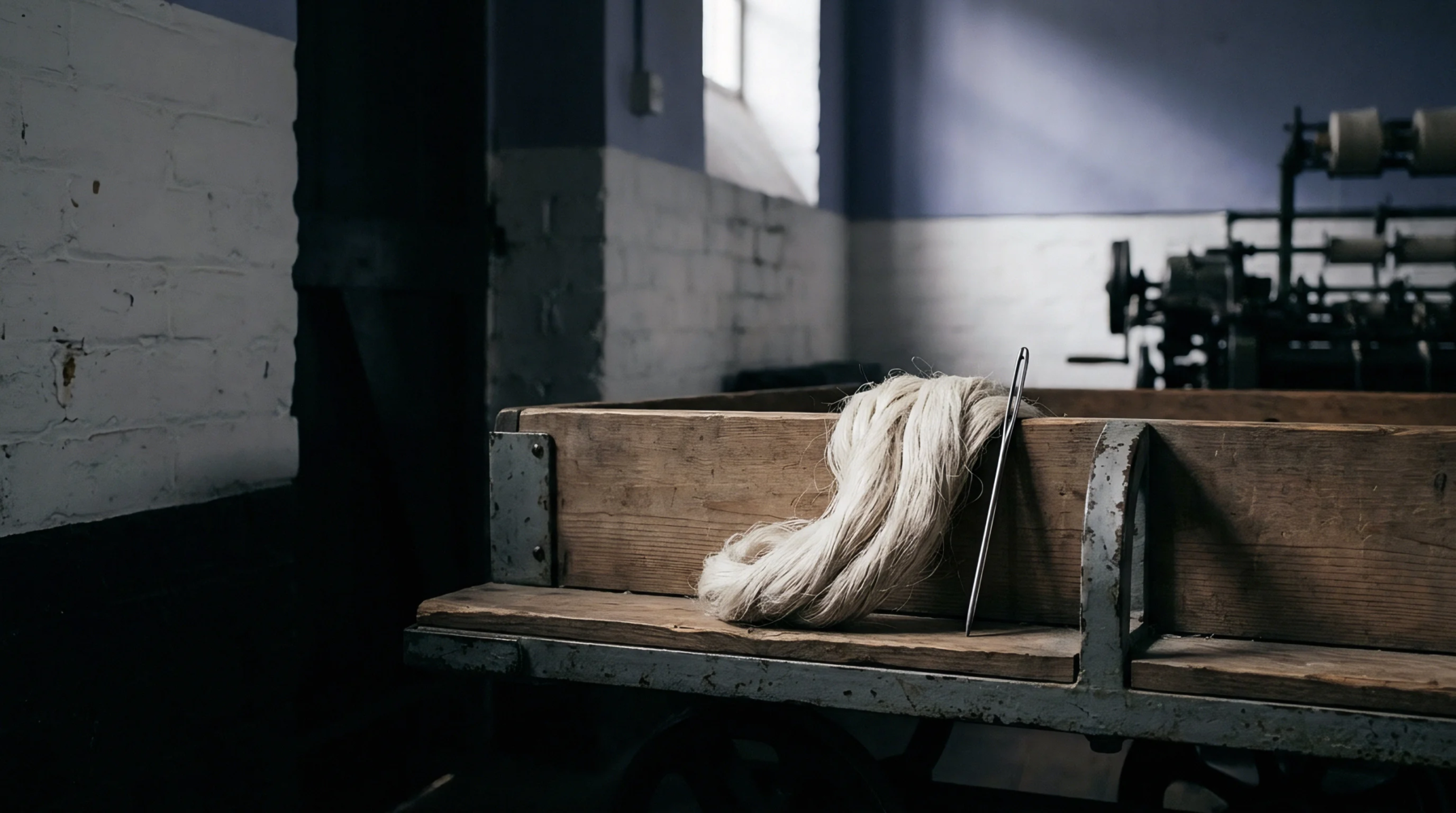
Unprocessed flax straw carries foreign woody particles that disrupt fine spinning until mechanical beating breaks them down into fragments. Shive contamination measures residual woody debris left inside hackled linen after hackling machines complete their initial extraction passes. Mill inspectors count these embedded fragments per square decimetre of web during dry spinning preparation.
Flax processors separate low grade roving containing excess woody waste from clean line fibre destined for luxury handkerchief yarns. Internal mill standards dictate acceptable particle ceilings for wet spinning lines, while export contracts specify strict maximum tolerances for finished yarn lots. Workers record particle counts on the daily batch ledger before sliver transfer occurs.
Spinning Tolerance
Mechanical preparation must strip woody matter completely because residual impurities snap delicate damp filaments during high speed drawing frames operation. Drafting rollers jam whenever oversized woody fragments enter spinning machinery, causing immediate yarn breakage and high waste rates. Operators adjust carding cylinder speeds downward when incoming batches show high particulate counts, trading production volume for yarn integrity.
Premium warp yarns demand absolute purity because stubborn woody specks refuse bleach uptake and create dark spots in bleached white damask fabrics. Yarn buyers reject lots exceeding specific particulate thresholds during pre shipment laboratory inspections, forcing spinners to discount inferior production runs to industrial twine manufacturers.
Cloth Verification
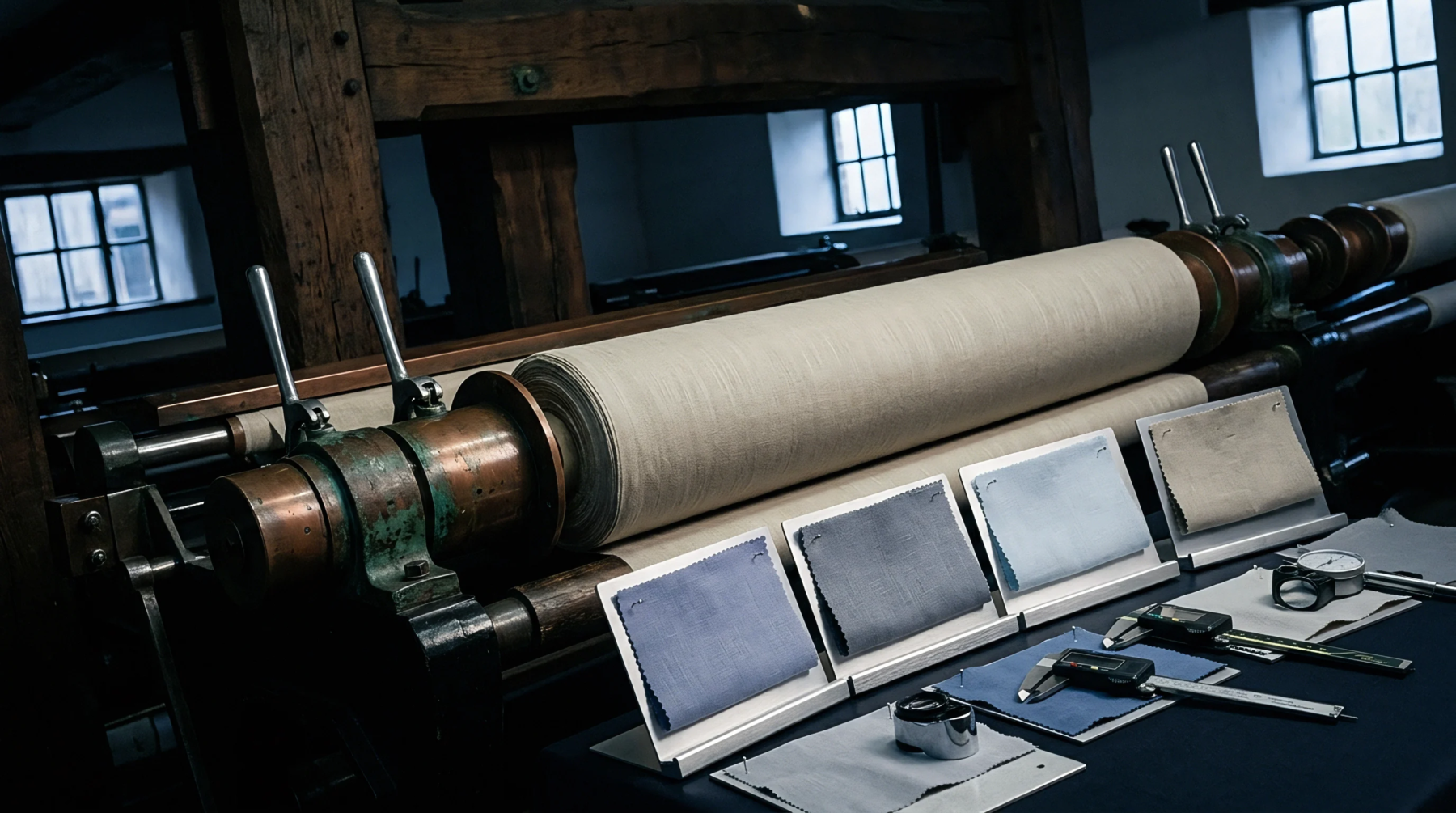
Woven linen inspection involves backlit table examination to locate trapped woody matter hidden beneath warp and weft intersections. Fabric graders separate lower grade utility cloth containing visible vegetable specks from pristine damask meeting strict export quality benchmarks. Commercial purchase orders bind mills to distinct defect density limits, and independent testing houses verify compliance before the release of bills of lading.
Final textile quality depends entirely on how thoroughly preparation machinery removes woody residue during the initial hackling stage.