
Mass Balance Verification for Transferred Non-European Flax Fiber Stocks
Verify non-European flax fiber mass balance by checking moisture-adjusted intake weights, physical scutcher yields, and unbroken inland transfer records.
Verify non-European flax fiber mass balance by checking moisture-adjusted intake weights, physical scutcher yields, and unbroken inland transfer records.

Reconciling flax yarn ledgers requires converting physical weights to standard commercial dry mass to strip out moisture shifts and process waste loss.

Auditing overseas linen spinning ledgers demands reconciling core bone-dry fiber weights against machine waste logs to eliminate phantom mass balance credits.

Reconciling multi country yarn spinning ledgers requires adjusting raw weights to standard twelve percent moisture regain and retiring comber noil credits.

Flax transport reconciliation converts field scale weights to twelve percent commercial regain before scutchers log certified mass balance ledgers.

Reconciling wet spun linen mass balance ledgers requires factoring moisture regain adjustments, chemical trough dissolution, and count-specific mechanical waste.

European Flax ring spinning mass balance audits require moisture-adjusted dry fiber weight reconciliation across every transformation stage from raw bale to spun package.

Reconciling wet-spun long line flax demands subtracting hot-bath pectin extraction loss and comb waste from certified fiber transaction receipts.
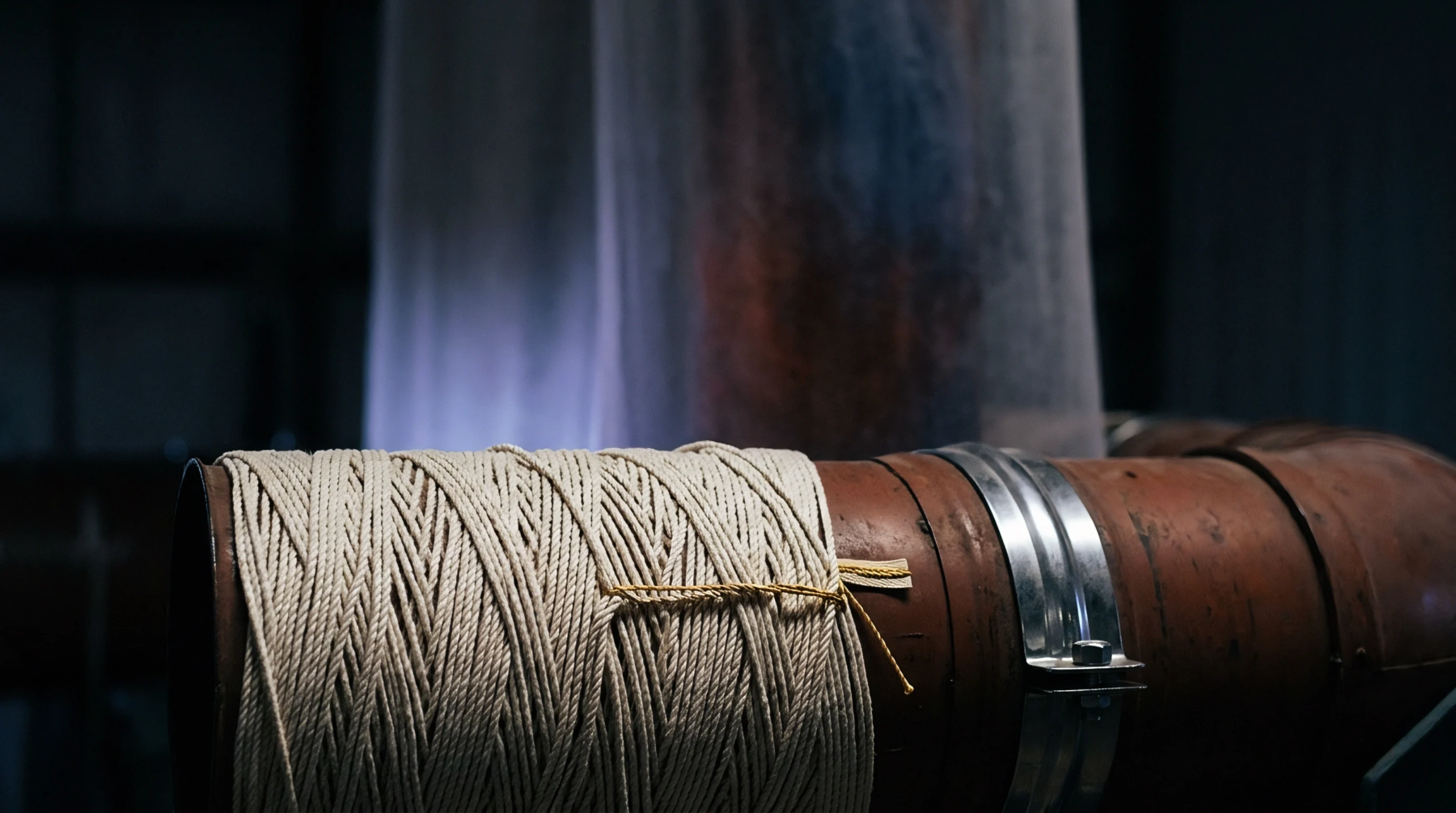
ISO 22095 mass balance allocation demands dry-mass baselines and process waste reconciliation to stop certified credit inflation in mixed flax spinning.

Reconciling spinning mill mass balance ledgers requires verifying raw intake certificates against physical machine yields, waste rates, and packaged yarn sales.

Verify wet spinning mass ledgers by adjusting raw inputs to standard moisture regain, deducting verified chemical bath extraction losses and weighed mechanical scrap.
Expertise is a utility, not a secret. sentiention™ publishes its working knowledge as open reference: intelligence layer covering the materials it sources, the markets it enters, and the reference that serves both.