Moisture Content Equilibrium
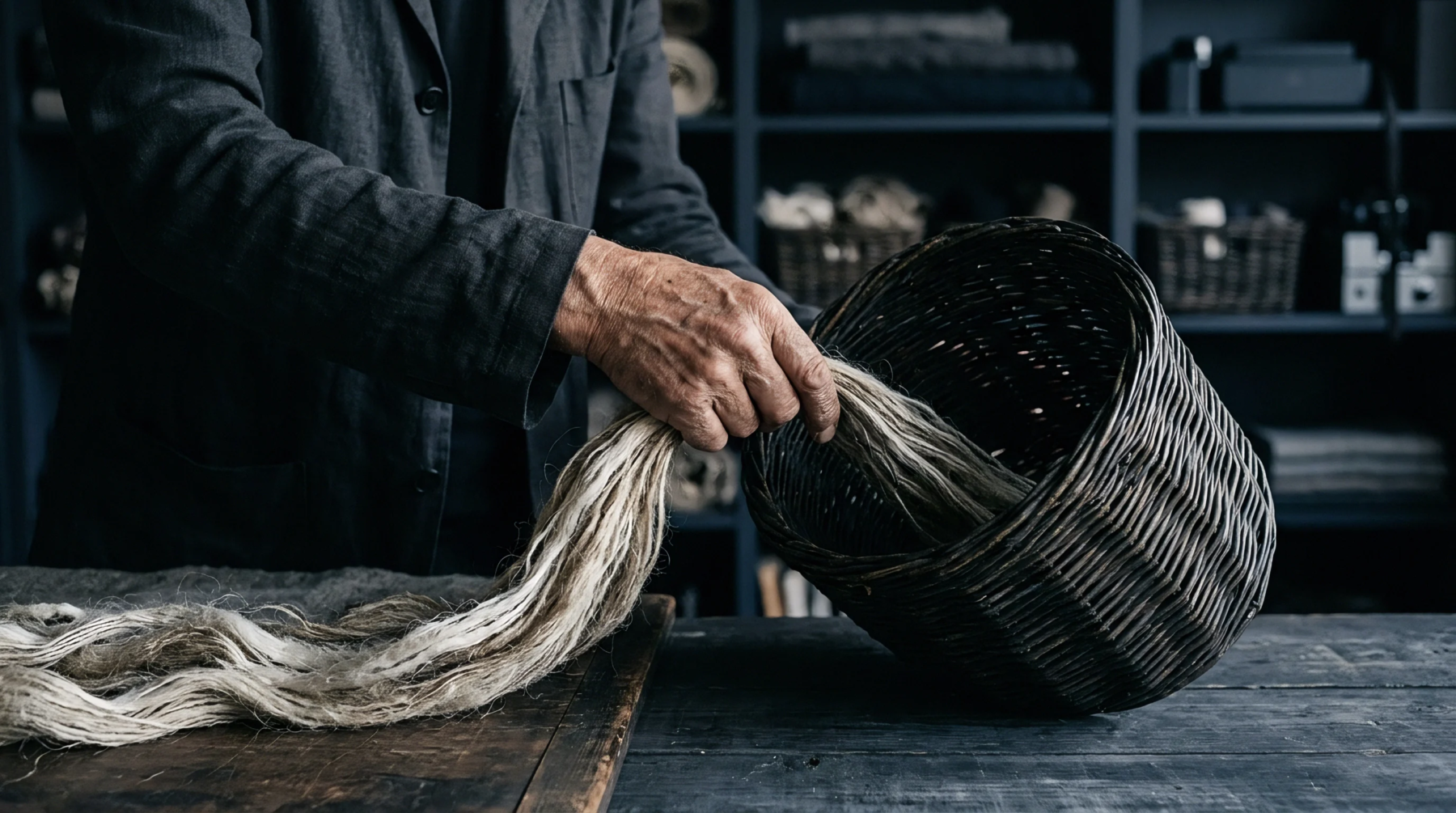
Water absorption capacity determines the market mass of flax or hemp fibers during trade. Bast fiber regain describes the weight of moisture present in a sample expressed as a percentage of the bone-dry mass. This standard calculation accounts for the hydrophilic nature of cellulose while preventing the unintentional purchase of water weight at raw fiber prices.
Calculation Protocol
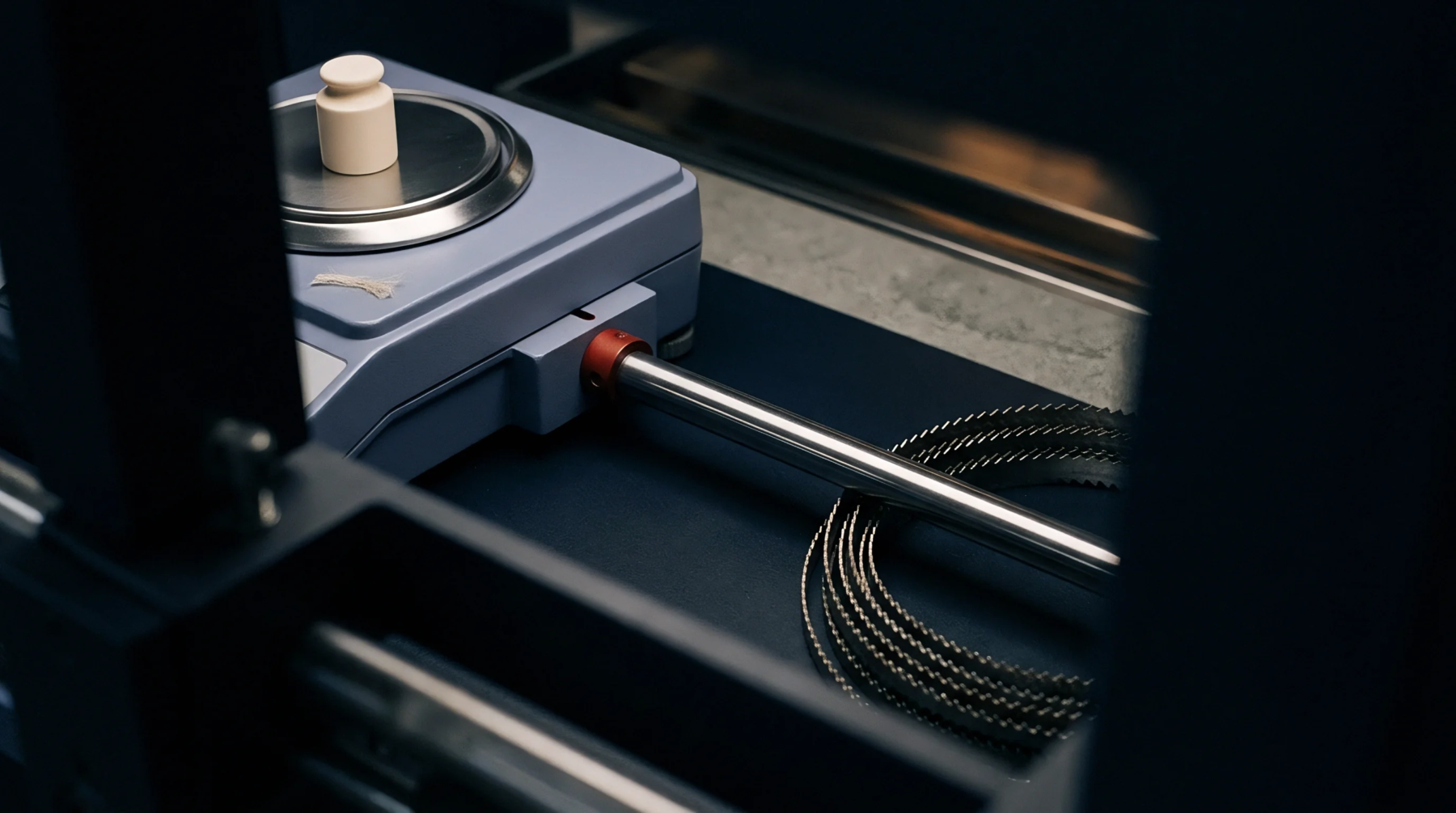
Technical laboratories weigh a specimen before and after removing moisture in a forced air oven at a set temperature until the scale readings stabilize. Engineers calculate the final bast fiber regain by dividing the mass of the extracted water by the mass of the remaining dry fiber. Discrepancies between the shipping weight and the dry weight often result in commercial disputes if the documentation ignores ambient humidity levels during storage.
Spinning mills prefer specific moisture levels because overly dry material becomes brittle and breaks during the carding process, whereas excessive moisture promotes fungal growth and staining in the bale. Buyers demand verified certificates that cite the exact environment of the test to ensure that the reported values remain consistent across different shipping regions.
Production Boundary
Processing facilities utilize these figures to adjust lot sizes before spinning the fibers into yarns for industrial textiles. Procurement contracts define the maximum allowable percentage of water to distinguish between naturally occurring humidity and artificial bulk loading. Quality control officers perform these assessments at the point of origin to prevent financial losses linked to excess shipping weight.
Accurate measurement of this metric creates a stable foundation for equitable trade between producers and manufacturers.