
Gravimetric Linear Density Testing Methods for Line Flax Bundle Selection
Gravimetric cut-and-weigh bundle testing under ISO 2370 defines line flax linear density in tex, controlling hackling yield and wet-spinning count limits.
Gravimetric cut-and-weigh bundle testing under ISO 2370 defines line flax linear density in tex, controlling hackling yield and wet-spinning count limits.

Flax deliveries require gravimetric oven drying under ISO 6741-1 to convert gross weight into invoice commercial mass at twelve percent regain.

High-speed wet spinning requires trough bath temperature control above 65°C and pH 5.5 to sustain homogalacturonan demethylesterification before drafting.

Pectin degree of esterification governs trough softening temperature, drafting resistance, and yarn evenness in wet flax spinning.
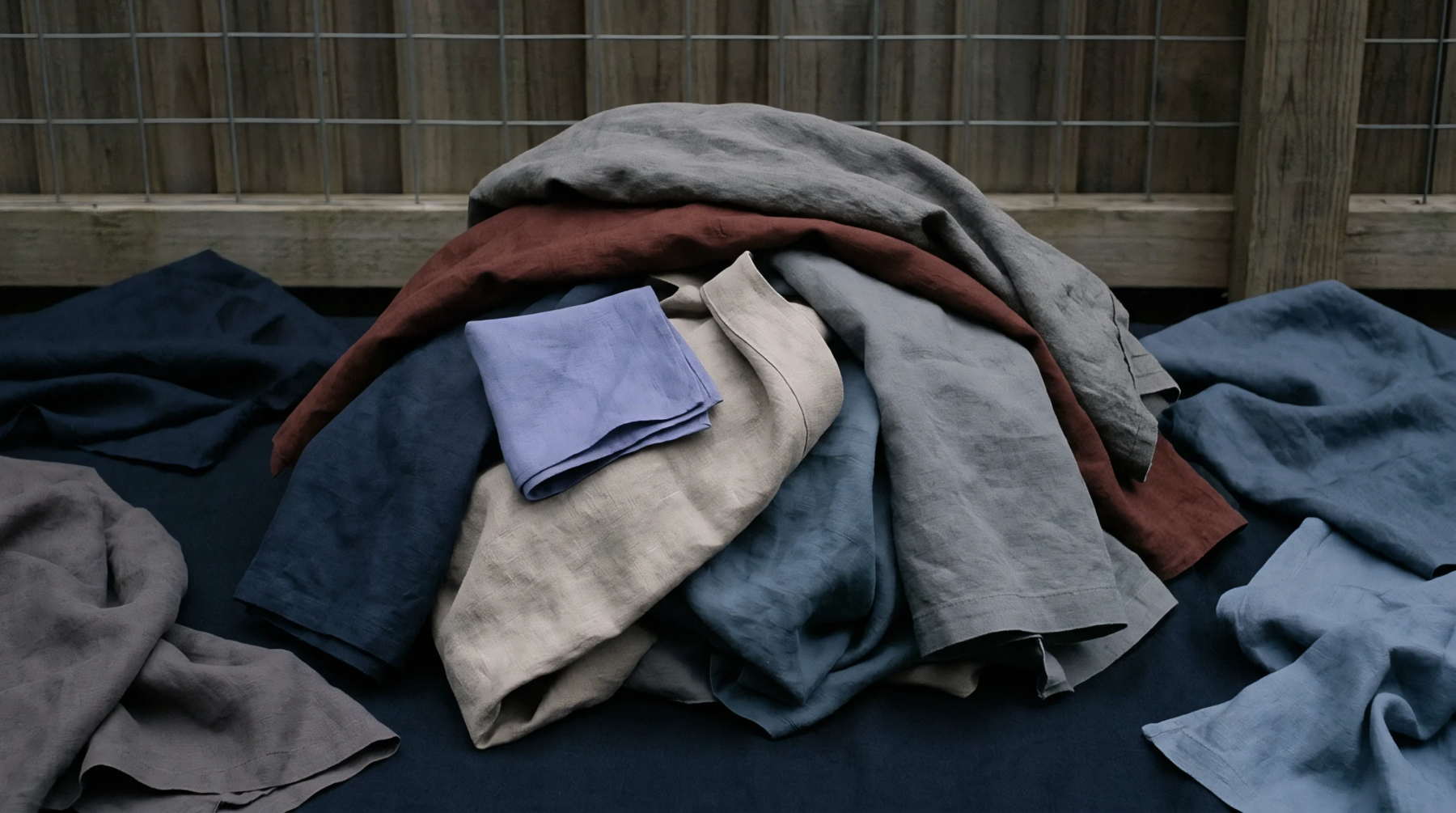
Cross sectional fineness variation in flax bundles dictates wet spinning draft limits, yarn mass evenness, end breakage rates, and delivered metre costs.
HS Chapter 53 linen classification requires strict lab verification of fibre state, 85 percent blend mass thresholds, and audited mill transaction records.

ATR-FTIR spectroscopy identifies raw retted flax by tracking the 1735 cm-1 ester carbonyl and 1505 cm-1 lignin bands against the 1030 cm-1 cellulose baseline.
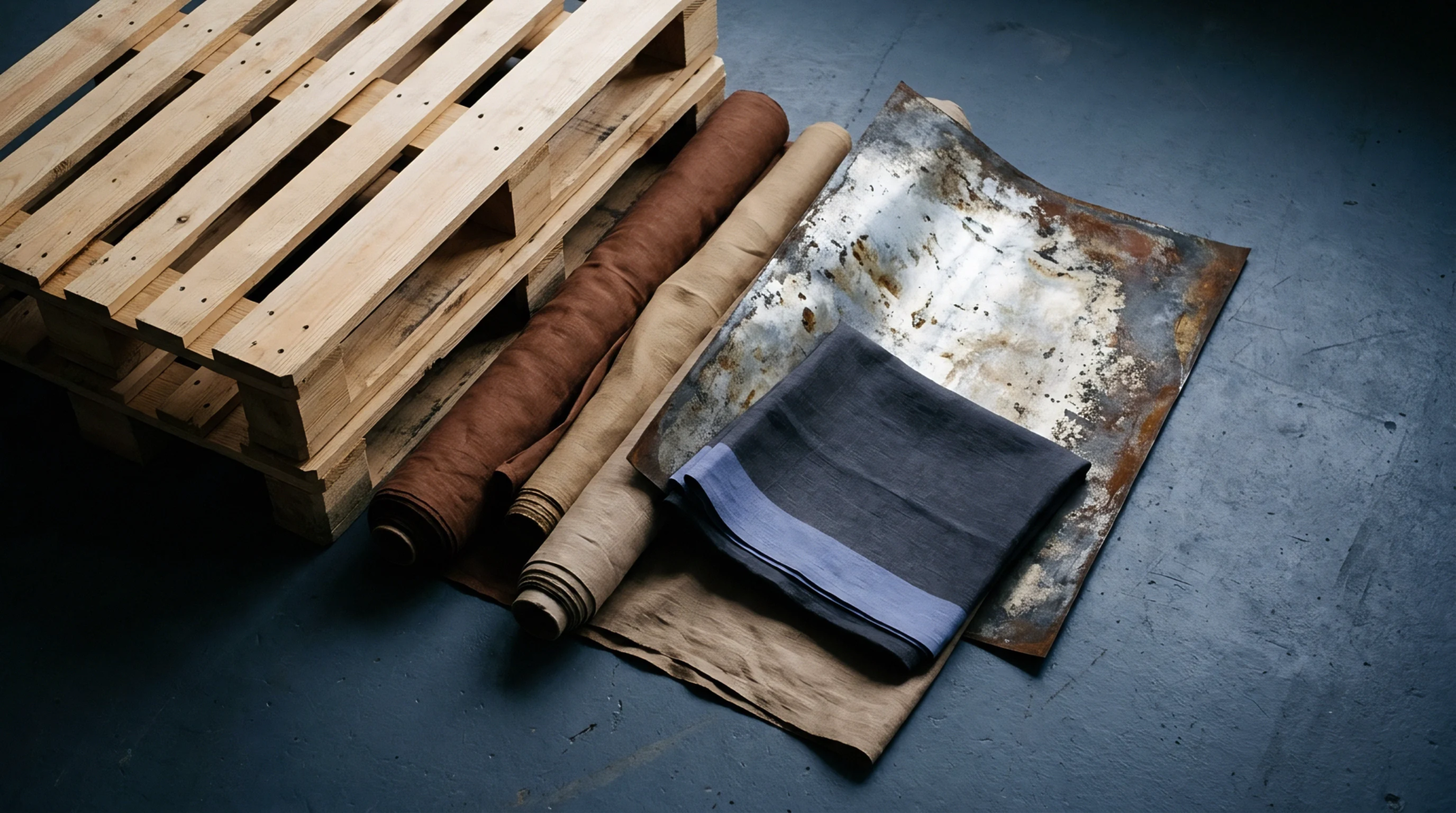
Spectroscopy cannot resolve high-ratio bast blends due to retting variance; quantitative verification requires microscopic twist counts and mass-balance audits.

Infrared spectroscopic mapping identifies bast fiber origin by measuring cell-wall biopolymer ratios to expose undocumented blending before customs entry.

Klason lignin testing verifies bast fiber processing levels through acid hydrolysis and ash correction to confirm tariff codes and audit mill degumming claims.
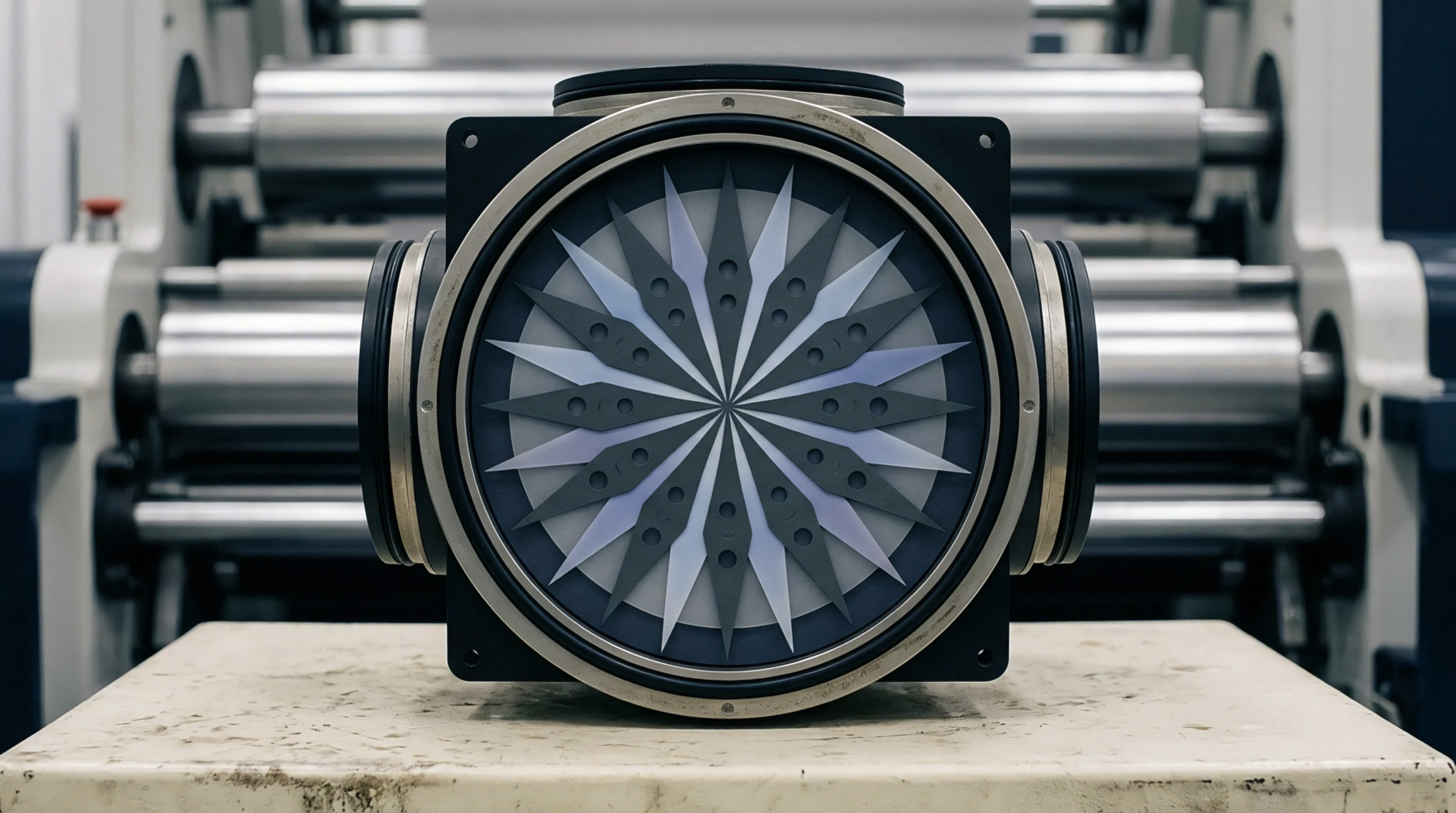
Scutched flax hackling yield derives from mass exceeding clamp retention length minus bundle fracture losses calculated across pinned comb stages.

Structure long term flax contracts with multi-tier price indexation tied to turbine extraction yields and dry matter mass to distribute retting risk equitably.

Laboratory bench methods quantify flax pectin breakdown using m-hydroxydiphenyl assays, peel resistance, and FTIR to prevent fiber strength loss from over-retting.

Nonuniform residual pectin creates weak nodes and rotor groove debris, restricting single yarn tenacity and forcing costly speed reductions.

High-speed optical fineness testing replaces gravimetric airflow by resolving bast bundle width distributions to predict wet-spinning draft and fabric cost.

Volumetric bulk density models misstate hemp shive content due to retting porosity changes; gravimetric sorting under ISO 1833 remains mandatory for pricing.

Manual hand classing identifies technical fibre bundle division through thumb splitting, pull drafting, and tactile drag to predict hackling yield and yarn count.

Enforce gravimetric non-cellulosic limits below 2.5 percent on raw bast contracts to eliminate spinning yarn breaks and justify automated invoice penalty credits.

Customs classification of degummed bast fiber depends on residual sodium levels and Klason lignin ratios exceeding raw retting standards.

Evaluating hackling yield allowances requires linking retting degree, pin comb density, and trough temperature directly to landed yarn cost per finished meter.
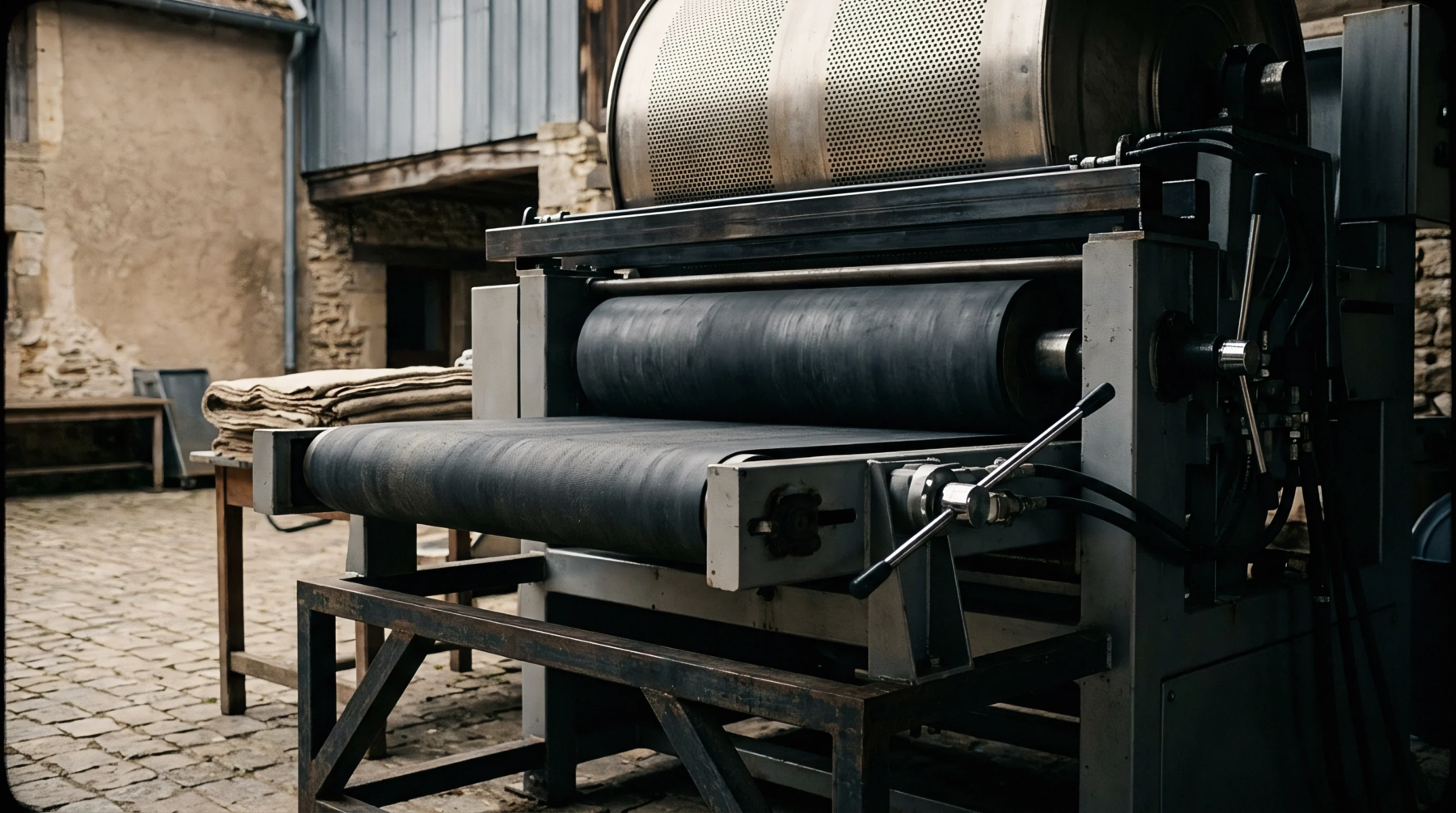
High-frequency dielectric sensing detects hidden core wetness in scutched flax bales to prevent hackling yield loss and commercial mass overpayment.

Scutched flax grading combines visual strick analysis with ISO 2370 airflow permeability to set hackling yield models and wet-spinning count limits.
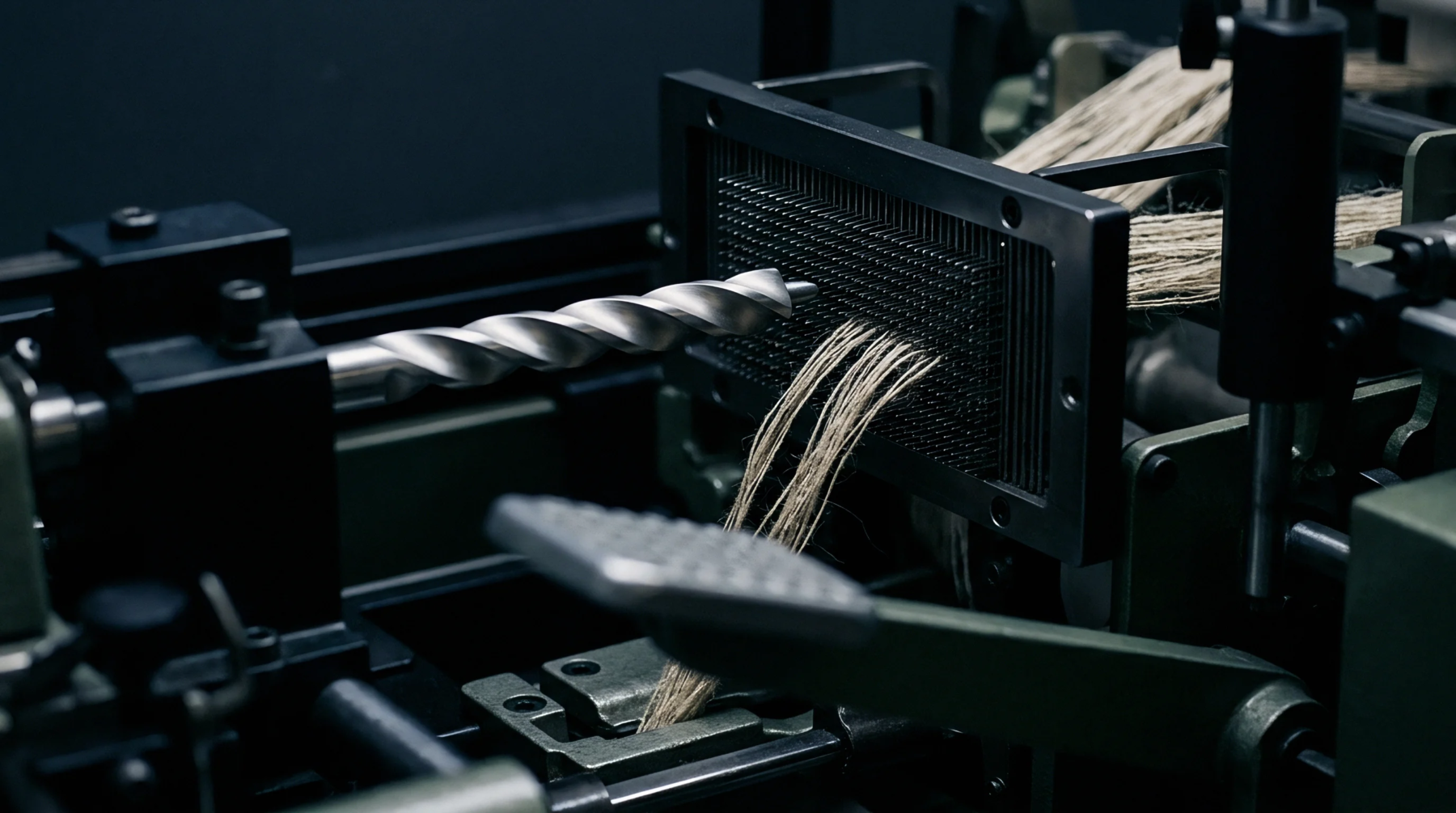
Retting-induced cell wall micro-cracks cause premature elementary fibre fracture in the wet-spinning trough, triggering severe drafting force instability.

Optimal retting at Fried 2.8 maximizes line yield at 55 percent, holding wet-spun tenacity above 43 cN/tex while preventing costly hackling tow losses.
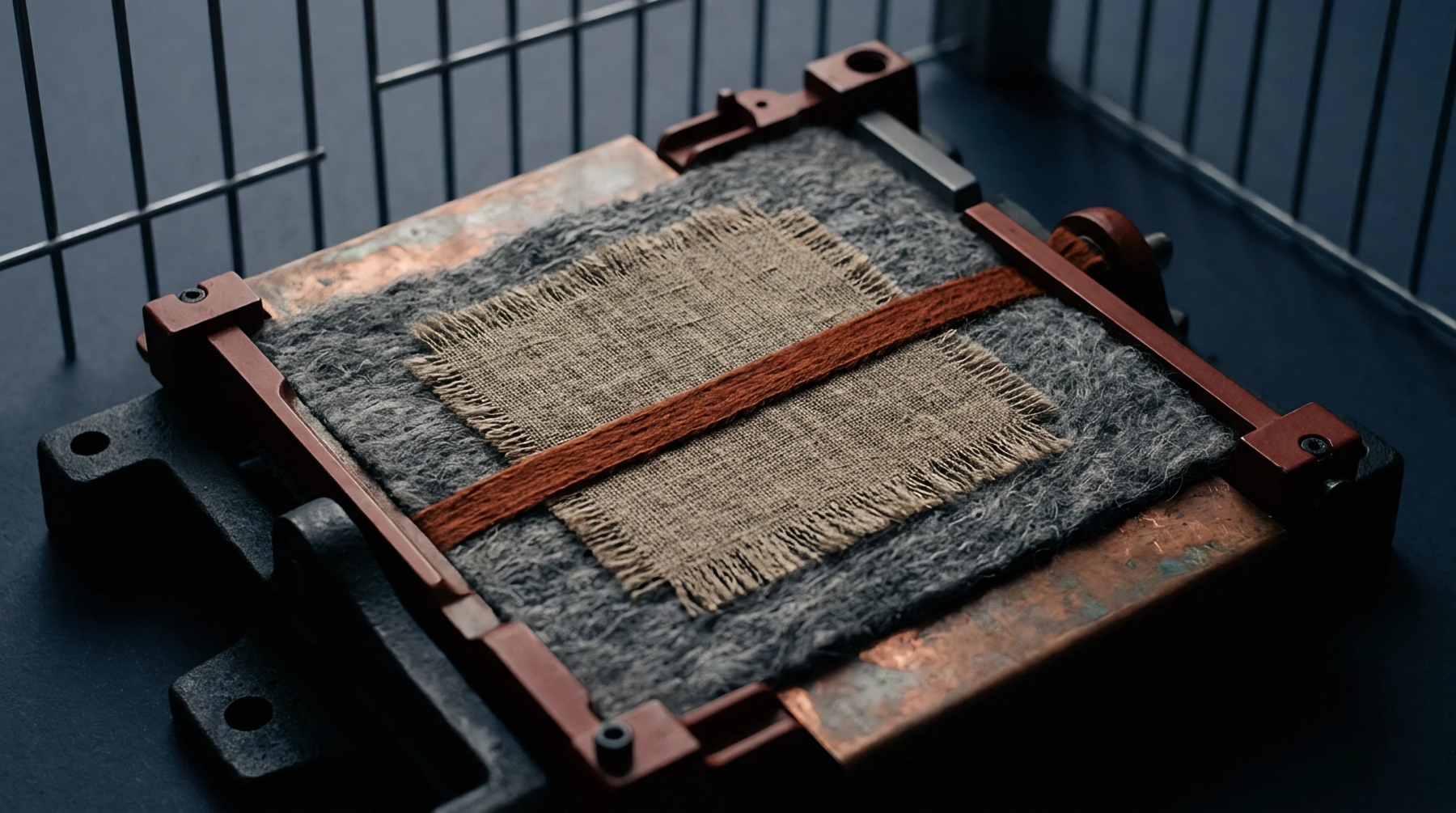
Technical bundle length and linear density fix hackling recovery, drafting limits, and finished yarn count economics in raw flax sourcing.

Commercial moisture regain for dew-retted flax straw is standardized at 12.00%, adjusting gross intake weights to bone-dry mass under ISO 6741-1 rules.
Long staple flax grading and precision hackling control sliver yield, wet-spinning yarn count limits, and delivered fabric cost per metre.

HS heading 5301 classifies flax by mechanical state, where shive content, staple length, and fibre parallelism separate raw straw, scutched stricks, line, and tow.

Evaluating raw flax fibre grade quotes demands checking retting degree, shive loading, metric fineness, and hackling yield against target wet-spun yarn counts.
Pectin plasticization relaxes bast middle lamellae, enabling microfibril realignment to drive fine count spinning yields and cut fabric meter costs.
Expertise is a utility, not a secret. sentiention™ publishes its working knowledge as open reference: intelligence layer covering the materials it sources, the markets it enters, and the reference that serves both.