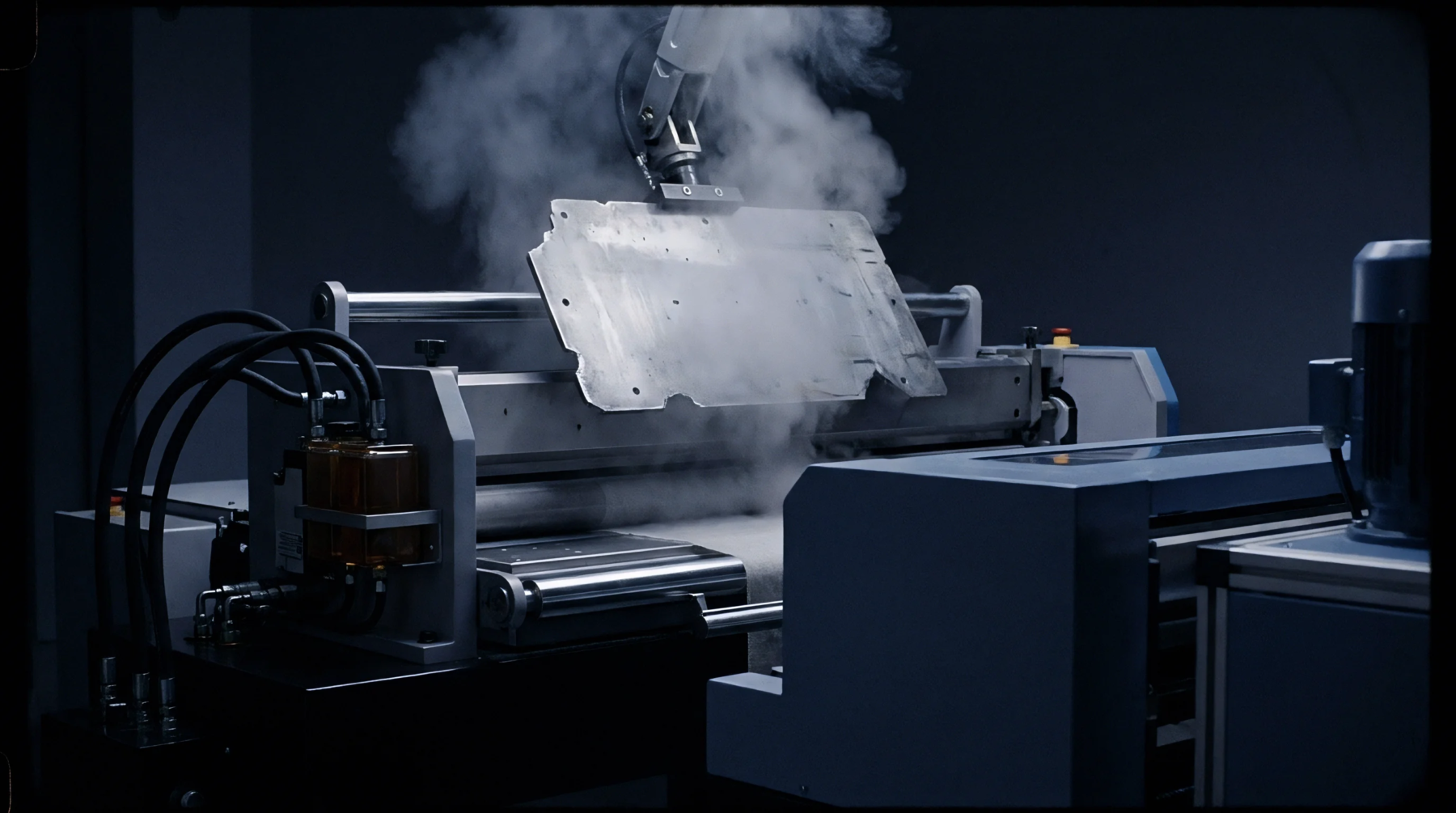
Modeling Cyclic Strain Rupture Mechanisms in Fine Wet Spun Linen Shedding Operations
Fine wet spun linen warp breaks are minimized by capping dynamic shed strain below 2.0% through asymmetric back-rest tuning and controlled relative humidity.
Fine wet spun linen warp breaks are minimized by capping dynamic shed strain below 2.0% through asymmetric back-rest tuning and controlled relative humidity.
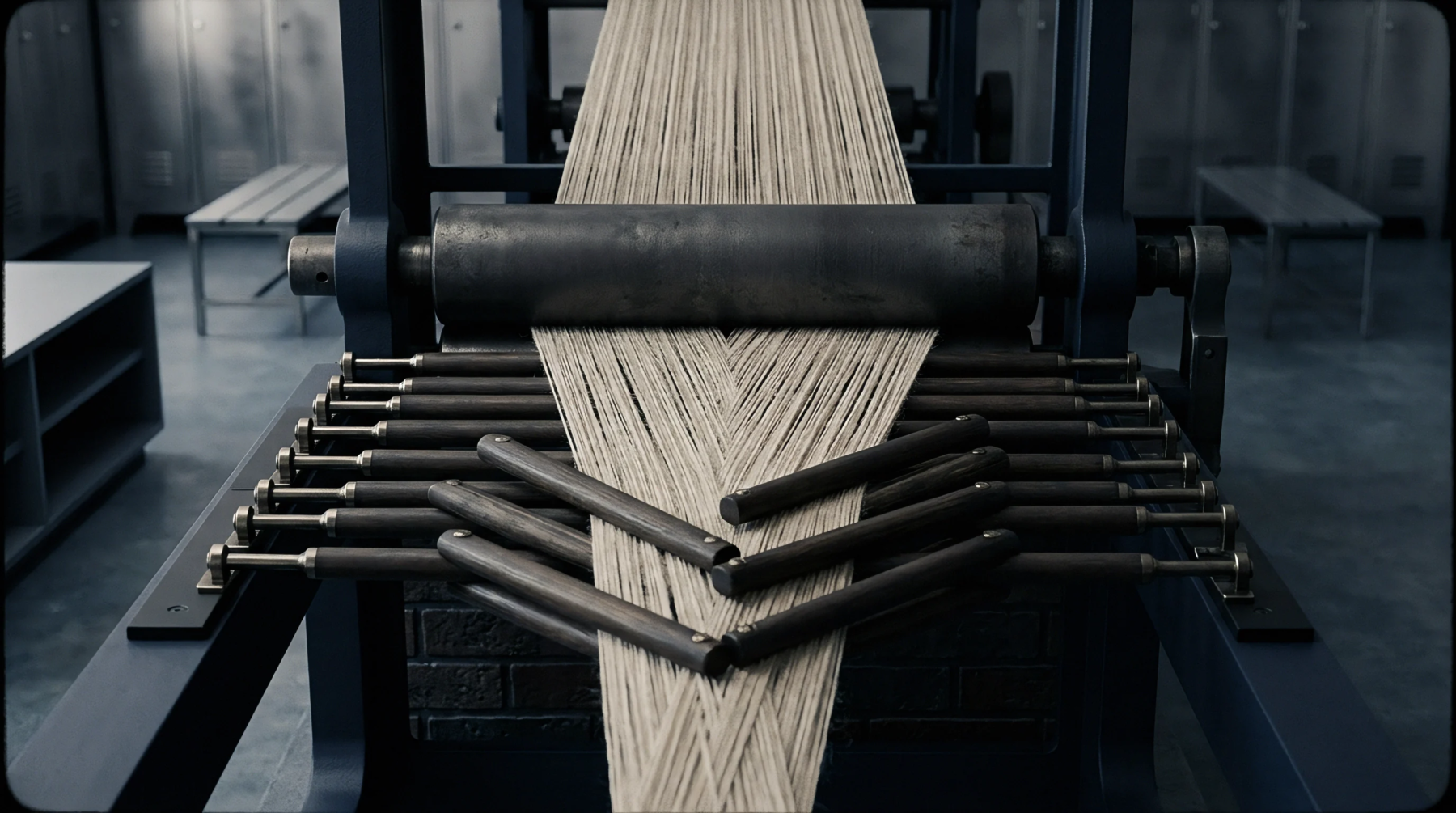
Keeping harness cord splay angles below ten degrees prevents lateral eyelet binding, eliminates asymmetric creep, and protects loom speed in high density sheds.

Hot water trough temperatures between 68°C and 74°C plasticize middle lamella pectins, preventing microfibril rupture and securing fine yarn counts up to Nm 80.

Narrow crystallite orientation dispersion below 14 degrees FWHM maximizes wet spinning yields and fine count limit up to Nm 60 in long staple flax.

Klason lignin testing combined with wet spinning draft analysis establishes raw flax mill suitability and prevents costly frame end breaks.

Optimizing air jet linen shedding requires asymmetric harness levelling at 26 millimetres to balance relay nozzle clearance with tension limits.

Cut length flax gravimetric linear density variance triggers tiered commercial debits based on wet spinning draft limits and yarn count yield loss.

Comb sorter profiling establishes staple length distribution, short fibre content, and drafting bounds to guarantee target yarn counts and fabric yield.

Controlling flax sliver non-cellulosic residue below 2.5 percent eliminates drafting stick-slip force spikes and holds wet-spun yarn air permeability variance under eight percent.

Verify flax linear density using ISO 1973 cut-and-weigh gravimetry at standard 12% regain to accurately forecast wet-spinning limits and enforce contract pricing.

Fine warp setts collapse loom efficiency through yarn cling and stops; buyers absorb costs via sett surcharges unless target efficiency caps are contracted.
Expertise is a utility, not a secret. sentiention™ publishes its working knowledge as open reference: intelligence layer covering the materials it sources, the markets it enters, and the reference that serves both.