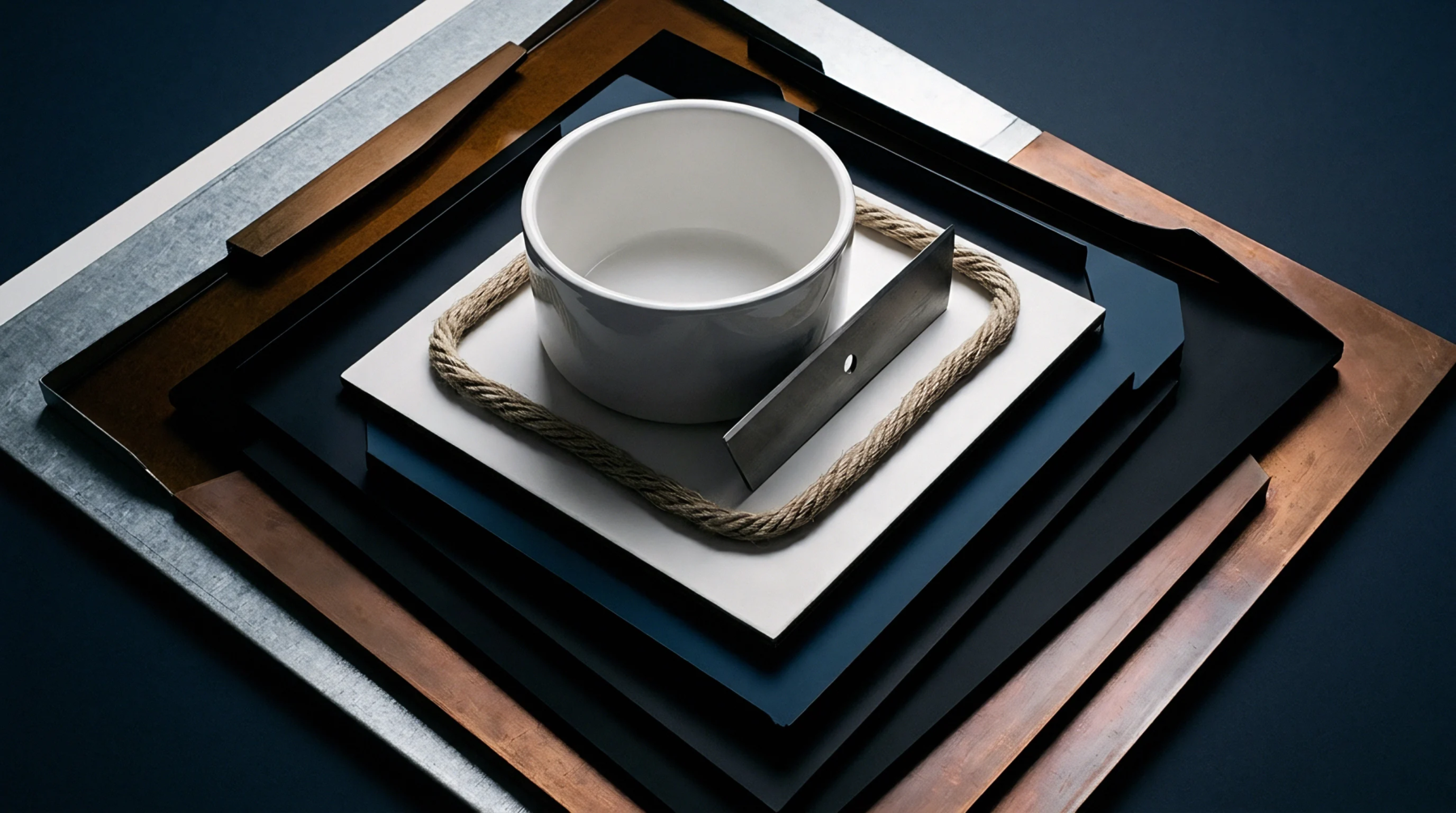
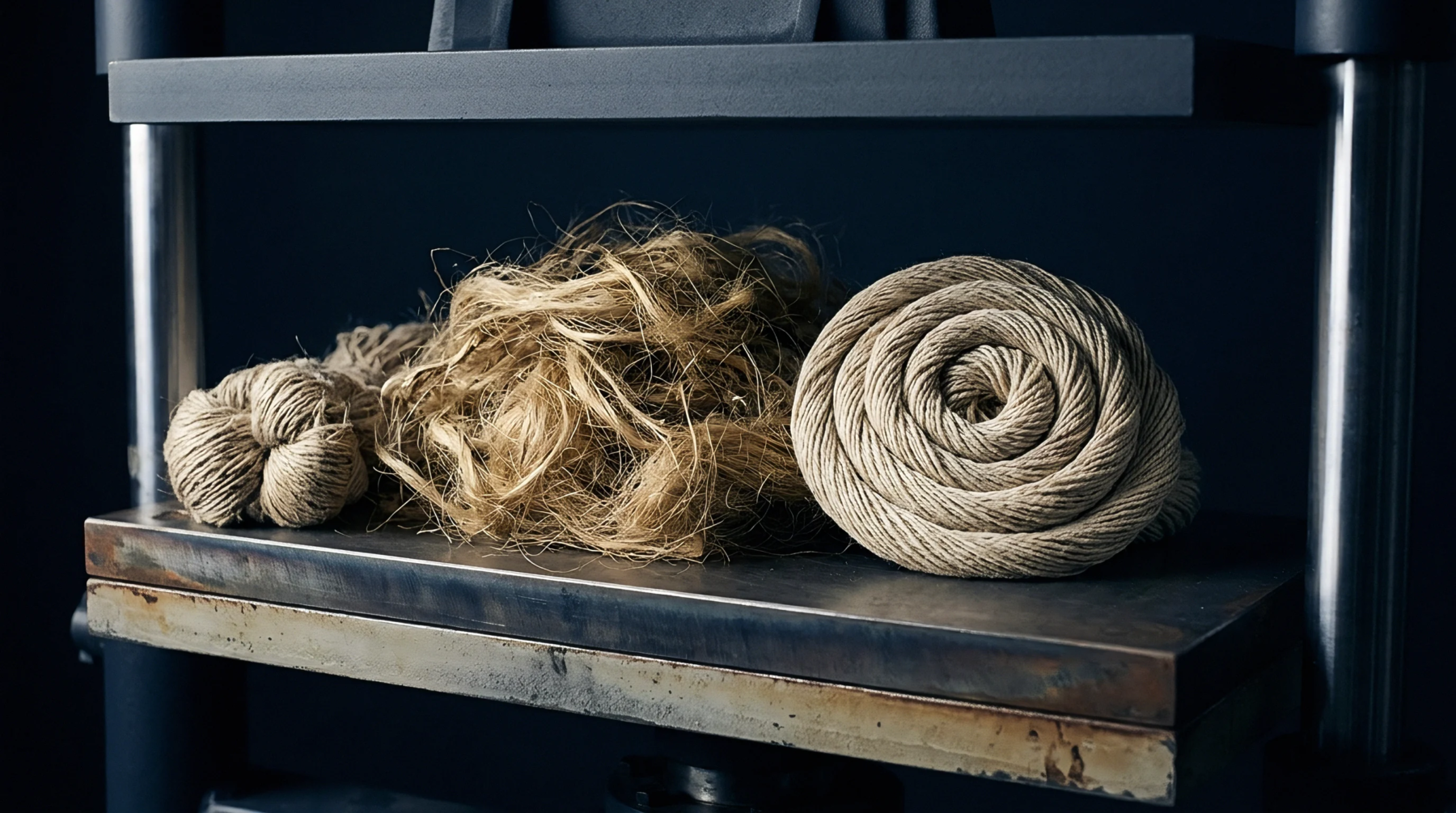
Combing Needle
Industrial combing machines use rows of steel needles to separate and parallelise raw flax fibers before spinning. The hackling pins are mounted in graduated densities on brass or steel bars that comb through the flax as it travels through the machine. These pins remove shive, short fibers, and dirt from the long flax line.
They range from coarse needles at the start of the machine to very fine, dense needles at the finish. This progression ensures a gentle but thorough combing action.
Fiber Alignment
Mechanical drafting of flax depends on the precision of these metal combs to split the fiber bundles into fine strands. If the hackling pins are blunt or misaligned, they will rip the long fibers instead of splitting them, which increases waste. The comb bars must be precisely spaced so that each row of pins penetrates the flax strand to the correct depth.
Over time, the abrasive natural waxes on the flax wear down the steel, necessitating regular pin inspection and replacement. In addition, the continuous friction generates heat that can bake plant residues onto the metal surfaces, which increases drag and can cause the delicate flax strands to snap mid-process. This high level of precision is necessary to maintain the long-term efficiency of the spinning preparation line.
Maintenance Strategy
Production managers track the wear of the needles to schedule rebuilds before the fiber quality degrades. When hackling pins become bent, they leave clumps of uncombed flax that will cause thick spots in the spun yarn. The process of re-pinning involves removing the worn bars from the hackling machine and melting the solder that holds the pins in place.
New pins are inserted using a alignment jig to ensure perfect spacing across the bar. Regular re-pinning extends the life of the combing machinery and keeps yarn quality consistent.