
Bast Fiber Secondary Cell Wall Crystallite Orientation
Secondary cell wall crystallite orientation dictates axial tensile modulus, hackling line yield, and wet-spinning metric count limits in bast fibers.
Secondary cell wall crystallite orientation dictates axial tensile modulus, hackling line yield, and wet-spinning metric count limits in bast fibers.

Secondary wall microfibrillar angle measurement in flax uses diffraction and spectroscopy to map S2 crystalline cellulose orientation for yarn stiffness.

Targeted pectin extraction to 1.0%-1.5% residual content balances fiber bundle separation and tensile strength for high-yield fine wet spinning.

Kinetic modeling of non-cellulosic pyrolysis quantifies residual pectic matrices in dew-retted flax, establishing precise thermal limits for processing.

Thermogravimetric deconvolution isolates flax tow pectin degradation between 210°C and 260°C to predict spinning draft failure and waste yield.

Non-cellulosic pectin retention widens flax regain hysteresis, causing wet-spinning count variance and commercial mass billing errors up to 3.2 percent.

Agricultural origin of raw European flax depends on linking farm lot weighbridge tickets to scutcher yield ratios and isotopic soil chemistry proofs.

Standardizing dew-retted flax fineness requires combining ISO 2370 airflow with optical image analysis to control lot variance and secure spinning yields

Modifying flax tenacity thresholds requires lowering spinning count limits, adjusting wet draft bath temperatures, and applying graduated invoice discounts.

Scutched flax moisture testing relies on oven desiccation at 105 degrees Celsius under ISO 2370 to adjust gross invoice weights to twelve percent regain.
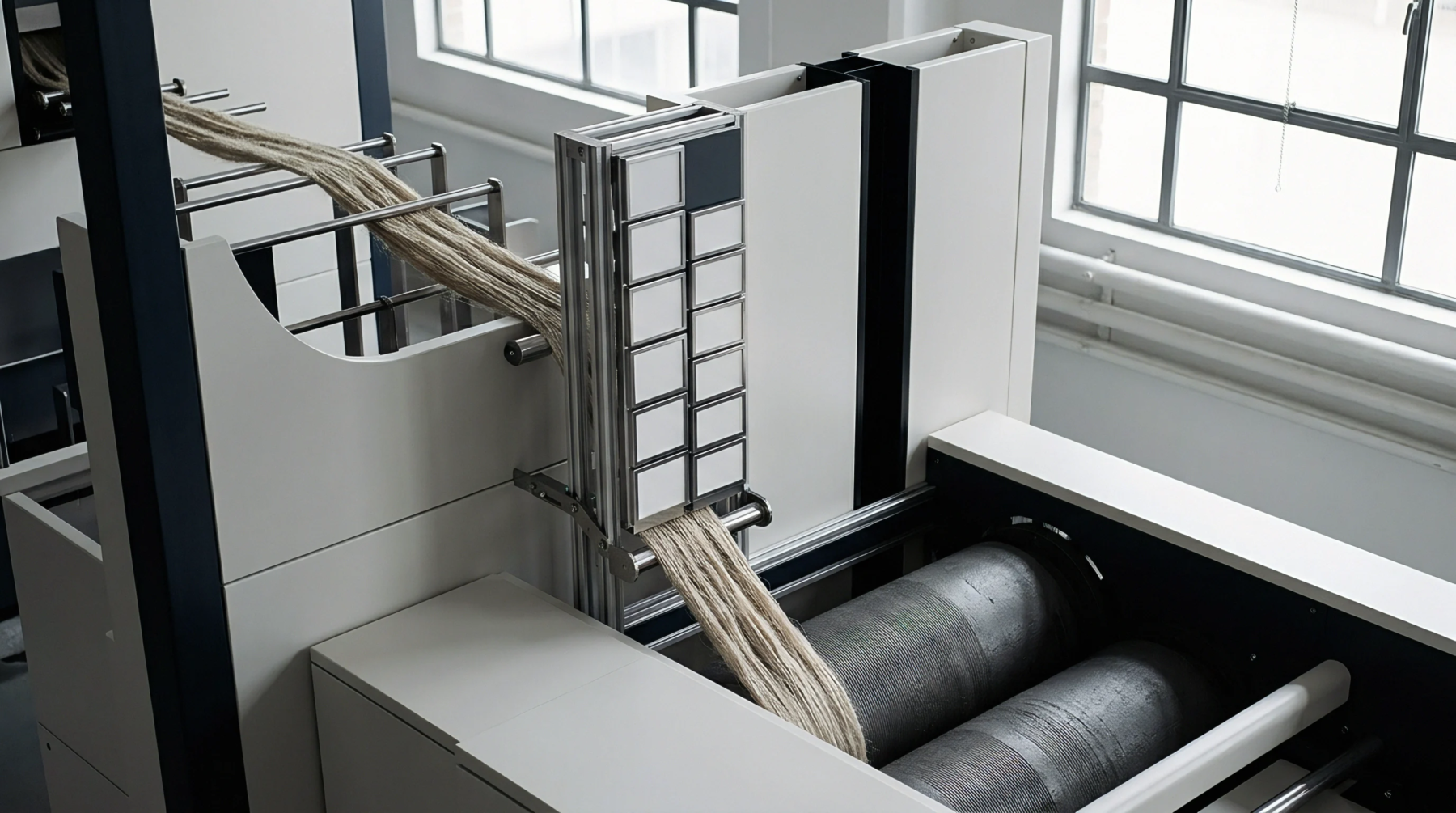
Stabilizing wet-spinning troughs at 60 to 63°C plasticizes flax middle lamella pectins, suppressing drafting force spikes and yarn mass CV drift.

Targeting 1.2 to 1.5 percent residual pectin via controlled hydrolysis stabilizes wet drafting forces below 5 cN per tex, preventing breaks at Nm 80 and above.

Solvent extraction systematically overstates bast fibre impurities by co-dissolving structural hemicellulose, distorting bale valuations and mill processing setups.
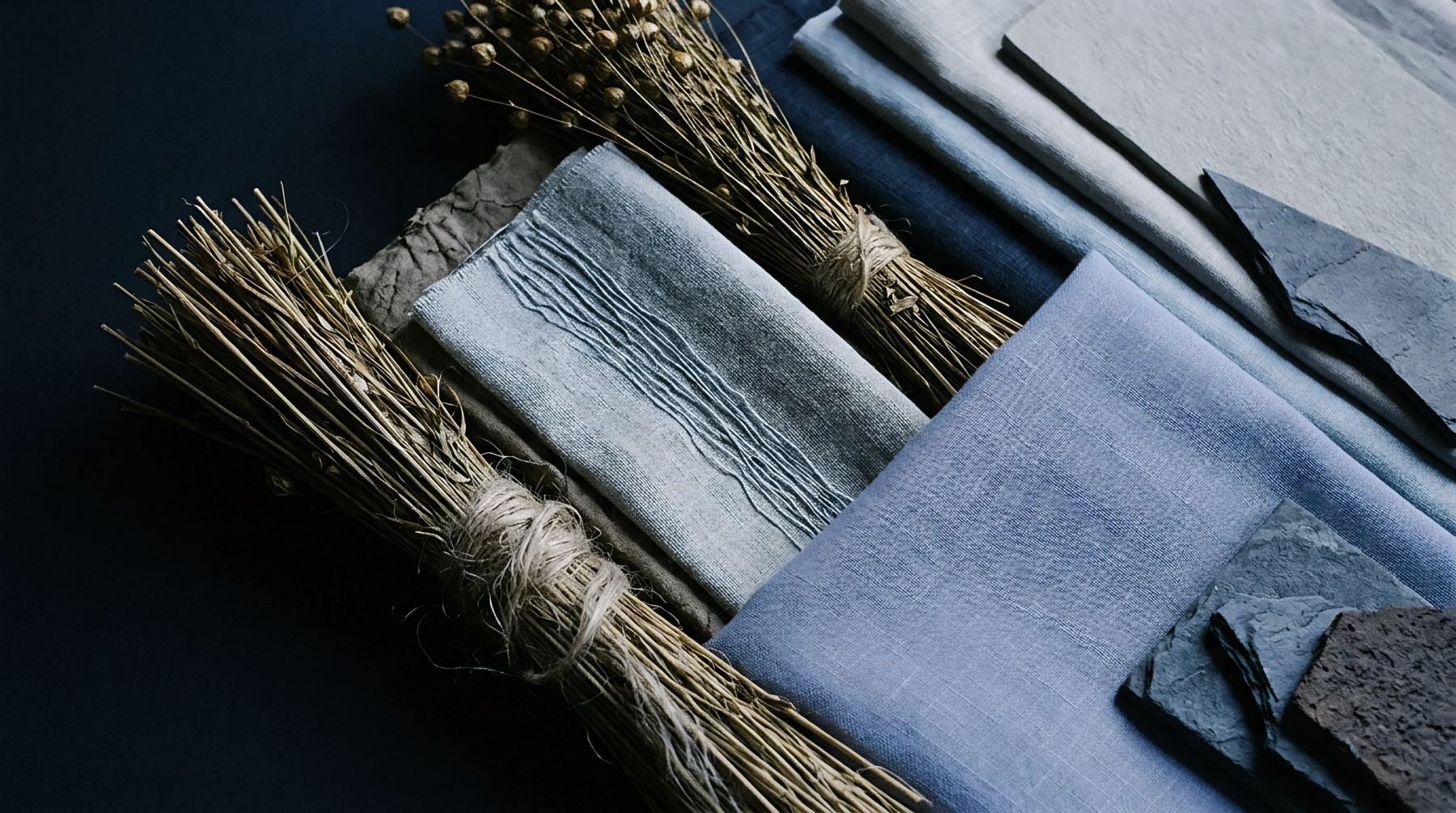
Stable isotope ratios in bast cellulose provide verifiable chemical proof of western European flax origin, defending customs declarations against substitution.

HS classification for raw bast fibres hinges on mechanical extraction limits under heading 5301, where chemical degumming or combing shifts duty lines.
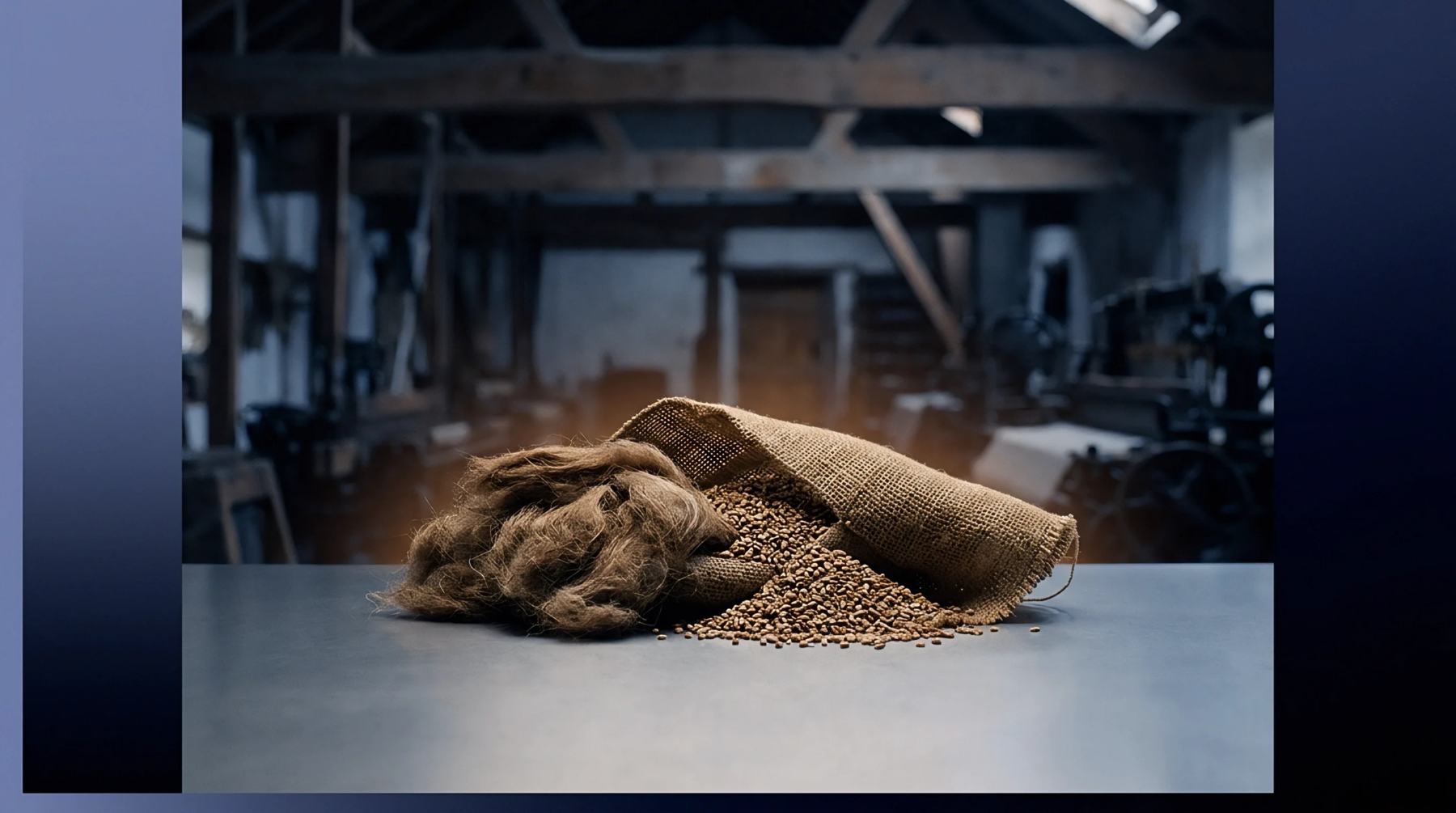
Fertilizer inputs shift bast fiber nitrogen and carbon isotopes, requiring alpha-cellulose isolation and strontium baselines to prevent Bayesian origin errors.
Chromatographic calibration using purified oligouronides prevents pectic interference errors that degrade flax hackling yields and yarn margins.
Stable isotope ratio calibration isolates authentic Western European flax from diluted continental fiber through oxygen and strontium mass balance boundaries.

Variable hot water pectin dissolution in wet spinning causes unrecorded mass losses up to 6 percent, creating phantom discrepancies in European Flax audits.

Mechanical extraction forms destructive cellulose dislocations in flax cell walls, requiring polarimetric verification to prevent spinning failures.
Combing pin shear stress maintained between seven and eleven megapascals separates technical fiber bundles along pectin interfaces without breaking ultimate cells.
Short-wavelength sliver tex variance above eleven percent triggers drafting separation and spikes wet-spinning breaks, adding over one dollar per finished metre.
Airflow fineness testing measures bast bundle specific surface area through pneumatic resistance, linking retting quality directly to spinnable wet-spun counts.

Standardized airflow permeability testing under ISO 2370 converts pneumatic backpressure into specific surface area to grade flax bundle spinnability.

Cross-sectional bundle area distributions dictate wet drafting stress peaks and spinning triangle stability, directly predicting high-speed frame end breakage.

High-temperature alkaline finishing shifts bulk linen isotope values; buyers must mandate alpha-cellulose isolation over bulk testing to confirm European provenance.

Retting duration dictates flax pectin dissolution during hot water wet spinning, shifting roving mass losses from two to eight percent and altering yarn counts.

Calibrating flax hackling requires balancing pin density against bundle retting depth, directly fixing spinnable line yield and finished metre costs.

European Flax scope requirements enforce strict farm-to-scutcher physical custody, requiring valid transaction certificates and audited mass balance yields.

Reconciling ocean transit linen losses requires calculating bone-dry fiber mass plus statutory regain rather than comparing uncorrected scale weights.
Expertise is a utility, not a secret. sentiention™ publishes its working knowledge as open reference: intelligence layer covering the materials it sources, the markets it enters, and the reference that serves both.