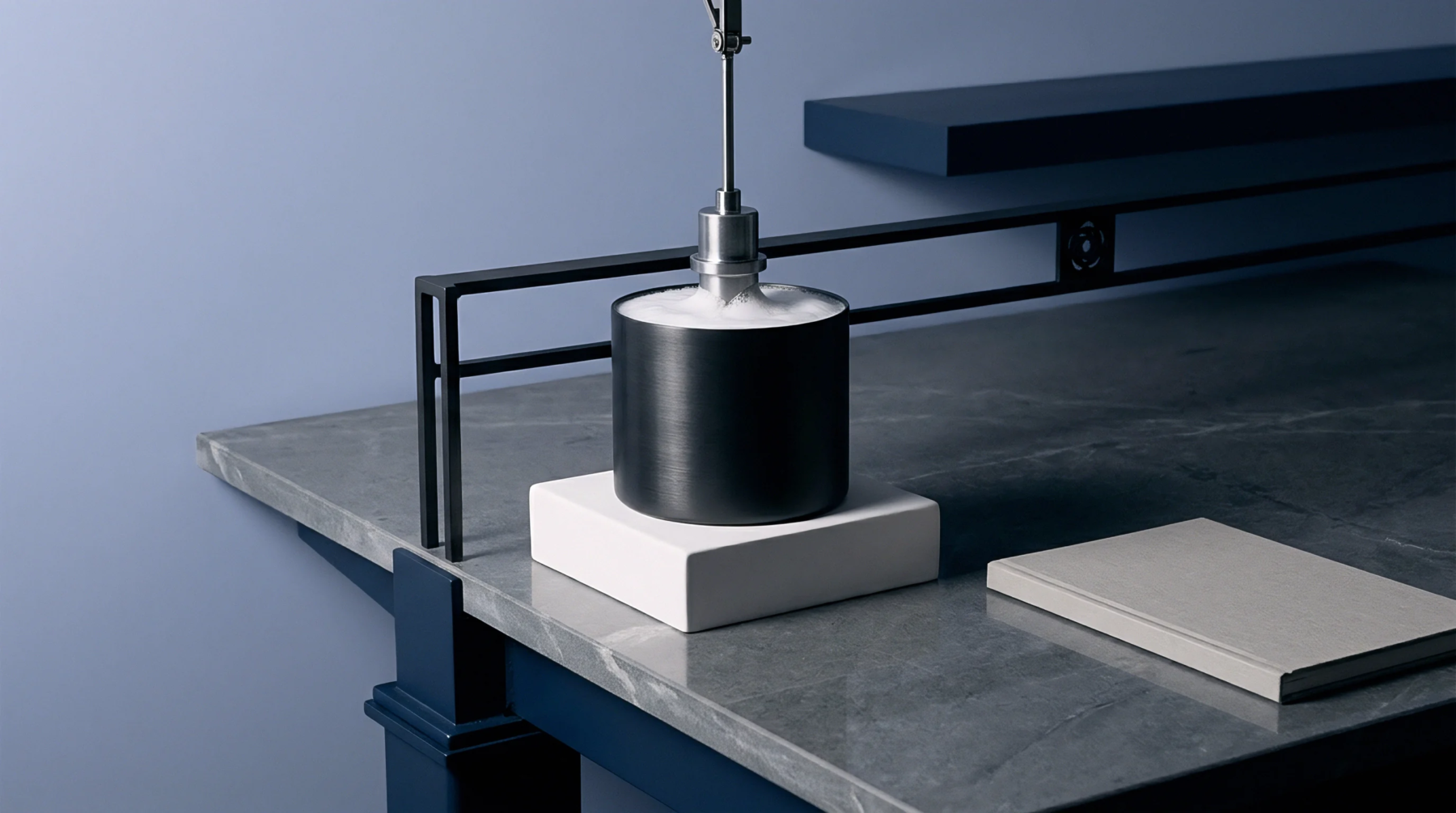
Dew Retted Flax Fiber Chemical Structure and Properties
Dew-retted flax properties depend on pectic middle lamella digestion; optimal pectin levels (2.5-3.5%) maximize hackling yields and wet-spun count capability.
Dew-retted flax properties depend on pectic middle lamella digestion; optimal pectin levels (2.5-3.5%) maximize hackling yields and wet-spun count capability.

Heilongjiang dew-retted line flax grading depends on linear density, retting uniformity, bundle strength, and residual pectin for wet-spinning yarn count capacity.

Correcting matrix amorphous scattering in flax XRD yields true crystallinity indices, preventing misgraded bast fibre purchases and yarn spinning breaks.

Thermal oven drying of retted bast fibers evaporates volatile lipids alongside water, inflating calculated moisture regain and distorting arbitration dry weight.

Controlled enzymatic pectin cleavage in bast middle lamellae dictates line fiber yield, hackling waste, and wet-spun drafting stability in linen production.

Thermogravimetric regain analysis separates true water loss from volatile lipid mass shifts, protecting flax yarn invoices against artificial moisture inflation.
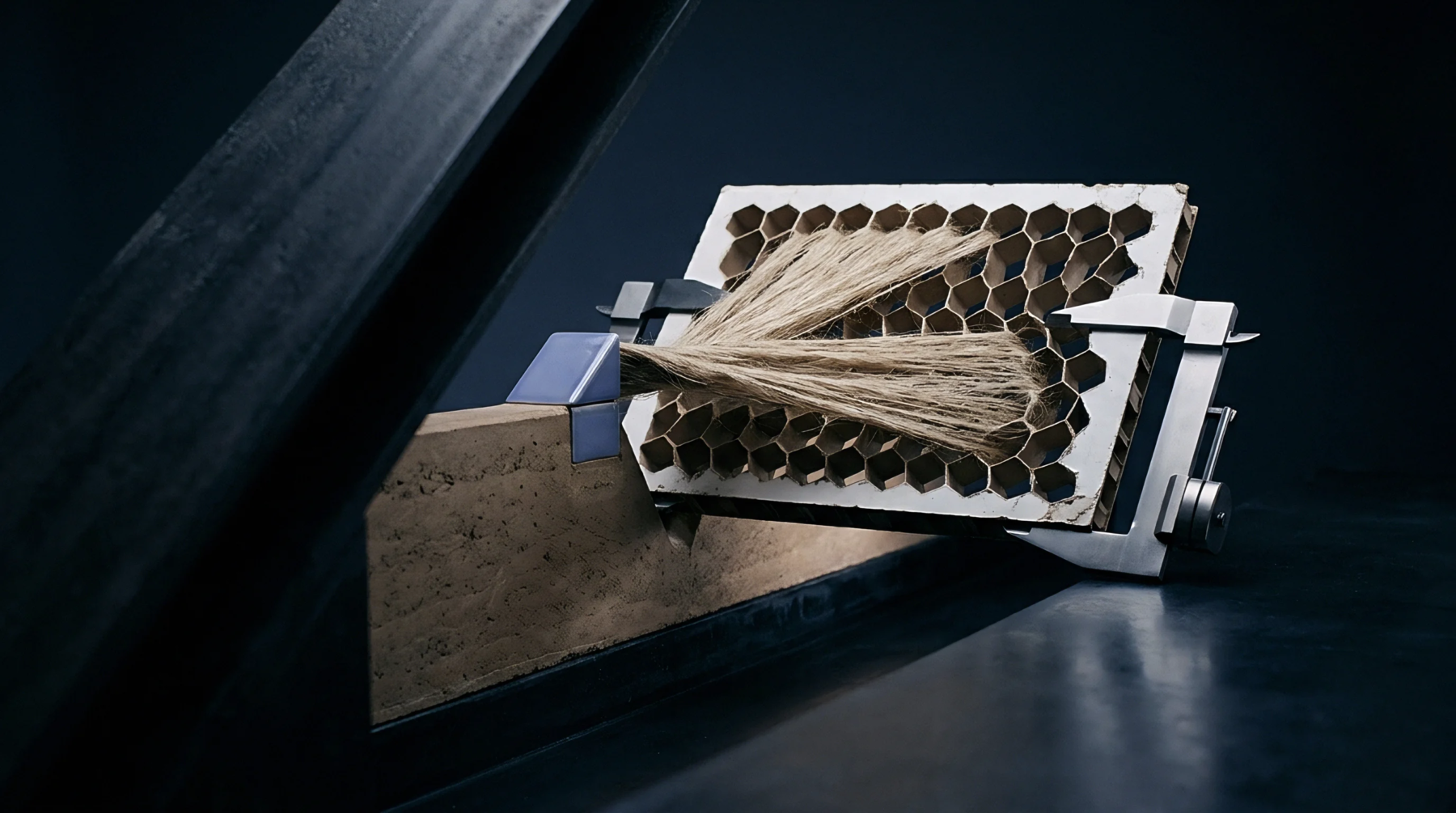
Radial cell wall swelling compresses bed voids non-linearly, requiring sorption-corrected Kozeny-Carman transforms to prevent false coarse grading in line flax.
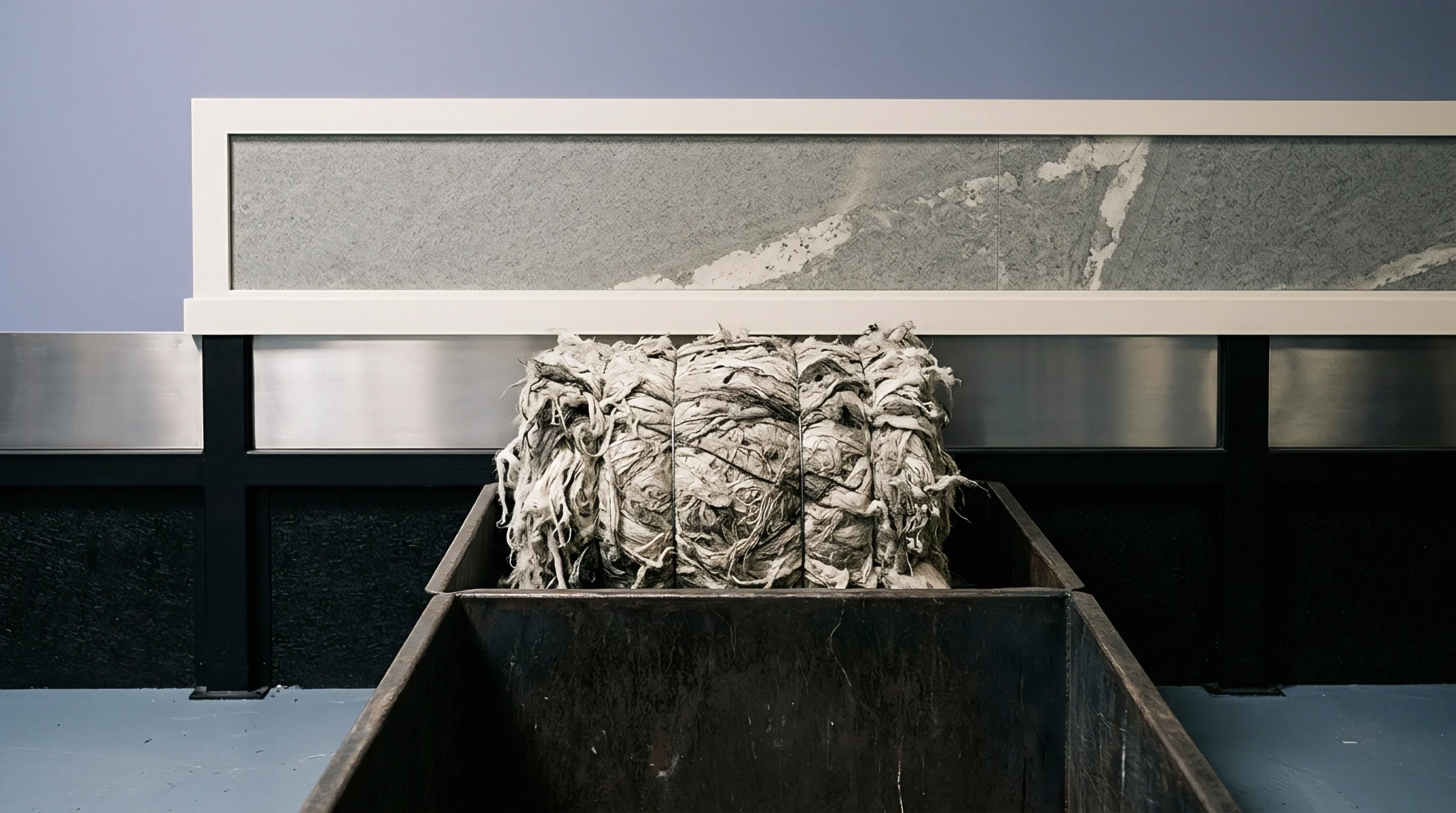
Insoluble pectin variations across flax shipments dictate hackling yield and wet spinning break rates, requiring chemical screening to prevent cost overruns.
Expertise is a utility, not a secret. sentiention™ publishes its working knowledge as open reference: intelligence layer covering the materials it sources, the markets it enters, and the reference that serves both.