Determining Impurity Limits for Raw Bast Fiber Purchasing
Enforce gravimetric non-cellulosic limits below 2.5 percent on raw bast contracts to eliminate spinning yarn breaks and justify automated invoice penalty credits.
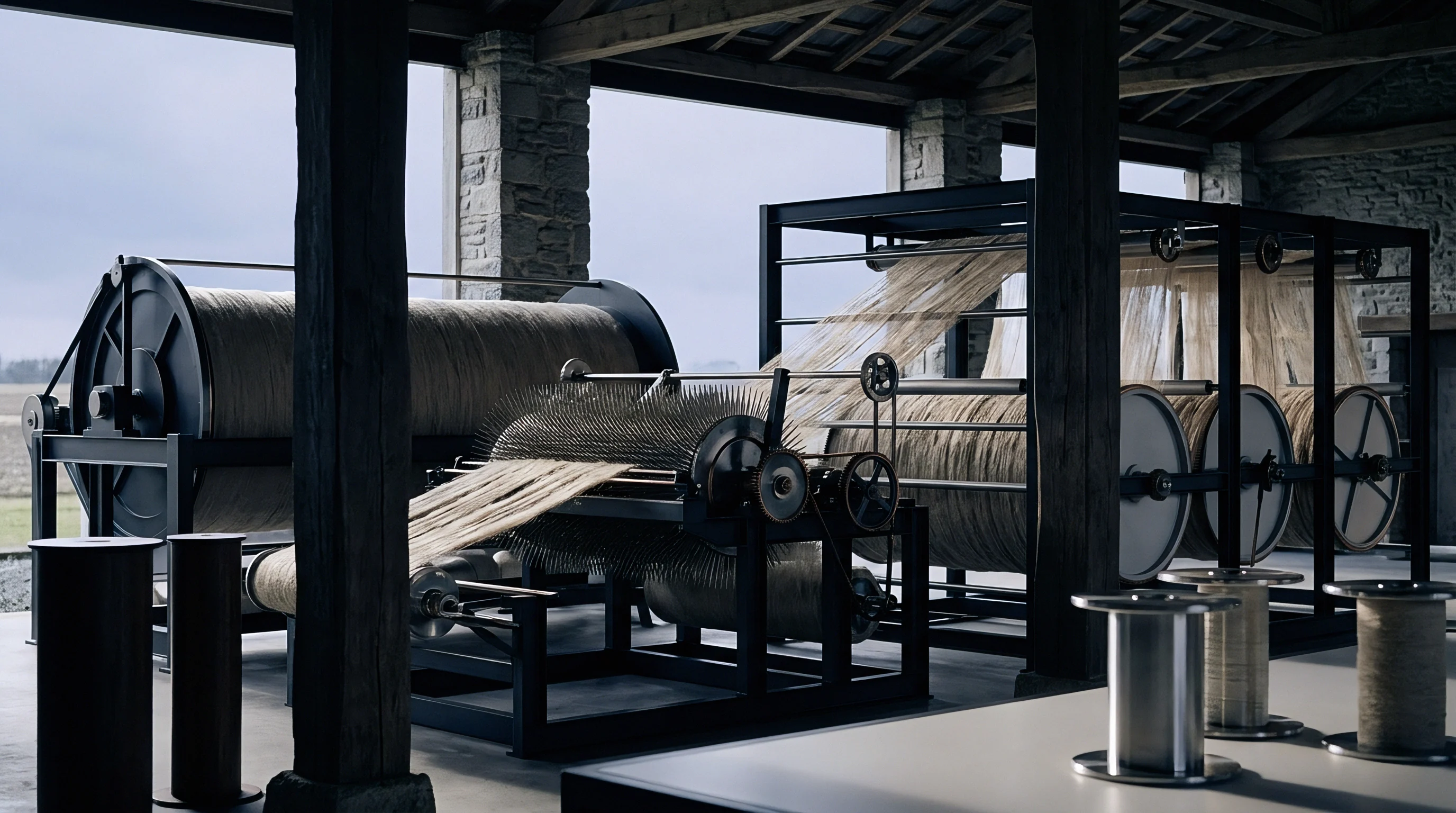
Tolerance
Raw flax and hemp invoices routinely price lots on net dry fibre weight, often ignoring how easily the material can be cleaned mechanically. When processing lines choke on unretted woody fragments, commercial settlements break down quickly. Anyone buying long line flax, scutched tow, or decorticated hemp faces severe yield shifts if incoming contracts leave non-cellulosic limits undefined.
European trade norms once treated cleanliness as a simple visual check done while opening bales. Modern high-speed spinning mills cannot rely on subjective grading, making precise gravimetric tolerances essential to prevent financial disputes between scutching cooperatives and spinners.
Commercial Baselines for Scutched Flax Purchasing
Standard European contracts governed by Confédération Européenne du Lin et du Chanvre documentation set base pricing at twelve percent regain. Even clean scutched long line flax carries residual epidermis, cortical parenchyma cells, and shive particles along with the pure cellulosic fibre, which is why purchasing specifications separate total non-cellulosic matter from insoluble mineral debris.
Industrial wet spinning of fine counts above forty wet metric demands long line fibre with minimal woody inclusions. Coarse shive passing through mechanical hackling beds creates short-fibre fly during secondary processing, while dirt abrades the drafting rollers.
Scutched long line consignments exceeding 3.5 percent non-cellulosic matter trigger an automatic five percent invoice rebate under international dry spinning contracts.
Gravimetric Allowances across Processing Grades
Long line stricks accepted for wet flax preparation operate under a strict two percent foreign matter limit. Carded tow and uncarded scutching tow can tolerate higher residue levels because preparatory cards drop coarse matter out through bottom screens. Contract specs set distinct analytical criteria for each procurement grade.
| Fiber Category | Maximum Foreign Matter Percent | Permitted Shive Ratio | Insoluble Sand Boundary | Contract Default Action |
|---|---|---|---|---|
| Water-Retted Long Line | 1.80 | 0.80 | 0.15 | Immediate replacement |
| Dew-Retted Long Line | 2.50 | 1.40 | 0.25 | Price discount schedule |
| Scutched Flax Tow | 6.00 | 4.20 | 0.60 | Yield debit adjustment |
| Decorticated Raw Hemp | 8.50 | 6.00 | 1.20 | Lot rejection option |
| Cottonized Bast Tow | 1.20 | 0.40 | 0.10 | Batch return to supplier |
Procurement contracts define acceptable ranges alongside explicit moisture-basis adjustments. While dry field dirt shakes loose in early preparation, stubborn woody epidermis stays bound to the fibre, causing thread breaks later on.

Fraction
Non-fibre content in raw bast shipments splits into botanical tissue, field soil, and harvest residue. Each adds to preparatory cleaning costs in its own way, particularly since xylem tissue absorbs no dye.
Scutching efficiency dictates how much core straw remains stuck to harvested fibre bundles. The weather during field dew retting directly governs how thoroughly fungal activity breaks down the pectin glues holding the bast ring to the central woody stem.

Botanical Origin of Bast Non-Fibre Matter
When dew retting is incomplete, lignified xylem core tissue stays firmly glued to the pectin sheath. These shive particles ~ rigid cellulose structures locked inside dense lignin networks ~ cause slubs in the yarn, while chemical scouring baths dissolve surrounding hemicelluloses but leave the hard woody splinters virtually untouched.
Bark fragments resist chemical bleaching, and residual epidermal tissue carries natural wax and cutin layers that push away water-based dyes, leading to uneven streaks across finished linen fabric.
- Epidermal Cuticle Flakes cause surface streaks on finished yarns because of hydrophobic wax coatings.
- Lignified Shive Splinters snap drafting ribbons during mechanical pin drawing.
- Cortical Parenchyma Remnants leave dust deposits inside open-end rotor grooves.
- Weed Stems and Seeds clog flyer mechanisms during roving production.

Mineral Grits and Sand Penetration Risks
Silica grit picked up during mechanical pulling lodges deep between stem bundles, while heavy rains splash soil up into lower root sections during dew retting, introducing sand that quickly destroys carding wire.
Abrasive minerals speed up wear on gill pins, rotary cards, and drawing rolls. Hard quartz crystals score polished steel drafting cylinders inside wet spinning troughs, forcing expensive regrinding, so processing mills deduct cleaning overhead directly from supplier invoices whenever ash testing reveals severe soil contamination.
Opinion remains divided on whether chemical retting enzymes can effectively clear shive encrustations without degrading the underlying cellulose bundles.
Comb
Mechanical preparation strips away unwanted cortical material through successive pin drafting stages. Clean fibre slivers are produced only after hackling machines separate tangled tow from parallel long line bundles, as raw contamination will quickly bring modern ring frames to a halt.
Yield loss directly reflects foreign matter levels. When hackling pins strike heavily encrusted stricks, the impact snaps brittle bast bundles instead of splitting the fibres, converting valuable long line raw material into low-value hackling tow.
Hackling Waste and Sliver Drafting Interruptions
High shive counts quickly choke the gill bed, where accumulated woody flakes displace the fibre stream and create uneven sliver weights, especially when residual pectin cements bundle groupings together.
Line operators have to stop the line to clear fouled pin bars, and every stoppage introduces tension variations that show up later as yarn count irregularities. Spinners track hackling yield loss against incoming bale test certificates to calculate their actual net fibre costs.
Fine yarn counts demand thoroughly retted fiber bundles free of cortical bark to prevent catastrophic sliver breaks at the gill head.
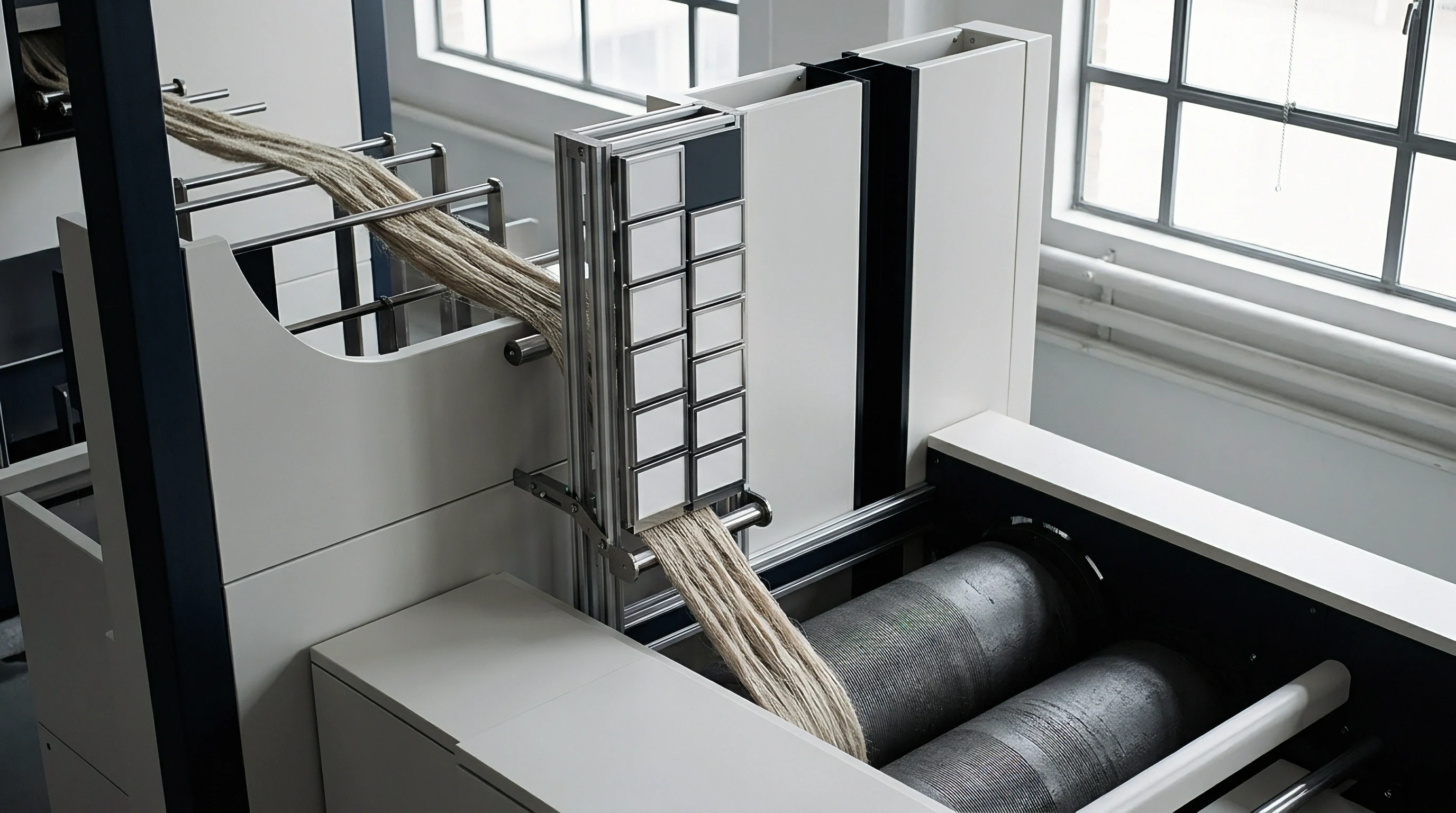
Which Contaminant Fractions Dictate Wet Spinning Rejection?
Coarse woody core fragments get caught right in the drawing nip rollers. As roving enters the hot water trough at sixty degrees Celsius, remaining pectins soften while woody shives stay rigid, causing the drafting rollers to crush the fibre bundle around the shive and leave thin spots in the yarn.
Roving breakage spikes once shive length exceeds three millimeters. Automatic ring frames shut down immediately when a thread snaps, pulling down overall shed efficiency.
| Raw Shive Mass Fraction | Gill Bed Stops per Shift | Hackling Long Line Yield | Roving End Breaks per Spindle Hour | Overall Spinning Efficiency |
|---|---|---|---|---|
| 1.2 Percent | 1.4 | 54.2 Percent | 0.08 | 93.5 Percent |
| 2.0 Percent | 2.8 | 51.0 Percent | 0.14 | 90.2 Percent |
| 2.8 Percent | 5.2 | 46.5 Percent | 0.29 | 84.1 Percent |
| 3.5 Percent | 8.6 | 42.0 Percent | 0.52 | 76.8 Percent |
| 4.5 Percent | 14.0 | 35.5 Percent | 0.94 | 67.0 Percent |
Excessive core debris in the roving pack causes catastrophic yarn breakage rates that can wipe out a spinner’s operating margin.

Assay
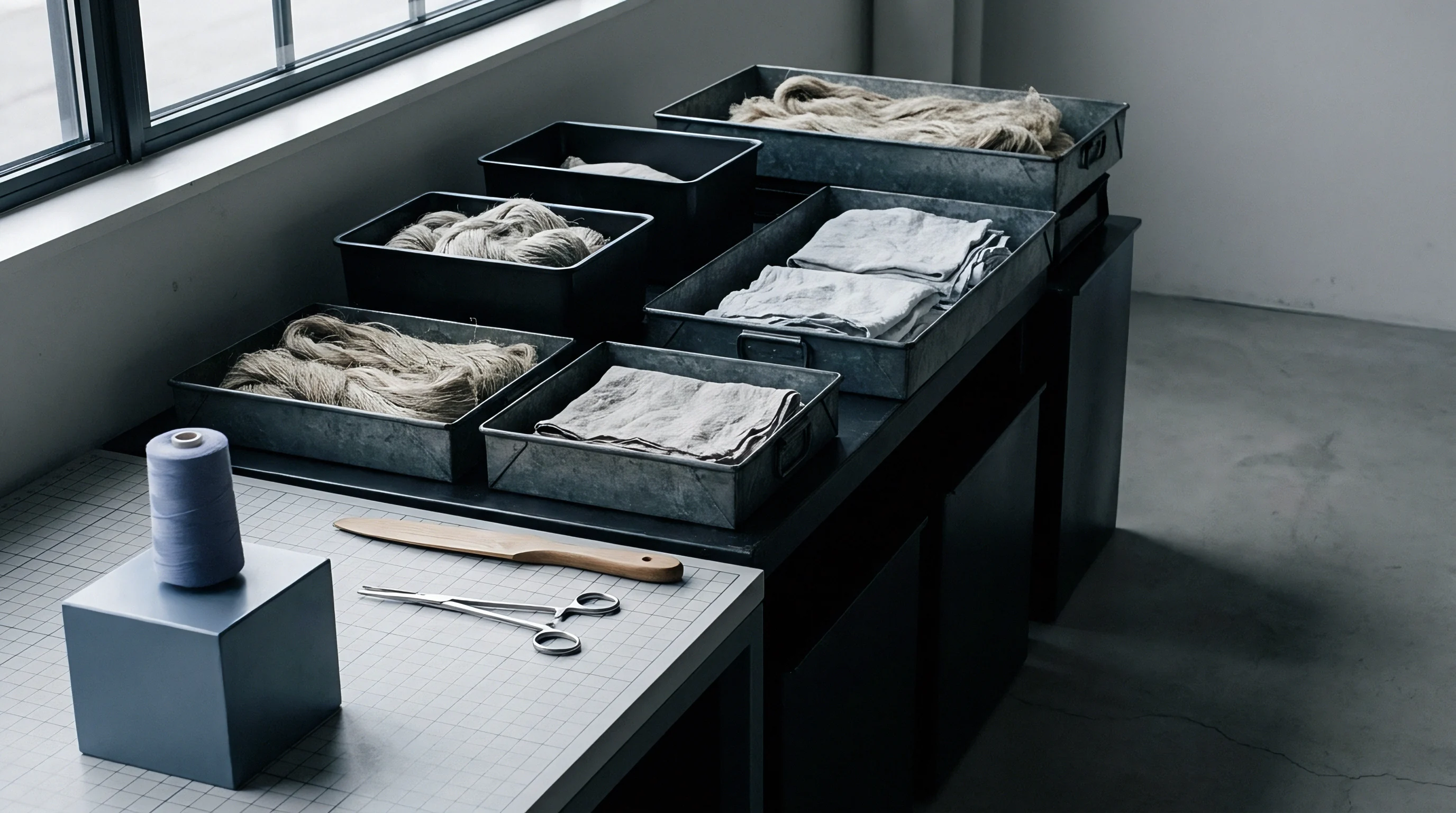
Laboratory verification of foreign matter relies on standardized solvent extraction, mechanical separation, and dry gravimetry. Visual grading sheets provide little defense during contract arbitration, whereas dry gravimetry offers definitive proof to settle commercial disputes.
Accurate sampling follows ISO 2370 guidelines to prevent moisture stratification inside tightly compressed raw fibre bales. Technicians draw core samples from interior layers, staying clear of weathered outer surfaces.
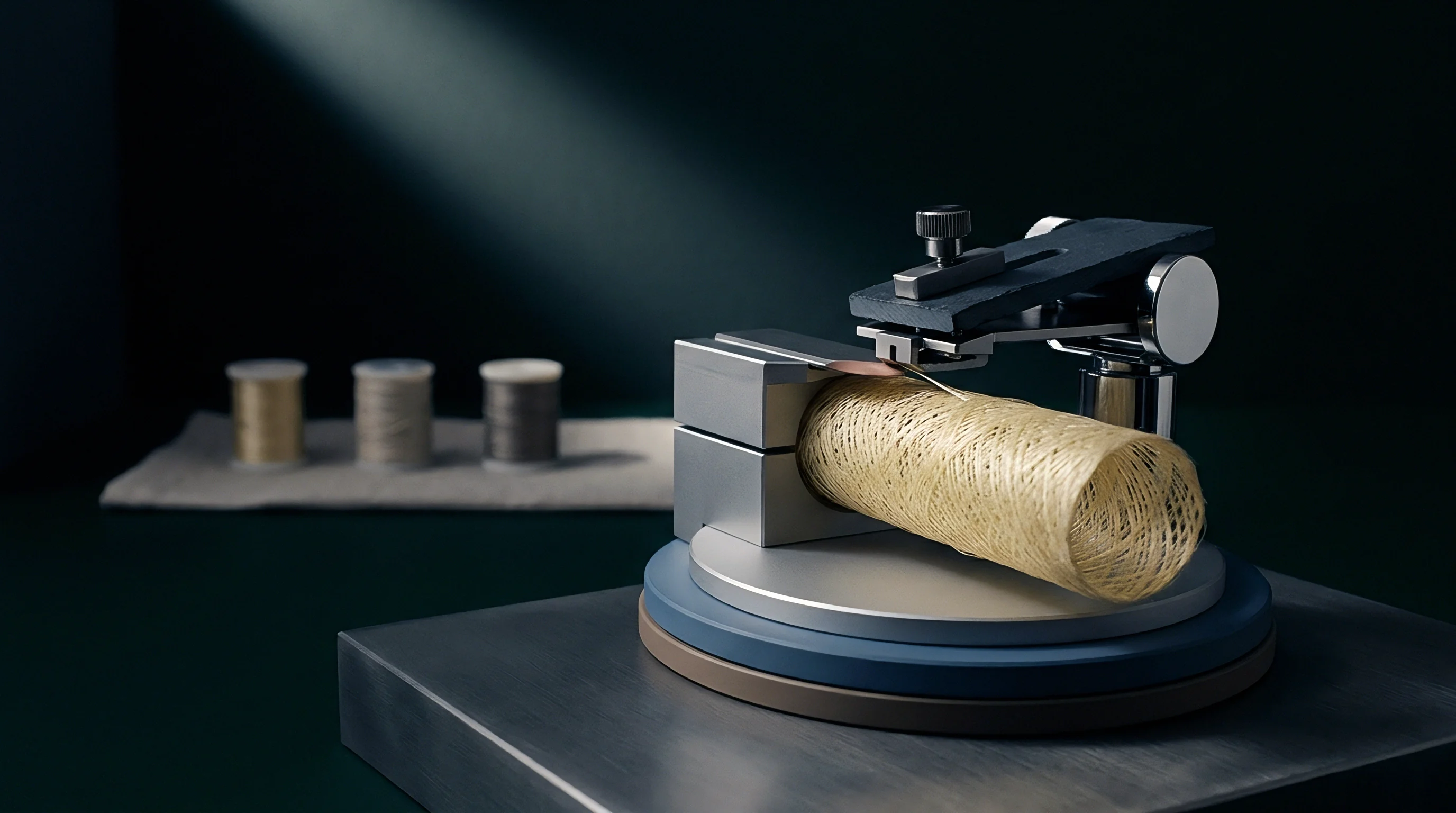
Standardized Gravimetric Extraction Methods
Testing laboratories combine petroleum ether scouring with boiling chemical washes to isolate pure cellulose. Standard ASTM D5103 procedures isolate insoluble botanical debris using mechanical carding and air filtration, while ash tests measure total mineral grit.
- Weigh five hundred grams of bast fiber conditioned at twenty degrees Celsius and sixty-five percent relative humidity.
- Extract soluble waxes, fats, and resins inside a Soxhlet apparatus using dichloromethane for four hours.
- Boil the degreased fiber specimen in a two percent sodium hydroxide solution for thirty minutes to dissolve hemicellulosic matrices.
- Rinse the remaining cellulose over a seventy-five micrometer stainless wire mesh screen under continuous warm water pressure.
- Dry the collected non-cellulosic shive residue at one hundred five degrees Celsius to constant weight inside a desiccation chamber.
Application of ISO 2370 gravimetric analysis invalidates supplier lot certificates when non-extractable ash exceeds point eight percent.

Moisture Regain Distortions in Clean Weight Verification
Because hygroscopic balance alters raw bast mass daily, commercial buyers specify oven-dry mass plus official moisture regain when calculating delivered trash fractions.
Raw flax can hold up to sixteen percent moisture during humid ocean transit without feeling damp to the touch. A three percent shive reading on humid material translates to a significantly higher impurity ratio when calculated against commercial dry weight, so lab reports must specify whether values reflect as-received fibre mass or standardized bone-dry regain.
Summer thunderstorms often elevate bale humidity during handling, causing core tissues to absorb moisture and swell on the scale.

Penalty
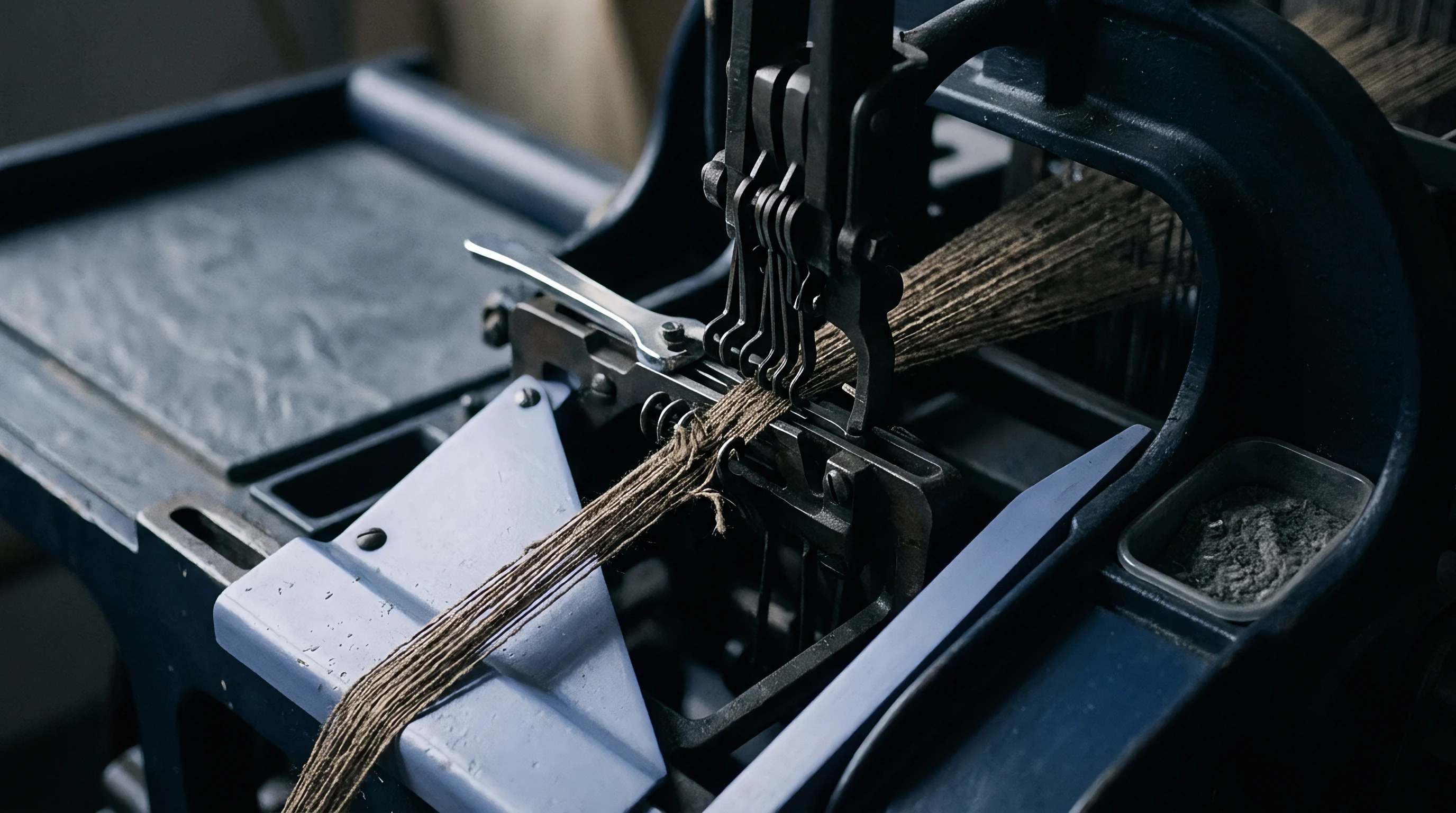
Settlement schedules convert excess non-cellulosic mass directly into commercial invoice deductions. Raw bast purchase orders treat declared cleanliness as a firm performance warranty rather than an aspirational target, using rejection thresholds to protect working capital.
Commercial agreements pair price discounts with processing waste surcharges. Spinning mills apply these deductions against invoices whenever testing shows foreign matter exceeding baseline contract terms.
Deduction Scales for Excess Shive Content
Purchasers enforce a graduated price discount once foreign matter exceeds the contract baseline by half a percent. Modest deviations trigger direct weight deductions because buyers refuse to pay raw fibre rates for woody waste, particularly as coarse fibres require higher twist.
Consider a 40-tonne consignment of dew-retted scutched flax priced at 4.20 euros per kilogram CIF Qingdao. The contract sets a maximum allowable foreign matter limit of 2.20 percent. Receiving inspection at the Jiangsu spinning mill yields a certified laboratory assay showing 3.40 percent total impurities, an excess of 1.20 percentage points.
Under standard CEA trade terms, penalties apply a two-to-one deduction ratio for foreign matter overages between one and two percent. The mill deducts 2.40 percent from gross invoice value for an immediate credit of 4,032 euros, while secondary processing surcharges add 0.05 euros per kilogram to cover hackling tow waste, generating an additional 2,000 euro processing debit.
| Measured Impurity Level | Direct Invoice Deduction | Processing Surcharge per Kilo | Buyer Contract Option | Arbitration Window |
|---|---|---|---|---|
| Up to 2.20 Percent | Zero percent | Zero euros | Mandatory acceptance | None |
| 2.21 to 2.70 Percent | 1.00 Percent | 0.02 Euros | Accept with credit note | 14 days from delivery |
| 2.71 to 3.20 Percent | 2.00 Percent | 0.04 Euros | Accept with credit note | 14 days from delivery |
| 3.21 to 4.00 Percent | 4.00 Percent | 0.08 Euros | Accept or negotiate return | 21 days from delivery |
| Above 4.00 Percent | Full debit calculation | Actual mill loss tally | Absolute right of rejection | 30 days from delivery |
Arbitration clauses establish independent sampling protocols at the discharge port to resolve disputes before raw material ever reaches preparation lines.
- Certified Moisture Adjustment calculates correct bone-dry mass before contractual deduction scales are applied.
- Independent Referee Sampling draws blind specimens for accredited third-party lab verification.
- Secondary Waste Indemnification covers hackling tow downgrades caused by excessive shive inclusions.
- Immediate Default Triggers authorize total cargo rejection whenever total impurities exceed five percent.
Clause 14 of the international bast purchase agreement assigns all secondary testing fees and port demurrage costs to the seller whenever certified laboratory impurities exceed four percent.

Covenant
Enforceable contracts tie physical cleanliness standards directly to chain-of-custody documentation. Provenance claims break down if foreign matter assays reveal improper retting, blended low-grade stocks, or uncertified origins during bale tag audits.
Western European flax grown in France, Belgium, and the Netherlands carries European Flax certification administered by the Alliance du Lin et du Chanvre Européen, guaranteeing traceability across all production tiers. Physical purity remains essential to prove that incoming fibre matches the declared agricultural lot.
Transaction certificates prove provenance on paper while physical bale assays prove processing reality.
Cross-Border Chain of Custody Documentation
European Flax certification guarantees seed variety and origin through every mill transaction. Each shipment carries a certificate listing the farm lot, scutching plant registration, and net fibre mass, which spinners audit against shipping manifests and customs filings under HS heading 5301.
Mills risk losing their European Flax certification if non-certified bast fibre enters the spinning stream to dilute expensive European long line stocks. Foreign matter assays serve as forensic proof against origin fraud, since high concentrations of unretted coarse bast fibres from uncertified regions expose blending infractions during unannounced site audits.

Reconciling Scutcher Delivery Records at Chinese Mills
Auditors check incoming weighbridge dockets against processed spinning lot allocations. At Chinese spinning facilities in Jiangsu or Zhejiang, imported European long line bales enter humidity-controlled storage before hackling, while scutcher delivery notes record initial gross weight, tare weight, and certified impurity grades set at European loading docks.
Discrepancies between European departure certificates and Chinese arrival assays trigger customs classification disputes under non-preferential rules of origin. Chinese customs officials scrutinize consignments displaying abnormal sand or shive ratios, levying penalty tariffs if undeclared low-value tow blends masquerade as pure long line fibre. Explicit technical specifications protect capital commitments by aligning physical bale cleanliness with customs documentation.