Fibre Grading
Physical classification of ultimate fibres determines baseline quality before mechanical drafting begins in Chinese flax mills. Ultimate fibres represent the individual bast cells separated during chemical or biological retting, measuring between twenty and fifty millimeters in length with tapered ends and thick secondary cell walls. Mill technicians sort these discrete entities by length distribution, fineness and residual pectin content using microscopic analysis alongside tactile evaluation.
The resulting bale classification establishes processing parameters for subsequent drawing frames, separating raw material intended for fine handkerchief yarns from stock designated for heavier canvas production. Buyer acceptance criteria frequently diverge from internal mill specifications, imposing stricter limits on wax content and bundle cohesion to protect high speed combing equipment from excessive breakage. Export documentation records this baseline categorization on official inspection certificates, linking each lot directly to regional retting basins without referencing specific commercial entities.
Spinning Tension
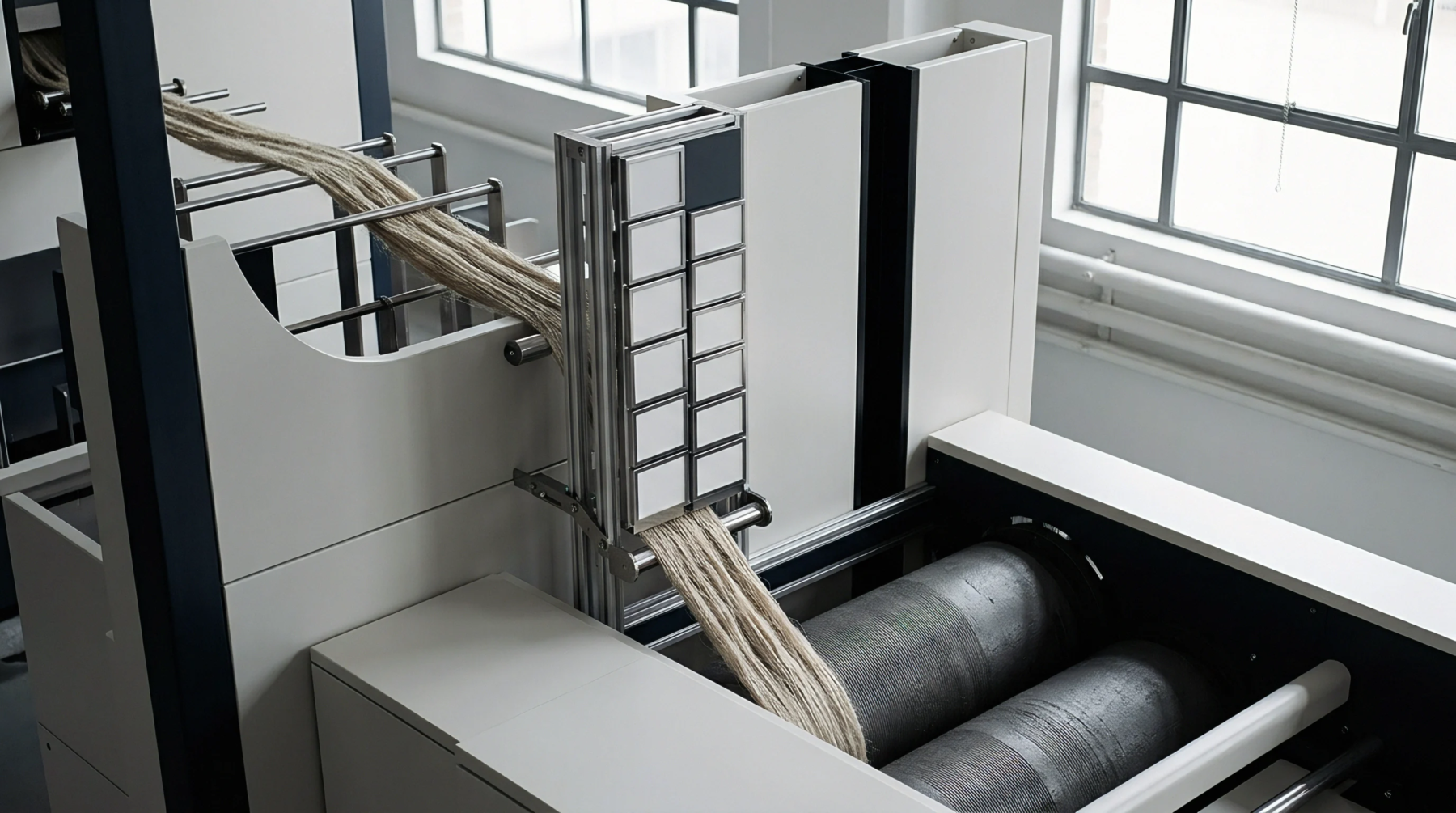
Draft mechanics govern the transformation of graded ultimate fibres into continuous rovings through regulated roller velocity differentials. Spindle speeds must adapt continuously to fluctuations in moisture regain because dry air reduces elongation capacity and triggers frequent filament rupture. Operators adjust weighting arms on pneumatic drafting systems to maintain parallel alignment during the passage through wet spinning troughs.
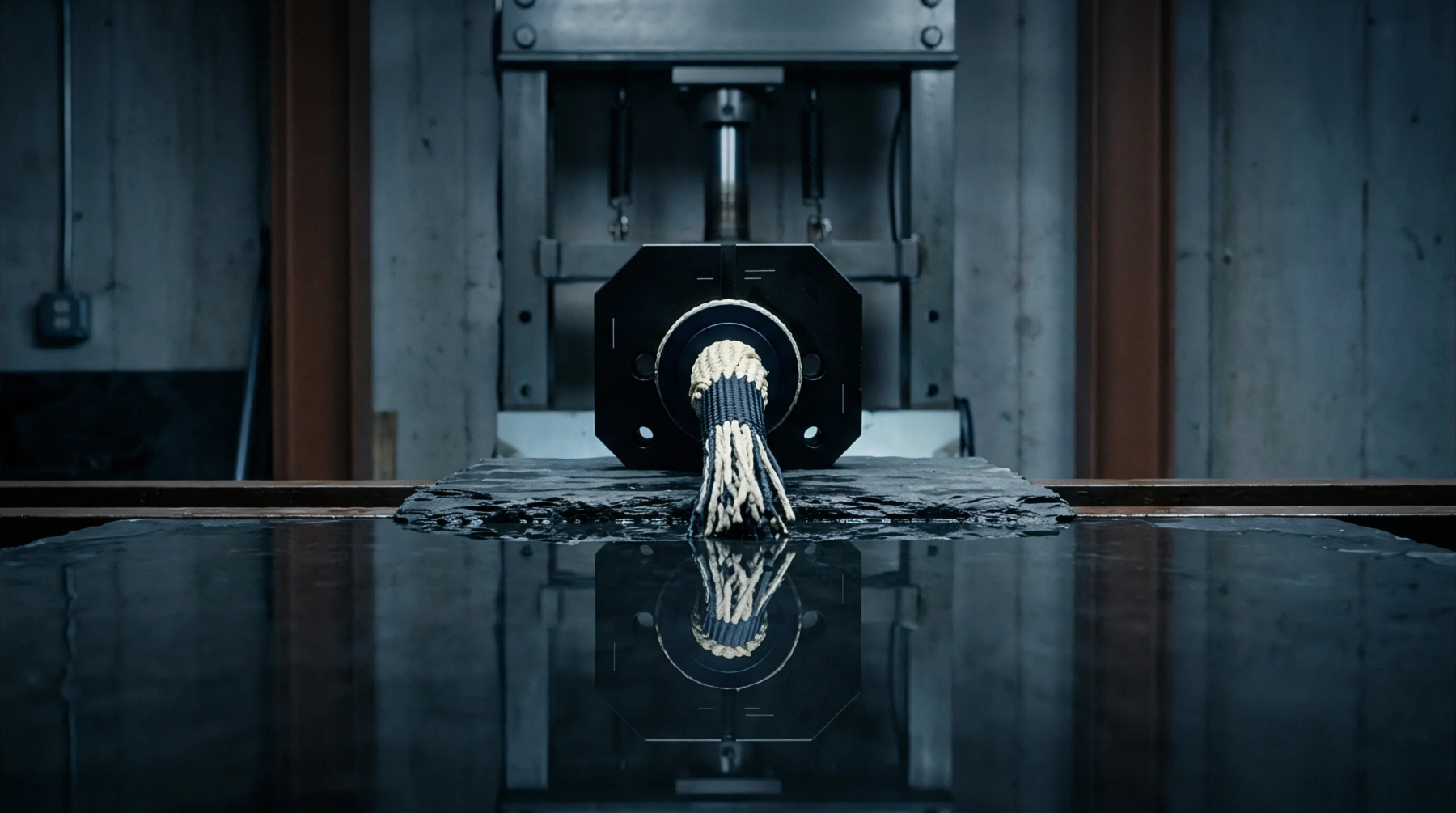
Maximum drafting force depends on cell wall thickness and cellulose crystallinity, dictating the ultimate limit for yarn attenuation before twist insertion occurs. Quality control laboratories measure breaking tenacity on randomized bobbin samples to verify that drafting tension remained within acceptable operational boundaries throughout the shift.
Finishing Protocols
Fabric examination protocols evaluate woven linen goods against strict commercial tolerances rather than raw material standards. Inspectors check greige cloth under standardized northern daylight simulation boxes, recording structural faults such as slubs, reed marks and broken picks onto the production log. Chemical treatments modify surface characteristics through controlled enzymatic scouring followed by sodium chlorite bleaching, preparing the textile for dye uptake without degrading the underlying cellulose backbone.
Finished density measurements confirm dimensional stability after laundering, verifying that residual shrinkage complies with contractual buyer mandates. Final packaging secures moisture barrier protection around bolted rolls before dispatch to international transport networks.