Linen Fibre Classification under Harmonized System Chapter 53 Rules
HS Chapter 53 linen classification requires strict lab verification of fibre state, 85 percent blend mass thresholds, and audited mill transaction records.

Nomenclature
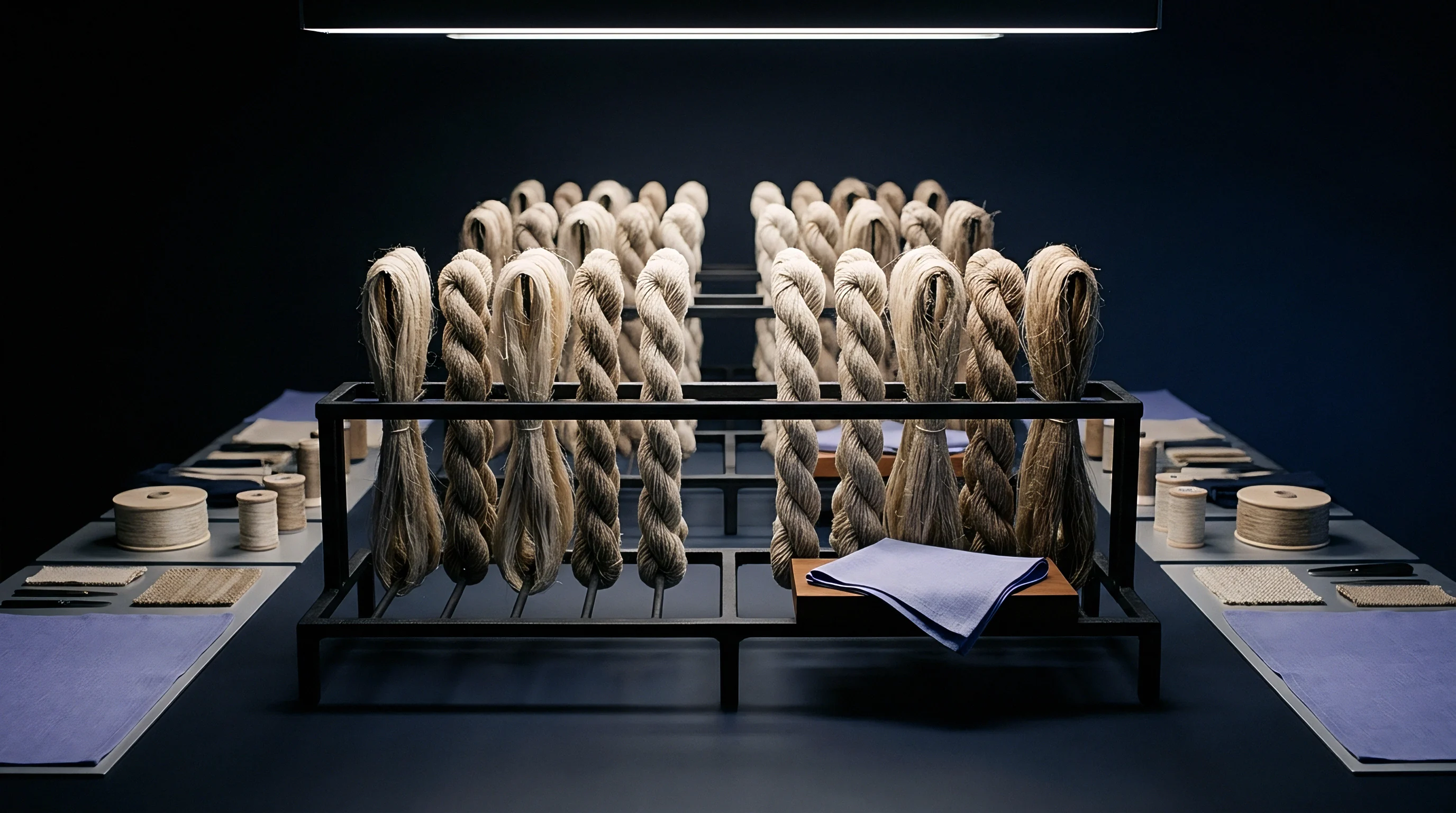
Harmonized System Chapter 53 governs the customs classification of flax, hemp, ramie, and other vegetable textile fibres, alongside their respective yarns and woven fabrics. Section XI of the Tariff Schedule establishes the overarching legal framework through Notes 1 through 6, governing composition thresholds, processing boundaries, and blend ratios across headings 5301 through 5311. Border authorities apply General Rules for the Interpretation of the Harmonized System, known as GRI 1 through GRI 6, sequentially to establish the precise subheadings for raw stock, intermediate processed fibre, spun singles, multi-ply yarns, and finished grey or bleached piece goods.

General Rules of Interpretation for Flax
Legal terms inside heading 5301 mandate that raw flax, retted flax, broken flax, scutched flax, hackled flax, and flax tow enter distinct six-digit subheadings based entirely on physical state. Customs officers utilize GRI 1 by applying the terms of headings and relative Section or Chapter Notes. When raw bast fibre contains bast shives, unretted outer bark, or pectinous binders, tariff subheadings separate raw material under 5301.10 from mechanically processed long line flax under 5301.21 or 5301.29.
Chemical retting, dew retting, and water retting alter the intercellular pectin network, allowing mechanical scutching blades to release intact fiber bundles. Customs declarations specifying line flax under 5301.29 require lab verification that mechanical combing or hackling removed tow fragments, shives, and short fibres below 50 millimetres in staple length.
Subheading 5301.30 handles flax tow and vegetable fibre waste resulting from scutching or hackling operations. Declarations claiming processed long line fibre under 5301.29 face immediate reclassification to 5301.30 if visual and gravimetric test methods reveal a shive content exceeding 2.5 percent by dry weight or an average fiber length under 35 millimetres. The distinction carries direct financial implications across differential duty rates and non-tariff trade barriers enforced by national customs administrations.

Section XI Note 2 Blend Provisions
Textile products containing two or more textile materials fall under the strict hierarchy of Note 2 to Section XI. A product classified in Chapter 53 that contains a blend of flax and cotton, synthetic staple, or silk gets categorized as if consisting wholly of that one textile material which predominates by weight over any other single textile material. Where no single fibre material accounts for 85 percent or more of the total dry weight, GRI 3(c) directs classification to the heading which occurs last in numerical order among those which equally merit consideration.
The presence of 51 percent long line flax by dry mass places a blended yarn under Heading 5306 rather than the corresponding synthetic heading.
Importers declaring mixed bast fiber shipments face stringent lab audits testing moisture regain, quantitative solvent extraction, and microscopic longitudinal cross-sections. ISO 1833 chemical quantitative analysis standards determine dry mass percentages after removing non-fibrous matter, waxes, and added lubricants. When a fabric bundle contains 48 percent flax, 30 percent cotton, and 22 percent polyester, the flax portion predominates over each alternative material individually.
Consequently, Note 2(A) classifies the consignment under Chapter 53 rather than Chapter 52 or Chapter 55. Miscalculating moisture regain allowances specified in ISO 6741 alters the calculated dry mass ratio, triggering customs disputes over misdeclared heading categories.
| HS Code | Processing State | Mandatory Physical Criteria | Maximum Shive Allowance | Primary Test Standard |
|---|---|---|---|---|
| 5301.10 | Raw or Retted Flax | Unscutched straw, green or dew-retted bast bundles | No limit | ISO 2370 |
| 5301.21 | Broken or Scutched Flax | Scutched long fibre, coarse parallel alignment | 5.0% dry weight | ASTM D1444 |
| 5301.29 | Hackled or Combed Flax | Combed long line, parallel hackled ribbons | 1.0% dry weight | ISO 6989 |
| 5301.30 | Flax Tow and Waste | Short random fibres, scutching tow, combing waste | 15.0% dry weight | ISO 10306 |
| 5306.10 | Single Flax Yarn | Spun single yarn, unplied twist | Not applicable | ISO 2060 |
| 5306.20 | Multiple or Cabled Yarn | Two or more single yarns folded or cabled | Not applicable | ISO 2061 |
Customs valuation and classification methodologies remain subject to administrative disputes when enzymatic retting processes alter residual lignin percentages without mechanical combing. Border authorities maintain ongoing investigations into whether ultra-fine enzymatically degummed flax fibres lacking traditional scutched morphology retain eligibility under heading 5301 or shift into synthetic-blend classifications under chemical modification rulings.

Bale
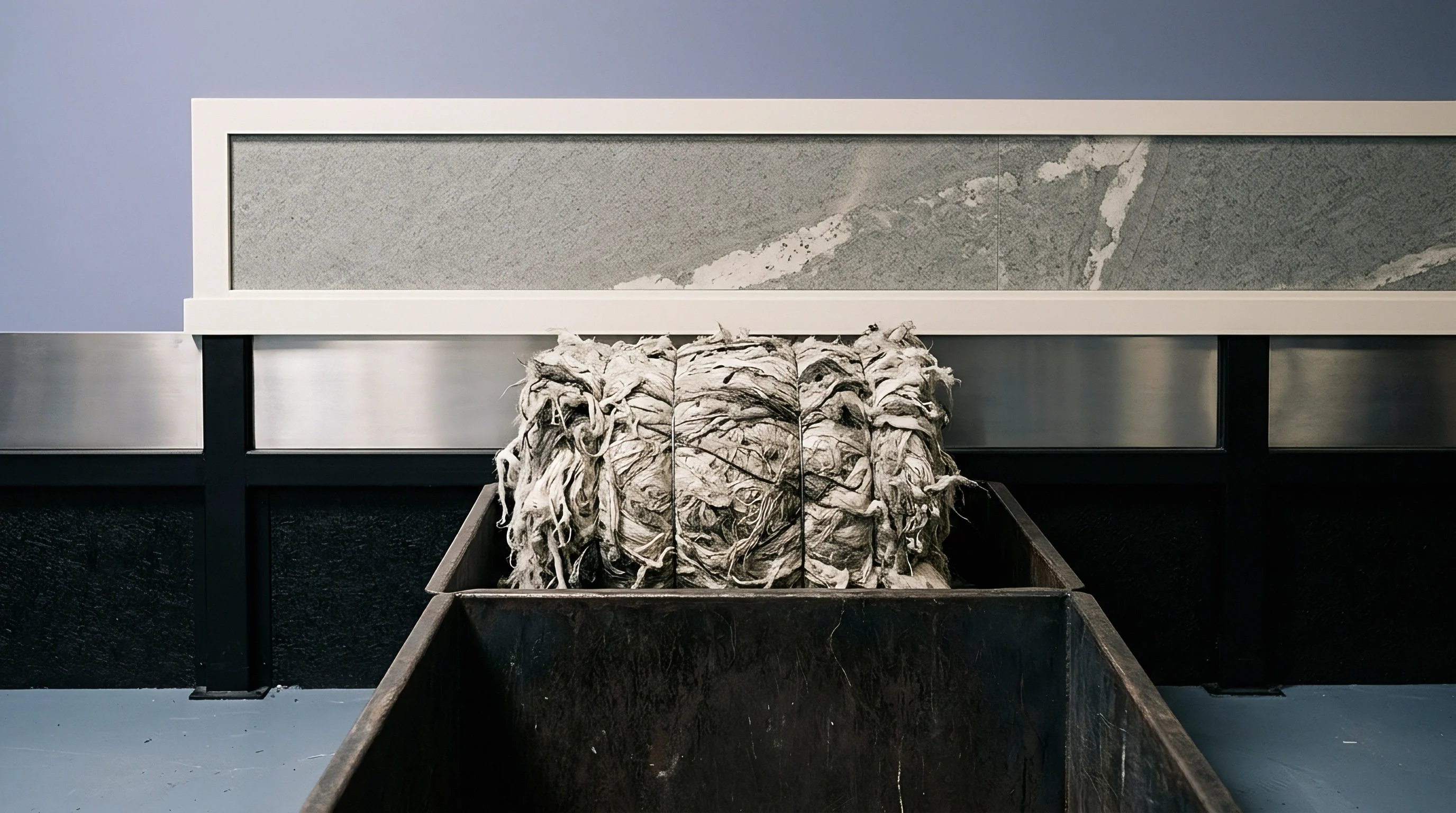
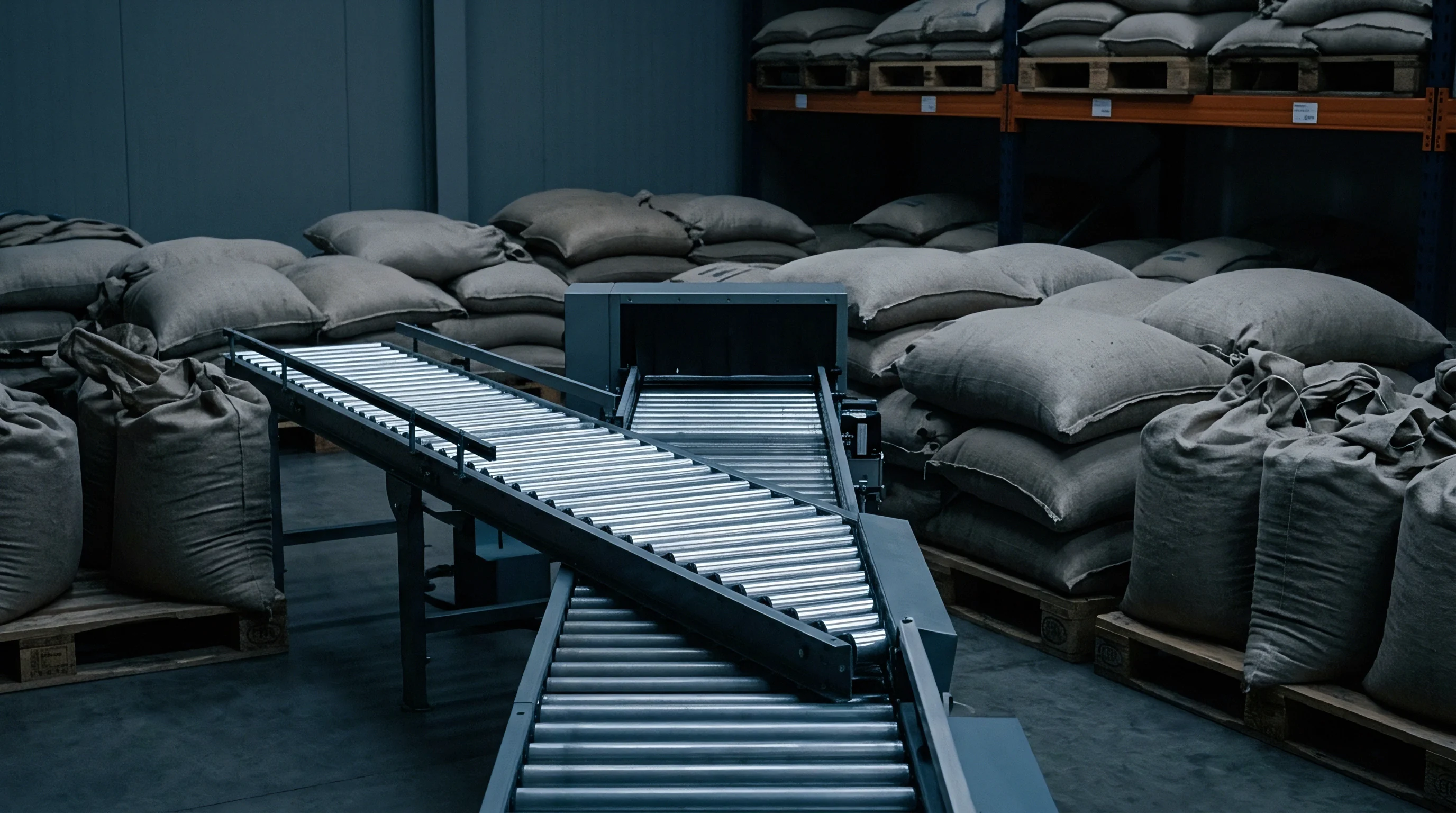
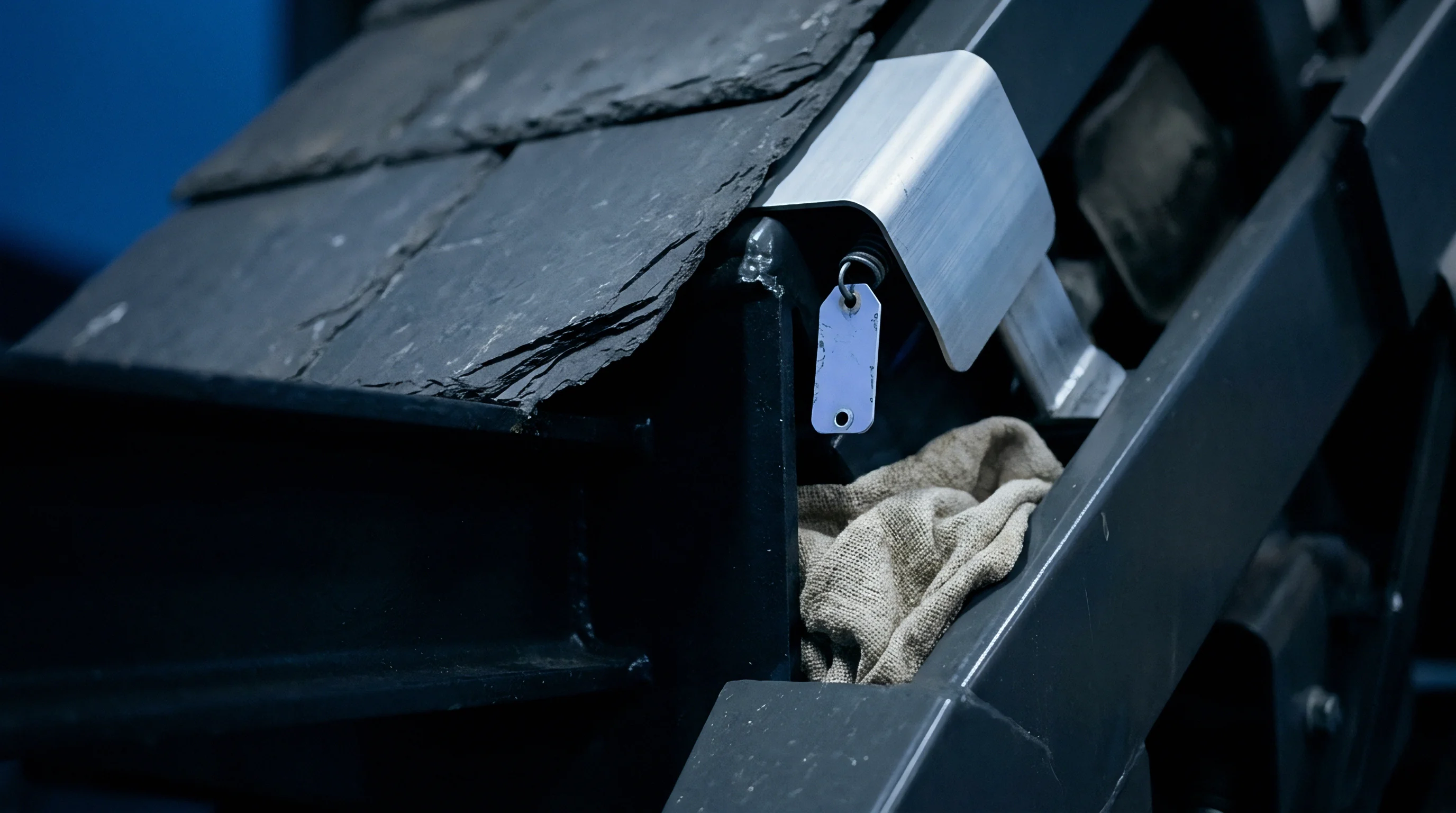
Physical presentation of raw flax at entry ports determines tariff eligibility before chemical or quantitative lab procedures begin. Unprocessed flax stalks enter customs control bound in compacted bales, carrying scutching mill identifiers, bale tags, and weight receipts. High-density hydraulic presses compress scutched long line flax or tow into square bales weighing between 180 and 220 kilograms, bound by steel wire or plastic strapping.
Scutched fibres display parallel alignment along the longitudinal axis, forming cohesive stricks held together by residual plant resins.
Processing Stages under Heading 5301
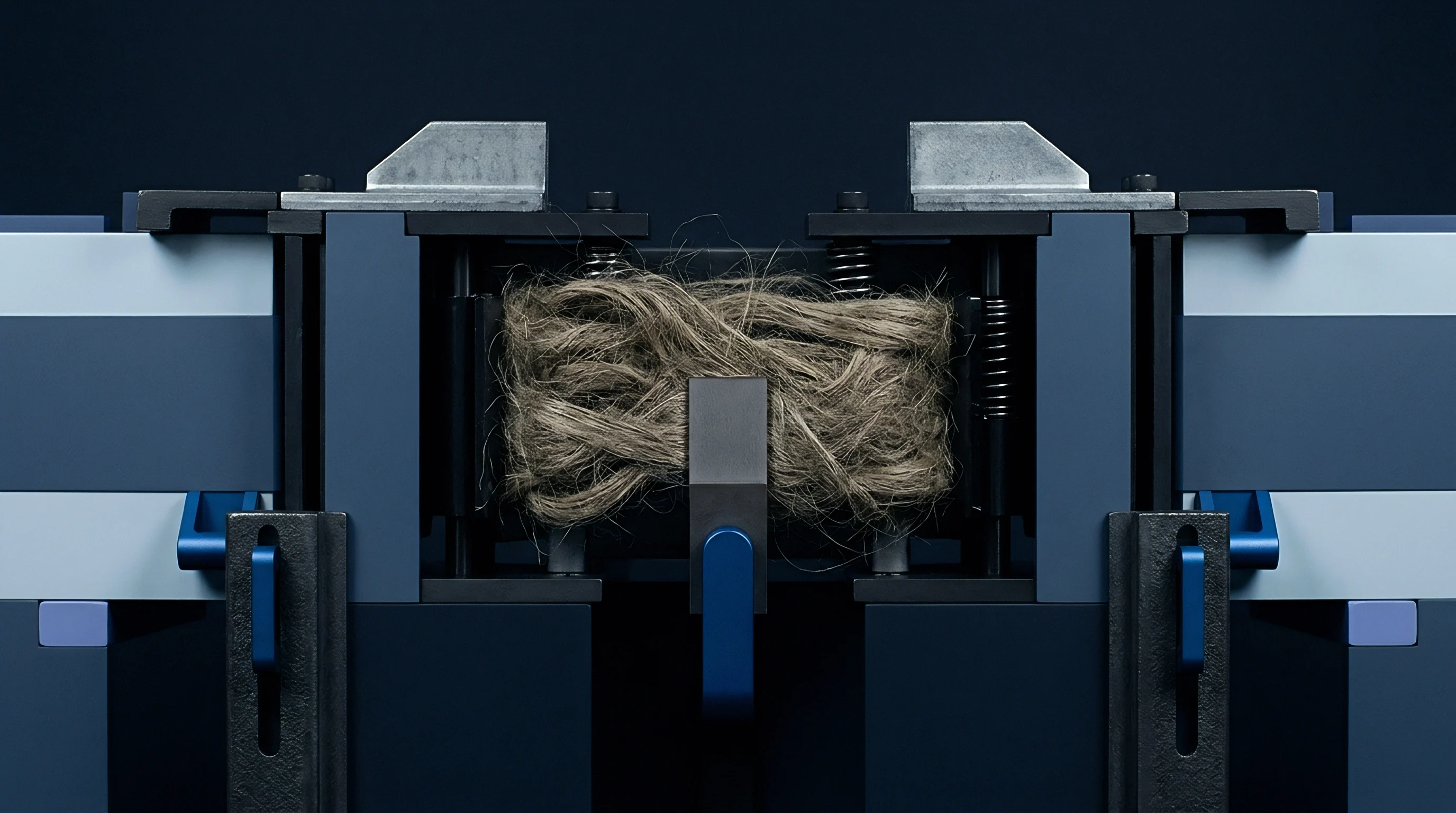
Retted flax straw undergoes mechanical breaking through grooved rollers, crushing the woody inner stem into small fragments called shives. Turbine scutching wheels beat the crushed straw, stripping away shives and separating short, broken tow from long line fibre bundles. Scutched long line flax falls under subheading 5301.21, whereas short non-aligned fibres trapped in scutching waste drop beneath the machinery to form scutching tow under 5301.30.
Hackling mills process scutched long line flax through series of increasingly fine metal pin beds. The pins comb out remaining shives, untangle crossed filaments, and split coarse bast bundles into finer ultimate fibers. Combed or hackled line flax meets the technical baseline of subheading 5301.29.
Tow generated during hackling commands a higher market value than scutching tow due to lower shive content and superior average fiber length, yet customs rules classify both variants under subheading 5301.30.

Technical Differentiation of Tow and Waste
Mechanical cottonization strips natural pectin and lignin from flax bast fibres, shortening the average fiber length to 25 through 35 millimetres. Cottonized flax can be blended directly with upland cotton on conventional short-staple ring spinning systems. Tariff rules mandate that cottonized flax remains within heading 5301, split between subheadings 5301.29 and 5301.30 based on fiber alignment and mechanical processing degrees.
A baled consignment containing scutched flax tow with a dry-weight shive mass of 4.2 percent defaults to subheading 5301.30 under international customs inspections.
Fibre waste categories under 5301.30 encompass yarn waste, garnetted stock, carding sweeps, and combings. Garnetted stock results from mechanical shredding of unsaleable yarn or woven selvages. Lab technicians distinguish garnetted stock from virgin tow by identifying crimp patterns, mechanical mechanical damage on fiber tips, and thread structure fragments under optical magnification.
| Subheading | Commercial Description | Average Fiber Length | Residual Lignin Content | Linear Density Range |
|---|---|---|---|---|
| 5301.10 | Dew-Retted Straw | 500 to 900 mm | 4.5% to 7.0% | 15 to 30 dtex |
| 5301.21 | Scutched Long Line | 400 to 750 mm | 2.5% to 4.0% | 8 to 18 dtex |
| 5301.29 | Hackled Long Line | 450 to 800 mm | 1.5% to 3.0% | 3 to 10 dtex |
| 5301.30 | Scutching Tow | 50 to 150 mm | 3.5% to 6.5% | 10 to 25 dtex |
| 5301.30 | Cottonized Tow | 25 to 38 mm | 0.8% to 2.0% | 1.5 to 3.5 dtex |
Misclassification traps emerge across five main processing and shipping stages during cross-border transit:
- Scutched Line Contamination occurs when high concentrations of uncombed scutching tow are mixed into long line bales, triggering reclassification from 5301.21 to lower-value waste subheadings.
- Moisture Inflation Disputes happen when excessive moisture absorption during sea transit increases bale weight past the standard 12 percent commercial regain allowance specified in ISO 6741.
- Chemical Degumming Ambiguity arises when alkali-treated bast fibres lose structural pectin, causing border inspectors to challenge raw fibre declarations under 5301.10.
- Garnetted Stock Mislabeling takes place when shredded post-industrial yarn waste gets declared as virgin hackling tow to evade origin traceability checks.
- Synthetic Fibre Intermixing occurs when recycled polyester tow fragments enter bale press lines, violating the 100 percent vegetable fibre purity requirement for 5301 items.
Bales carrying documentation that omits scutching lot codes or ginning origin numbers automatically face mandatory physical sampling at European and North American ports of entry.
Yarn
Spinning processes convert processed flax fibres into single, multiple, or cabled yarns classified under heading 5306. Wet spinning produces fine, uniform yarns by passing roving through a hot water bath heated to 60 degrees Celsius, softening pectinous binders prior to drafting. Dry spinning operates without hot water pretreatment, producing coarser, stiffer yarns containing higher bundle diameters.
Heading 5306 splits into subheading 5306.10 for single yarns and subheading 5306.20 for multiple or cabled yarns, regardless of whether the product underwent wet or dry spinning protocols.

Metric Count and Structure Thresholds
Customs specifications determine yarn fineness using the metric count system, expressed as Nm. Metric count defines the length in metres of one gram of yarn mass at standard temperature and humidity. A wet-spun linen yarn measuring 44,000 metres per kilogram registers a metric count of Nm 44. Convert metric count to English lea count by dividing the Nm figure by 1.693.
An Nm 44 yarn equals a 26 lea yarn under traditional spinning nomenclature.
Subheading 5306.20 requires two or more single yarns joined by twisting operations. Plied yarns constructed from two Nm 60 singles carry a folded yarn designation of Nm 60/2. Border verification procedures check direction of twist, turns per metre, and ply structure under ISO 2061 test methods.
When a single yarn receives surface sizing, wax coatings, or synthetic binder finishes, it remains classified under 5306.10 unless the coating adds more than 8 percent total weight by weight of non-textile material.
Unprocessed single flax yarn exceeding 500 turns per metre retains classification under 5306.10 regardless of twist hardness.

Why Do Cottonized Flax Blends Breach Subheading 5306 Rules?
Cottonized flax blended with cotton or synthetic fibers alters the predominant weight calculation under Section XI Note 2. When a mill spins a intimate blend containing 52 percent short-staple cottonized flax and 48 percent combed cotton, the yarn falls under heading 5306 because flax maintains dry mass majority. If waste levels during spinning drop the final flax content to 49 percent against 51 percent cotton, the consignment shifts out of Chapter 53 entirely, moving to heading 5205.
Calculating blend ratios and linear density values requires strict adherence to standardized lab execution procedures:
- Extract representative skein samples from 10 percent of active yarn packages across the shipment lot under ISO 2060 guidelines.
- Condition samples in a standard atmosphere of 20 degrees Celsius and 65 percent relative humidity for 24 hours.
- Perform quantitative chemical separation using 75 percent sulfuric acid reagents under ISO 1833 to dissolve cellulosic components while isolating non-soluble fractions.
- Calculate dry mass percentage adjustments by applying standard moisture regain values of 12 percent for flax and 8.5 percent for cotton.
Failing to apply standard moisture regain allowances during lab quantitative extraction alters calculated weight proportions, shifting contested imports across tariff boundaries and causing substantial customs penalty assessments.

Dossier
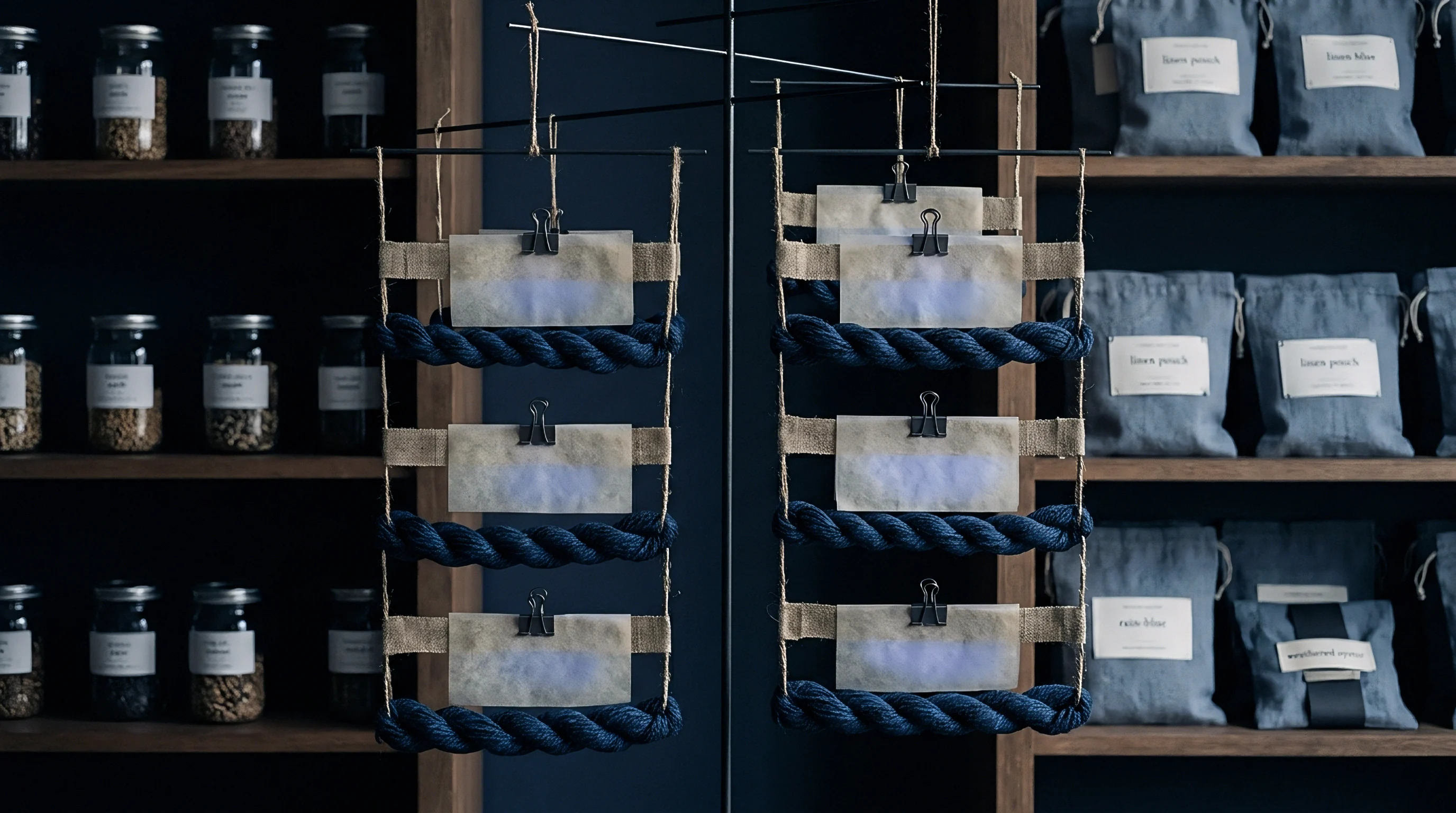
Proving preferential origin and correct HS classification under Chapter 53 requires an audited trail of commercial documents from farm harvest to customs clearing desk. Customs authorities in preferential trade agreements demand unbroken link chains connecting raw fiber scutching lots to spun yarn packages and woven bolts. Missing weight receipts, unverified mill certifications, or missing lot numbers on bill of lading filings trigger immediate duty suspension and physical port detention.

Documentary Verification and Origin Proof
Non-preferential rules of origin determine country of origin based on the substantial transformation concept under Kyoto Convention principles. Spinning raw flax fibre into yarn under heading 5306 constitutes a substantial transformation, conferring origin to the nation where spinning took place. Dyeing, bleaching, or simple rewinding of imported grey yarn under 5306.10 fails to meet substantial transformation thresholds, leaving the origin attributed to the country where wet or dry spinning occurred.
Preferential agreements like the EU Registered Exporter system, known as REX, require certified exporters to issue statement on origin declarations directly on commercial invoices. A valid REX statement must list the exporter’s registration number, accurate HS classification to six digits, and exact processing stages performed within member territories. Chinese spinning mills processing European-grown long line flax under inward processing relief schemes must present scutching delivery notes, customs entry bills, and mill processing logs to establish the exact proportion of imported raw fibre versus domestic processing additions.
| Classification Stage | Primary Document | Issuing Authority | Key Data Elements Required |
|---|---|---|---|
| Raw Straw (5301.10) | Field Harvest Certificate | Agricultural Board / Cooperative | Parcel ID, harvest year, dry weight |
| Scutched Fibre (5301.21) | Scutching Mill Delivery Note | Scutching Facility | Bale tag numbers, shive %, lot ID |
| Combed Line (5301.29) | Combing Quality Certificate | Testing Laboratory | Mean fiber length, dtex, yield % |
| Spun Yarn (5306.10) | Spinning Mill Production Log | Yarn Manufacturer | Wet/dry status, Nm count, twist factor |
| Woven Fabric (5309.11) | Weaving Shed Register | Textile Mill | Loom widths, warp/weft lot mapping |

Audit Steps across Multi-Country Supply Chains
Verifying cross-border supply chains involving European fiber growing, Chinese yarn spinning, and Southeast Asian weaving demands rigorous documentary reconciliation. Importers collect five mandatory document types before presenting goods for clearance:
- Scutching Certificate of Origin verifying agricultural harvest location, European Flax scope certificate numbers, and gross fiber dry weight.
- Export Customs Declaration from the country of primary scutching confirming HS 5301 exit codes, container numbers, and seal records.
- Spinning Mill Mass-Balance Log documenting incoming raw bale weight against outgoing spun yarn packages, accounting for processing scrap and tow generation.
- Laboratory Test Report under ISO 2060 and ISO 1833 verifying metric yarn count, twist parameters, and exact fiber composition ratios.
- Commercial Invoice Statement carrying valid REX or preferential origin declarations signed by authorized mill compliance managers.
A transaction certificate lacking explicit reference to individual spinning lot numbers invalidates preferential tariff treatment under bilateral trade rules.
Spinning mills frequently assert that mixed-lot bale store inventory prevents single-lot tracking back to original scutching certificates during high-volume production runs.

Penalty
Misdeclaring goods under Chapter 53 exposes importers, customs brokers, and sourcing agents to severe administrative and financial enforcement actions. Border agencies utilize automated risk-profiling algorithms to detect anomalies between declared invoice values, origin certificates, and HS codes. Reclassification of imported fabric from blended heading 5309 to pure flax subheadings can double applicable duty rates, trigger anti-dumping surcharges, and result in retroactive duty assessments spanning three open calendar years.

Customs Reclassification and Tariff Exposure
Subheading 5309.11 applies to woven fabrics containing 85 percent or more by weight of flax, entering standard duty tiers in major import markets. Subheading 5309.21 covers woven flax fabrics mixed mainly or solely with cotton or synthetic fibres, carrying distinct tariff rates and quota allocations. If a lab audit proves an imported fabric declared as 85 percent flax actually contains 83.5 percent flax by dry mass, customs authorities reclassify the shipment under 5309.21.
The 1.5 percent composition shortfall instantly invalidates preferential tariff entry codes, generating immediate duty underpayment notices.
Customs enforcement actions extend beyond simple duty adjustment to include civil monetary penalties assessed under national customs acts. Penalties for gross negligence or intentional misdeclaration range from two to four times the total duty shortfall, alongside potential seizure of non-compliant inventory stored in bonded warehouses. Importers operating under customs audit programs face revocation of trusted-trader status, forcing mandatory physical inspections on all future imported containers across every tariff chapter.

Commercial Contracts and Warranty Liabilities
Protecting commercial operations against classification disputes requires embedding strict regulatory compliance clauses directly into purchasing contracts and mill supply agreements. Sourcing managers write explicit origin guarantees, laboratory testing requirements, and indemnification terms into international sales contracts. Standard supply terms mandate that suppliers maintain full audit documentation for seven years and accept financial liability for all customs penalties, legal fees, and duty adjustments arising from inaccurate composition or origin declarations.
Commercial contracts routinely incorporate a binding enforcement clause: The seller warrants that all goods delivered under this contract strictly conform to declared HS Chapter 53 subheadings and possess complete, traceable transaction certificates; any customs reclassification, duty adjustment, fine, or detention resulting from incomplete records or inaccurate fibre composition shall be fully indemnified by the seller within thirty days of written notice.