
Fundamentals of Flax Roving Preparation for Wet Spinning
Controlled drafting and chemical middle-lamella pectin extraction convert raw hackled flax sliver into boiled roving engineered for wet spinning attenuation.
Controlled drafting and chemical middle-lamella pectin extraction convert raw hackled flax sliver into boiled roving engineered for wet spinning attenuation.

Misdeclared origin in imported linen blends triggers compounding Section 301 duties and statutory civil penalties that multiply unpaid duties up to fourfold.

Reconciling Transaction Certificates with customs origin rules requires declaring the weaving mill country as origin while citing certificates for fibre provenance.

Agricultural origin of raw European flax depends on linking farm lot weighbridge tickets to scutcher yield ratios and isotopic soil chemistry proofs.

Unmeasured pectin loss in wet spinning creates phantom certified mass credits that inflate ledger volumes and permit uncertified fiber substitution.

Reconciling European Flax in Chinese wet mills demands tracing intake weights through hackling loss and trough dissolution directly to verified yarn certificates.

Audit flax mass balance by verifying moisture-adjusted fiber intake, mechanical hackling yields, and temporal credit allocations against Transaction Certificates.

Irrigated non European flax alters oxygen and hydrogen isotope baselines through evapotranspiration enrichment requiring hydraulic correction models for valid origin proof.

Bayesian multi-element unmixing models resolve co-mingled scutcher fibre origins, converting ICP-MS trace profiles into legal proof of raw material composition.

Stable isotope analysis validates raw flax geographic claims by matching plant chemical profiles against regional soil and hydrological baselines.

Resolving pectin mass loss and effluent COD discrepancies requires reconciling theoretical oxygen demand against sludge precipitation and biological loss.
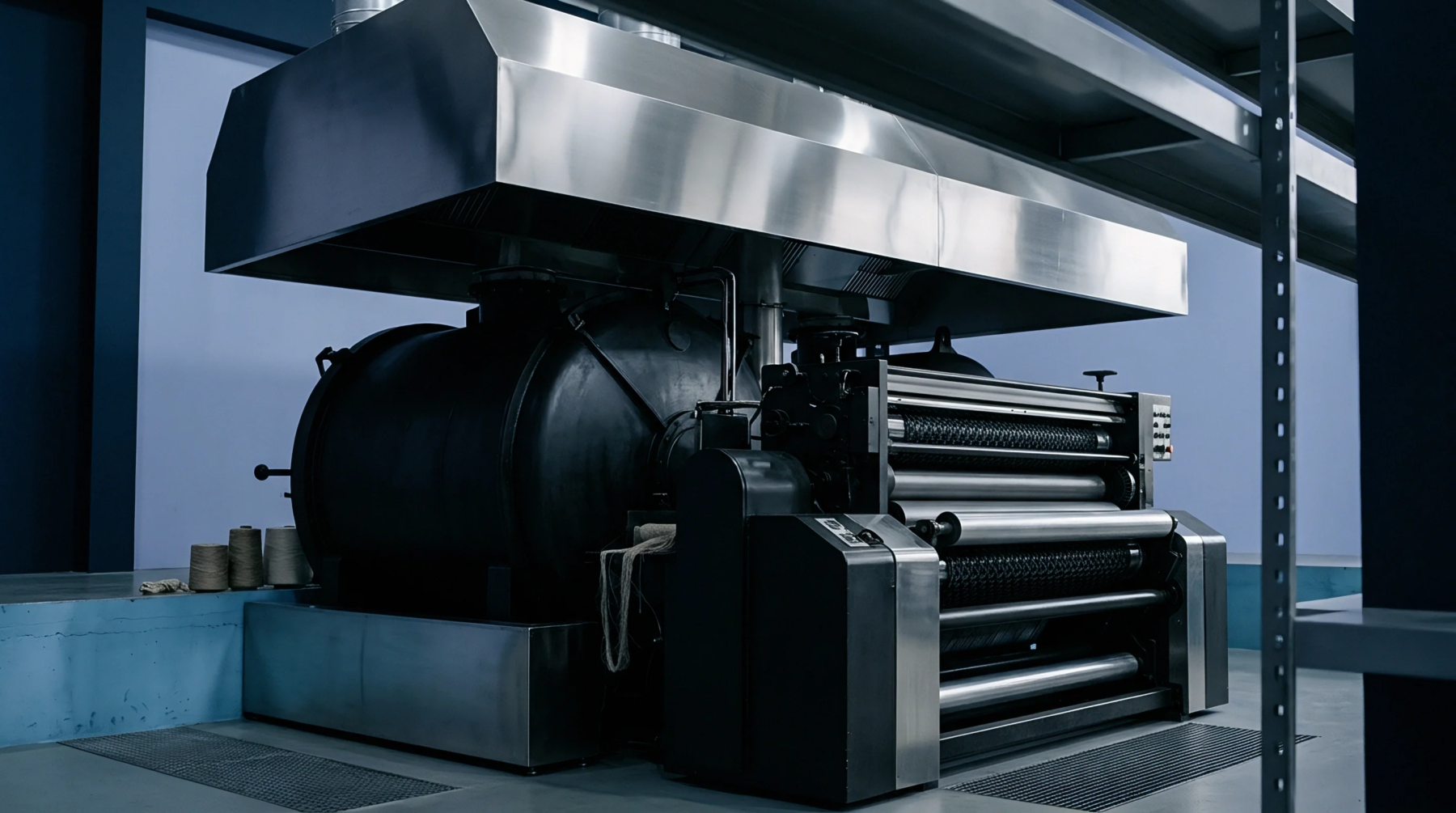
Reconciling scoured flax regain deviations requires adjusting dock weights to bone-dry fiber mass plus statutory 12 percent commercial allowance per ISO 6741.

Commercial yield adjustments for hackled flax roving require combining dry mass loss gravimetry with standard moisture regain corrections on every lot.

Reconciling bonded mill records demands converting port scale intake and certificate masses to ISO 6741 dry mass equivalents across all processing losses.

Standardize linen invoice billing to bone-dry mass plus official commercial regain to eliminate weight claims caused by mill psychrometric variance.

Commercial mass determination from desorption testing requires converting anhydrous dry mass to invoice weight using standard regain percentage allowances.

Enforce raw flax yield guarantees and cross-border origin compliance by linking invoice payments directly to mass balance audits and valid transaction certificates.

Scutching yield audits reconcile dry matter straw against line fibre, tow, and shives using ISO 6741-1 regain to prevent origin fraud and yield inflation.

Flax straw intake quality assessment verifies core bale moisture and non-flax purity to adjust weighbridge billing mass down to standardized dry fiber yield.

Solvent volatilisation during roving desiccation falsifies flax dry mass baselines, skewing commercial weight regain formulas and certified origin balances.

Standardize linen yarn contracts on ISO 6741 dry mass testing to eliminate freight moisture inflation through automated 12.00 percent commercial regain formulas.

Commercial weight equals oven-dry mass multiplied by one plus agreed regain allowance, turning core lab desiccation into invoice billing proof.
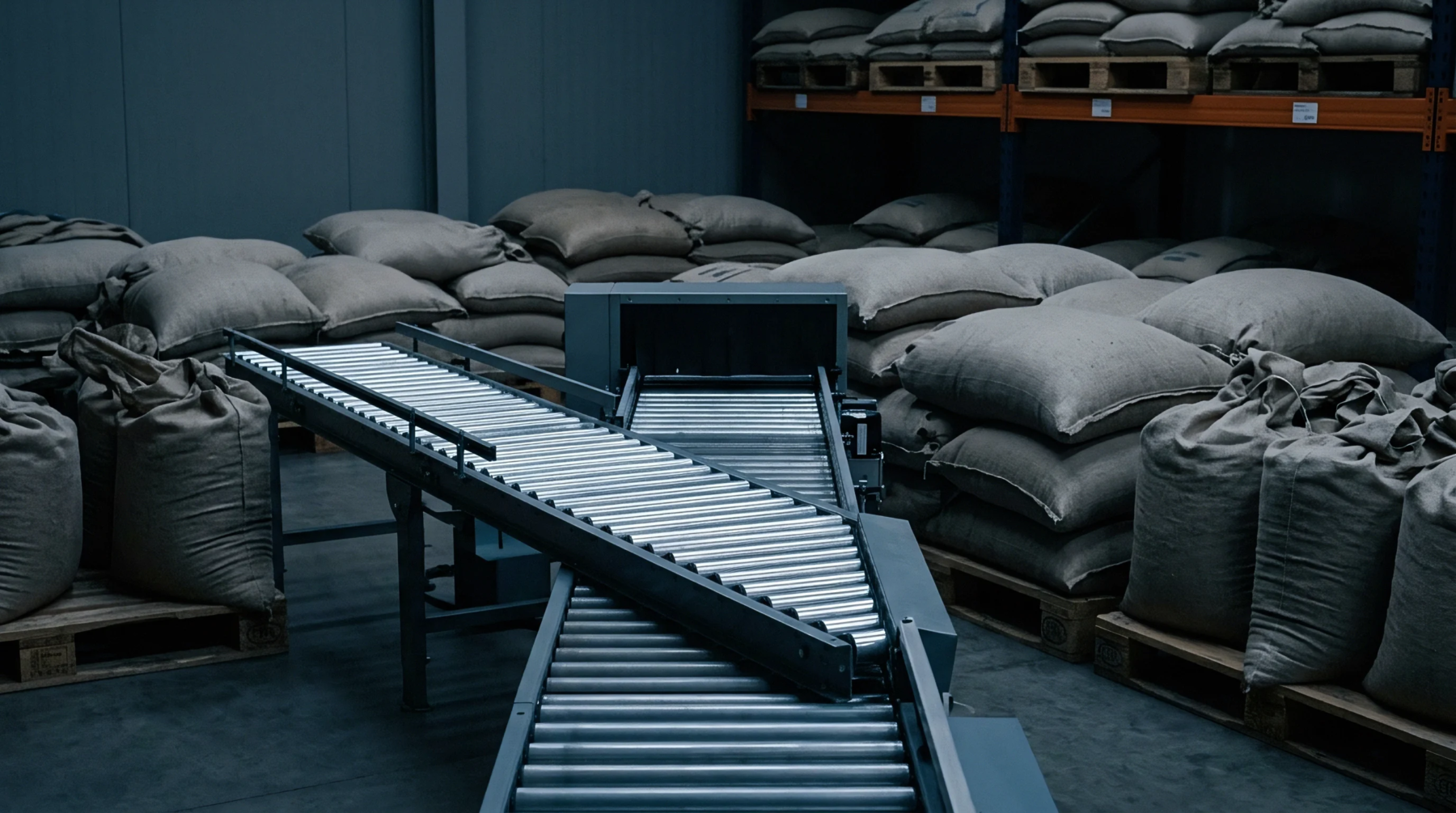
Isolating pyrolytic non-cellulosic volatilization in flax roving requires low-temperature vacuum drying below 60C and Karl Fischer titration to prevent mass loss.
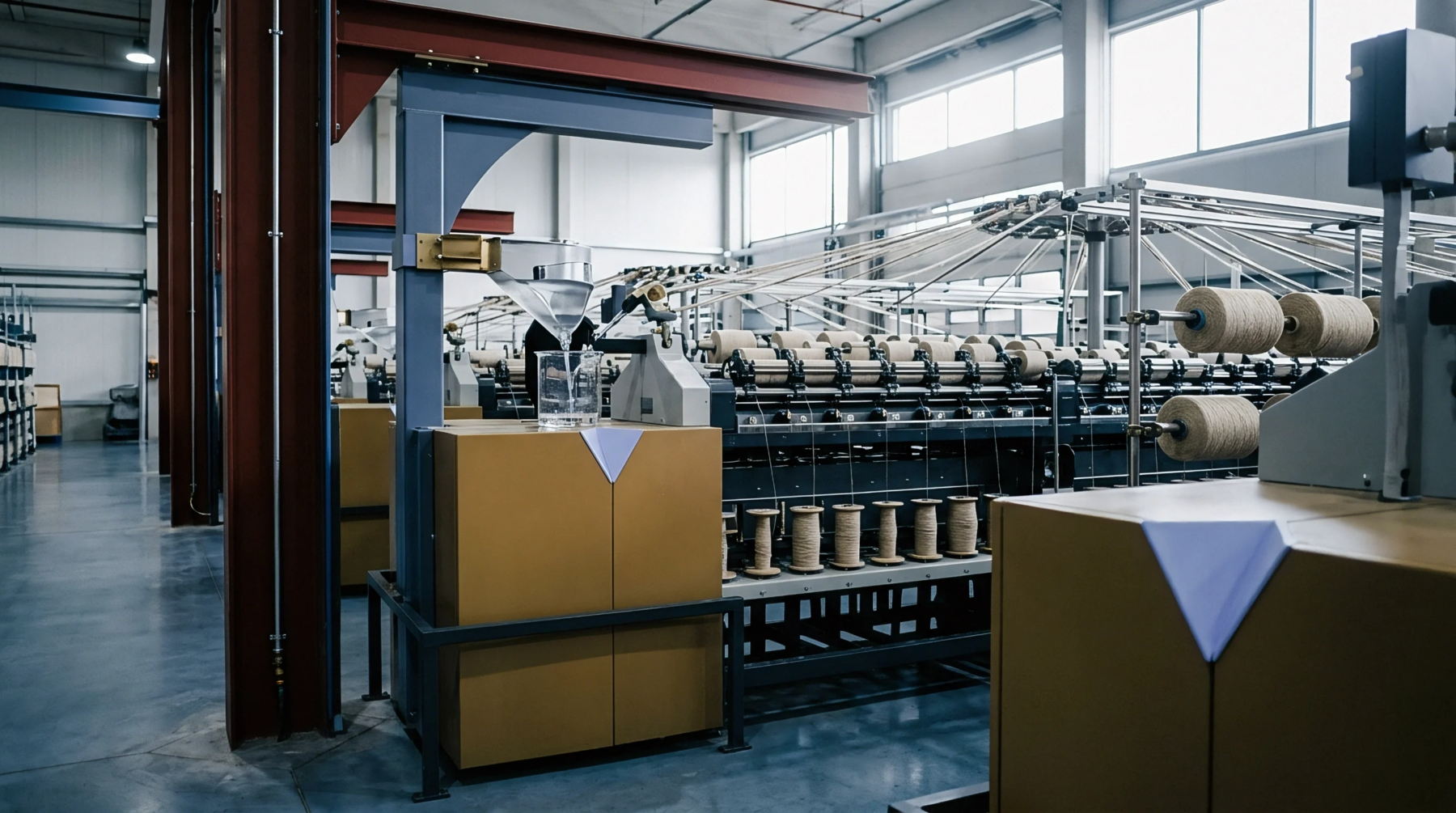
High temperature roving oven drying requires gravimetric regain correction to adjust for non-aqueous volatile loss and balance air buoyancy errors.

True dry mass in flax roving requires oven drying at 105°C with calibrated tare baselines to deduct noncellulosic volatiles and apply BISFA regain allowances.

Thermal degradation of non-fibrous flax impurities during 105°C drying inflates apparent moisture regain, mathematically erasing clean fibre from invoiced shipments.

Scutched flax moisture testing relies on oven desiccation at 105 degrees Celsius under ISO 2370 to adjust gross invoice weights to twelve percent regain.
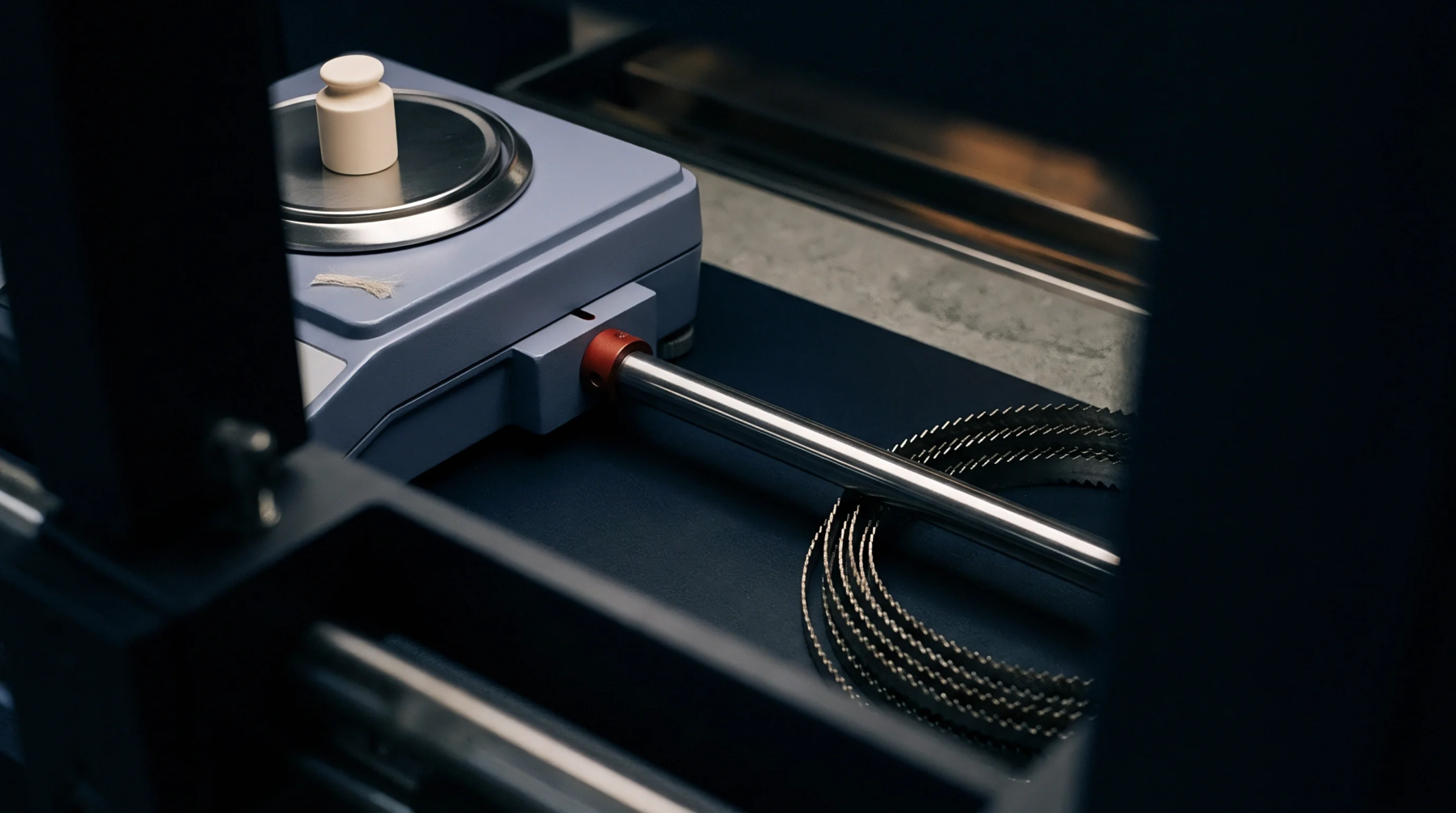
Commercial mass calculation converts oven dry weight into billable trading weight using official moisture regain and non fibrous impurity allowances.

Reconciling chemical rove loss rates against effluent dissolved solids prevents spinners from disguising uncertified fibre substitution in linen mass balances.
Expertise is a utility, not a secret. sentiention™ publishes its working knowledge as open reference: intelligence layer covering the materials it sources, the markets it enters, and the reference that serves both.