
Mass Balance Allocation Accounting Rules for Mixed Flax Spinning Mills
Mass balance allocation in mixed flax spinning requires empirical yield adjustments, quarterly ledger reconciliation, and strict legal origin compliance.
Mass balance allocation in mixed flax spinning requires empirical yield adjustments, quarterly ledger reconciliation, and strict legal origin compliance.

Retting duration dictates flax pectin dissolution during hot water wet spinning, shifting roving mass losses from two to eight percent and altering yarn counts.

Reconcile scutched flax mass balance ledgers by applying BISFA moisture regains, verified hackling yield fractions, and a rolling twelve-month credit window.

Verify certified flax wet spinning yields by measuring dry mass balances across hackling, autoclave scouring, and trough flumes to catch volume inflation.

Reconciling wet spun linen yarn shrinkage in provenance dossiers requires ISO 2060 oven-dry mass testing and linear contraction adjustments across mill logs.

Verify machine output by calculating linear metres from loom picks per minute, operating efficiency, and weft density against declared customs export yardage.

Reconciling linen yarn creel certificates against machine logs requires balancing electronic pick counts and waste tares directly against certified cone mass.

Importers must verify substantial transformation through primary mill mass-balance records and destination-specific tariff shift rules rather than chamber certificates.

Loom interlacing from flax yarn confers non-preferential origin under HS heading 5309, overriding fiber agricultural origin for customs entry duties.

Customs origin for woven flax textiles is determined by the country of loom formation under heading 5309, regardless of agricultural fiber source.

Enzymatic softening selectively alters bast fibre isotope and NMR spectra, requiring chemical isolation of alpha-cellulose to verify true geographic origin.

Reconciling subcontracted linen finishing requires binding dry-mass baseline verification under ISO 6741 to isolate chemical loss from material diversion.
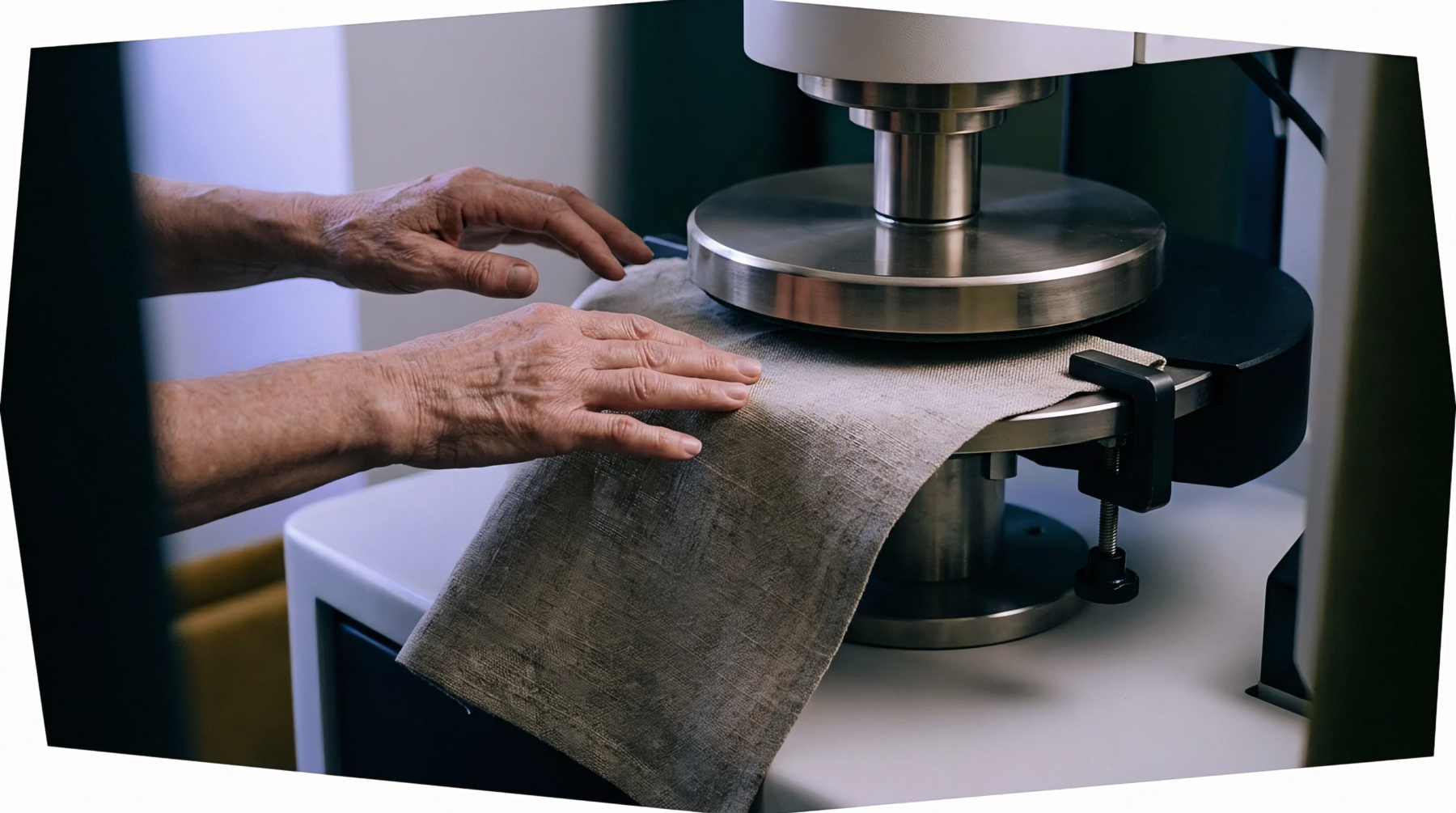
Authenticating greige linen requires verifying polygonal bast morphology, S-twist dry rotation, and shive lignin against physical mill balance records.

Private fibre scope certificates confirm material lineage but do not satisfy legal customs standards for substantial transformation and tariff origin.

Auditing overseas linen spinning ledgers demands reconciling core bone-dry fiber weights against machine waste logs to eliminate phantom mass balance credits.

European Flax scope requirements enforce strict farm-to-scutcher physical custody, requiring valid transaction certificates and audited mass balance yields.

Differentiating roof drip stains from core dampness arbitrates transit sweat against inherent moisture, isolating carrier liability from mill fiber defects.

Reconciling ocean transit linen losses requires calculating bone-dry fiber mass plus statutory regain rather than comparing uncorrected scale weights.

Standardizing raw flax container intake moisture regain requires core boring oven drying to adjust physical weighbridge scale tonnage to invoice allowances.

Commission scutching mass balances require dry-weight intake logging, strict physical line purges, and automated shive-to-fibre reconciliation to ensure integrity.

Scutcher turbine calibration balances blade clearance and tip speed to strip woody shive while preserving bast bundle tenacity and long line yields.

Controlled decortication moisture and roller clearances prevent fiber wall dislocations that degrade flax tenacity and trigger contractual price rebates.
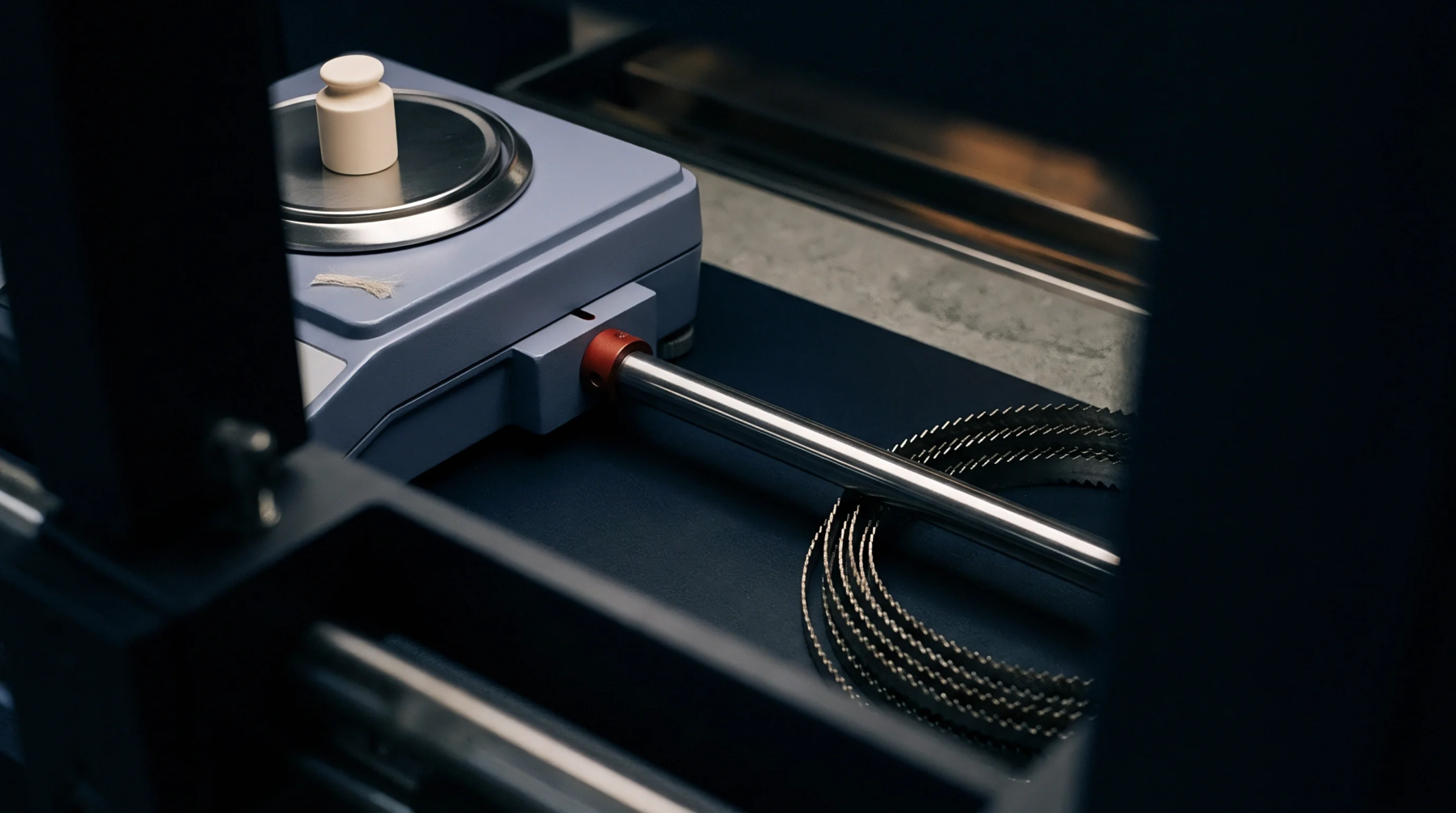
Moisture regain plasticizes pectic middle lamella bonds, dropping interfacial shear strength from 38 to 10 MPa and dictating drafting stability.

Wet spun flax tenacity peaks in medium counts where drafting trough pectin removal balances inter-fibre alignment with frictional twist cohesion.

Selecting an 11.8-millimetre Pressley clamp gauge over zero gauge measures inter-filament pectin shear, yielding tenacity figures that predict flax spinning performance.

Reconciling hackling yield requires continuous mass balance records matching physical sliver, tow, and extraction waste to incoming scutched flax lot certificates.

Settle scutched flax invoices on oven-dry mass plus twelve percent legal regain to eliminate ocean transit desiccation deductions at receiving mills.

Scutcher weighbridge tickets determine raw transit mass, while ISO 6741 oven-dry tests apply 12.0% commercial regain to fix true invoiced linen fibre weight.

Reconciling isotopic signals in flax-cotton fabric audits requires chemical alpha-cellulose isolation, linear mixing models, and complete mill records.

DNA extraction limits in bleached and dyed flax fall below detection thresholds, shifting provenance proof entirely to transaction documents.
Expertise is a utility, not a secret. sentiention™ publishes its working knowledge as open reference: intelligence layer covering the materials it sources, the markets it enters, and the reference that serves both.