Material Breakdown
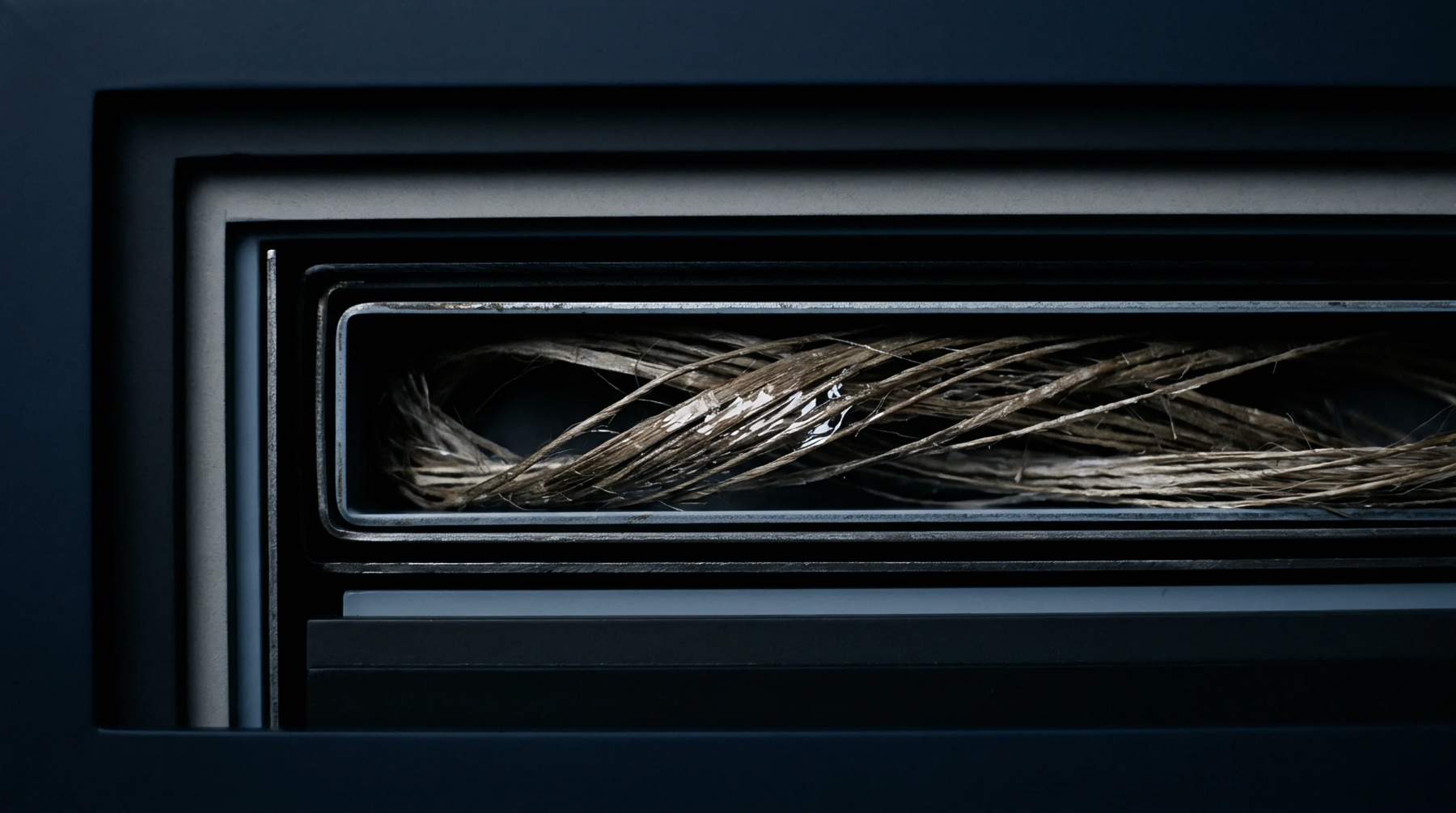
Analysis of the rate at which natural cellulose fibers decompose under heat provides critical operational boundaries for industrial drying and curing. Studies of thermal degradation kinetics determine the temperatures at which linen fiber begins to lose mass and tensile strength due to oxidation and thermal cleavage of the cellulose chains. Mill chemists record these thermal limits in the laboratory safety and process optimization manuals.
Drying Limits
Understanding thermal degradation kinetics is necessary to set the temperatures of the stenter frames and yarn drying ovens. Flax fibers contain natural moisture that must be removed after bleaching or dyeing, but drying them too quickly or at excessively high temperatures can cause irreversible fiber brittleness. The kinetics model helps engineers calculate the maximum safe heating time for each linen grade, balancing processing speed against fiber protection.
When the moisture drops below the critical level, the rate of thermal degradation increases, which can lead to fiber discolouration and weakened yarn. Sensors monitor the exit temperature of the dryer to adjust the belt speed.
Process Standards
Process standards limit the maximum drying temperature for linen to eighty degrees Celsius to avoid thermal damage. Laboratory tests on the finished yarn verify that the tenacity and elongation metrics are maintained after drying. This ensures that the yarn meets the physical requirements for high-speed weaving and knitting.