Metrological Standard
Industrial mass verification procedures establish legal metrological accuracy for medium-accuracy weighing systems used during bulk material reception. Chinese linen mills rely on class III weighbridge calibration to verify gross raw flax shipments delivered by truck before dry mass calculations take effect. Verification protocols govern scale intervals from five kilograms to twenty kilograms under state metrological standard JJG 539.
Legal compliance stops at the physical scale platform and does not determine moisture adjustments for incoming fibre bales.
Verification Procedure
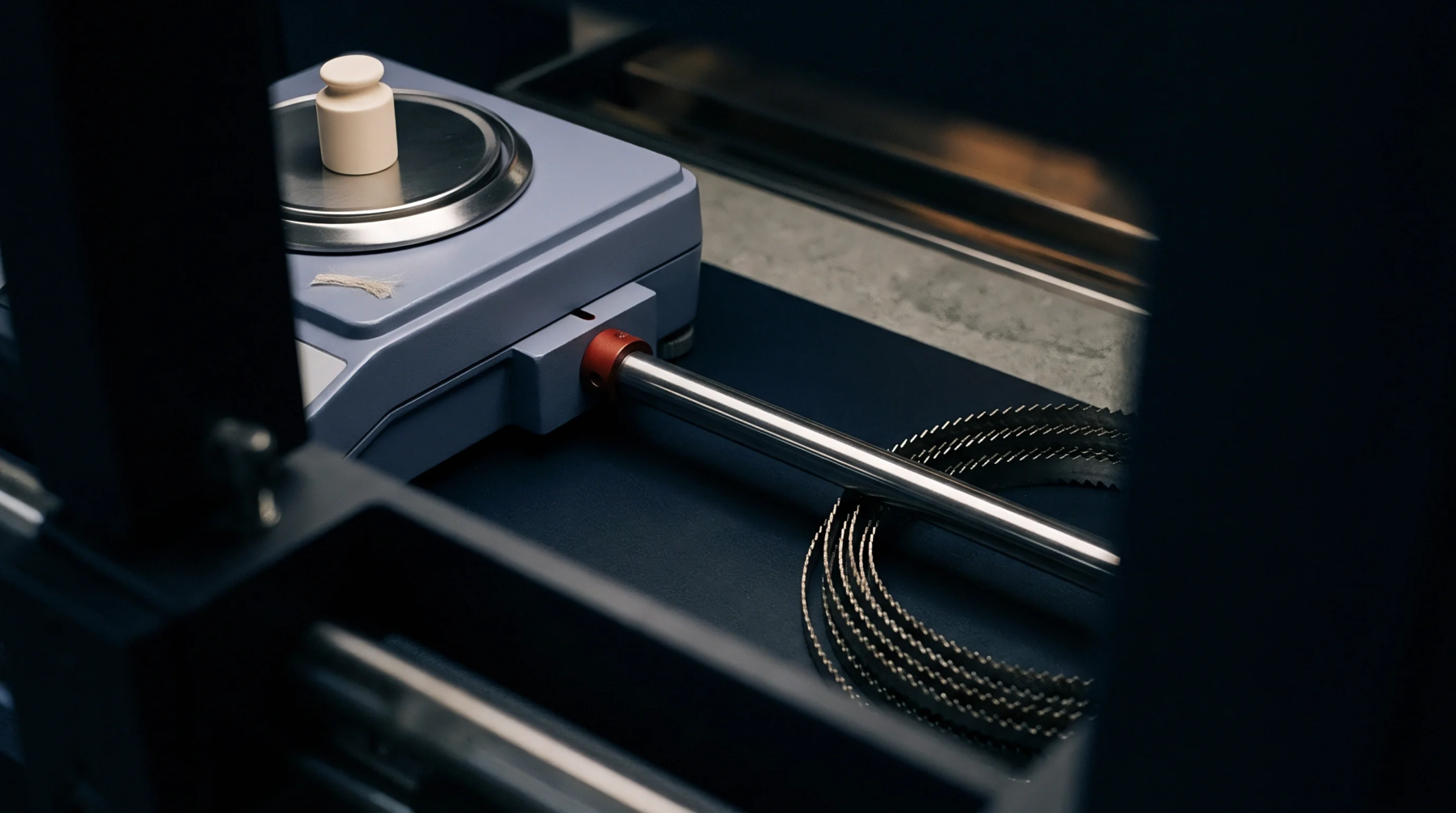
Testing protocols require certified cast iron test weights stacked up to forty metric tons across every load cell position. Technicians record zero return and eccentric loading errors to confirm scale performance within maximum permissible error thresholds. Errors exceeding designated scale intervals force mechanical adjustment or strain gauge replacement before mill operations resume.
Scale drift occurs when dirt accumulates under platform levers during heavy harvest deliveries. Verification fails whenever platform binding alters load cell output during off-centre positioning.
Settlement Impact
Commercial invoices for raw flax imports depend directly on certified intake weights recorded at the mill gate. Discrepancies between shipping manifests and verified scale logs alter the financial settlement between fibre traders and spinning plants. Stamped metrological certificates protect yarn manufacturers against systematic weight shortfalls during peak purchasing seasons.