Reconciling Moisture Regain Deviations across International Linen Processing Facilities
Standardize linen invoice billing to bone-dry mass plus official commercial regain to eliminate weight claims caused by mill psychrometric variance.
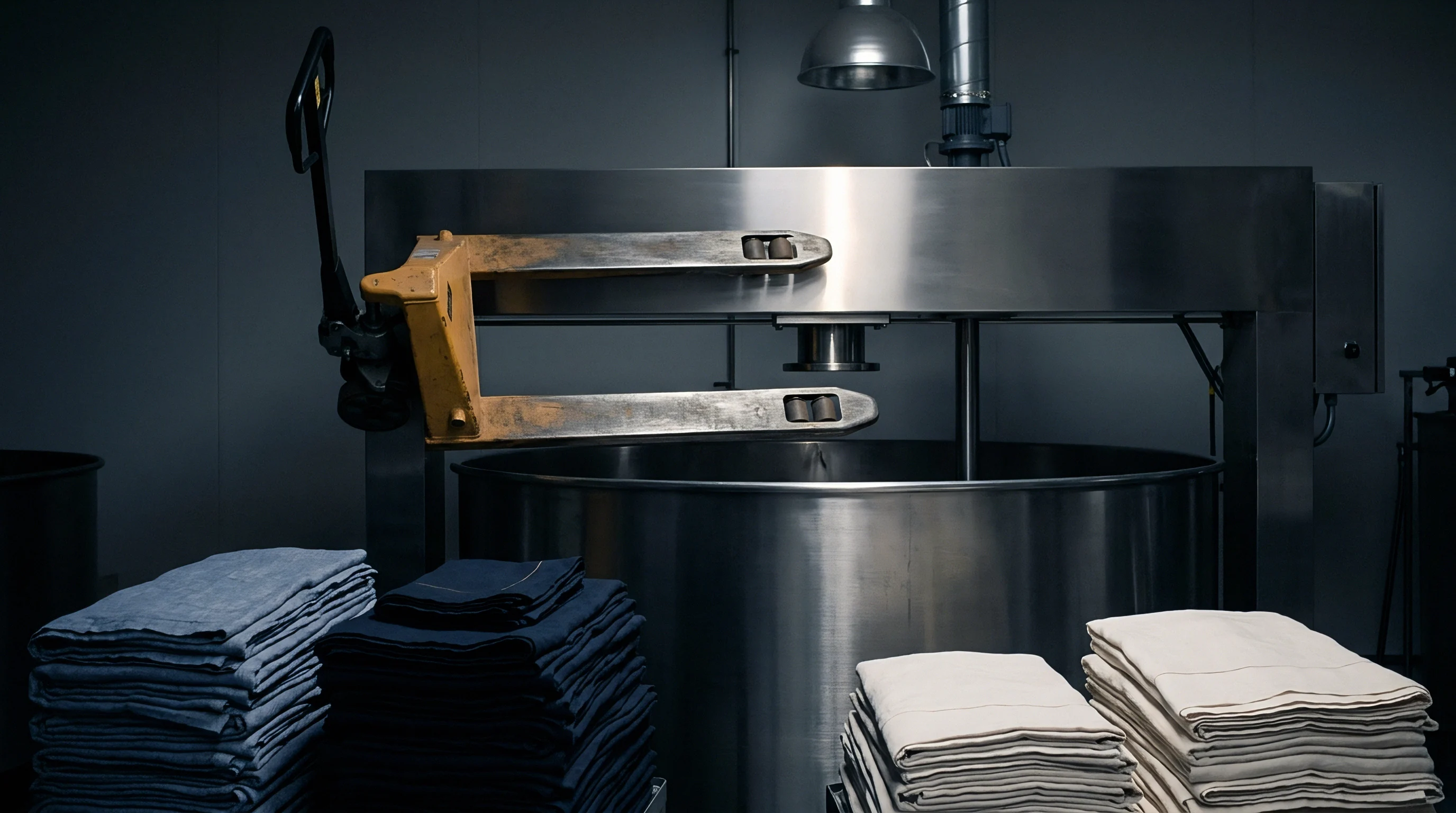

Shed
Atmospheric moisture in spinning halls directly dictates the physical mass of linen yarn. Flax bast fibers consist of cellulose microfibrils embedded in a matrix of hemicellulose and pectic substances, whose hydrophilic polymers carry open hydroxyl sites that readily attract ambient water. As humidity fluctuates across processing regions, the yarn’s equilibrium moisture content shifts with it.
Processing facilities in humid coastal areas like Jiangsu, China, work under air conditions far removed from dry inland weaving sheds in Western Europe; because bast fibers take on moisture so rapidly, identical shipments of raw flax yarn can show significant weight discrepancies based solely on the psychrometric history of the packing floor.

Psychrometrics in Bast Fiber Processing
Relative humidity controls the water content inside flax microfibrils. While standard testing conditions mandate a temperature of 20 degrees Celsius and a relative humidity of 65 percent, commercial spinning operations rarely maintain these precise parameters across expansive storage and spinning halls. Wet-spun flax yarn requires high humidity during processing to prevent filament breakage, forcing mills to run sheds between 70 percent and 80 percent relative humidity.
Finished yarn packed under these elevated humidity levels holds surface water and inter-fiber capillary liquid above its natural regain ceiling. Driven by cellulose hydroxyls, this material later dries toward equilibrium with the ocean container environment during transit, resulting in weight loss at the port of entry.
| Processing Environment | Relative Humidity Range (%) | Temperature Range (°C) | Flax Equilibrium Moisture Content (%) |
|---|---|---|---|
| Bale Storage (Normandy Scutching) | 60 – 70 | 12 – 18 | 11.5 – 12.5 |
| Wet Spinning Hall (Jiangsu Mill) | 75 – 85 | 22 – 28 | 13.8 – 15.2 |
| Weaving Preparation (Zhejiang Shed) | 65 – 75 | 20 – 25 | 12.2 – 13.5 |
| Conditioned Testing Chamber (ISO 139) | 65 ± 4 | 20 ± 2 | 12.00 |
| Dry Sea Transit Container | 40 – 55 | 25 – 45 | 8.5 – 10.2 |

Hysteresis Curves across Regional Climates
Desorption paths retain higher moisture levels than absorption paths at the same relative humidity. A bobbin of wet-spun flax yarn drying from an initial wet state of 20 percent regain down to 65 percent ambient relative humidity settles at roughly 13.2 percent moisture content. Conversely, a bone-dry package absorbing moisture up from zero percent regain in that same room levels off at 11.2 percent moisture content.
This two-percentage-point gap defines the sorption hysteresis inherent to flax; because desorption retains more water, the historical processing sequence determines where a package sits within this band, rendering ambient weight measurements unreliable without prior thermal conditioning.
Raw flax yarn stored at 75 percent relative humidity stabilizes at 13.8 percent moisture content, exceeding the official commercial regain standard by nearly two percentage points.
Atmospheric water loss during ocean transit accounts for weight shortfalls recorded at destination customs.
- Capillary Condensation Trapping Water aggregates within porous micro-voids in the primary cell wall, inflating initial gross package weight before drying.
- Pectic Substance Swelling Residual plant gums absorb unbound water during retting, shifting the natural saturation point of coarse scutched flax.
- Crystalline Lattice Expansion Amorphous cellulose zones expand under high humidity, forming non-permanent spaces that release moisture during dry sea transit.
- Package Density Gradient Tight winding tension on outer yarn packages seals core layers, delaying moisture release during brief laboratory conditioning windows.


Oven
Determining the true commercial weight of processed flax demands precise gravimetric analysis. Standard trade agreements rely on an official commercial regain benchmark of 12.00 percent for flax yarn, calculating commercial mass as the bone-dry fiber mass multiplied by one plus that regain allowance. When suppliers bill buyers on actual net scale weight rather than calculated commercial mass, ambient moisture shifts distort invoice costs unfairly.
To eliminate atmospheric distortion before forced hot-air convection drives off all moisture, test samples require airtight sealing.
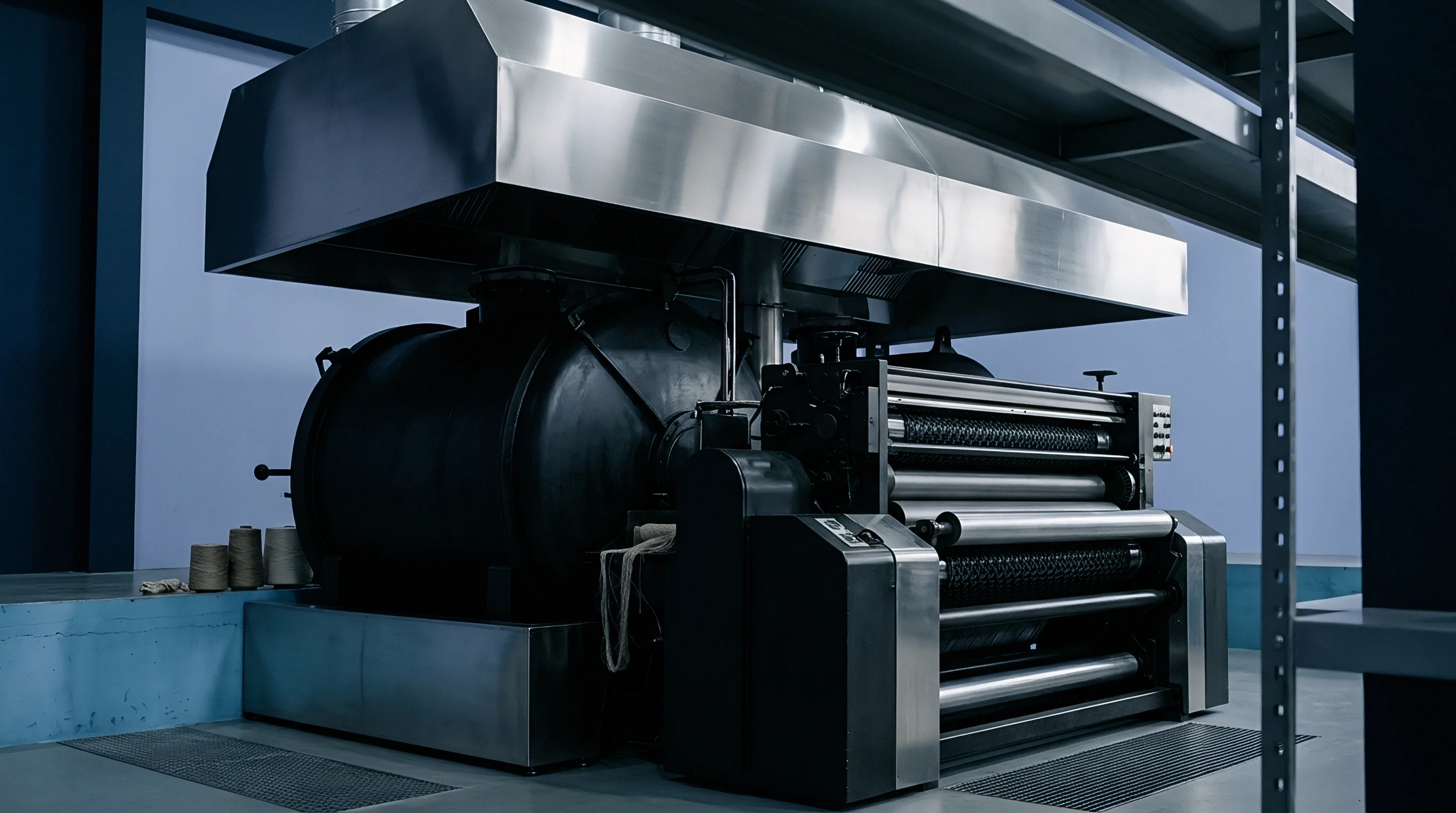
Gravimetric Regain Standard Protocols
Standardized laboratory drying removes all unbound moisture at elevated temperatures. Under protocols such as ISO 6741 and ASTM D2495, yarn samples undergo continuous drying at 105 degrees Celsius plus or minus 2 degrees until successive weighings at 15-minute intervals reveal less than 0.05 percent mass variation. This static reading defines the bone-dry mass, to which standard regain percentages apply directly ~ establishing a clear invoice figure regardless of ambient weather conditions on the day a container is sealed.
- Extract representative yarn core samples from ten random cones across the target shipping pallet inside an airtight container.
- Weigh the raw sample immediately on an analytical balance calibrated to an accuracy of 0.001 grams to record initial wet mass.
- Place the sample inside a ventilated drying oven operating continuously at 105 degrees Celsius.
- Weigh the specimen every fifteen minutes until two successive measurements confirm complete evaporation of unbound water.
- Calculate oven-dry mass and apply the official twelve percent commercial regain multiplier to establish final billable weight.

Chemical Refinement Impact on Desorption Capacity
Caustic mercerization opens crystalline cellulose structures to create additional water binding sites, though subsequent finishing treatments alter this hydro-affinity significantly. Liquid ammonia treatments convert Cellulose I crystal structures to Cellulose III, reducing available hydroxyl groups on the fiber surface and lowering regain capacity. Meanwhile, cross-linking resin finishes seal amorphous zones, suppressing moisture regain in finished linen cloth below 9.0 percent.
Applying the unadjusted 12.00 percent flax standard regain calculation to resin-treated or ammonia-refined linen fabrics overstates the actual physical fiber content delivered.
Contracts specifying ISO 6741 testing without mandating pre-conditioning at 50 degrees Celsius create a two percent mass discrepancy between dispatch and arrival laboratories.
| Finishing Process | Primary Cellulose Hydro-Affinity Mechanism | Standard Regain Baseline (%) | Observed Finished Regain (%) |
|---|---|---|---|
| Raw Scutched Flax | Unmodified primary wall with natural waxes and pectins | 12.00 | 12.50 – 13.50 |
| Boiled Greige Yarn | Partial removal of pectins, opening primary cell hydroxyls | 12.00 | 11.80 – 12.20 |
| Bleached Pure Linen | Complete wax removal, high exposure of amorphous cellulose | 12.00 | 12.20 – 12.80 |
| Liquid Ammonia Finish | Lattice conversion to Cellulose III, reducing hydroxyl sites | 12.00 | 9.50 – 10.20 |
| Durable Press Resin Finish | Cross-linking of hydroxyl groups within amorphous zones | 12.00 | 8.00 – 9.10 |
Failing to adjust standard regain calculations for chemically altered finished goods leads directly to systematic over-invoicing and failed customs entry declarations.

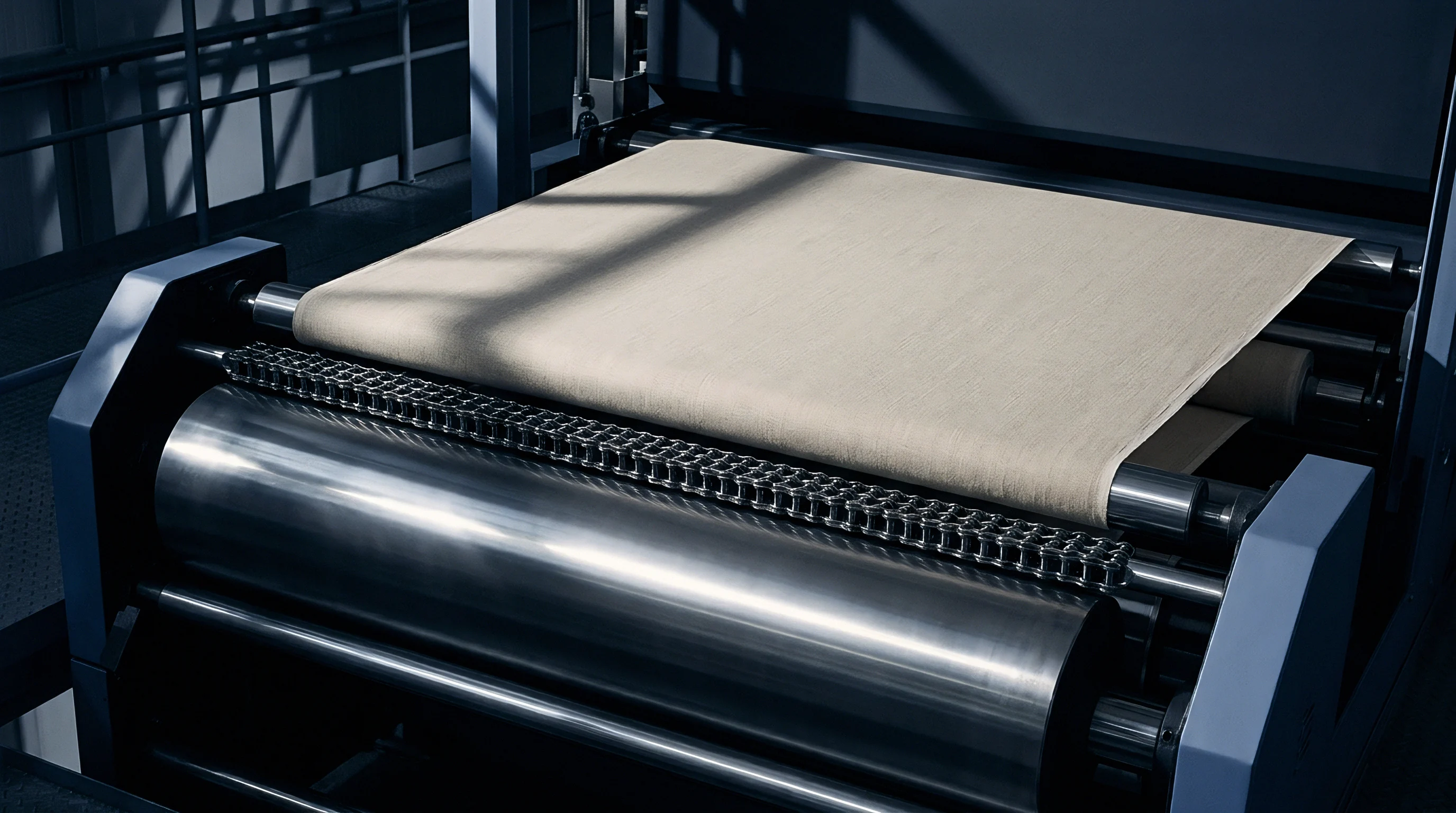
Tariff
Customs entries for imported flax yarns depend on standardized mass metrics. Importers paying ad valorem tariff duties face financial exposure when shipments carry excess water weight into port clearance zones. Under standard Union Customs Code rules and United States Customs regulations, duty applies to the actual commercial mass or declared net weight of the goods.
If a container enters port carrying two metric tonnes of unneeded ambient moisture acquired during high-humidity mill storage, the importer pays unnecessary duty on water unless entry paperwork specifies calculated commercial mass under official standard regain rules.

Customs Valuation and Conditioned Mass Rules
Importers calculate customs duties using commercial weight formulas established by international trade law. Declarations submitted under Harmonized System Code 5309 for woven linen fabrics require precise net mass declarations, with customs authorities auditing weight discrepancies between bills of lading, packing lists, and entry filings. Because unconditioned mass skews freight charges and scale readings, a negative weight variance found on a port scale can raise suspicion of understated shipment volume.
Providing a certified gravimetric test certificate showing bone-dry mass plus official 12.00 percent regain resolves this tariff liability immediately.
Customs entries based on physical weighbridge tickets rather than calculated commercial mass expose importers to tax penalties when dry sea containers lose absorbed moisture.

Harmonized System Weight Discrepancy Reductions
Cross-border classification under chapter 53 assigns taxation rates based on standardized moisture baselines. Preferential tariff treatments, such as those governed by European Flax certification rules, demand traceable mass-balance accounting across intermediate processing steps. A Chinese wet-spinning mill converting European scutched flax into yarn must show a physical yield that matches mass-balance loss parameters; if incoming flax fibre arrives at 12 percent moisture and outgoing yarn leaves the mill at 15 percent moisture due to excessive humidification, the audit trail flags an unverified volume surplus.
The mill risks losing origin compliance status unless moisture gains are reconciled using bone-dry baselines.
- Documented Standard Regain Basis Ensure purchase orders specify billing derived from bone-dry mass plus twelve percent standard commercial regain.
- Certified Gravimetric Testing Clause Require dispatch laboratories to attach ISO 6741 test reports to commercial invoices.
- Net Weight Adjustment Filings File customs declarations based on certified conditioned commercial mass rather than gross scale receipts.
- Origin Mass Balance Reconciliation Reconcile raw fiber input against finished yarn output using standardized dry weights to maintain provenance certification.
Section 301 customs penalty clauses enforce zero-tolerance thresholds on origin mass reconciliation discrepancies that exceed three percent of declared consignment weight.


Ledger
Tracking material losses across international linen supply lines reveals substantial mass variations. Conversion from raw scutched flax to wet-spun yarn involves multiple wet processing steps ~ boiling, bleaching, spinning, and package drying ~ each altering the dry content and moisture status of the batch. Because water weight directly alters invoice totals, a comprehensive mass-balance ledger isolates physical fibre yield losses, such as short fiber removal during combing, from temporary weight changes caused by atmospheric water sorption.
Without gravimetric controls at every transformation node, finance teams misinterpret environmental moisture evaporation as physical material loss.

Why Do Net Weight Claims Fail during Transit?
Ocean shipping containers expose packed linen goods to dramatic humidity drops. Air exchange inside standard shipping containers during four-week ocean transits strips moisture from hygroscopic materials. Linen bolts packed at 14 percent regain in humid Asian processing hubs lose water content continuously during transit through warm marine trade routes, landing at destination ports at 9.5 percent moisture content.
Because this moisture loss alters container payloads, weighing the shipment on an uncalibrated scale at the destination warehouse can show a three-hundred-kilogram shortfall against the bill of lading. A shortage claim issued against the ocean carrier fails instantly because physical fiber count remains intact while only ambient water evaporated.
| Consignment Condition State | Shipped Gross Mass (kg) | Bone-Dry Core Mass (kg) | Actual Regain Percent (%) | Standard Invoice Commercial Mass (kg) |
|---|---|---|---|---|
| Over-Humidified Mill Packing Floor | 10,000.00 | 8,771.93 | 14.00 | 9,824.56 |
| Standard Atmospheric Equilibrium (ISO) | 9,824.56 | 8,771.93 | 12.00 | 9,824.56 |
| Desiccated Transit Discharge Container | 9,517.54 | 8,771.93 | 8.50 | 9,824.56 |

Multi-Stage Commercial Mass Reconciliation Arithmetic
Calculating financial adjustments between wet mill weight and standard commercial weight requires exact formulas. Assume a purchase contract for 10,000 kilograms of grey linen yarn at an agreed price of 12.00 USD per kilogram, specified on a 12.00 percent standard commercial regain basis. Upon arrival, destination scale tickets confirm a physical net mass of only 9,517.54 kilograms, while laboratory testing yields an oven-dry sample mass confirming an actual moisture regain of 8.50 percent.
The mathematical reconciliation runs as follows:
First, isolate the bone-dry mass using the arrival regain figure:
Bone-Dry Mass = Physical Arrival Mass / (1 + Actual Regain / 100)
Bone-Dry Mass = 9,517.54 kg / (1 + 0.085) = 8,771.93 kg
Next, apply the official commercial regain factor of 12.00 percent to determine the billable mass:
Billable Commercial Mass = Bone-Dry Mass (1 + Standard Regain / 100)
Billable Commercial Mass = 8,771.93 kg 1.1200 = 9,824.56 kg
Multiply the billable commercial mass by the contracted unit price:
Final Reconciled Settlement Value = 9,824.56 kg 12.00 USD/kg = 117,894.72 USD
The original supplier invoice calculated on unconditioned scale weight at the origin mill (10,000.00 kg at 14.00 percent regain) totaled 120,000.00 USD. Billing on actual commercial mass reduces the invoice liability by 2,105.28 USD, protecting the buyer from paying a premium for excess water weight present during initial packing.
Ocean transit through arid shipping lanes extracts up to three hundred kilograms of water weight from an unsealed container of woven flax bolts.
- Verify that origin scale weights correspond to precise bone-dry gravimetric test samples taken at the moment of package sealing.
- Calculate total fiber solids present in the consignment by stripping out measured moisture regain percentages.
- Apply standard commercial regain constants to the dry fiber mass to determine true billable tonnage.
- Compare destination scale receipts against calculated commercial mass to isolate water loss from missing packages.
- Issue commercial debit notes based exclusively on calculated bone-dry weight deficits rather than total container scale variances.
What remaining thermodynamic interactions between core package density and sea container ventilation rates prevent complete pre-shipment prediction of moisture loss across extended transit corridors?


Draft
Constructing commercial purchase contracts demands clear rules for moisture variation. Sales agreements between international flax spinners, fabric weavers, and sourcing brands must specify exact testing standards and settlement mechanisms for weight deviations. Relying on generic net weight terms leaves buyers vulnerable to paying full price for environmental water, whereas contracts incorporating explicit gravimetric procedures, designated arbitration laboratories, and defined moisture allowance windows resolve disputes before goods cross international borders.

Contractual Tolerance Limits and Liability Allocation
Sales agreements establish specific percentage thresholds for acceptable mass variation upon delivery. A standard commercial contract grants a plus-or-minus 0.5 percent tolerance window around the official 12.00 percent commercial regain benchmark. If laboratory analysis at the port of discharge shows moisture levels within 11.50 percent and 12.50 percent, the invoice total remains unadjusted.
Deviations exceeding this neutral zone trigger automatic financial adjustments using pre-agreed bone-dry mass calculation protocols, forcing suppliers to control storage conditions and maintain proper package wrapping integrity.
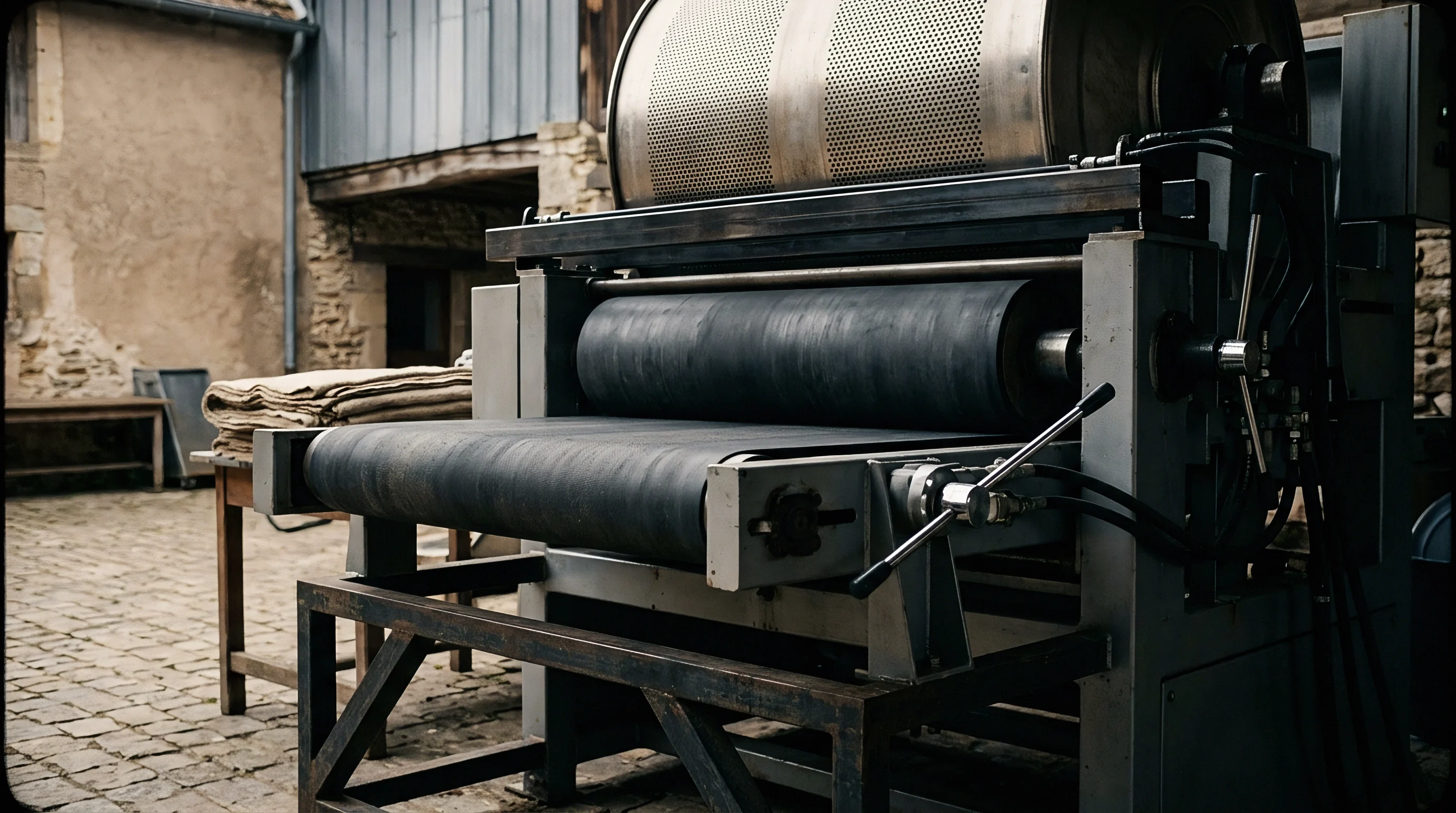
Arbitration Standards for Commercial Regain Settlement
Formal dispute resolution relies on accredited third-party laboratory tests. When origin and destination test reports conflict, the sales contract must designate a referee testing facility accredited under ISO 17025. Samples taken for arbitration require immediate extraction in accordance with ISO 5089 guidelines, followed by sealing in vapor-impermeable aluminum foil bags.
Retesting occurs under controlled atmospheric conditions following a mandatory four-hour pre-conditioning cycle at 50 degrees Celsius. The referee laboratory finding serves as final binding evidence, with testing costs charged to the party whose original invoice or claim showed the greatest numerical variance from the audited standard.
Commercial contracts specifying conditioned dry mass adjustment formulas eliminate weight shortfalls caused by atmospheric exposure.