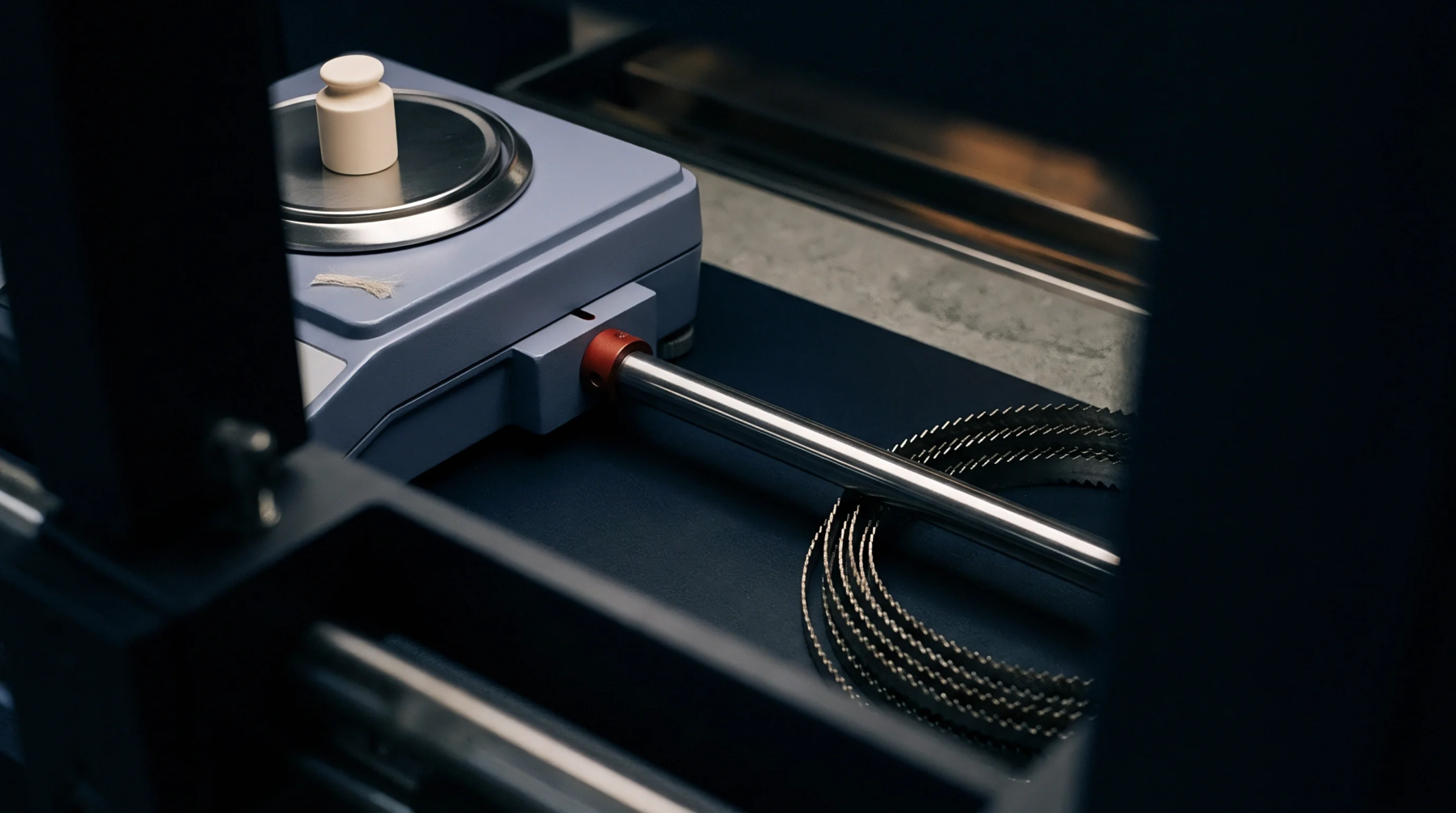
Gravimetric Verification Protocols for Flax Line Fibre Linear Density
Conditioned middle-cut bundle weighing under ISO 2370 delivers precise flax line fibre linear density data for wet-spinning count calculations.
Conditioned middle-cut bundle weighing under ISO 2370 delivers precise flax line fibre linear density data for wet-spinning count calculations.

Non-cellulosic residue fractions in flax sliver govern drafting stability, spinnable metric count, and true yarn yield; residual pectin exceeding 1.8 percent spikes end breakage and erodes landed cost discounts.

Evaluating scutched flax length distributions using comb arrays identifies short fiber fractions and predicts hackling line yield before spinning.

Optical image analysis of overlapping flax bundles demands controlled sample dispersion, distance transform segmentation, and microtome cross-sectional correction.
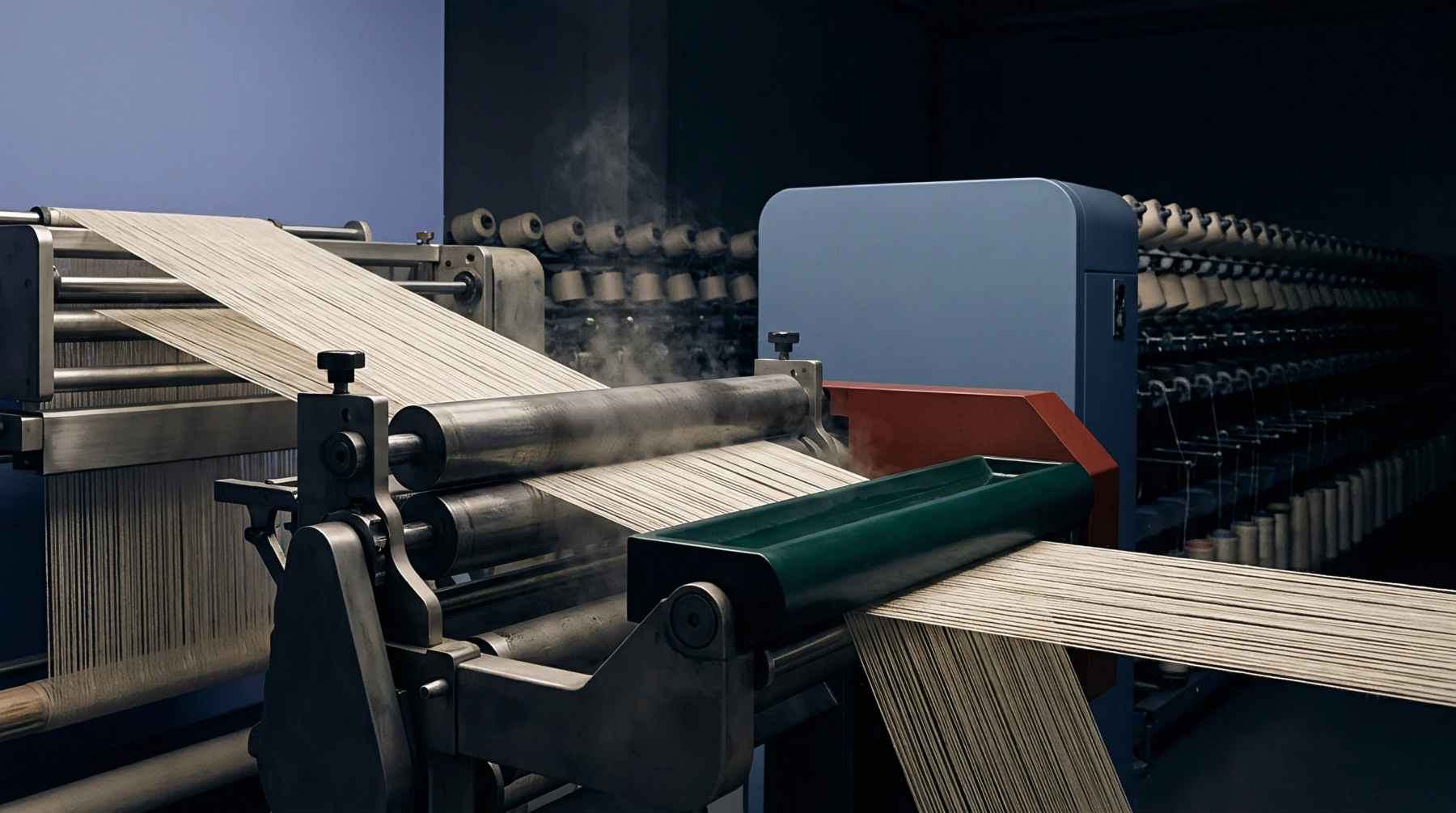
Commercial mass calculations based on ISO 6741 oven-drying protocols protect buyers from paying landed mass prices on sea-transit moisture uptake in flax.

Calibrating wet spinning trough temperature and water turnover reconciles organic flax pectin dissolution losses against certified mass balance yields.

Air permeability testing measures specific surface area to derive bast fibre linear density, requiring precise moisture conditioning and shive removal.

Klason lignin testing combined with wet spinning draft analysis establishes raw flax mill suitability and prevents costly frame end breaks.

Hackling yield directly establishes net fiber input costs, where a one percent yield gain lowers landed yarn expense by over two percent per finished meter.

Spectroscopic residue mapping identifies non-European linen by detecting chemical degumming traces and lignin ratios that contradict European dew-retting standards.

Gravimetric linear density determination isolates conditioned cut fiber bundles on microbalances to establish precise tex and dtex spinnability limits for bast stock.

Flax retting breaks down stalk pectin to separate spinnable fibers, requiring strict moisture control and scope-verified chain of custody to secure origin.

Calibrating wet spinning trough temperature and pH prevents pectin-induced draft rupture, lowering fine yarn end breaks and securing target tenor tenacity.
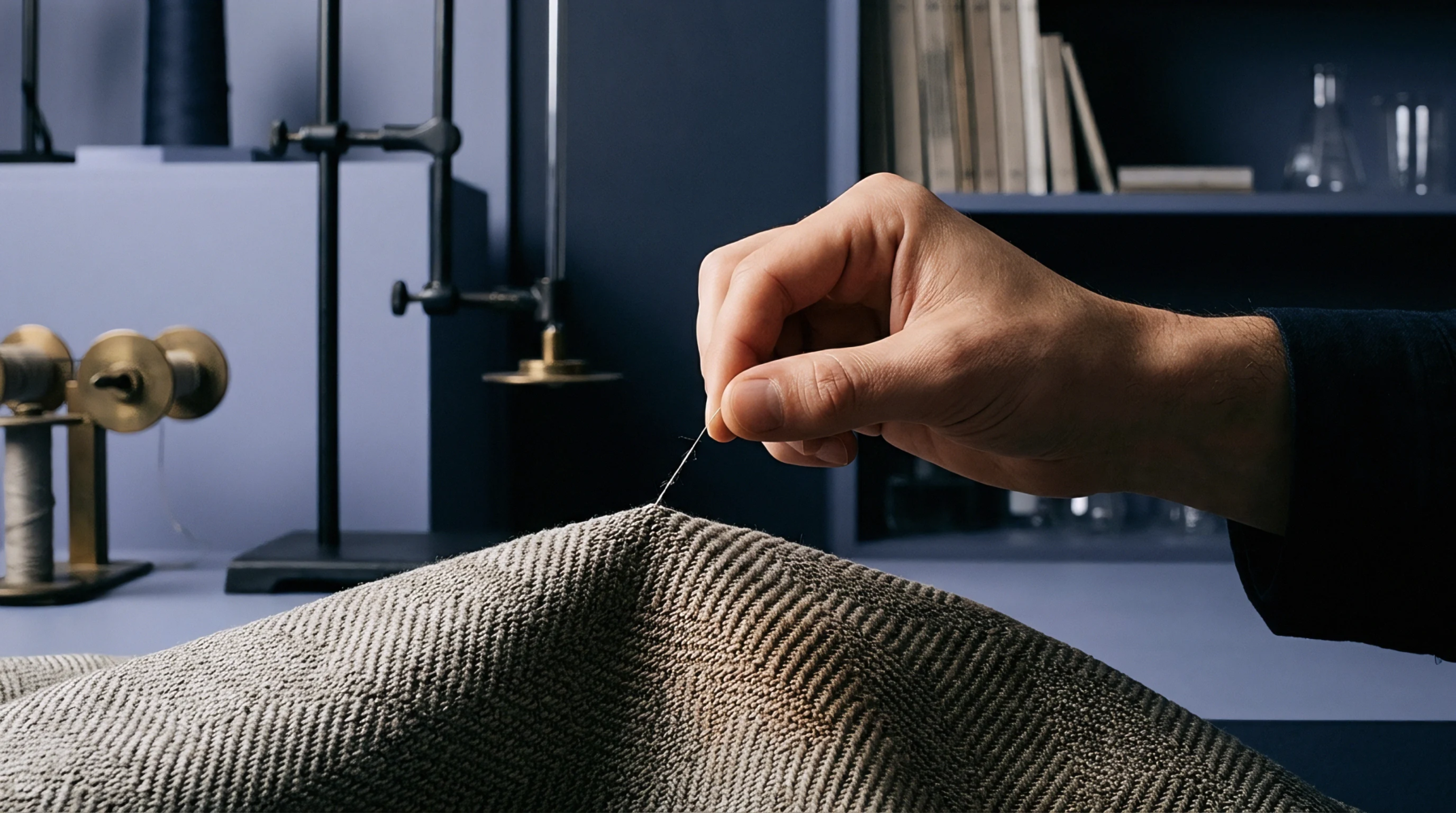
Optimal retting reduces residual pectin below 1.8 percent, allowing ultimate fiber separation to 3 tex and maximizing high-count line yarn yield.
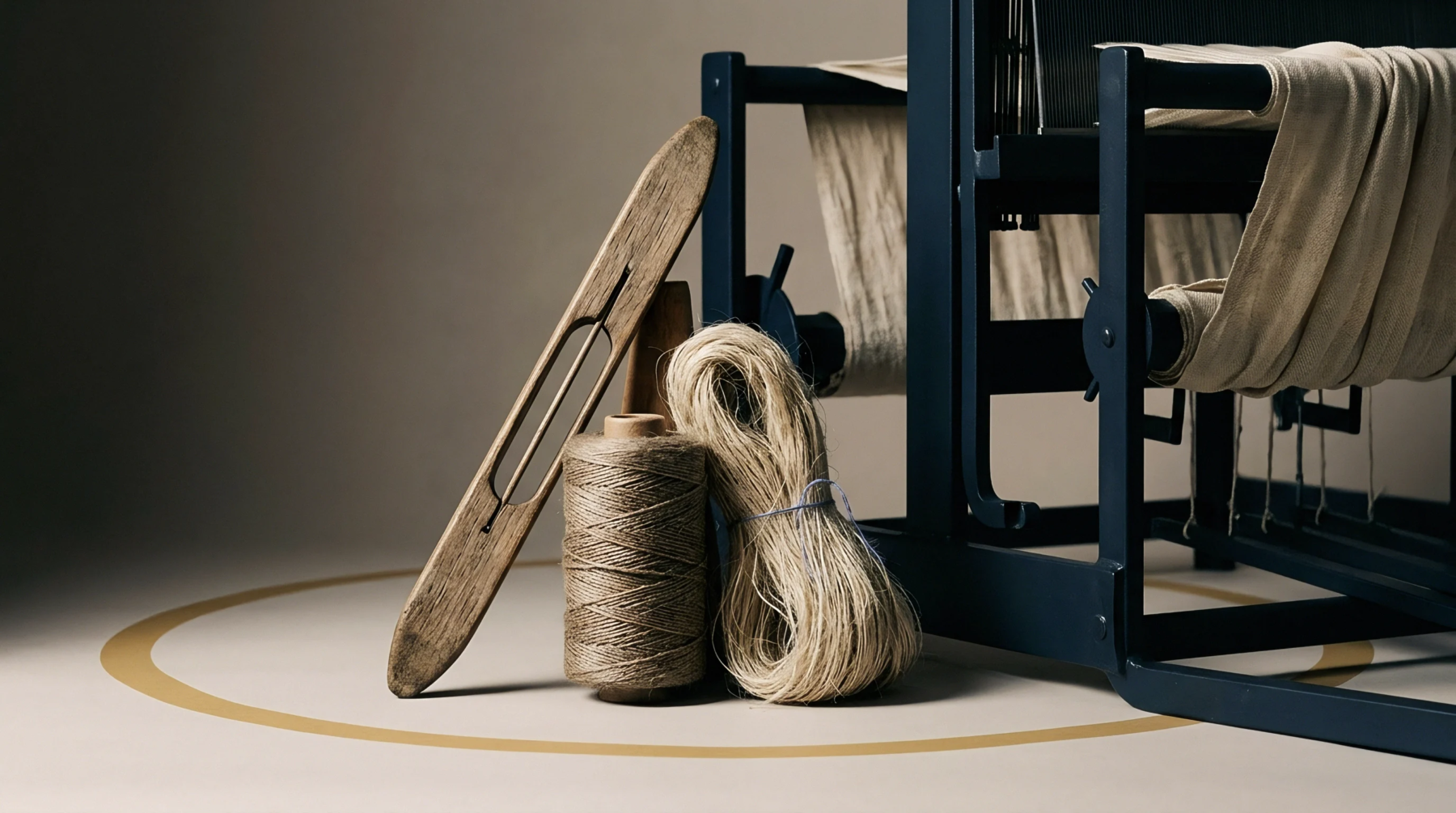
Flax technical bundle fineness dictates maximum spinnable yarn count while 3.2 millimetre gauge tenacity governs wet-spinning end breaks and hackling yield economics.

Scutched flax line yarn suitability requires bundle fineness below 1.8 tex, shive under two percent, and uniform retting to prevent comb tow losses.
Scutched flax line classification dictates hackling yield, bundle fineness, and wet-spinning count limits, establishing the landed cost per metre of cloth.

Airflow fineness measurement on hackled flax converts pneumatic resistance to metric count, requiring retting-specific calibration to avoid spinning failures.

Retting duration dictates flax pectin dissolution during hot water wet spinning, shifting roving mass losses from two to eight percent and altering yarn counts.

Cross-sectional bundle area distributions dictate wet drafting stress peaks and spinning triangle stability, directly predicting high-speed frame end breakage.

Standardized airflow permeability testing under ISO 2370 converts pneumatic backpressure into specific surface area to grade flax bundle spinnability.

Chromatographic calibration using purified oligouronides prevents pectic interference errors that degrade flax hackling yields and yarn margins.

HS classification for raw bast fibres hinges on mechanical extraction limits under heading 5301, where chemical degumming or combing shifts duty lines.
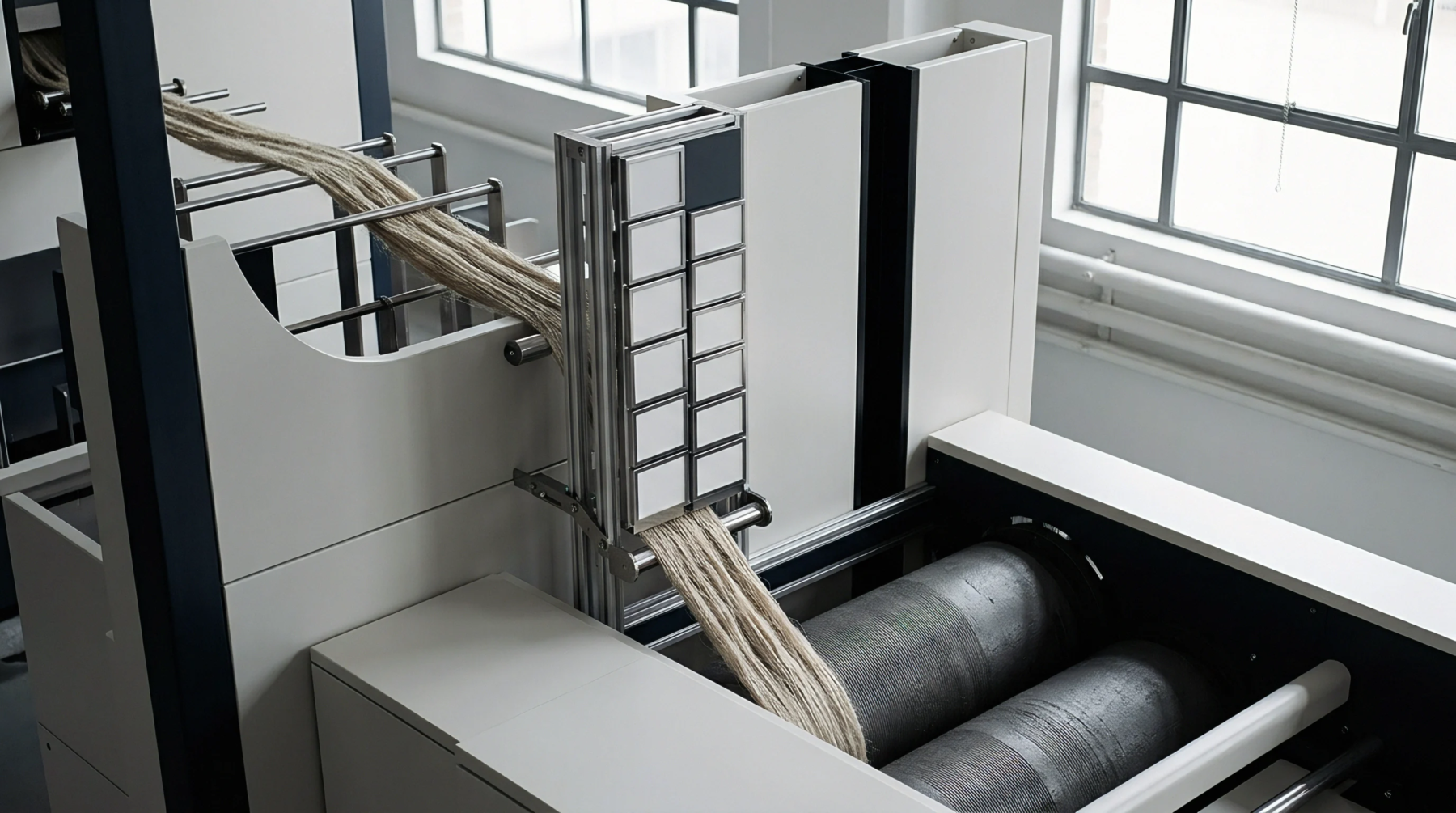
Stabilizing wet-spinning troughs at 60 to 63°C plasticizes flax middle lamella pectins, suppressing drafting force spikes and yarn mass CV drift.

Evaluating raw flax fibre grade quotes demands checking retting degree, shive loading, metric fineness, and hackling yield against target wet-spun yarn counts.

HS heading 5301 classifies flax by mechanical state, where shive content, staple length, and fibre parallelism separate raw straw, scutched stricks, line, and tow.

Customs classification of degummed bast fiber depends on residual sodium levels and Klason lignin ratios exceeding raw retting standards.
Manual hand classing identifies technical fibre bundle division through thumb splitting, pull drafting, and tactile drag to predict hackling yield and yarn count.

Volumetric bulk density models misstate hemp shive content due to retting porosity changes; gravimetric sorting under ISO 1833 remains mandatory for pricing.

High-speed optical fineness testing replaces gravimetric airflow by resolving bast bundle width distributions to predict wet-spinning draft and fabric cost.
Expertise is a utility, not a secret. sentiention™ publishes its working knowledge as open reference: intelligence layer covering the materials it sources, the markets it enters, and the reference that serves both.