Solvent Preparation
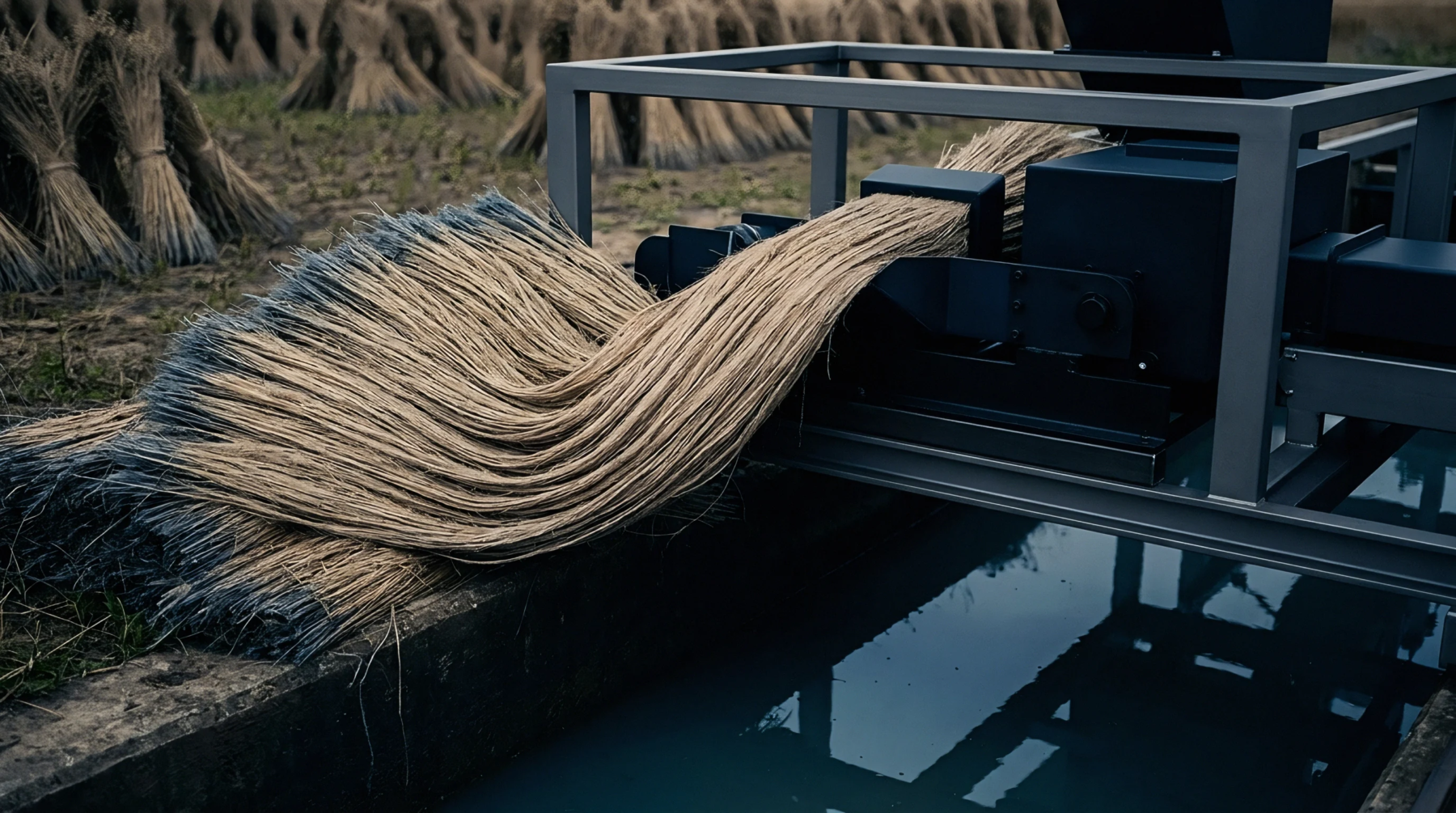
Chemical immersion processing identifies the specific removal of pectin and waxes from flax straw through controlled liquid exposure. Bath extraction functions as the primary method to soften woody residues within the stalk during the early retting stage. High temperatures and precise pH balance determine how effectively non-cellulosic components separate from the internal fibre bundles.
This operation shifts the raw straw state toward a workable condition for subsequent scutching machinery.
Grade Assessment
Quality control departments monitor the liquor density at intervals to confirm chemical saturation levels reach the required threshold. The bath extraction duration dictates the final fibre strength because excessive exposure harms the natural cellulose structure. Mill inspectors consult the technical log to verify if the concentration matches the mill standard for the current lot.
Variations in water hardness or reagent purity shift the outcome, requiring the operator to adjust the replenishment cycle. A standard deviation exceeding five percent during the immersion process triggers a mandatory re-evaluation of the batch before spinning.
Logistical Compliance
Fibre supply chains rely upon these records to bridge the gap between initial straw collection and the finished yarn produced for garment manufacturers. Buyers request the data sheets generated from bath extraction to ensure the material meets export specifications regarding cleanliness and residue levels. Reliable reporting on this technical stage facilitates the contract validation process between the grower and the international mill.
The process determines the physical ceiling for the resulting textile.