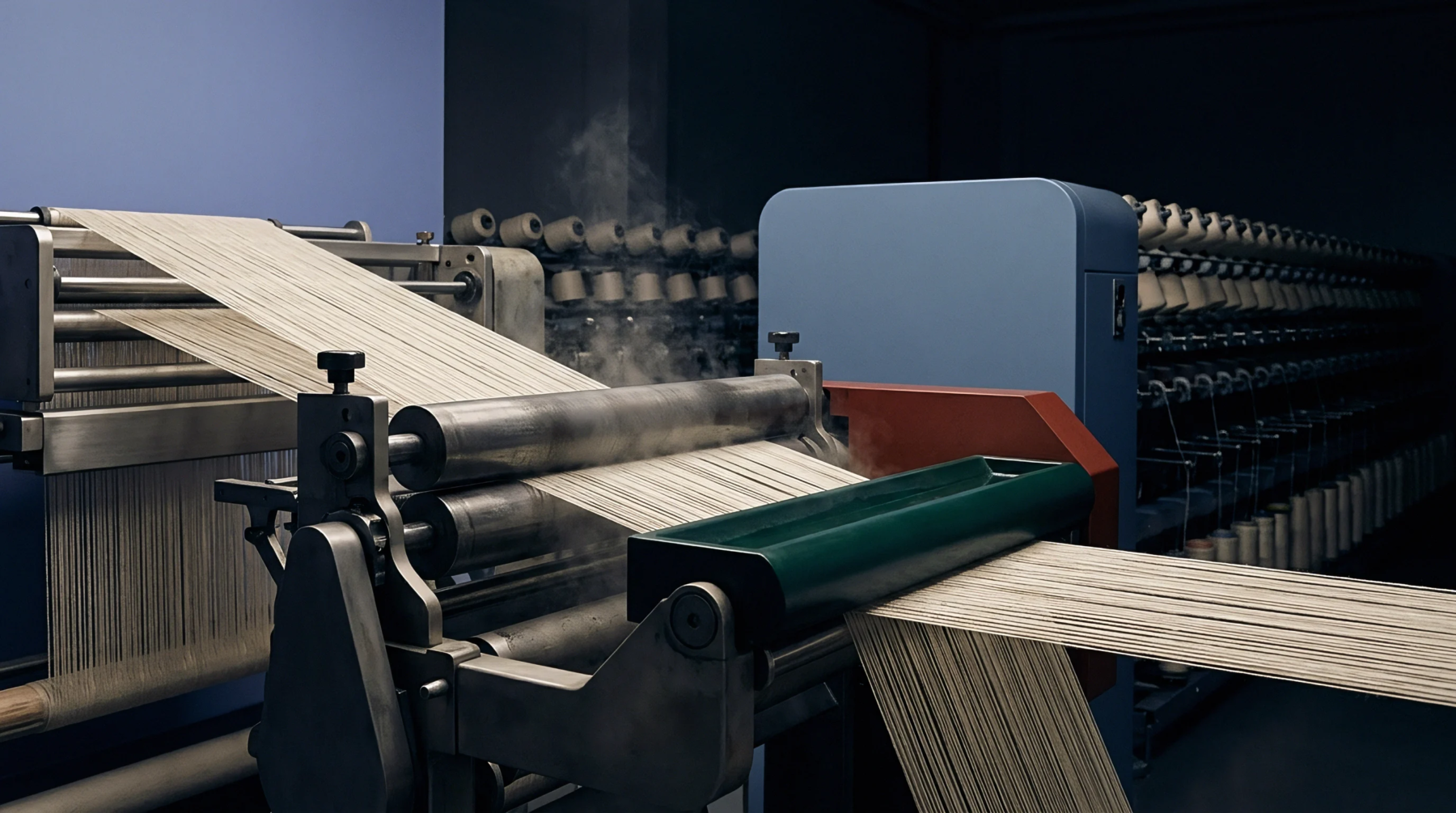
Warp Tension Dynamics in Air-Jet Linen Fabric Weaving
Active whip roll damping combined with lower shed crossover prevents bast yarn rupture while maintaining insertion speed on air-jet looms.
Active whip roll damping combined with lower shed crossover prevents bast yarn rupture while maintaining insertion speed on air-jet looms.
Rebalance linen crimp by lowering the backrest 25mm, delaying shed crossing to 325 degrees, and running segmented temples to suppress structural deformation.
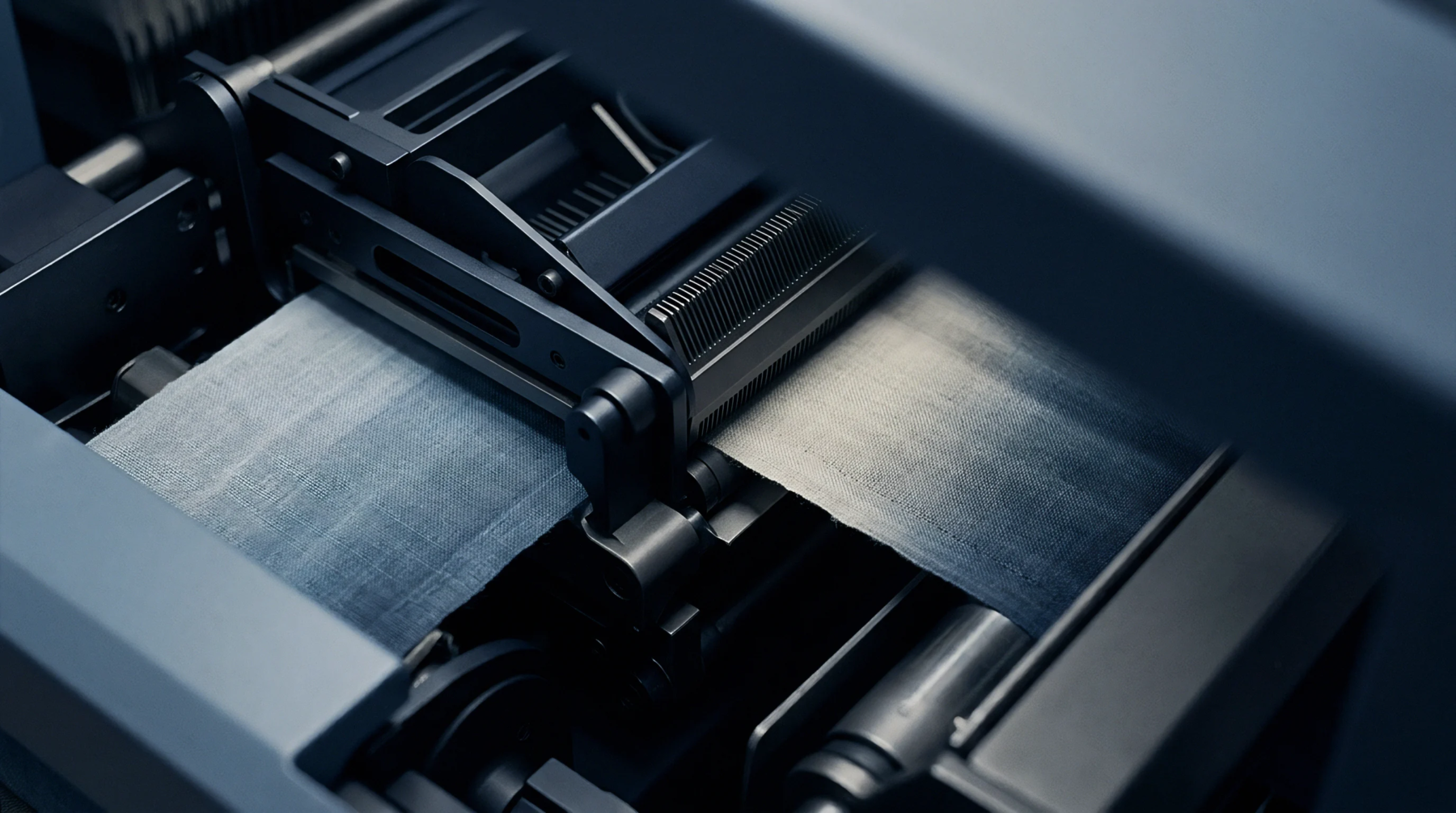
Optimizing size film elasticity and asymmetric shed geometry on rapier loom conversions cuts warp stops below 0.5 per hour and lowers total metre cost.

Discrepancies resolve by synchronizing encoder positions, normalizing tension relaxation shrinkage, and weighting telemetry clusters against ASTM D5430 point bands.

Calibrating optical sensor demerits against loom stop telemetry eliminates false slub penalties by verifying mechanical fault codes against visual defects.
Automated fabric point calculations depend on spatial quantization accuracy, defect clustering logic, and width-normalized scoring to mirror ASTM D5430 standards.

Residual pectin above 3 percent prevents fiber bundle flattening, inducing premature mechanical yarn jamming that cuts rapier loom efficiency by 19 percent.
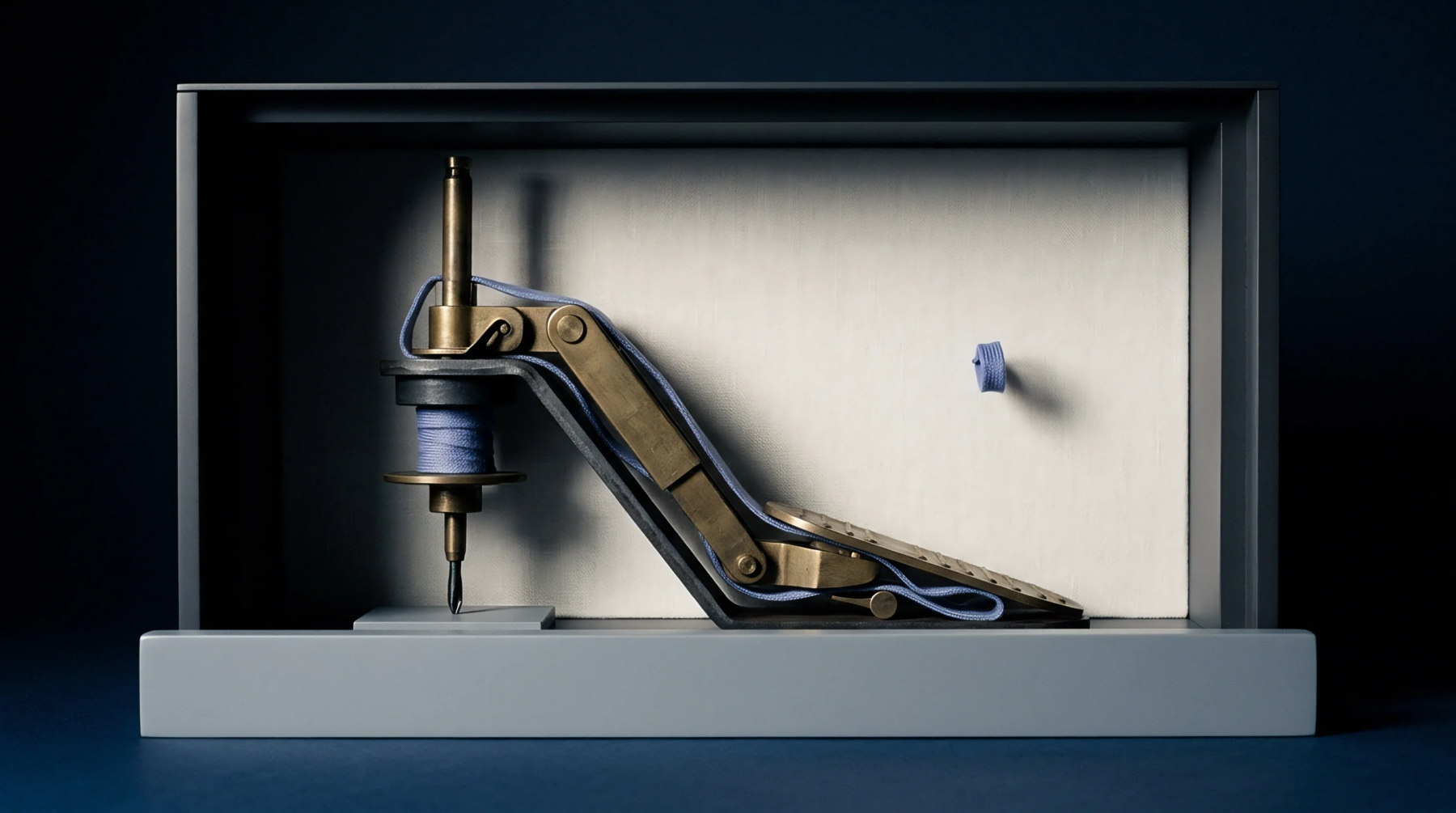
Viscoelastic tension relaxation in sized bast warps creates fell line migration and set marks unless controlled by active electronic let-off compensation.
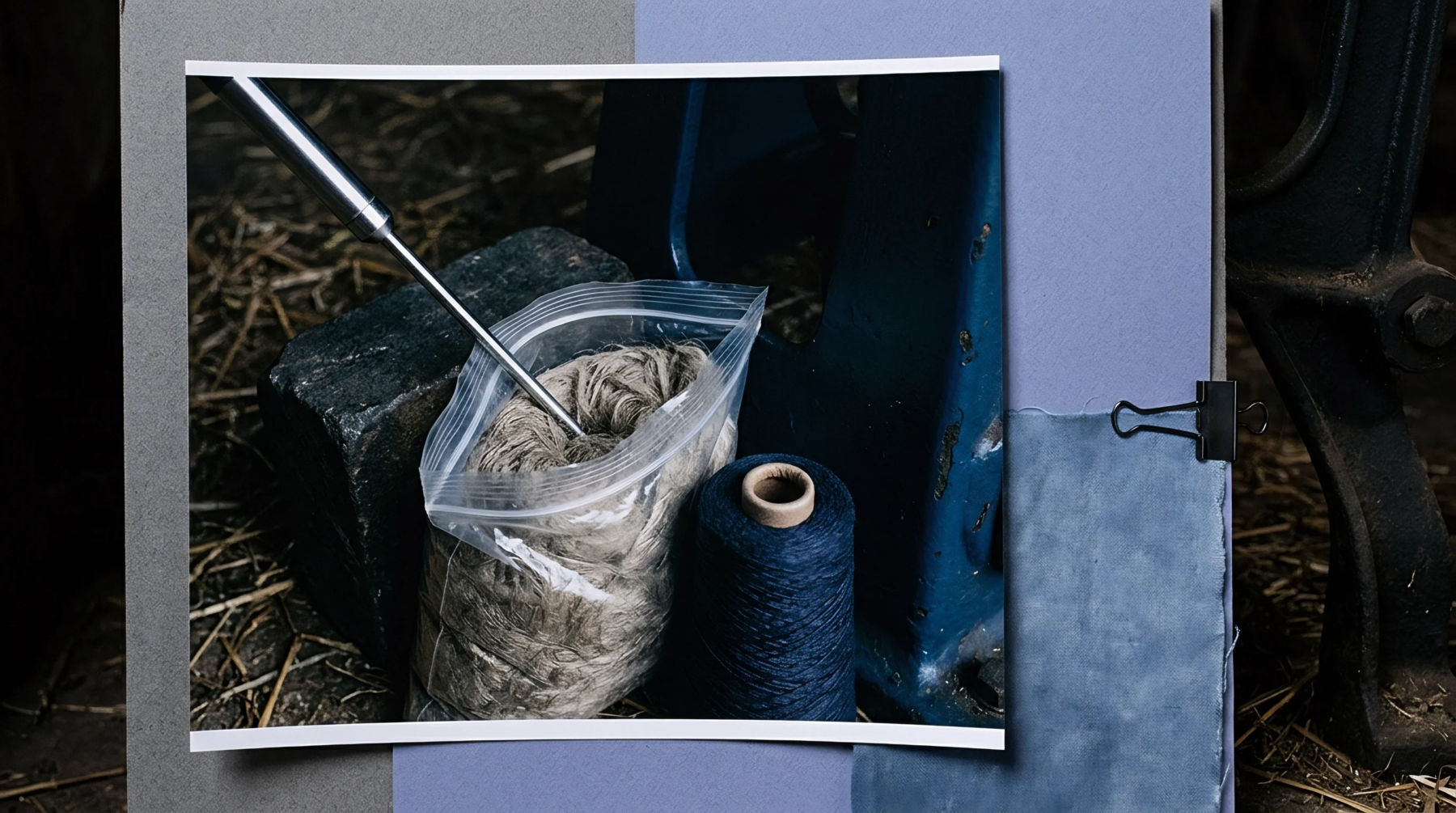
Moisture plasticizes the amorphous pectin matrix in bast bundles, lowering yarn flexural rigidity while elevating cyclic bending energy dissipation.

Optimal hydromechanical control of ultra-dense flax warps relies on balancing pectin plasticization against radial swelling to minimize shear locking.

Dense flax yarn stress decay stems from matrix shear along cellulose microfibrils, requiring active let-off compensation to prevent restart density defects.
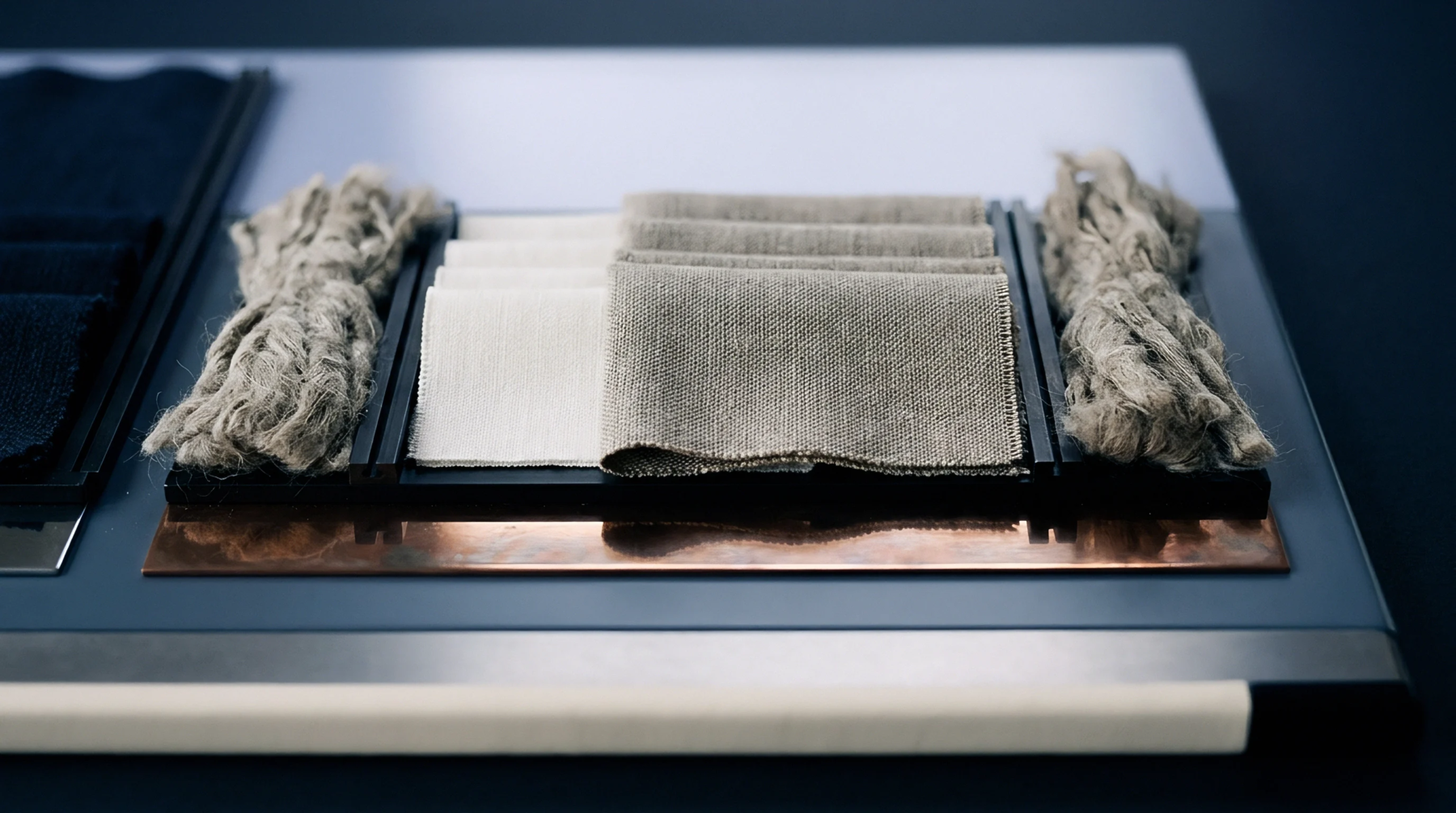
Dynamic localized psychrometric control sustains viscoelastic sizing compliance on bast warps, preventing film fracture and lifting loom speeds past 500 PPM.

Distinguish splice rupture from size film failure by inspecting fiber tail slip length versus parent yarn twist retention under optical magnification.
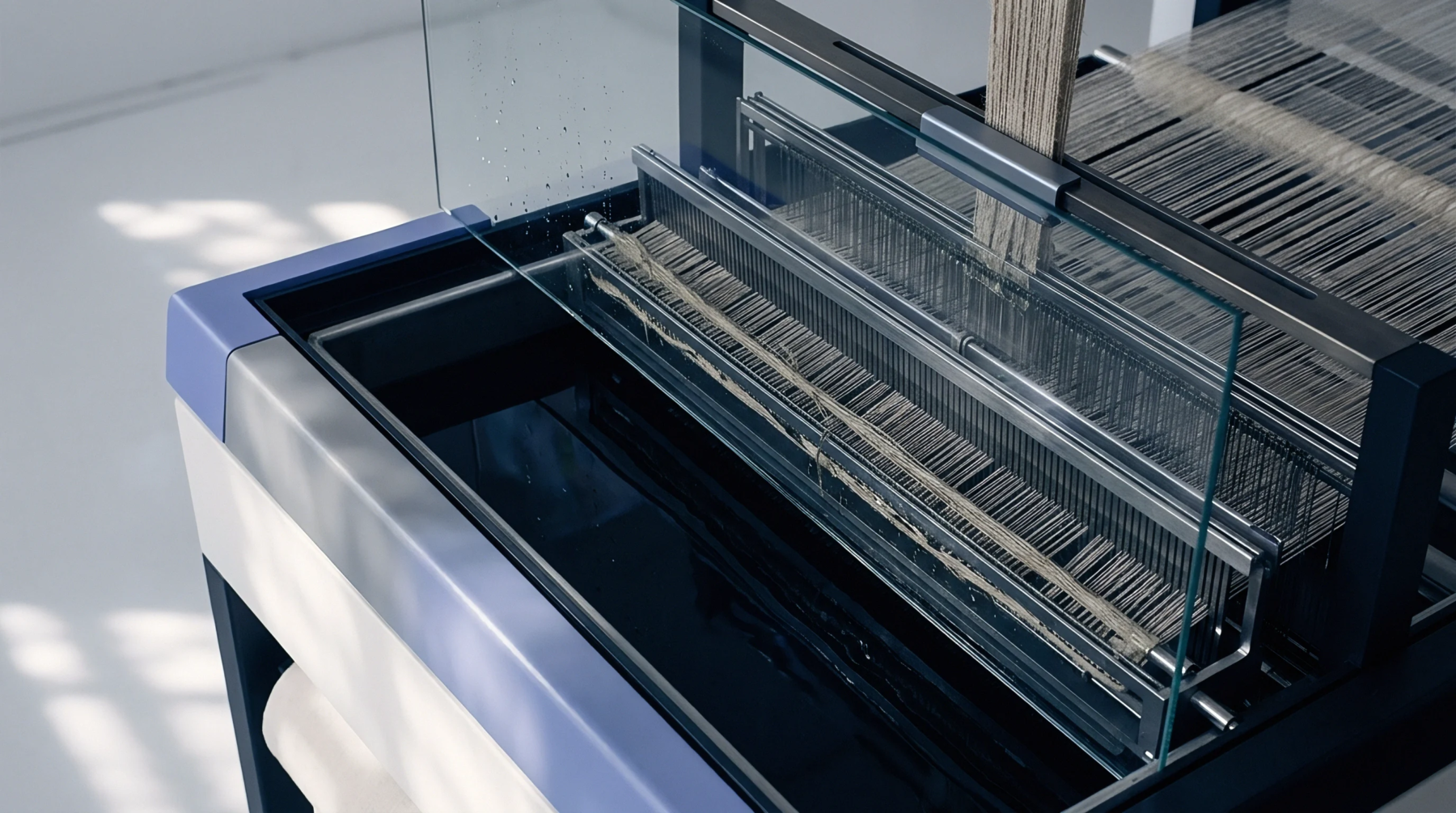
Optimize high-density linen warping via low-drag ceramic creels, 7-degree drum cones, 10% PVA-starch add-on, and 8-tier splitting to keep loom stops below 1.5.
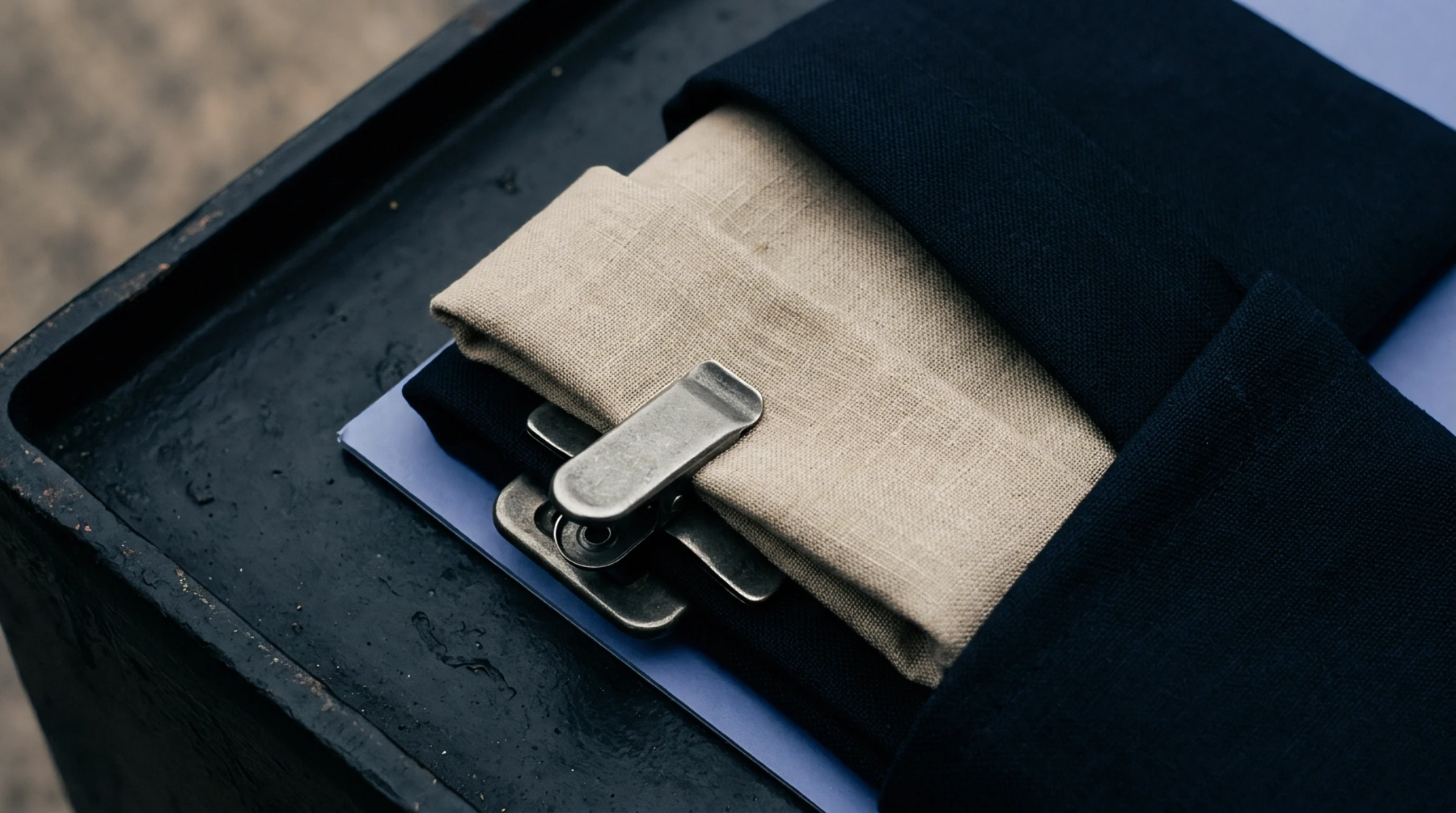
Optimal fine bast yarn sizing requires balancing PVA and CMC polymers to achieve eleven percent dry add-on without causing warp brittleness.
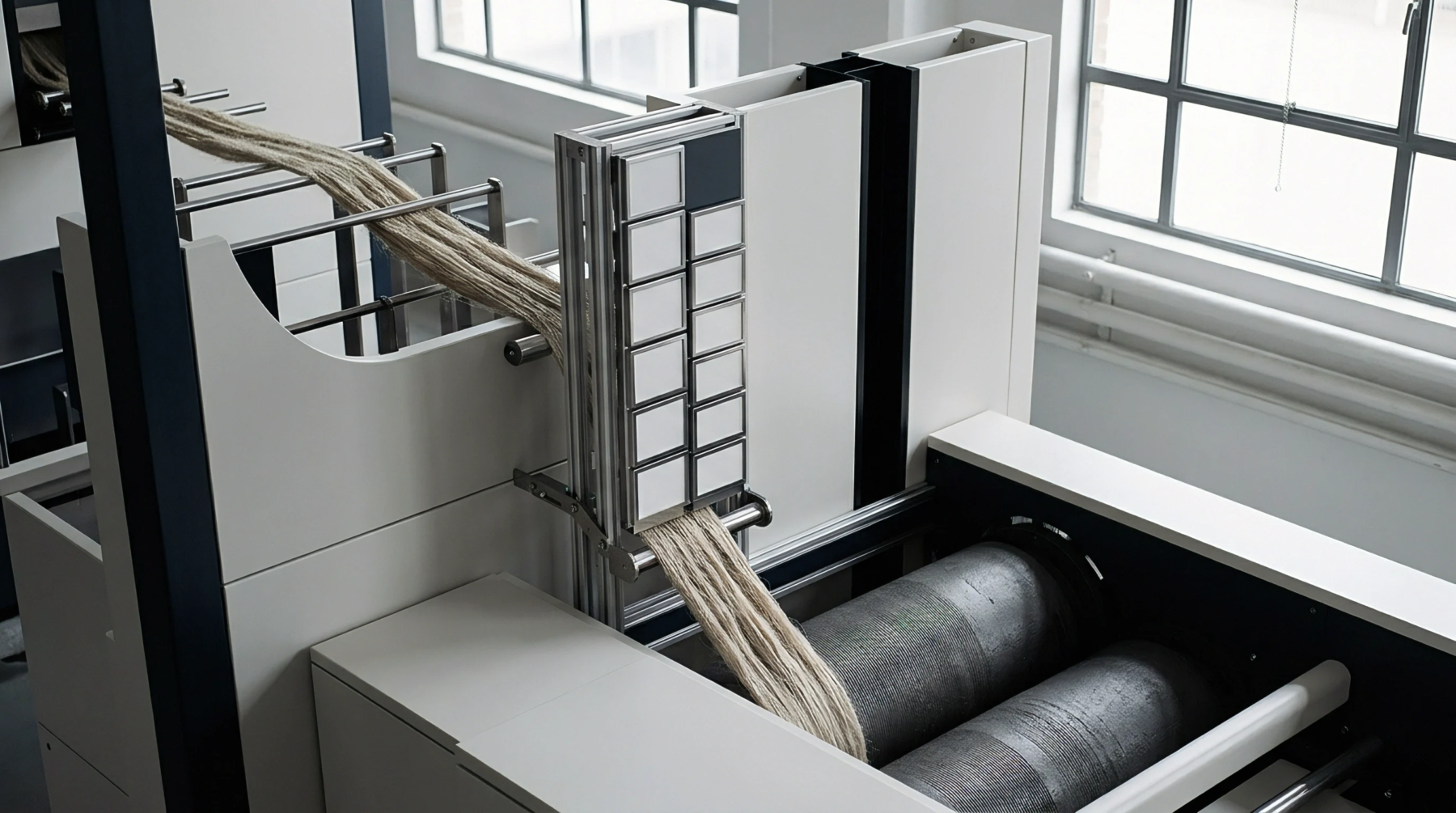
Adjusting weaver loom allocations based on high-density flax warp end-break rates maximizes loom-hour output and prevents stop-mark quality losses.

Ultrafine wet spun linen warps demand low-viscosity modified starches with acrylic binders at eight to ten percent size add-on and strict tension limits below one percent.
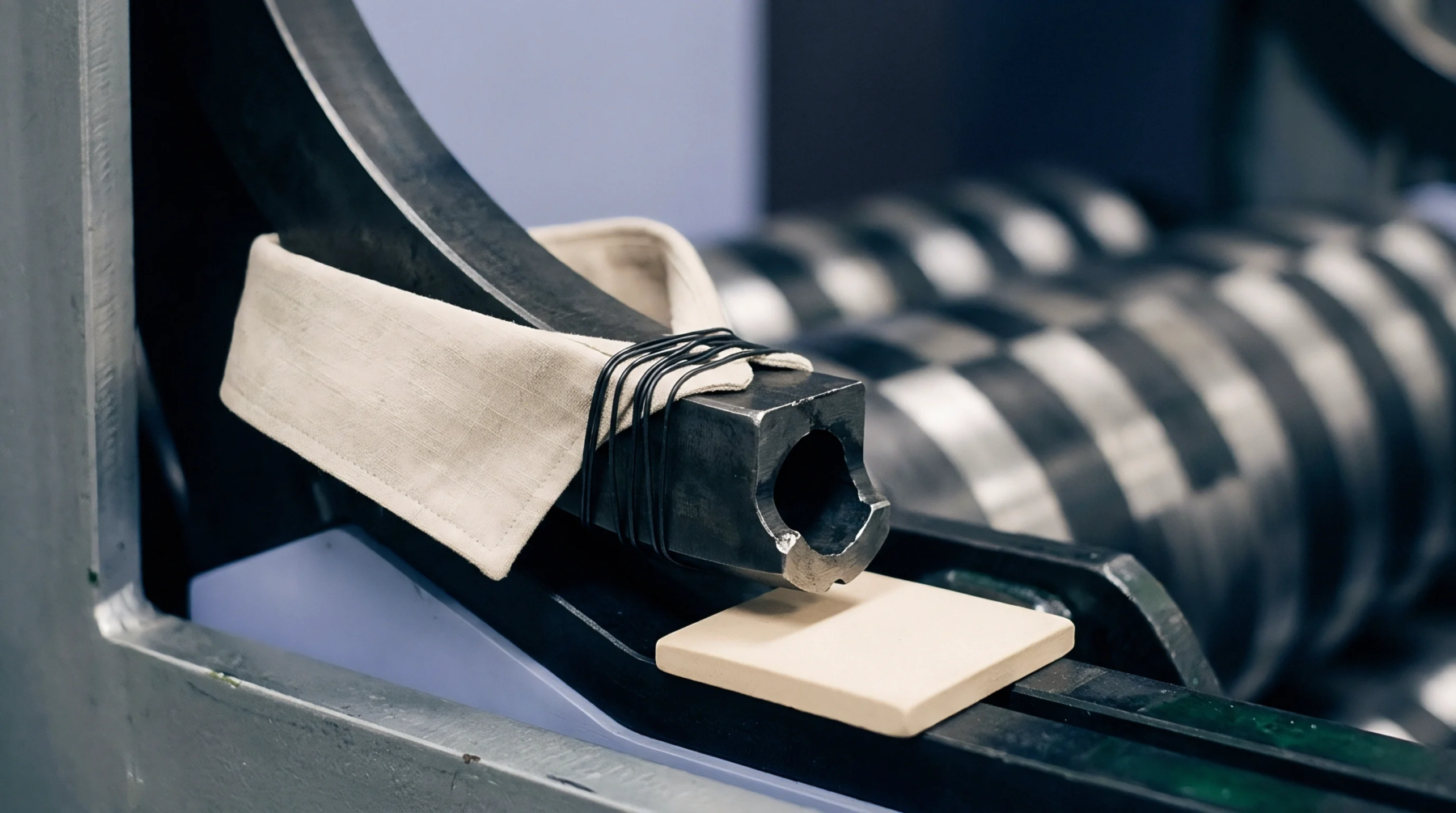
Air jet weaving of fine linen requires active back rest dampening and controlled sizing to hold dynamic tension peaks below yarn elastic limits.

Dynamic ease-off spring tuning mitigates peak tension spikes in low-elasticity linen warps, preventing yarn failure and optimizing loom efficiency.
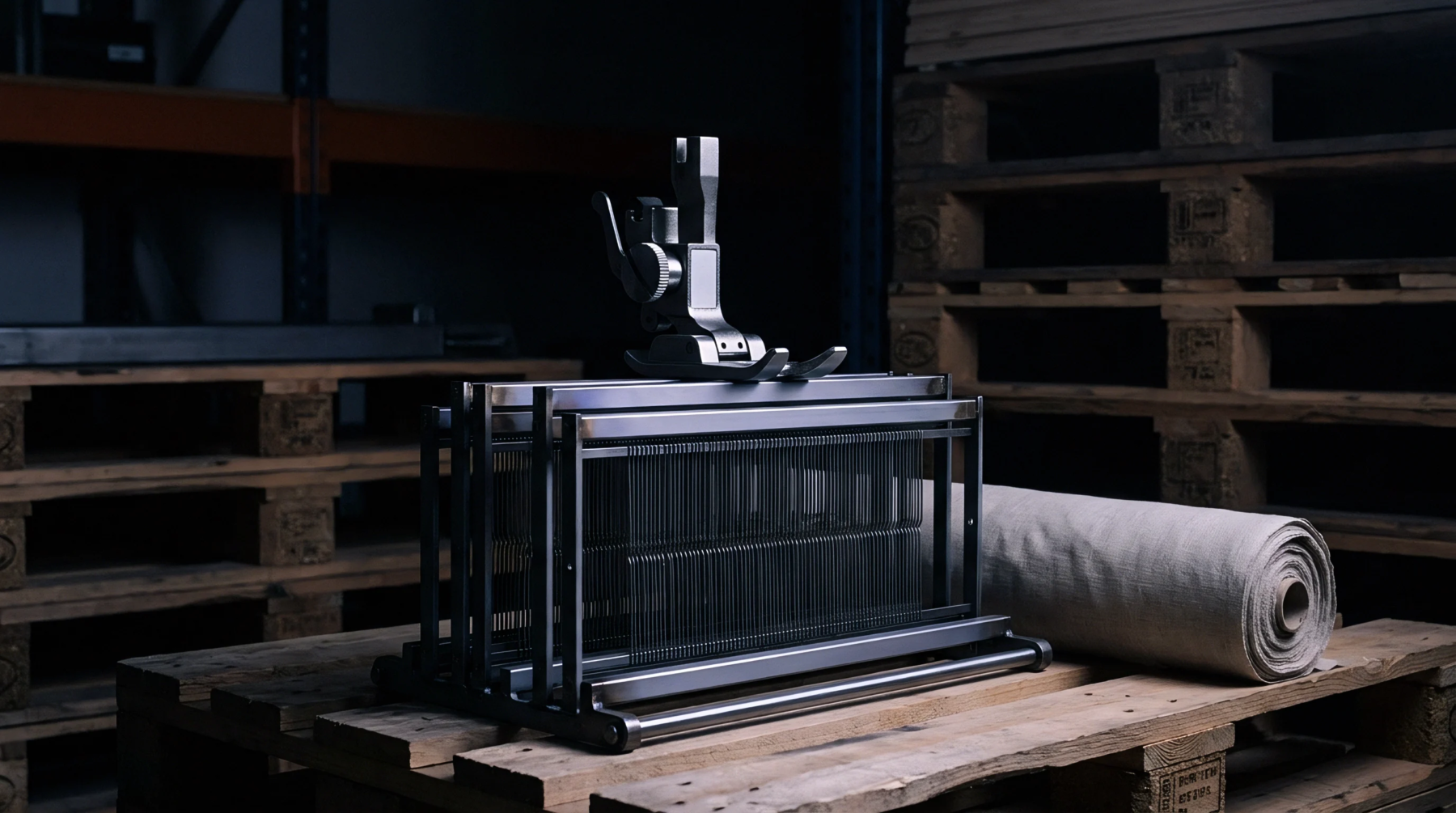
Optimize high density linen weaving by expanding harness leaves to minimize heald crowding and selecting reed counts that preserve open air space above forty percent.
Expertise is a utility, not a secret. sentiention™ publishes its working knowledge as open reference: intelligence layer covering the materials it sources, the markets it enters, and the reference that serves both.