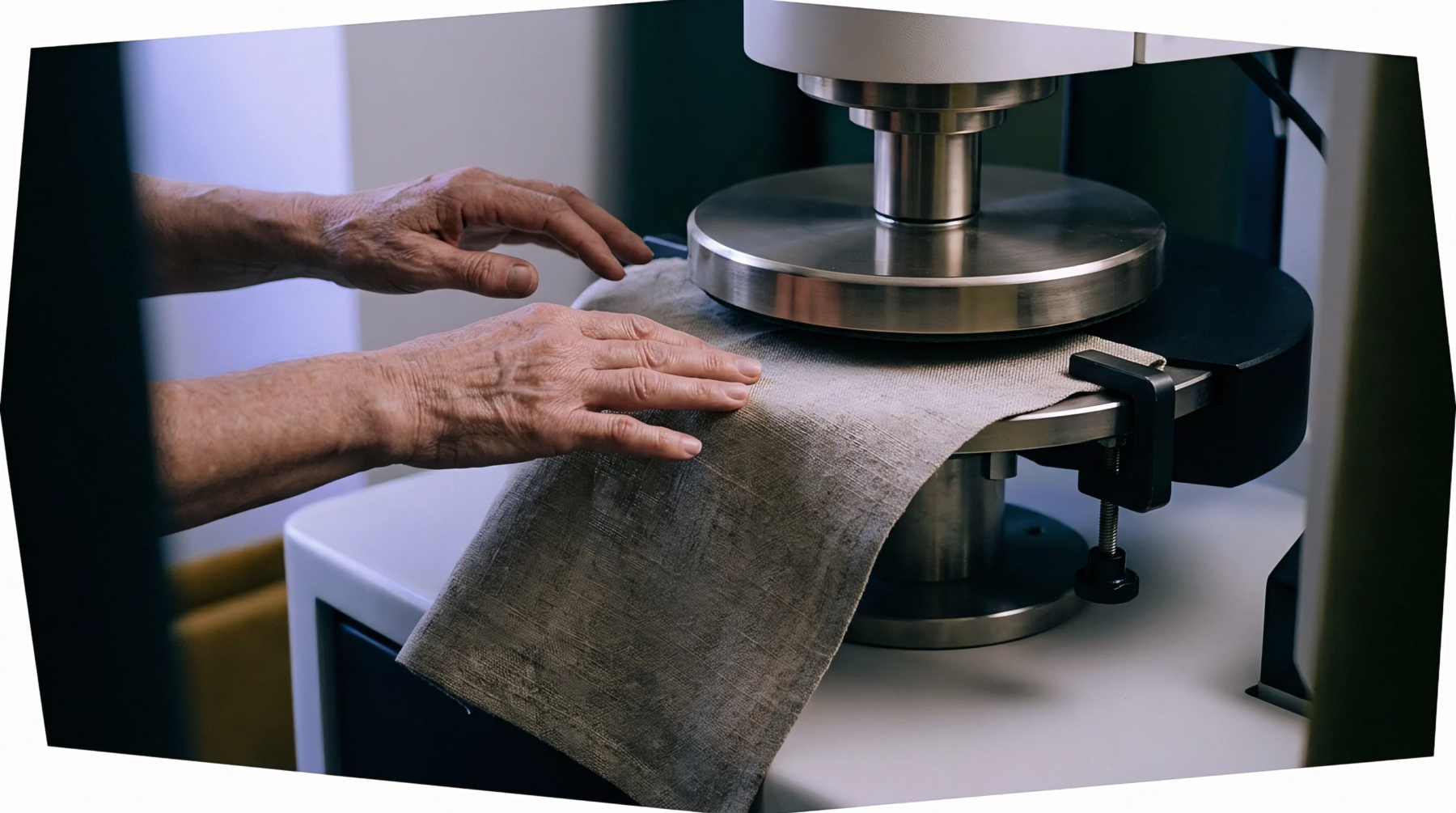
Establishing Physical Verification Criteria for Linen Greige Substrate Authenticity
Authenticating greige linen requires verifying polygonal bast morphology, S-twist dry rotation, and shive lignin against physical mill balance records.
Authenticating greige linen requires verifying polygonal bast morphology, S-twist dry rotation, and shive lignin against physical mill balance records.

European Flax scope requirements enforce strict farm-to-scutcher physical custody, requiring valid transaction certificates and audited mass balance yields.

Standardizing raw flax container intake moisture regain requires core boring oven drying to adjust physical weighbridge scale tonnage to invoice allowances.

Commission scutching mass balances require dry-weight intake logging, strict physical line purges, and automated shive-to-fibre reconciliation to ensure integrity.

Scutcher turbine calibration balances blade clearance and tip speed to strip woody shive while preserving bast bundle tenacity and long line yields.

Wet spun flax tenacity peaks in medium counts where drafting trough pectin removal balances inter-fibre alignment with frictional twist cohesion.

Settle scutched flax invoices on oven-dry mass plus twelve percent legal regain to eliminate ocean transit desiccation deductions at receiving mills.

Scutcher weighbridge tickets determine raw transit mass, while ISO 6741 oven-dry tests apply 12.0% commercial regain to fix true invoiced linen fibre weight.
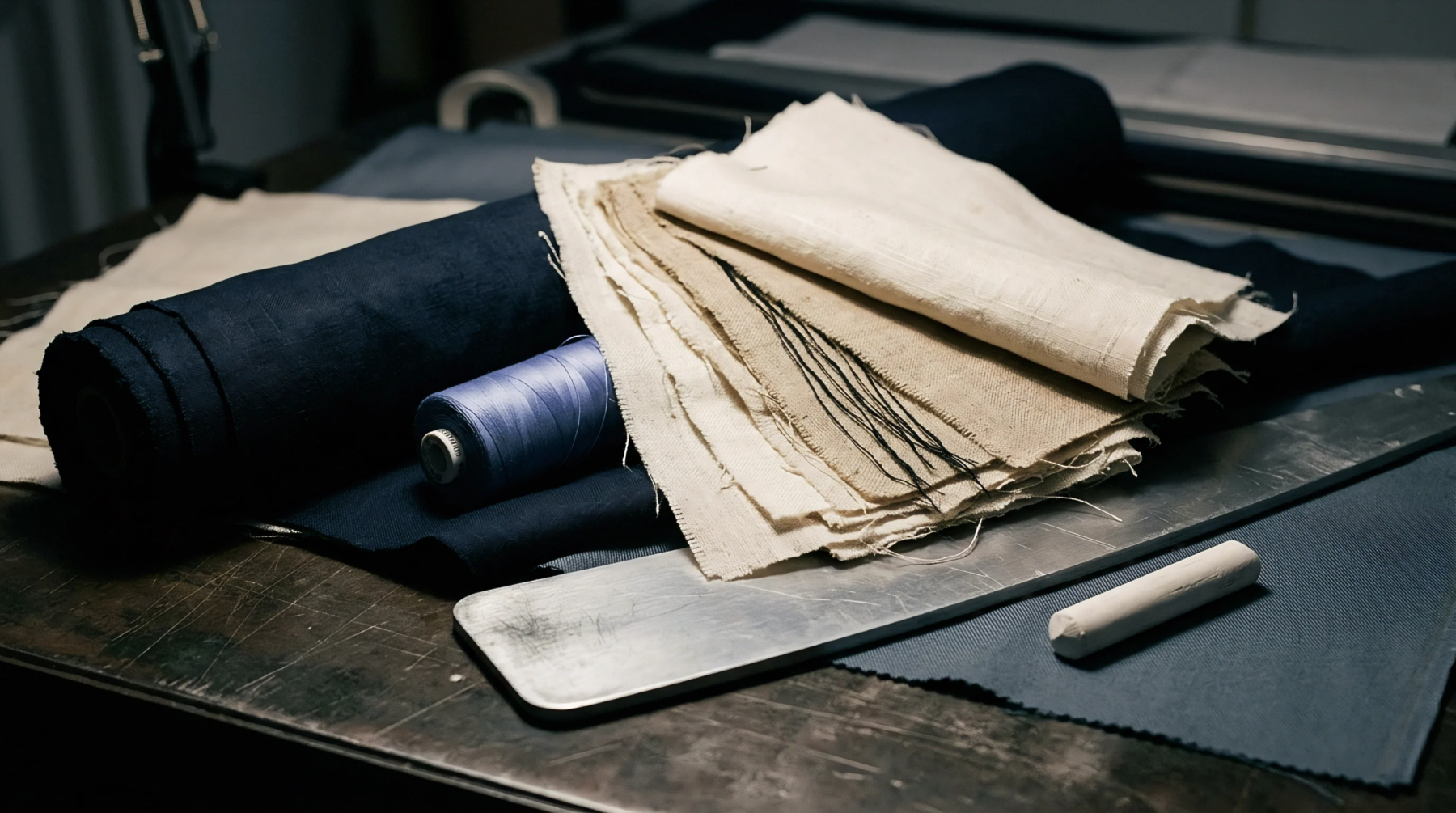
DNA extraction limits in bleached and dyed flax fall below detection thresholds, shifting provenance proof entirely to transaction documents.

Scouring removes 11 to 13 percent dry flax mass, creating yield deficits that Chinese mills mask through uncertified fiber blending or commercial moisture inflation.
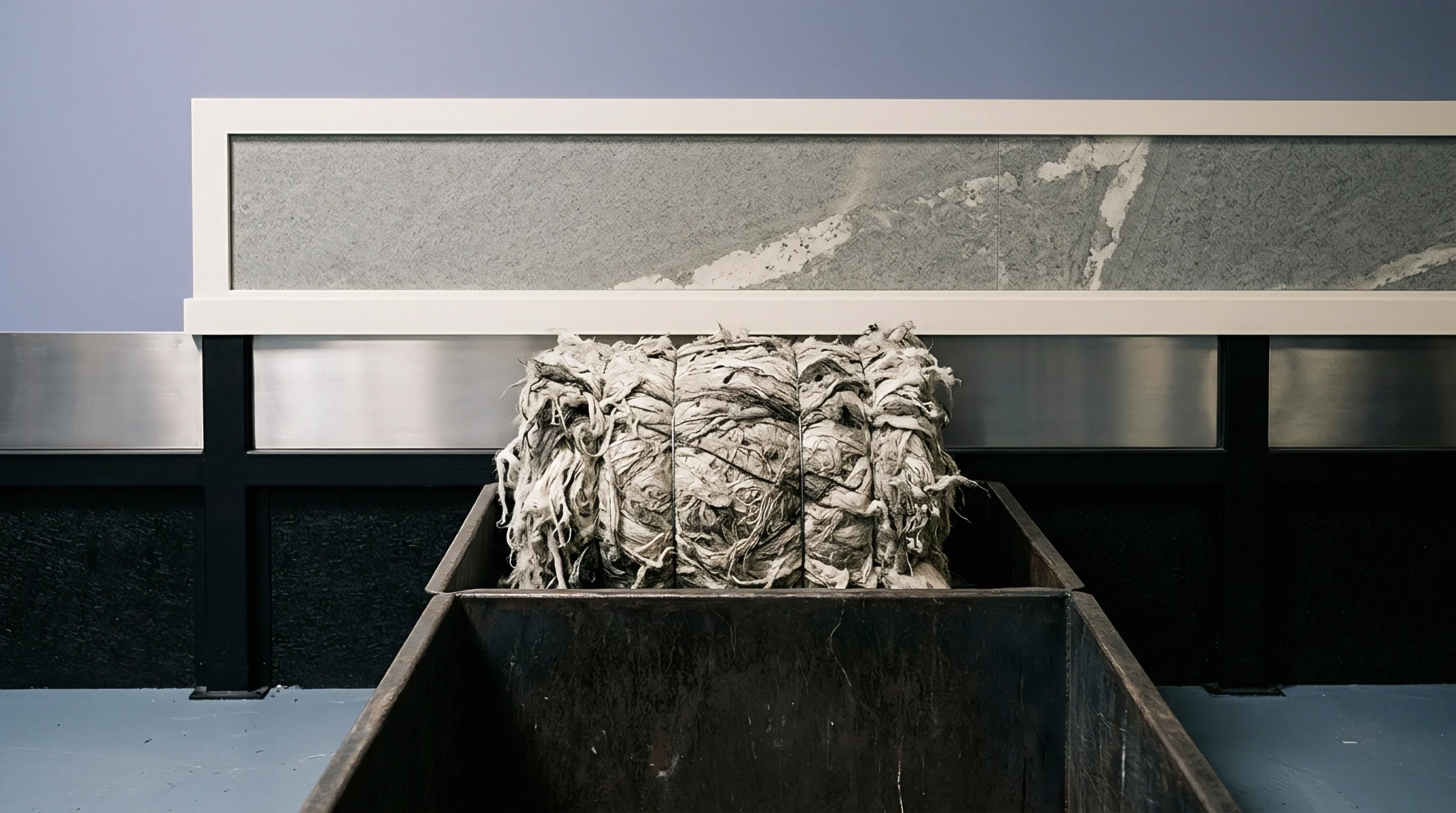
Auditing linen spinning sheds requires thermal desiccation testing at 105 degrees Celsius to reconcile commercial regain and eliminate invoice water inflation.

Reconciling linen provenance requires separating statutory origin by loom transformation from fibre biomass claims verified through audited mass balance ledgers.

Verify European Flax transaction certificates by reconciling intake bale tag numbers and certified net weights against spinning yields and hackling waste tallies.
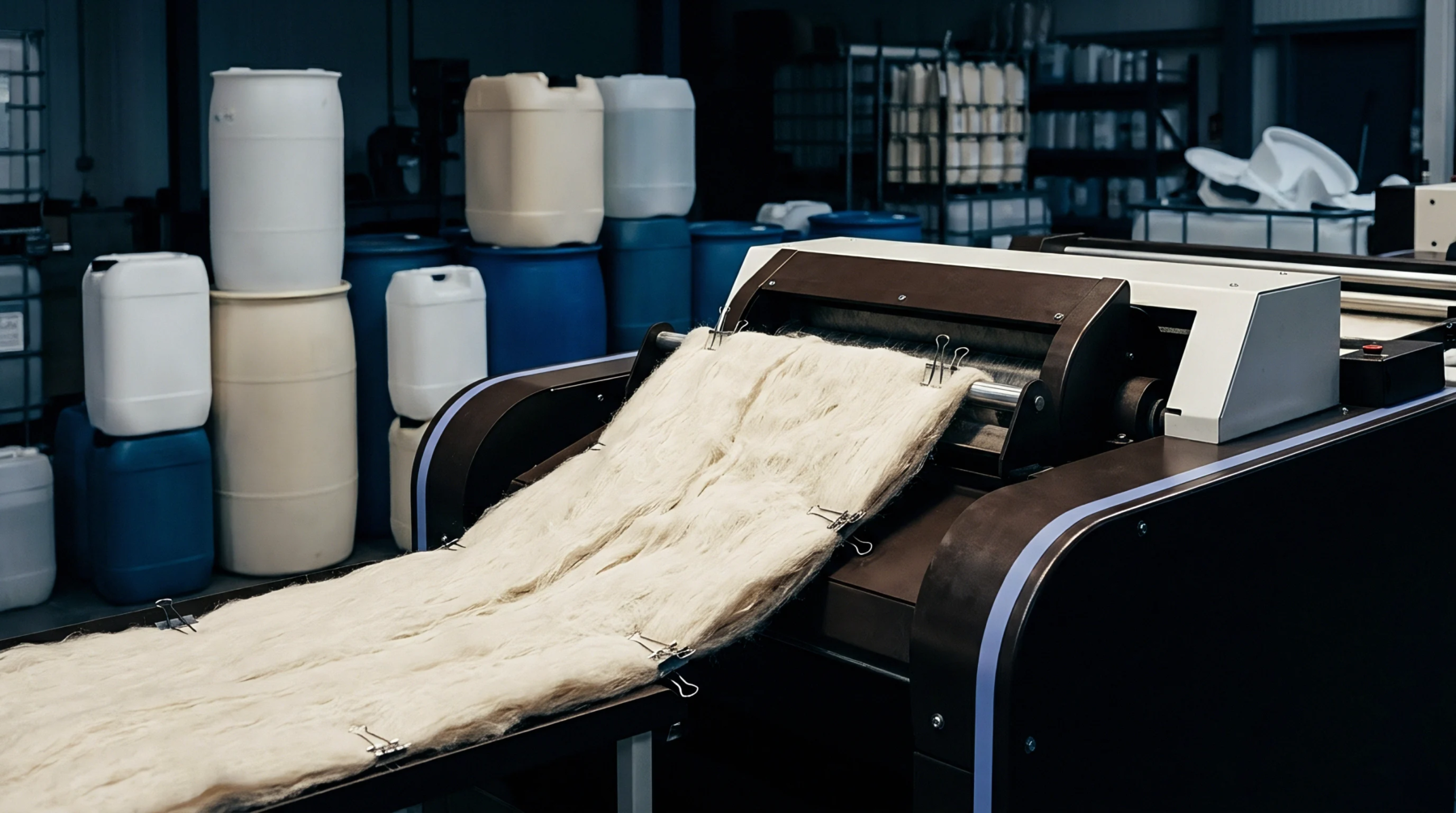
Cross-border flax fiber traceability relies on matching scope certificates, transaction dockets, and mill mass balance logs to pass origin audits.

Cross-border flax contracts fail when paperwork substitutes for physical segregation; buyers manage exposure by mandating batch transaction certificates.

Verifying farm-level lot segregation during dew retting links cadastral parcel boundaries to mechanically steered swaths, physical buffers, and baler telemetry.

Isotopic testing of bast fibers provides strong origin verification but requires chemical purification to eliminate retting and finishing noise.

Physical segregation requires verified transaction certificates, moisture-adjusted mass reconciliation, secure cordons, and core sampling before warehouse release.

Validate transaction certificates by reconciling net yarn weights, moisture regain, and issuing body databases against Chinese mill customs import records.

Verifying linen origin demands matching yarn intake lot weights directly to loom pick counters and stamped roll production tallies on the factory floor.
Substantial transformation of woven linen requires domestic weaving, leaving importers fully liable for duties and penalties on wet-finished transshipped fabrics.

Verifying European Flax transaction certificates requires cross checking scope validity dates net invoice weights and multi stage mill conversion rates

Scope certificates verify mill capability while transaction certificates prove physical batch origin across every stage of linen transformation.

Reconciling wet spun linen transaction certificates relies on matching fiber intake scope certificates against spindle yield logs, bath waste records, and yarn sales dockets.

Scope certificate verification requires matching facility address scopes with batch-level transaction certificates and mass-balance yield audits.

Core sampling and forced-air oven drying at 105°C establish true dry flax mass for calculating official 12% commercial regain invoice settlements.

Standard moisture regain baseline calculations convert gross delivered flax mass to 12% commercial invoice mass via certified laboratory oven dry testing.
Audit scutched flax mass using ISO 6741 gravimetric drying to enforce the 12% standard regain adjustment and verify lot tags against scheme scope certificates.

European Flax yarn import verification requires matched scope certificates, lot-tied transaction certificates, and audited mass-balance yield calculations.

Flax retting breaks down stalk pectin to separate spinnable fibers, requiring strict moisture control and scope-verified chain of custody to secure origin.
Expertise is a utility, not a secret. sentiention™ publishes its working knowledge as open reference: intelligence layer covering the materials it sources, the markets it enters, and the reference that serves both.