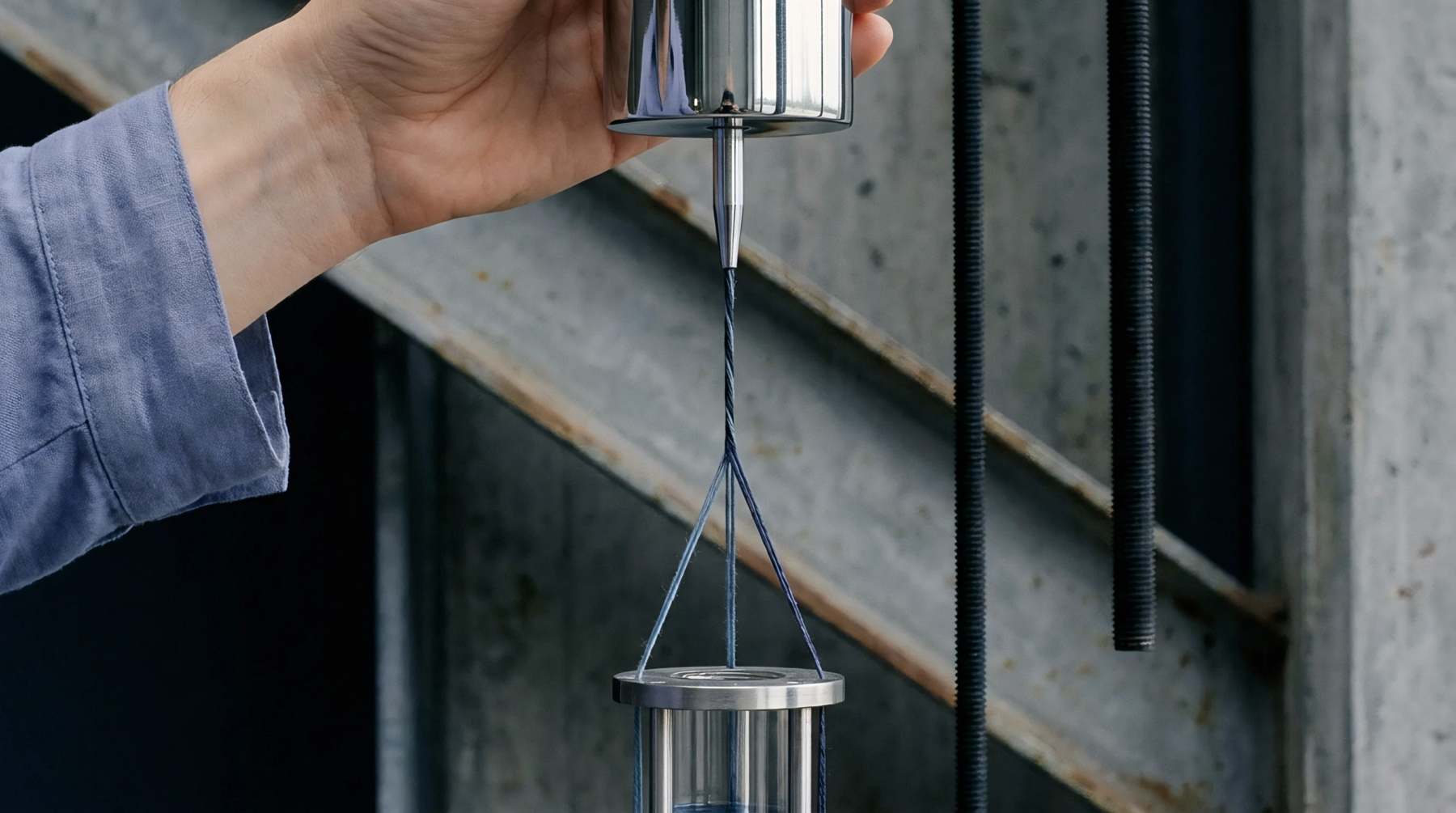
Viscous Dissipation
Energy loss during the cyclical deformation of flax fibre samples defines this physical property. The loss modulus characterizes the portion of energy converted into heat rather than stored within the molecular chains of the cellulose structure during mechanical testing. A dynamic mechanical analysis instrument provides the measurements for these values across specific temperature ranges and frequency settings.
This metric identifies the internal friction present within the material when subjected to oscillating strain.
Fibre Damping
The weaving stage requires detailed knowledge of how raw flax resists sudden tension shifts to prevent thread breakage on high speed looms. Mill managers record these values on the production technical specification sheet to differentiate between brittle harvest batches and those with acceptable elasticity. High loss modulus readings correlate with excessive heat buildup during the spinning process, which softens the natural waxes coating the exterior of the plant fibres and causes unwanted fiber degradation.
Inspectors assess the material performance against the buyer acceptance criteria to determine if a specific lot remains suitable for mechanical knitting or if the tension settings on the machinery demand adjustment to accommodate the dissipation rate.
Mechanical Performance
Efficient conversion of raw crop into finished cloth depends on the ability to quantify these dampening characteristics under standardized atmospheric conditions. Flax samples undergo periodic displacement while the temperature rises from ambient levels to those found inside a drying oven to observe shifts in material phase. A low ratio of this modulus to the storage component suggests a high degree of elastic recovery, which assists in maintaining the dimensional stability of the final textile.
Stable processing conditions demand accurate tracking of this frequency dependent variable to ensure the consistent structural integrity of the yarn through every stage of finishing.