Resolving Crimp Imbalance and Structural Deformation in High-Speed Automated Linen Weaving
Rebalance linen crimp by lowering the backrest 25mm, delaying shed crossing to 325 degrees, and running segmented temples to suppress structural deformation.
Rebalance linen crimp by lowering the backrest 25mm, delaying shed crossing to 325 degrees, and running segmented temples to suppress structural deformation.
High-density flax weaving contracts require Ashcroft queueing models to adjust loom-hour rates for non-linear machine interference losses.
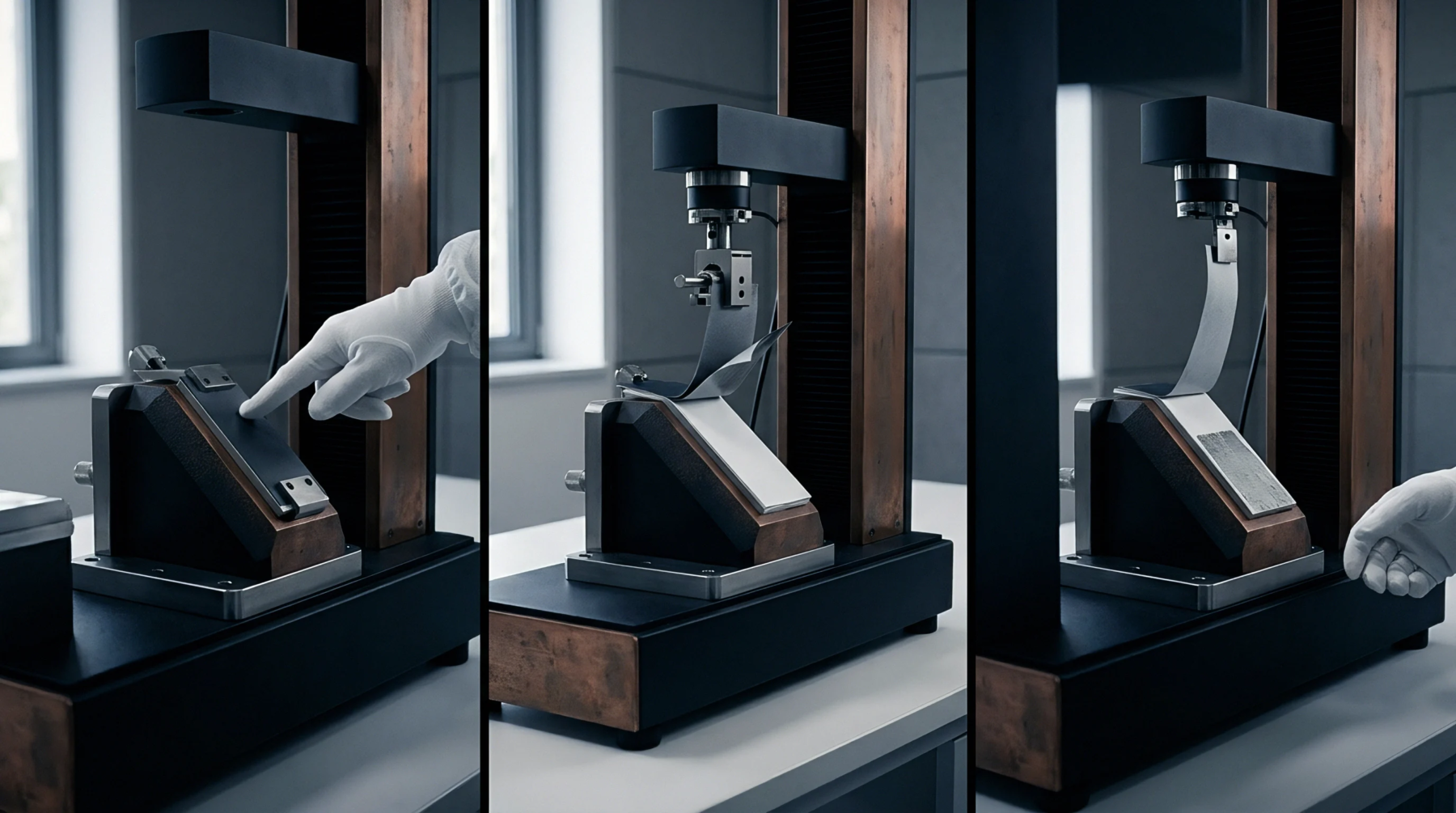
Single strand tensile performance in wet spun linen dictates loom stops, dynamic failure rates, and landed cloth cost through gauge-length sensitivity and tenacity CV.
Managing off-loom flax warp crimp contraction requires precise reed denting allowances, ELO tension tuning, and size solubility control to hit target grey widths.
Expertise is a utility, not a secret. sentiention™ publishes its working knowledge as open reference: intelligence layer covering the materials it sources, the markets it enters, and the reference that serves both.