Correction Mechanism
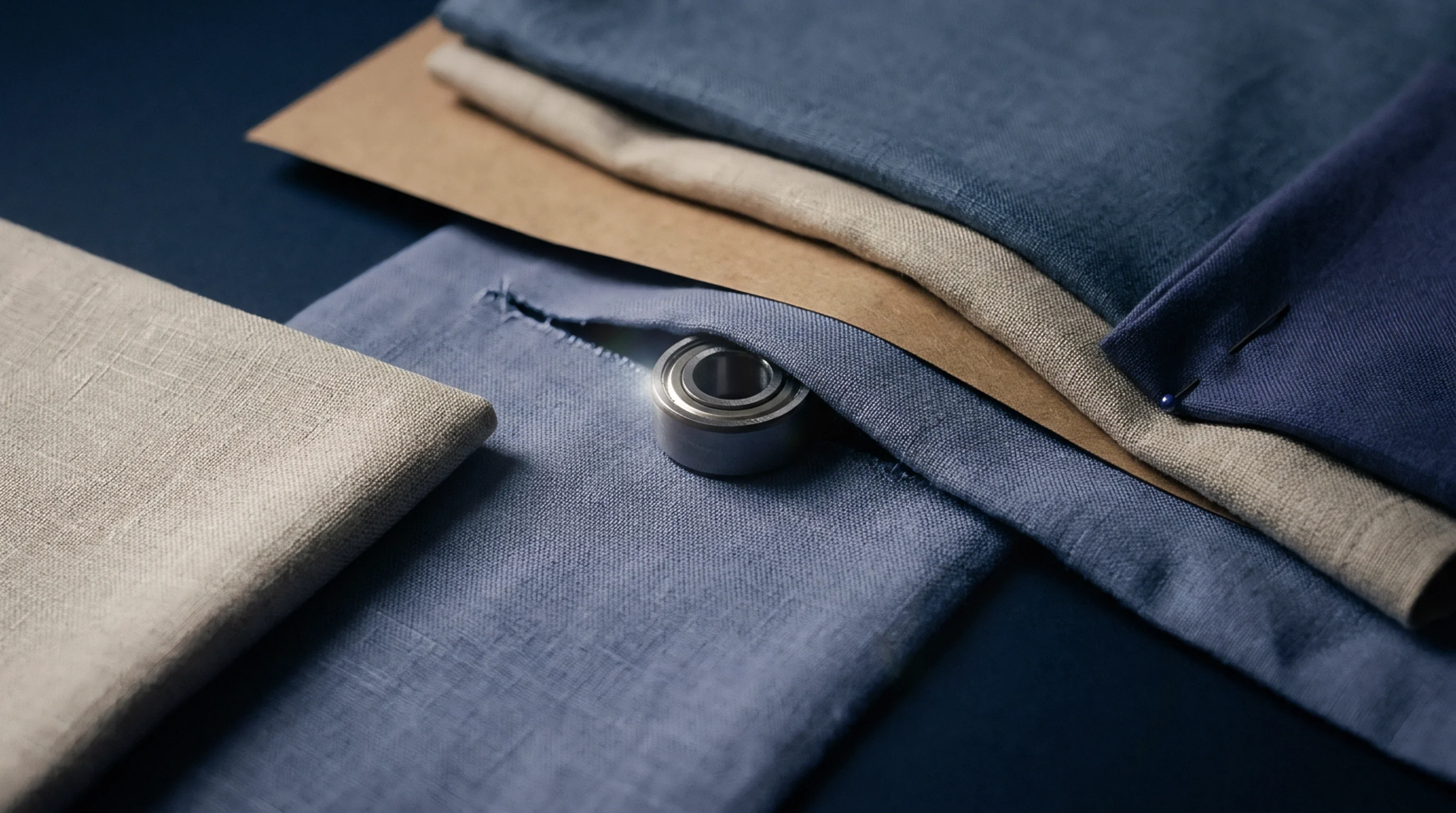
Selective removal of interlaced yarns allows a weaver to correct errors found in the longitudinal threads of a fabric during production. A warp strip-back occurs when a broken or misplaced warp end is detected and must be replaced to maintain the pattern integrity. The operator carefully unpicks the weft threads back to the point where the error began.
Manual intervention of this type is common in the production of high quality linen damasks.
Structural Impact
Removing the weft picks releases the tension on the warp, allowing the technician to thread a new end through the correct heald eye and reed dent. Once the repair is made, the loom is restarted and the weft is woven back into the existing structure. A visible line sometimes remains at the point of the restart, which may require specialized finishing to hide.
If the warp strip-back covers a large area, the physical properties of the fabric might be slightly altered due to the localized tension changes. Precision is required to ensure the grain of the fabric remains straight after the intervention.
Prevention Strategy
Automated stop motions on modern looms minimize the distance a weaver must strip back by halting the machine immediately upon yarn failure. Frequent needs for this repair indicate poor yarn quality or incorrect loom settings. Reducing the occurrence of these defects is essential for maintaining high efficiency and low waste levels in the weaving shed.
Experienced weavers can perform the task quickly to minimize downtime.