Reconciling Raw Flax Inventory Ledgers during Mill Intake
Reconciling raw flax intake requires adjusting scale weights to 12% moisture regain, deducting tare, and matching bale tags to transaction certificates.

Tare

Gross Intake Variances on Baled Scutched Flax
Inbound container deliveries of long flax line arrive wrapped in polypropylene sheet or multi-ply kraft paper, bound by galvanized steel wire. Weighbridge dockets at mill receiving bays establish the gross mass of the container before destuffing begins, but receiving clerks frequently discover discrepancies once individual pressed units are offloaded. Bales declared at an average nominal gross weight of 200 kilograms routinely deviate between 188 kilograms and 214 kilograms across a single 20-metric-ton container shipment.
The shipping manifest records container payload as a uniform figure, derived by multiplying the declared nominal bale weight by the bale tally. Accounting systems booking inventory at the weighbridge stage without tare adjustments log fiber volumes that do not exist physically in the storage racks.
Packaging mass fluctuates with strapping specifications and moisture absorption in exterior wrapping materials during maritime transit. Standard industrial strapping configurations utilize six to eight loops of 2.5-millimeter high-tensile wire, adding approximately 1.2 to 1.6 kilograms per bale. Polypropylene woven wraps contribute an additional 400 to 700 grams per unit.
Wet-weather container handling increases packaging tare by introducing water weight into exterior burlap or corrugated protective jackets. Stripping packaging material from five test units per incoming lot produces an empirical tare factor. Subtracting this empirical average from incoming gross scale weights yields the operational gross fiber mass, preventing non-fiber packaging expense from settling onto the company ledger as raw flax valuation.
A weighbridge ticket records dead metal and packaging mass alongside raw fiber.
Container floor debris introduces another layer of inventory distortion. Handling fiber bales with industrial clamp trucks tears external coverings, depositing loose shive, dust, and fiber strands across container flooring. Receivers weighing shipping containers out of the yard after stripping discover residual packaging debris averaging 35 to 80 kilograms per forty-foot dry box.
Registering the full bill-of-lading container net mass on the financial inventory ledger credits the processing plant with fiber stock left behind on maritime terminals or incinerated as packaging trash. A disciplined intake protocol applies tare deductions at the weighbridge terminal prior to committing entries into the enterprise resource planning database.
International standard sales contracts from the European Confederation of Flax and Hemp stipulate commercial tare allowances based on dry tare calculations. Mill intake clerks record the physical count of bindings, straps, and protective covers removed during initial unpacking trials. Contractual conditions establish whether tare disputes require joint surveyor verification within eight calendar days of customs release.

Moisture

Commercial Regain Adjustments to Delivered Invoiced Mass
Flax is a hygroscopic bast fiber possessing a high moisture affinity due to internal cell-wall polysaccharides and amorphous cellulose domains. The standard commercial regain value for flax fiber stands at 12.00 percent according to the International Institute for Cotton and the European Confederation of Flax and Hemp guidelines. Fiber baled in Normandy or Flanders during damp autumn conditions leaves European scutching plants at moisture contents ranging from 13.5 percent to 16.0 percent.
Fiber held in heated Chinese spinning mill warehouses drops below 9.5 percent within forty-eight hours of destuffing. Buying raw mass across shifting ambient environments without adjusting scale readings to commercial regain distorts the true fiber mass purchased.
Core-sampling using electronic resistance meters or gravimetric oven-drying methods determines absolute moisture content across delivery batches. Operators drive pin-electrode probes at least 150 millimeters into pressed bale cores, sampling ten bales across every ten-ton lot increment. Oven testing provides decisive arbitration under ASTM D1576 or ISO 6741 procedures, heating sampled fiber tufts to 105 degrees Celsius until mass stabilization confirms absolute dry fiber mass.
Applying the commercial allowance factor of 1.12 to the dry weight yields the commercially correct invoice weight. When scutchers deliver shipments above 12.00 percent moisture, the mill pays fiber prices for excess water unless ledgers compute the adjusted commercial weight systematically.
| Lot Designation | Intake Scale Mass (kg) | Tested Core Moisture (%) | Dry Fiber Mass (kg) | Commercial Weight at 12% Regain (kg) | Ledger Adjustment Mass (kg) |
|---|---|---|---|---|---|
| Lot A-Normandy Long Line | 20,000 | 14.80 | 17,040 | 19,085 | -915 |
| Lot B-Flanders Long Line | 20,000 | 13.20 | 17,360 | 19,443 | -557 |
| Lot C-Seine-Maritime Tow | 20,000 | 12.00 | 17,600 | 19,712 | -288 |
| Lot D-Winter Scutched Line | 20,000 | 10.10 | 17,980 | 20,138 | +138 |
Ledger entries require segregation into distinct accounting fields: delivered gross weight, net scale weight, oven-dry fiber base, and standard commercial regain weight. When financial records book stock purely from net scale mass, spinning preparation yields appear to fluctuate erratically between production seasons. Winter-scutched fiber running 14.5 percent moisture produces apparent carding losses exceeding eighteen percent.
Drier summer-shipped fiber processed through identical hackling systems demonstrates artificial yields near eighty-six percent. Standardizing all incoming batch balances to twelve percent regain stabilizes spinning yield figures across processing lines.
Disputes regarding moisture discrepancies require strict adherence to international standard atmospheric sampling rules. International trade arbitration bodies demand that moisture core extractions occur within seventy-two hours of ocean container unstuffing at the destination warehouse. Leaving opened containers exposed to monsoonal warehouse air invalidates vendor debits, passing fiber shrinkage losses directly to the spinning floor ledger.
The financial impact of uncorrected moisture intake accumulates across shipping cycles. A spinning mill processing 3,000 metric tons of imported flax annually at four euros per kilogram absorbs substantial losses if average incoming moisture sits at 13.8 percent instead of the contractual 12.0 percent standard. Unadjusted intake accounting books fifty-four metric tons of pure water as raw inventory, evaporating 216,000 euros directly into plant ambient air before mechanical carding starts.


Provenance

Reconciling Batch Certificates against Incoming Physical Bales
Fiber credentials depend upon matching paper claims against physical inventory markers. Premium European Flax certificates guarantee Western European origin, specifically covering scutching facilities across France, Belgium, and the Netherlands. Certification bodies issue Transaction Certificates covering designated lot quantities transferred between licensed trading entities.
Discrepancies appear when mill warehouse teams discover incoming physical bales bearing tag markers detached from the paperwork package. Scutcher bale tags attached with steel ties identify bale serial sequences, harvest year, scutching plant registration, and grower lot codes. Intake teams compare each bale label against the packing list and scope certificate schedules before releasing units into the general warehouse.
Chinese spinning facilities frequently operate segregated production streams, dividing certified European Flax processing lines from non-certified domestic or Central Asian flax stock. Mixing uncertified long line fiber into certified blending lines compromises the chain of custody under international audit rules. The European Flax certification standard enforces strict mass-segregation rules throughout mechanical processing stages.
Auditing bodies examine inventory intake registers, demanding cross-referencing between supplier invoice numbers, customs declarations, container seal records, and internal warehouse bin cards. Physical bale tags must survive the opening line, collected and filed in lot dossiers alongside consumption logs.
Chain-of-custody validity collapses when warehouse staff discard bale tags before bin log reconciliation.
Importers cross-reference the Harmonized System classification codes on customs clearance documentation against mill inventory ledgers. Raw scutched flax falls under HS code 5301.21 for long line flax, while scutched tow registers under HS code 5301.29. European customs authorities scrutinize declarations claiming preferential tariffs or certification premiums against registered mill intake ledgers.
Divergences between bill-of-lading descriptions and warehouse bin classifications trigger compliance investigations. Intake clerks confirm that paperwork packages include valid Transaction Certificates stating lot numbers identical to the physical stencils printed on exterior bale packings.
- Transaction Certificate Number connects the specific consignment mass to the accredited certification body database entry.
- Scutcher Registration Code verifies the physical processing mill against the active registry of certified European producers.
- Bale Tag Serial Sequence links physical warehouse units directly to packing list line items without omissions.
- Harvest Season Identifier establishes crop year limits, preventing historical non-certified stock blending into current production runs.
Chain-of-custody auditors review warehouse records quarterly, checking mass balance equations across intake ledgers and spinning blend sheets. Mills claiming European Flax origin face certification revocation if physical inventory balances show discrepancies exceeding two percent of certified raw material intake. Maintaining ledger accuracy prevents costly provenance claim disputes with downstream apparel brands demanding verifiable traceability files.
Mislabeled secondary packaging applied during ocean transshipment consolidation frequently accounts for discrepancies between physical tags and manifests.
Hackle

Yield Accounting and Impurity Losses during Intake Grading
Processing long line flax fiber through initial mechanical hackling lines separates spinnable parallel line fiber from short fibers, unretted straw fragments, and shive. Raw fiber entering the mill carries varying fractions of non-cellulosic impurities depending on retting quality and scutching efficiency. Flax dew-retted under adverse field conditions contains under-retted cortical tissue firmly bonded to cellulose bundles.
Mills receiving baled flax perform intake bench hackling tests on five-kilogram representative samples prior to committing large deliveries to spinning lot allocations. Intake bench comb tests establish the hackling yield ratio, determining the proportion of long line fiber recovered relative to tow production and solid waste fall.
Incoming fiber lots showing low hackling yields degrade spinning margin calculations. High-grade long line fiber yielding fifty-eight percent hackled line produces sufficient draft sliver for wet spinning fine counts between wet-spun Lea 40 and Lea 60. Inferior lots delivering forty-two percent long line drop excessive volumes into machine hackling tow, which trades at lower commercial values per kilogram.
Processing mills account for this yield gap by adjusting the standard inventory valuation of the incoming lot. Receiving clerks register the physical weight delivered while applying an intake quality multiplier that rebases the ledger asset value according to measured bench hackling recovery.
Fiber cleanliness directly influences mechanical dust extraction registers. High shive content increases dust fall across opening, breaking, and hackling machinery, causing unrecoverable processing losses. Standard long line deliveries contain one to three percent shive by weight, whereas poorly cleaned scutched fiber carries up to six percent non-fiber cortical fragments.
Dust and shive extractors pull these particles out of the production path via pneumatic waste systems, venting unrecoverable dust to briquetting presses. Ledgers failing to separate clean hackled fiber from waste fall report distorted inventory balances during monthly cycle counts.
| Commercial Grade Definition | Hackled Line Yield (%) | Machine Hackle Tow (%) | Shive and Dust Fall (%) | Maximum Target Yarn Count (Lea) |
|---|---|---|---|---|
| Grade Courtai Premium Long Line | 62.4 | 34.1 | 3.5 | Lea 66 |
| Standard Dew-Retted French Long Line | 54.2 | 41.5 | 4.3 | Lea 44 |
| Semi-Scutched Commercial Line | 46.8 | 47.6 | 5.6 | Lea 28 |
| Under-Retted Coarse Line | 39.1 | 53.2 | 7.7 | Lea 18 |
Spinning operations establish precise cost accounts for recovered machine hackle tow. Tow generated during hackling processes enters dry spinning carding systems or wet-spun coarse yarn preparation lines. Production planners debit the long line inventory ledger at the original intake cost and credit tow inventories at current market values for tow fiber.
Traceability protocols document the migration of certified long line fiber lots into split ledger categories, maintaining origin identity for both long line sliver and combed tow stocks.
Disputes between buyers and fiber scutchers over yield tests center on comb gauge tolerances and operator pin-penetration techniques. Test results shift significantly when bench combs operate outside standardized relative humidity environments between sixty and sixty-five percent. Standard procurement agreements stipulate that official intake combing verification occurs using standardized machine settings within controlled laboratory atmospheres.
Procurement terms require hackling yield claims to be submitted within fifteen working days of delivery, supported by accredited testing institute yield certificates.

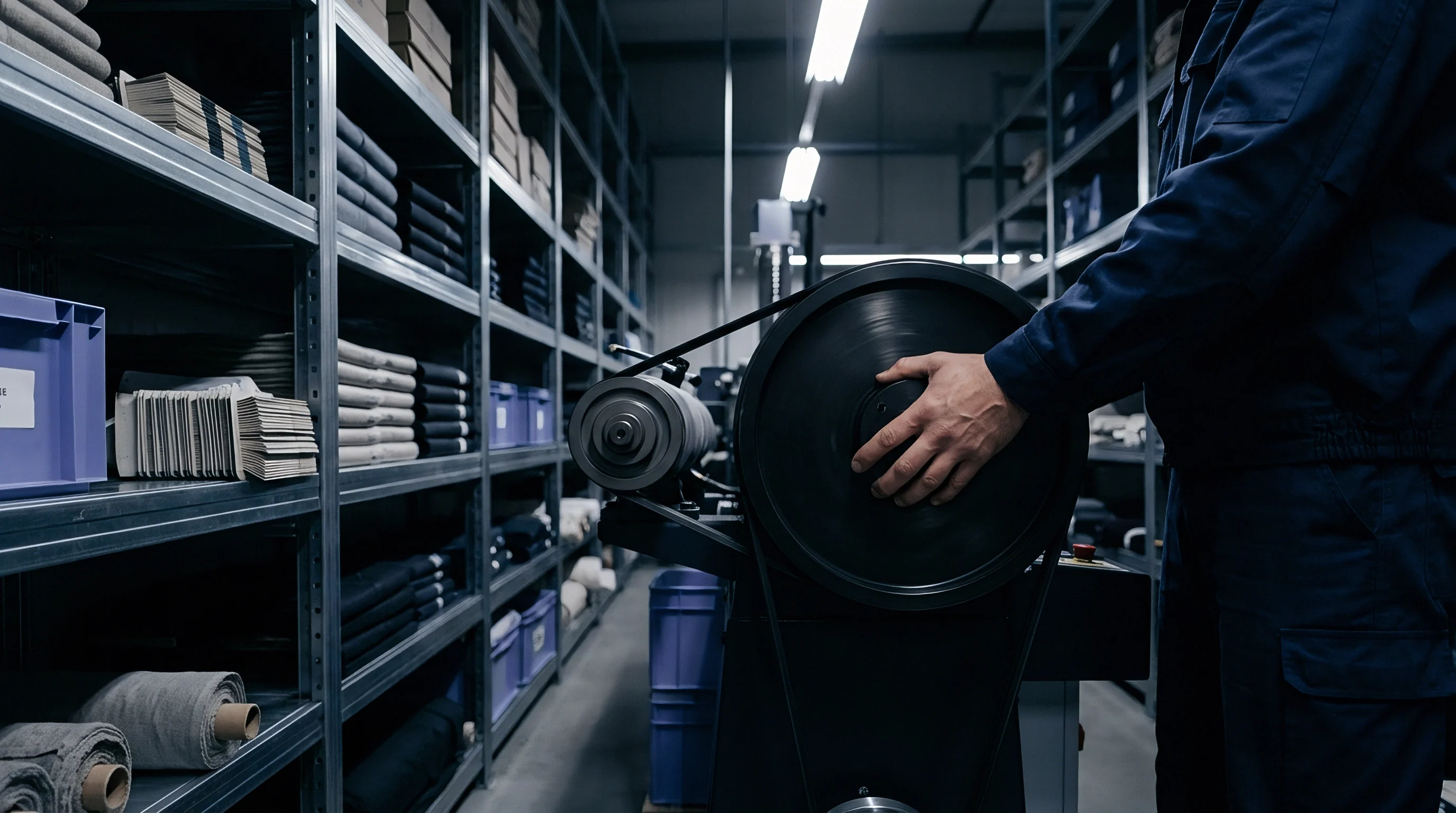
Dock
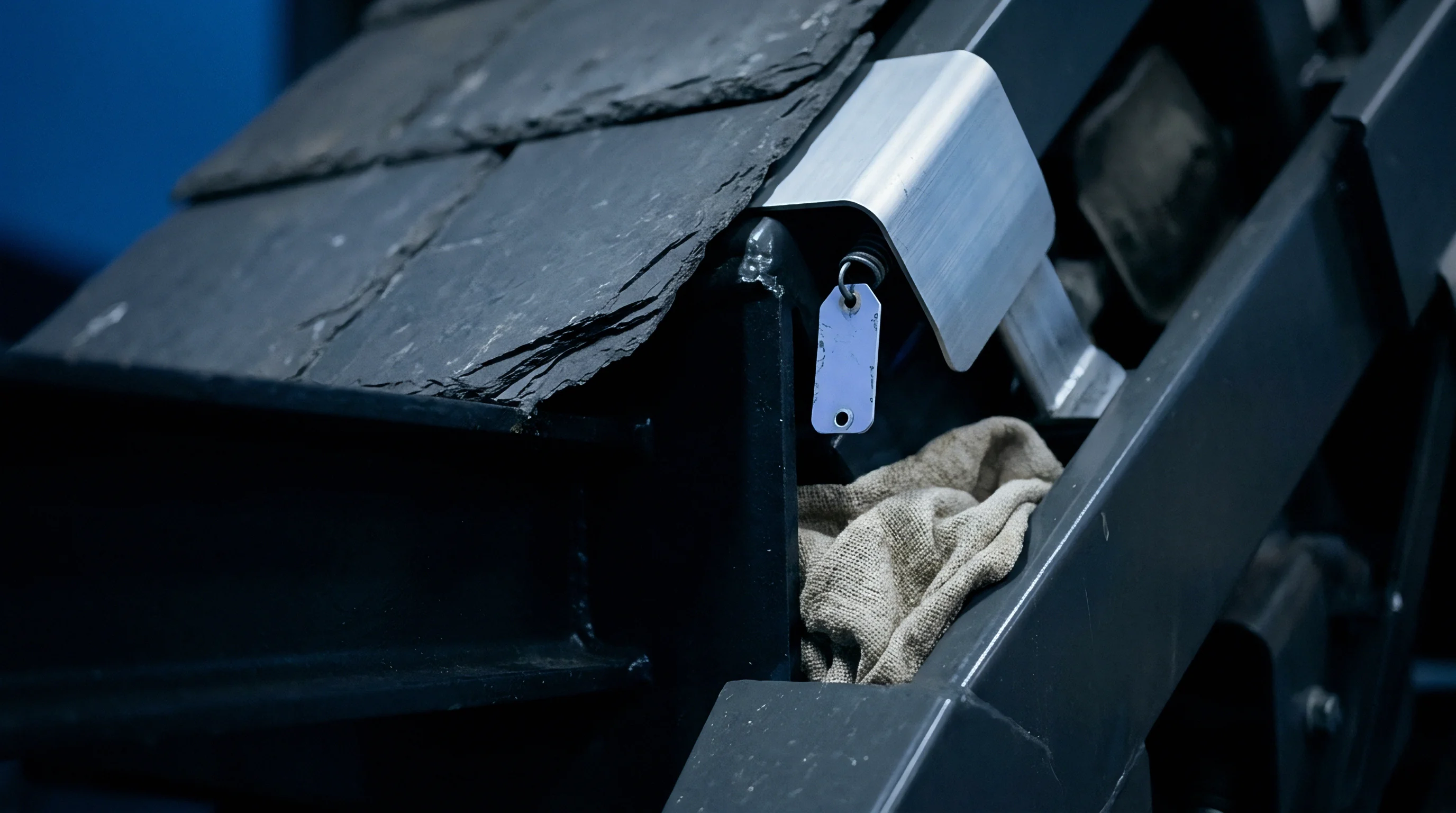
Physical Unloading Controls and Staging Discrepancies
Receiving docks serve as the primary defensive barrier against inventory balance corruption. Forklift operators offloading ocean containers handle heavy raw fiber bales under tight unloading schedules. Broken strapping bands, punctured protective covers, and crushed bale corners occur routinely during maritime transit and container unloading.
Loose fiber strands dragging across receiving dock surfaces accumulate dirt, grease, and moisture, rendering outer layers unusable for high-count wet spinning. Mill staging procedures require immediate sorting and weighing of damaged units before materials move to bulk raw storage areas.
Intake staging protocols maintain strict segregation between pristine shipping units and damaged inventory. Clamping deformed bales with conventional lift attachments causes further fiber breakage and loss of packaging integrity. Warehouses utilize dedicated staging zones equipped with digital floor scales to weigh damaged units separately.
Operators record external moisture readings using rapid surface meters, flagging bales exposed to container condensation or bilge water leaks. Damaged fiber enters a provisional quarantine status on the intake register, preventing allocation to spinning lines until salvage sorting finishes.
Wet dock floors transfer moisture into compressed fiber edges within minutes of staging.
Discrepancies between shipping container pack lists and physical dock tallies originate during container destuffing. Ocean carriers occasionally deliver mixed containers where multiple fiber grades or distinct scutcher lots share space in a single dry box. Dock workers operating without real-time inventory scanning systems place bales into incorrect warehouse aisles, creating ledger stock variances that persist until full fiscal inventory audits.
Implementing barcode scanning at the unloading dock bay captures each bale serial number as it exits the container door, reconciling delivery manifests automatically before releasing haulage chassis.
- Container Seal Verification confirms the integrity of high-security bolt seals against shipping manifests before unloading starts.
- External Inspection Sweep identifies container roof punctures, floor moisture damage, or chemical contamination prior to cargo stripping.
- Digital Bale Scanning captures serial barcodes, cross-checking physical bale identifiers against vendor electronic data interchange files.
- Gross Dock Weighing checks total container payload mass against weighbridge tickets, identifying immediate bulk mass variances.
- Quarantine Floor Routing diverts burst, wet, or contaminated fiber bales into isolated inspection bays for physical adjustment.
- Final Gate Clearance commits inspected, verified net bale weights into the enterprise warehouse management ledger.
Dock personnel document unloading discrepancies on delivery receipts before signing driver delivery dockets. Missing bales, damaged packaging, and broken seals require explicit notations signed by the logistics carrier representative. Unsigned delivery receipts accept full responsibility for inventory shortfalls, leaving the receiving mill unable to recover losses from insurance underwriters or shipping brokers.
Isolating transit water damage from ambient moisture shifts requires structured physical inspection at the receiving bay.
Core moisture testing separates water absorbed during maritime transit from environmental humidity changes. Surface moisture readings exceeding eighteen percent on bale edges combined with dry inner cores indicate rain intrusion or container roof leaks during transit. Uniform core moisture levels throughout the bale mass indicate equilibrium adjustments to seasonal atmospheric conditions during processing and storage.
Inspectors log these physical findings on dock intake exception reports, providing necessary documentation for maritime insurance recovery filings.
Signing delivery receipts without recording broken straps transfers full transit fiber losses directly into mill processing waste accounts.


Audit

Ledger Reconciliation Workflows and Cycle Counting Protocols
Maintaining raw flax inventory integrity requires continuous verification cycles across mill operational databases. Discrepancies emerge naturally through cumulative micro-variances: slight tare miscalculations, minor moisture fluctuations, handling fiber scrap, and recording errors by warehouse shift workers. Annual physical inventory counts prove insufficient for capital-intensive flax spinning mills processing multiple high-value fiber origins.
Discrepancies discovered twelve months after delivery cannot be attributed to specific supplier lots, eliminating contractual clawback opportunities. Modern mills employ strict ABC cycle-counting protocols, auditing high-value long line stocks every thirty days while verifying machine tow and comber waste bimonthly.
Reconciling mill intake ledgers demands integration between physical warehouse management systems, enterprise cost accounting, and quality management databases. Inventory auditors match three core documents before closing weekly intake accounts: physical dock receipt logs, laboratory moisture and hackling test certificates, and vendor commercial invoices. Inconsistencies between laboratory regain adjustments and accounting inventory entries create paper discrepancies that misstate raw fiber asset values.
Automated ERP reconciliation rules prevent invoice settlement until intake mass adjustments clear quality assurance approval thresholds.
| Operational Stage | Responsible Department | Primary Source Document | Ledger Entry Field | Reconciliation Threshold |
|---|---|---|---|---|
| Dock Intake | Logistics Receiving | Weighbridge Docket / Tally Sheet | Gross Intake Mass | +/- 0.5% against Bill of Lading |
| Quality Verification | Mill Testing Laboratory | Moisture / Combing Test Report | Commercial Regain Weight | +/- 0.2% moisture variance |
| Fiber Clearance | Warehouse Management | Bale Barcode Audit Scan | Allocated Net Fiber Stock | 100% bale tag match |
| Invoice Clearance | Cost Accounting | Vendor Invoice / Credit Note | Accounts Payable Balance | Exact match to adjusted mass |
Variances between perpetual inventory records and physical bale stacks stem from unaccounted scrap generation during internal material transfers. Forklift clamps squeeze compressed bale flanks, dropping loose fiber bundles onto internal transport paths. Mill sweepers collect this dropped material as sweeping tow, bagging it for low-grade utility sales without logging deductions from originating raw fiber lots.
Accounting teams correct this slippage by establishing standard floor-scrap allowance percentages, adjusting originating lot balances automatically as material moves from raw storage to opening rooms.
Auditors trace Transaction Certificates through internal production orders to confirm chain-of-custody preservation. Blending records must mirror certified fiber consumption down to the exact kilogram. If a spinning order specifies seventy percent European Flax and thirty percent certified organic cotton, raw intake ledgers must prove that sufficient certified raw flax stock was deducted from warehouse bins during that specific production run.
Certification auditors cross-examine raw fiber intake ledgers against finished yarn sales invoices, penalizing mills whose yarn output exceeds verifiable raw fiber intake balances.
Failing to reconcile intake ledgers against laboratory moisture adjustments exposes spinning mills to substantial inventory writedowns during annual balance sheet audits.