Spinning Frequency
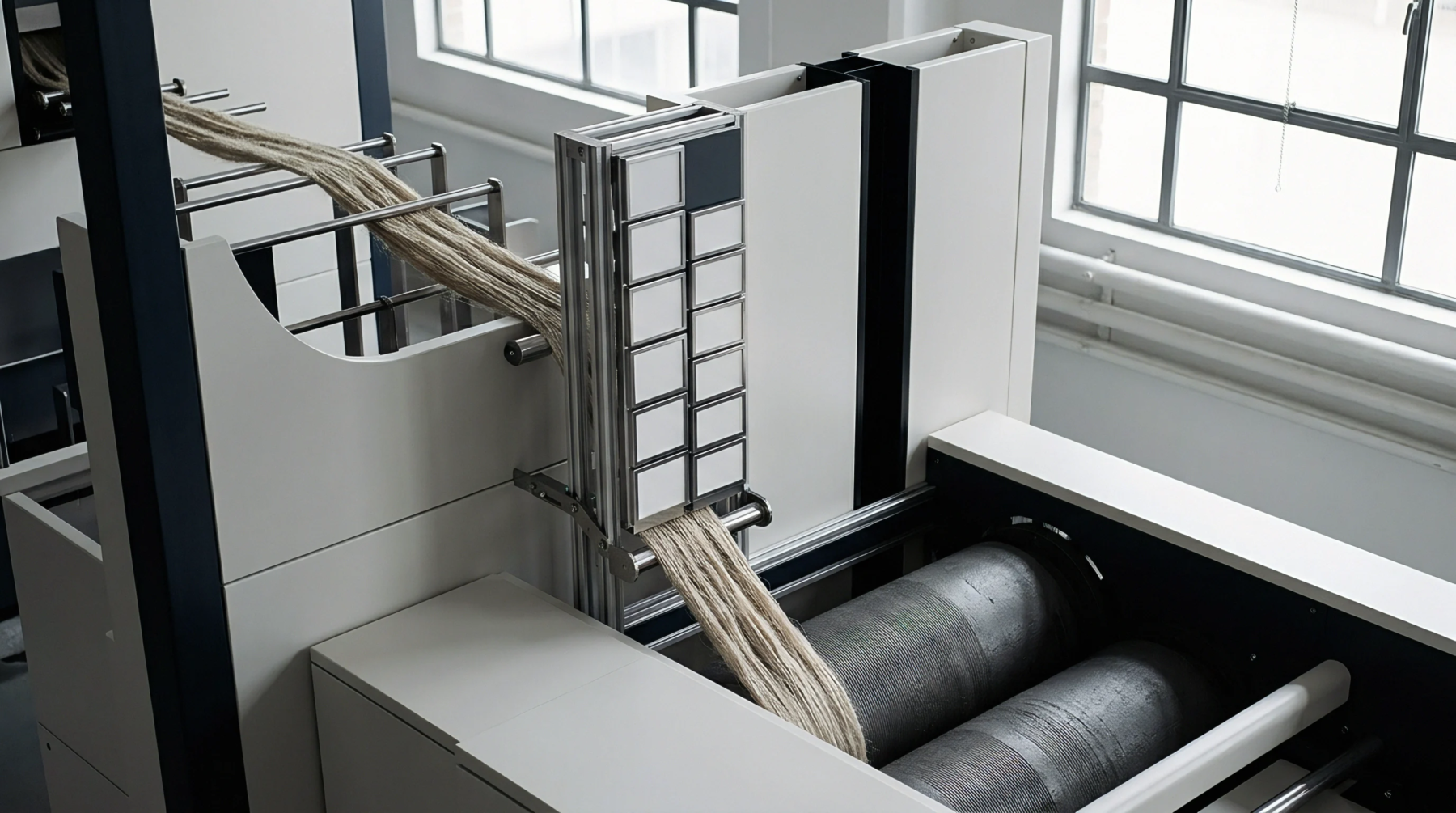
Mechanical severance of flax roving occurs when excessive tension exceeds the structural integrity of the fibre assembly during drafting. Ring frame end breaks interrupt the continuous formation of yarn as a strand snaps between the nip of the delivery rollers and the traveller on the spinning ring. Precise control of ambient humidity and fibre moisture regain prevents the brittleness that leads to frequent occurrences of this fault in Chinese flax mills.
Efficiency Threshold
Production logs record these events to calculate the total downtime of a spinning machine over a specified shift. Management monitors ring frame end breaks to assess the consistency of the raw material preparation stages including hackling and drawing. Each instance requires the operator to rejoin the broken filament which creates a knot that lowers the final quality grade of the yarn package.
High rates of breakage signal an imbalance in the twisting geometry or a physical defect in the ring rail assembly. A lower frequency of these interruptions increases the yield of premium grade linen cloth while maintaining the uniformity of the output during high speed operation.
Performance Metric
Quality assurance personnel evaluate the cumulative impact of these separations on the operational overhead of the spinning facility. Frequent breakage forces the installation of heavier travellers to manage tension but this change shifts the physical profile of the resulting yarn away from the specified count. Mill standard operating procedures dictate the maximum allowable interruptions per hundred spindle hours before a batch is flagged for review.
Constant vigilance regarding the physical condition of the traveller path and the lubrication of the rings reduces the occurrence of these faults by stabilizing the friction coefficients within the system. High integrity yarn results from the minimization of these mechanical failures.