Mass Measurement
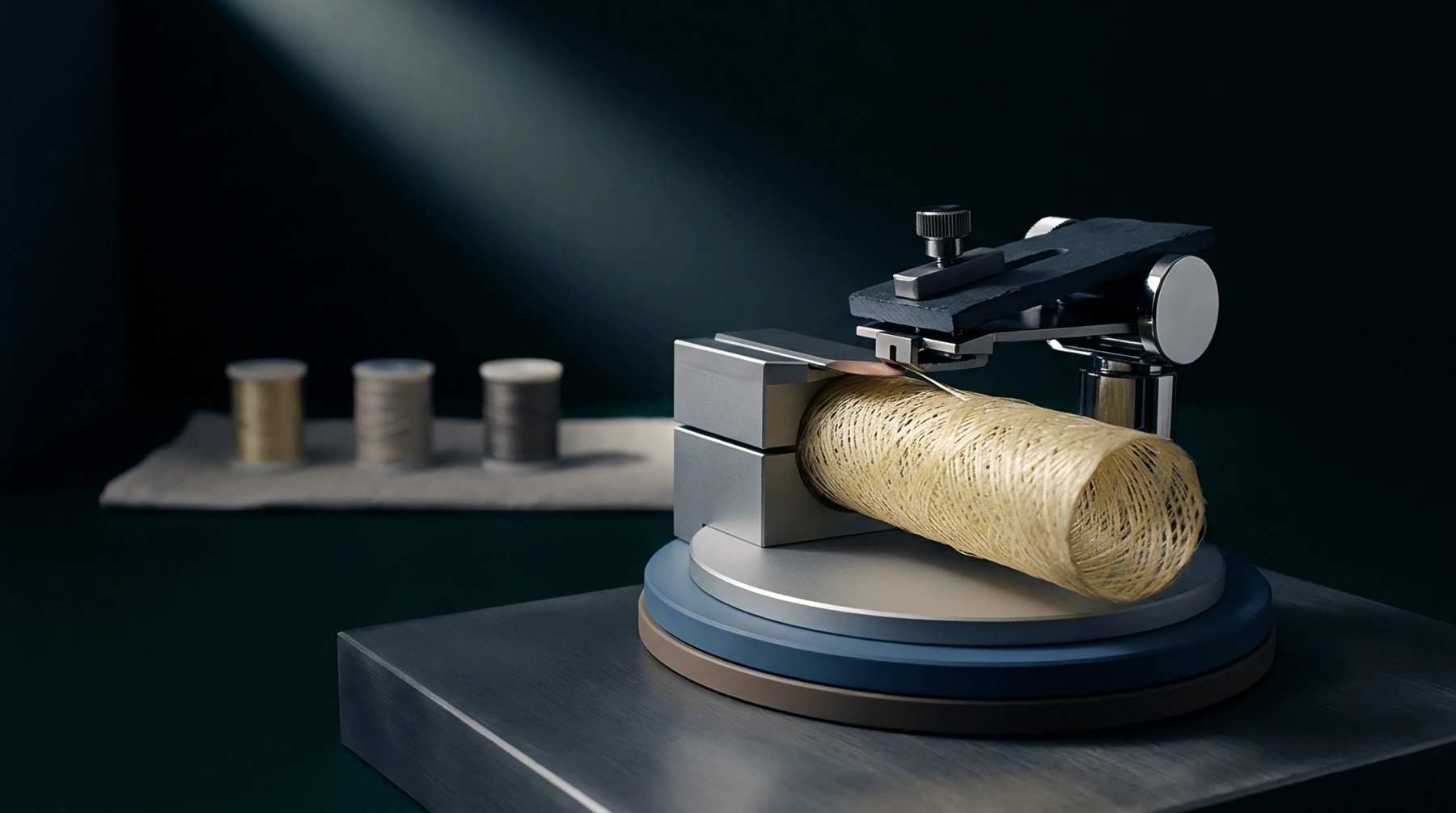
Fibre testing laboratories verify the dry density of flax sliver through a gravimetric cut and weigh procedure. This technique involves slicing a known length of processed fibre and measuring its weight against an oven-dry state. Precise moisture content levels dictate the final result since natural fibres hold significant water weight that alters the apparent mass.
Analysts perform this task after the carding stage and before spinning to ensure uniform yarn production.
Process Control
Reliable production depends upon accurate linear density values for individual batches. Technicians utilize a calibrated cutter to extract a specific distance of material from the sliver web. Weighing this specimen provides the data for calculating the grist or tex value required by the mill.
Higher density values suggest improper drafting settings during the earlier hackling phases. Correct identification of these discrepancies prevents uneven tension during the subsequent spinning cycles.
Commercial Compliance
Formal purchase agreements incorporate these measurements to determine the final billing weight for bulk fibre shipments. Buyers compare the mill results against pre-shipment certificates to ensure the delivered flax meets contractual specifications for uniformity and moisture content. Variations exceeding set tolerances allow for price adjustments or outright rejection of the supply lot.
Testing protocols bind both parties to the same analytical standard and enforce accountability for the raw material quality.