Yield Prediction
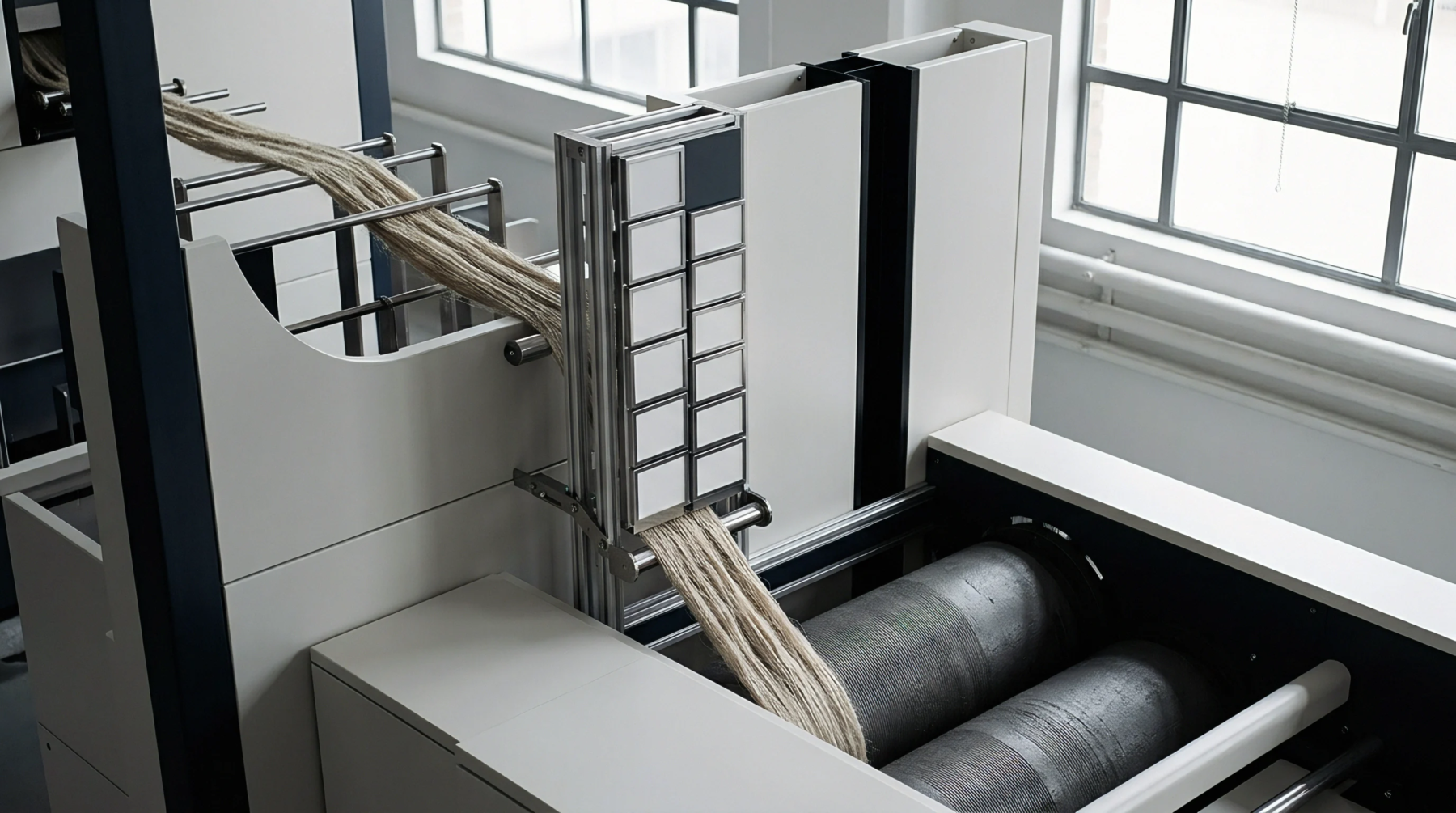
Analytical grids used in wet spinning describe how flax fibers of varying lengths respond to the forces applied between drafting rollers. The drafting breakage matrix quantifies the probability that a fiber bundle of a specific starting length will fracture into smaller segments during the attenuation process. It maps the transition from long line flax to the shorter fragments that eventually form the yarn structure.
Mechanical Interaction
Mechanical forces are applied at the nip points of the drafting system to reduce the linear density of the roving. If the drafting breakage matrix indicates a high rate of fracture for fibers exceeding the ratch setting, the resulting yarn will show increased hairiness and lower tensile strength. This mathematical model allows a mill manager to adjust the roller settings based on the initial staple length distribution of the raw material.
Process Optimization
High breakage rates necessitate a reduction in the draft ratio or a change in the chemical treatment of the roving. While a matrix showing minimal breakage suggests a high-quality fiber batch, it also confirms that the existing machinery settings are optimal for the current input. The values in the drafting breakage matrix remain constant only as long as the moisture content and temperature of the spinning room are maintained within a narrow range.